

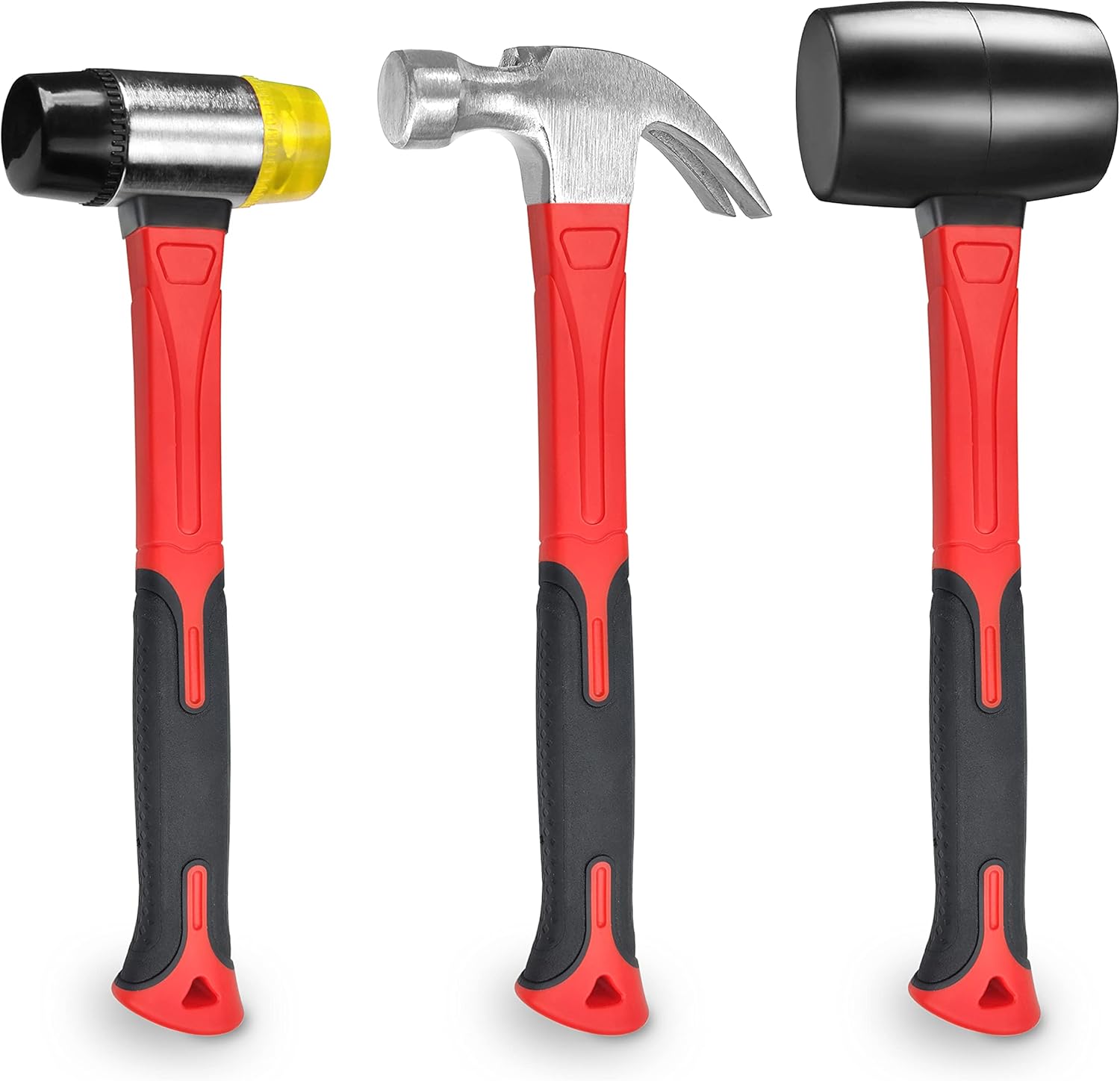
This step-by-step guide provides a detailed overview to assist individuals in selecting the most appropriate hand tools for their projects, ensuring efficiency and precision in DIY tasks and professional work.
Define Your Project Needs
Identify the specific tasks you need to accomplish and the types of hand tools required for those tasks.
- Survey your project requirements and make a detailed list of tasks involved. For instance, if your project involves woodworking, tasks could include cutting, sanding, joining, etc.
- Referring to your task list, select the necessary hand tools. For woodworking, hand tools such as saws, chisels, planes, hammers, and screwdrivers may be needed.
- After identifying the required hand tools, make a checklist to ensure you have everything on hand before starting your project. This will help you avoid interruptions while working.
By following these steps, you’ll be better able to identify the specific tasks you need to complete and the corresponding hand tools required for your project.
Research Hand Tool Options
To explore the different hand tool options available in the market and compare their features, quality, and prices, start by conducting thorough research online or visiting local hardware stores. Look for a variety of hand tool types, such as screwdrivers, pliers, wrenches, hammers, and more. Consider the specific task or project you will be using the hand tools for and the frequency of their use.
Next, make a list of the features you need in a hand tool, including size, material, ergonomics, and added functionalities. Compare different brands and models within the same category to evaluate their quality and durability. Check customer reviews and ratings to gauge user satisfaction and performance.
Finally, compare the prices of the hand tools that meet your requirements. Look for sales, discounts, or bundled deals to get the best value for your money. Prioritize quality and functionality over price to ensure that the hand tools will meet your needs and last a long time. Make informed decisions based on your research to select the best hand tool options for your projects.
Consider Ergonomics and Comfort
Choose hand tools that are designed with ergonomics in mind. Look for handles that are comfortable to grip and reduce strain on your hand and wrist. Opt for tools with non-slip surfaces to prevent accidental slips and provide a secure grip. For example, choose a screwdriver with a cushioned grip that fits comfortably in your hand, or select gardening tools with ergonomic handles that reduce muscle fatigue during prolonged use.
Ensure that the hand tools you use are the right size and weight for the task at hand. For instance, when selecting a hammer, choose one with a handle length and weight that are appropriate for the job you are doing to avoid unnecessary strain on your arm and shoulder. Similarly, pick pruning shears that fit comfortably in your hand and are designed to reduce wrist strain when cutting branches in your garden.
Check for Durability and Quality
First, examine the hand tools closely for any signs of wear or damage. Check the materials they are made of – tools crafted from high-quality metals like steel are more likely to withstand heavy usage. Inspect the handles for sturdiness; they should feel solid and well-attached to the tool itself. Next, test the moving parts of each tool. For items like wrenches or pliers, ensure they open and close smoothly without any sticking. Check for any rust or corrosion, especially on metal surfaces, as this can indicate a lack of durability.
Afterwards, evaluate the overall weight and balance of each tool. A well-balanced tool is more comfortable to use and less likely to cause user fatigue. Review user ratings and reviews online to gauge the experiences of others with the same tools. Finally, consider the warranty offered by the manufacturer – a longer warranty period often reflects the company’s confidence in the durability of their product. By following these steps, you can select hand tools that will reliably withstand the demands of your project and last for the long haul.
Evaluate Brand Reputation
Researching the reputation of different hand tool brands is essential to ensure you choose reputable ones known for their quality and reliability. To do this effectively, follow these steps:
- Check Online Reviews: Look for customer reviews on websites like Amazon, Home Depot, or specialized tool forums. Pay attention to both positive and negative feedback.
- Compare Ratings: Utilize websites that provide ratings and rankings of hand tool brands. Compare the overall scores and consider the feedback from experts in the field.
- Seek Recommendations: Ask professionals or enthusiasts in the industry for recommendations. Their experience can help you identify brands that are highly regarded.
By conducting thorough research through these methods, you can make an informed decision on which hand tool brands have a strong reputation for quality and reliability.
Test the Tools if Possible
- Test the Hand Tools: Before making a purchase, it’s recommended that you try out the hand tools. This can give you a sense of how they perform and whether they are suitable for your specific project requirements.
- Visit a Hardware Store: Head to a local hardware store that carries the hand tools you are interested in. Request permission to test the tools in the store.
- Get a Feel for the Tools: Pick up each tool and test its weight, grip, and balance. This will help you determine if the tool feels comfortable in your hand and if you can maneuver it easily.
- Test Functionality: If possible, try using the tool on a sample material similar to what you will be working on. This will give you a practical sense of how the tool will perform in your actual project.
- Ask Questions: While testing the tools, don’t hesitate to ask the store staff for guidance or clarification on the features and functionalities of each tool.
- Make an Informed Decision: After testing, assess which tools felt most comfortable and effective for your project needs. This hands-on approach can help you make a well-informed purchasing decision.
Seek Expert Advice
- Visit specialized hardware stores: Ask the employees for advice on the best hand tools for your project. They often have valuable insights based on customer feedback and product expertise.
- Join online forums or groups: Engage with communities related to your project on platforms like Reddit or Facebook. Seek recommendations from experienced DIYers or professionals in the field.
- Attend workshops or seminars: Local hardware stores or community centers often host these events. Take the opportunity to network with experts who can offer personalized recommendations based on your specific needs.
Remember, don’t be afraid to ask questions and provide details about your project to receive tailored advice. Expert guidance can help you choose the right hand tools that will make your project a success.
Final Thoughts
In conclusion, selecting the appropriate hand tools for your project is crucial for success. By considering factors such as project requirements, tool quality, ergonomics, and seeking expert advice, you can ensure efficient and effective results. Remember, the right tools not only make your work easier but also contribute to the overall quality of your project. Happy tool hunting!
Expert Advice and Strategies
Proper Techniques for Using Hand Tools
- Familiarize yourself with the different types of hand tools available in the market
- Always wear appropriate safety gear such as goggles and gloves
- Learn the proper way to use each tool by reading the manufacturer’s instructions or watching online tutorials
- Practice using the tools on scrap materials before working on your actual project
- Keep your hand tools clean and well-maintained to ensure their longevity and performance
Hand Tools FAQs
When using hand tools, it is important to follow these safety precautions to prevent accidents and injuries:
- Wear appropriate personal protective equipment, such as goggles, gloves, and closed-toe shoes.
- Select the right tool for the job and ensure it is in good working condition.
- Keep your work area well-lit and free of clutter to avoid tripping hazards.
- Always cut away from your body and keep your hands behind the cutting edge of the tool.
- Use clamps or a vise to secure the workpiece to prevent it from moving while you are using the hand tool.
- Keep cutting tools sharp and clean to prevent them from slipping during use.By following these safety precautions, you can greatly reduce the risk of accidents while using hand tools.
To maintain and care for your hand tools, you can follow these tips:
- Clean your tools after every use to remove dirt, debris, and moisture. Use a cloth or brush to wipe them down.
- Store your tools in a dry place to prevent rust or corrosion. Consider hanging them up or using a toolbox with proper storage compartments.
- Regularly inspect your tools for signs of wear, damage, or dullness. Sharpen or replace blades when needed.
- Lubricate moving parts with oil or grease to keep them functioning smoothly.
- Use your tools correctly and avoid using excessive force, as this can cause damage.
By following these maintenance practices, you can extend the life of your hand tools and ensure they perform efficiently when you need them.
When looking for a good wrench, there are several key features to consider:
- Material: High-quality wrenches are typically made from chrome vanadium steel for durability and longevity.
- Size: Ensure you choose the right size wrench for the specific job you will be doing to ensure a proper fit and prevent slippage.
- Handle: Look for a wrench with a comfortable and ergonomic handle that provides a good grip, especially for long periods of use.
- Finish: A wrench with a polished finish is less likely to rust or corrode, prolonging its lifespan.
- Adjustability: Adjustable wrenches offer versatility as they can fit different sizes of nuts and bolts, reducing the need for multiple wrenches.
By paying attention to these features, you can select a high-quality wrench that will make your tasks easier and more efficient.
When choosing the right pliers for a specific task, there are a few key factors to consider:
- Type of Task: Different pliers are designed for specific tasks. For example, needle-nose pliers are great for gripping and maneuvering small objects, while lineman’s pliers are ideal for cutting and twisting wires.
- Material: Consider the material you will be working with. For harder materials, such as metal wire, you may need wire-cutting pliers. For softer materials, standard cutting pliers might suffice.
- Comfort: Ensure the pliers feel comfortable in your hand and are easy to grip to prevent hand fatigue during prolonged use.
- Quality: Invest in high-quality pliers to ensure durability and precision in your work.
By considering these factors, you can choose the right pliers for your specific task and work more efficiently and effectively.




When considering ergonomics, I realized that comfort plays a significant role in how long I can work with the tools without fatigue. It’s worth paying attention to this aspect for better efficiency.
What are some advanced tips for maintaining hand tools to ensure longevity and optimal performance? I want to make sure I get the most out of my investment.
Maintaining hand tools properly is essential for their longevity. Some advanced tips include regular cleaning, proper storage to prevent rust, and occasional lubrication of moving parts. These practices can significantly extend the life of your tools.
Would seeking expert advice entail visiting a specialty store or are there online resources where one can consult experts regarding hand tools for specific projects?
I followed the steps and tested the tools, but I’m still unsure about the best brand reputation to trust. Any recommendations for reputable hand tool brands?
Brand reputation is important when choosing hand tools. Some reputable brands to consider are XYZ Tools, ABC Hand Tools, and DEF Equipment. Their products are known for quality and durability.
Has anyone tried a specific brand that excelled in terms of durability and quality? I’m considering investing in a reliable set of hand tools for my woodworking projects.
Thank you for sharing your experience! Understanding the project needs is indeed a key step in selecting the right hand tools.
I found that defining my project needs before choosing hand tools was crucial in selecting the right tools for the job. It’s important to understand the requirements of the project to ensure the tools will be effective.
I successfully chose the right hand tools for my DIY home renovation project following this guide. The emphasis on durability and quality really made a difference in the outcome. Thank you for the helpful tips!