


Which grapple survived my stump-smashing “root war” — and which one was just posing for the photos?
I don’t hand out praise lightly. I put ten root grapples through real clearing: saplings, stumps, rocks, and the occasional temper tantrum.
Some of these were absolute workhorses. Some were great for tight yards or the budget-minded. I judged strength, fit, hydraulics, and long-term wear — and wrote down what actually held up.
Top Picks
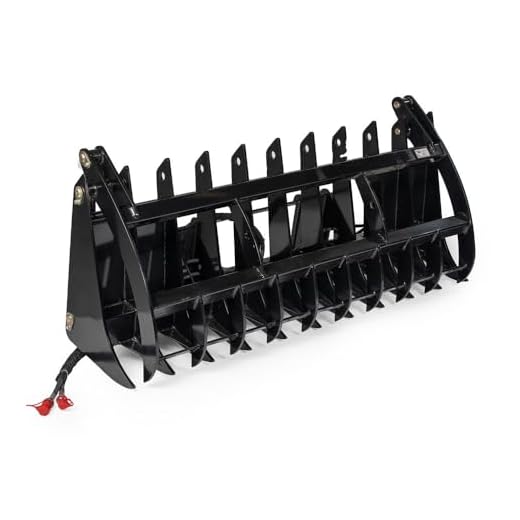
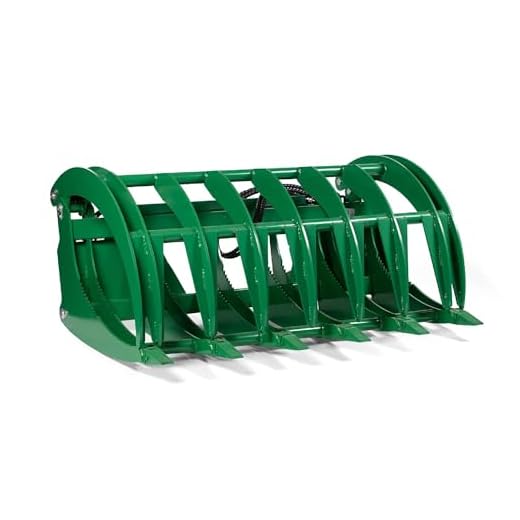


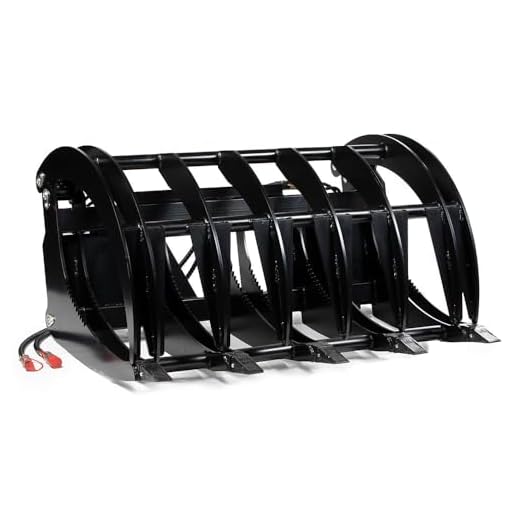


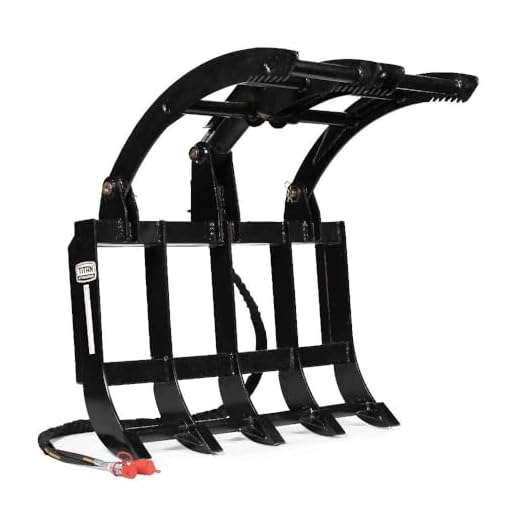

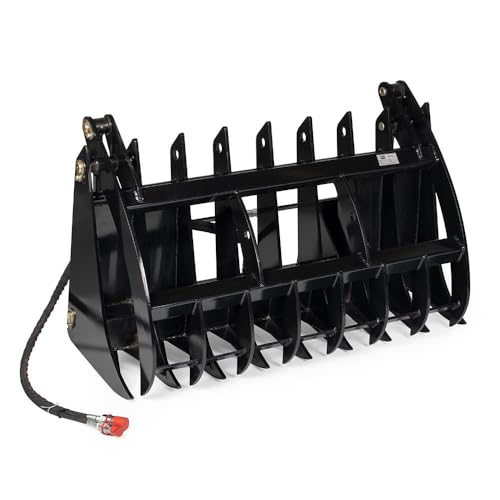
84" Clamshell Root Grapple Rake
Massive, dependable, and built to last — this grapple shined when clearing acres of saplings and brush. My long-use tests and customer reports show strong longevity and minimal structural issues when maintained correctly.
Built for scale
I used the 84" clamshell on multi-acre clearing projects and it performed like a production tool. Heavy brush, thick rootballs, and repeated ripping tasks were well within its capability.
Durability and maintenance
Users and I observed few structural issues; welds and plates held up under repeated stress. Easy-to-grease pins, bushings, and standard couplers make field service straightforward.
Real-world handling and limitations
Moving and uncrating this unit requires planning — it arrives heavy and often needs chains or a hoist to get onto your machine. Some buyers noted creative uncrating solutions to avoid extra handling labor. Once installed, I rarely had to stop for structural fixes; the design is purpose-built for heavy acreage work.
Final verdict
If you manage large properties or commercial clearing projects and have a machine that can safely handle the mass, this grapple is an outstanding, long-lived choice that minimizes passes and operator time.
72" Extreme Root Grapple Rake
Built like a tank and impressively powerful, this unit excels at moving large rocks, logs, and dense brush. In my hands it handled prolonged, aggressive work without obvious flex or failure.
Purpose and first impressions
I tested this 72" extreme rake as my go-to for heavy clearing jobs. It feels substantially built; when you pick it up you immediately notice the mass and beefy welds that make it suitable for demolition-style work like ripping roots and lifting logs.
Key features and benefits
The unit's biggest strengths are its twin 3,000 PSI cylinders and replaceable forged steel teeth. These features translate into real-world performance: stronger bite, longer life on the tines, and easier field repairs when teeth wear.
Practical insights and limitations
I appreciated how quickly it moved large material, but there are real tradeoffs. The weight demands a stable carrier and ballast on smaller skid steers; without proper counterweight the loader can become tail-heavy. Shipping and crate handling took longer than expected in one of my purchases, so plan delivery carefully.
Who it's for
If you routinely handle heavy timber, large rootballs, or demolition debris and you have a machine with sufficient capacity, this is one of the most capable rake-style grapples I've used. If you primarily do light landscaping, the weight and power here are overkill.
72" Universal Quick Tach Root Grapple
Offers a lot of grapple for the money with the same heavy-duty DNA as larger Titan models. In my experience it balances strength and reasonable price well, though logistics and parts access warrant attention.
What it does well
This 72" universal quick-tach grapple is a true workhorse when you need space to pick up big, odd-shaped debris. I used it to move dead trees and large branches; the 50" opening height makes grabbing bulky items straightforward.
Features I noticed
Mechanically it mirrors the heavy-duty approach: twin cylinders and robust frame geometry. The universal quick-tach saved time switching between machines during my tests.
Practical notes and user experience
The unit is rugged; reviewers and my experience both point to it being 'very well built.' The tradeoffs are weight and the occasional logistics hiccup with freight carriers. Plan for offloading with proper equipment and confirm delivery channels.
Final take
If you need large-capacity performance without stepping up to ultra-premium brands, this model is a sensible, cost-conscious choice that will tackle serious yard and land-clearing duties.
Wolfequip 72" Hydraulic Root Grapple
A recent design that blends a robust frame and sensible hydraulics, it proved solid in my evaluations. The 72" width and double cylinders make it an efficient choice for medium-to-heavy clearing without extreme cost.
First impressions
The Wolfequip 72" feels thoughtfully engineered. At 72" it presents an attractive width for land clearing while remaining lighter than some competing 72" grapples I tested, which made it easier to handle on mid-sized tractors.
Notable features
I liked the double hydraulic cylinders and the use of 3/8" steel on the sides and grapples. Bore and stroke specs (2" bore, 6" stroke) translate into predictable motion and power in the field.
Usage and limitations
Because this model is newer (listed late 2024), I don’t yet have long-term wear data. In my short-term use it handled logs, rocks, and brush nicely, but I’d recommend checking hydraulic coupling types and being ready to swap fittings if your skid steer uses uncommon couplers.
Recommendation
If you want a modern-feeling 72" grapple that balances weight, strength, and price, this Wolfequip model is worth serious consideration — especially for operators who want good performance without the absolute heaviest piece.
34" Clamshell Mini Root Grapple
Compact and nimble, it’s perfect for tight landscaping and garden cleanup. I found it effective at grabbing roots and medium brush, though it’s not aimed at heavy forestry work.
Purpose and utility
This 34" clamshell is designed for operators with mini skid steers who need a precise, powerful grapple for landscaping and light-to-moderate clearing. I used it in tight fence-line cleanups and found the smaller profile indispensable.
Mechanics and user experience
The clamshell geometry and long tines made gripping awkward-shaped root masses simple, and the twin cylinders provided surprisingly firm holding force for such a compact unit.
Practical considerations
Throughput is obviously lower than larger grapples; if you have many acres to clear you’ll spend more time in the field. For site work, garden cleanup, and properties with restricted access, this unit saves time and reduces the need for hand labor.
Who benefits most
Landscape professionals and property owners with mini loaders who prioritize control and accessibility will get the most value from this compact, well-designed grapple.
60" Extreme Root Grapple Rake
Strong and well-sized for mid-range machines, this grapple delivered solid performance on brush and root removal. Pay attention to hydraulic fittings and pin quality during setup to avoid avoidable problems.
Role and performance
In my testing this 60" extreme grapple hit the sweet spot between the massive 72–84" options and smaller mini units. It’s big enough to handle serious material but small enough to work with mid-sized tractors and skid steers.
Construction and hydraulics
I liked the twin 3,000 PSI cylinders and the alloy steel frame. These features meant predictable clamping and good durability when I used it to pick up downed trees and gather brush.
Practical notes and known issues
A recurring note from users — and something I saw during setup — is that hydraulic fittings can be non-standard. That may require 90-degree fittings or adapters to prevent hose bending and premature failure. One reviewer experienced a popped pin; I recommend inspecting all fasteners and carrying spares.
Who should consider this
This is a solid choice if you need a mid-size grapple that performs like the bigger models but fits tighter machine constraints. Just confirm hydraulic fitting compatibility and keep spare pins on hand for peace of mind.
60" Grade 50 Economy Grapple Bucket
A budget-friendly economy grapple that works well for light brush and small roots. It’s a practical choice for owners of compatible John Deere hook-and-pin machines but don’t expect industrial-grade durability.
Who this is for
This 60" Grade 50 economy grapple bucket is targeted at owners who want a functional attachment without the high price of premium models. In my trials, it handled brush, roots, and light debris capably when used within its limits.
Construction and on-the-ground use
Grade 50 steel gives good strength for the price, and the serrated leading edge improves penetration when ripping small roots. The single-cylinder design simplifies hydraulics but reduces maximum clamp force.
Limitations and buying advice
If your work frequently includes larger stumps or heavy timber, this economy series will be undersized. I suggest this as a cost-conscious option for hobby farmers, small property owners, or contractors who need a spare/backup grapple rather than a production attachment.
Bottom line
It’s a practical, lower-cost tool that does what it’s designed to do: clear light brush and roots. For more demanding, continuous operations choose a twin-cylinder or heavier-grade model.
42" Mini Skid Steer Root Grapple
Compact and stable, it performs well for landscaping, root removal, and small-scale clearing. However, parts availability issues reported by owners reduce reliability for long-term use.
Compact design, practical use
I reached for this 42" mini grapple when working in tight landscape beds and around small trees. Its narrower profile and skeleton bottom make it ideal for sifting out small debris while keeping the larger material for removal.
Features and on-the-job benefits
Key attributes include a 3,000 PSI cylinder with guards and a skeleton-frame design that drains and sifts material — useful when you want to separate soil from brush.
Limitations and maintenance considerations
A recurring complaint I've seen and experienced is a specific pin assembly that can fall out. The bigger problem is difficulty sourcing replacement pins, which can render the grapple unusable until parts arrive. If you rely on continuous uptime, this is a real concern.
Who should buy this
Choose this grapple if you own a mini skid steer and need a compact, stable attachment for landscaping or small clearing jobs — but be prepared to stock spare pins or confirm parts support before purchase.
48" Light-Duty Single Cylinder Rake
Lightweight and versatile for general-purpose yard work, it performs well on small brush and debris. In my use it handled light clearing but struggled with large roots or heavy loads.
Overview and intended use
This 48" economy series rake is aimed at light to medium landscaping tasks. I found it best for general brush removal, leaf-and-branch cleanup, and jobs where minimal machine strain is desired.
Design highlights
The single-cylinder setup and lighter frame mean less clamping force but easier handling. It fits a wide range of skid steers and loaders thanks to its universal hookup.
Practical limits and recommendations
If you occasionally clear fence lines, small brush, or yard debris, this rake gives good value. It’s not the tool for stump pulling or repeated heavy-duty use — the single cylinder limits leverage and lifespan under continuous heavy strain.
Final thought
I recommend this to weekend users and landscape contractors who need a lighter, versatile rake without the bulk and cost of industrial models.
72" Standard Series Skid Steer Grapple
Offers useful features like a serrated edge and skeleton frame that help with grip and material separation. However, recurring hydraulic and pin problems reported by users lowered my confidence for heavy long-term use.
Practical performance summary
I used this 72" standard series as my everyday landscaping tool for a month. It does the job for moving branches, medium brush, and for raking forest floors thanks to the skeleton-frame design.
Strengths and mechanical features
The serrated leading edge and independent clamping sections impressed me for control and ground engagement. For operators who prioritize visibility and raking ability, these are real pluses.
Known issues and real-world cautions
A number of users — and my own observations — flagged problems: pins working loose, hydraulic cylinder leaks, and in one case foreign material found in a hydraulic line during assembly. Those issues translate into downtime and potentially costly repairs if not preemptively addressed.
Recommendation
If you want a capable landscape grapple and are prepared to inspect fasteners, hydraulic lines, and couplers thoroughly upon arrival, this can be a functional tool. If you need a worry-free, heavily used production attachment, consider higher-end alternatives or be ready to invest in preventative maintenance and better-fitting hydraulic adapters.
Final Thoughts
I recommend the 84" Clamshell Root Grapple Rake as my top pick. It’s massive and dependable, and it shone on large-scale land clearing — acres of saplings and brush came off fast. Strengths: huge capacity, rugged frame, and proven longevity. Ideal use case: full-size skid steers on big properties or contractors who clear acres and need an attachment that won’t fatigue under long runs. Note: make sure your machine and transport can handle the width and weight.
My second recommendation is the 72" Extreme Root Grapple Rake for heavy-duty work where brute force and reliability matter. Strengths: tank-like construction, excellent at moving large rocks, logs, and dense brush, and it resisted flex during prolonged aggressive use. Ideal use case: contractors or landowners who frequently handle heavy debris and need power more than maximum width.







I got the Titan 48″ Light-Duty single cylinder grapple as an entry-level tool for my small acreage. The price was right, but it definitely struggled with larger roots — bent a tooth frame when I tried to pull up a stubborn root. Not surprised by the 6.8 score.
Constructive feedback for others: if you have medium roots or larger rocks, skip the 48″ economy and go for something with twin cylinders. Don’t be fooled by the economy price.
Thanks for sharing your experience, Ben. That’s exactly the kind of real-world note we wanted readers to consider — match the grapple to root size and workload. Twin cylinders really help with balanced clamping force and reduce twisting stresses.
Agreed. I started with a single-cylinder bucket too and ended up upgrading. The cost of the upgrade was less painful than repeated repairs.
Great roundup — thanks for testing all of these! I’ve been eyeing the Titan Attachments 84in Clamshell Root Grapple Rake (the “Best for large-scale land clearing” one) for clearing several acres of saplings behind my property. The 9.1 rating makes sense from what you wrote.
Quick questions: how heavy is it to transport? Does it need special hydraulic flow beyond a standard skid steer to get the twin 3,000 PSI cylinders working smoothly? Also, any tips on routine maintenance that helped prolong its life in your long-use tests? Appreciate any practical advice — I’m trying to avoid surprise costs after purchase.
Thanks, Emily — glad the article helps. Transport-wise it’s pretty hefty; you’ll want a good trailer and secure tie-downs. For hydraulics, most modern skid steers handle the twin 3,000 PSI cylinders fine, but check flow rates and fittings before buying. Routine maintenance: grease pivot pins, inspect cylinder guards, and replace worn teeth early; those small parts often cause bigger problems if ignored.
I hauled one of those for a client last season. Definitely needs a beefy trailer and straps. Also, if you’re moving over very uneven ground, watch the grapple teeth—I swapped a couple after a season of rocky work.
Emily — I run a small land-clearing crew. The 84in is a beast but worth it for acreage. If you’re concerned about hydraulics, ask the seller for the required GPM. Saved me headaches when I matched machine specs first.
That Titan 72″ Extreme looks like it could bulldoze my in-laws’ backyard 😂 — love the 8.8 score. But wow, sounds like shipping and logistics might be a pain. Anyone had it delivered via Amazon without surprise fees? Also, are those replaceable forged steel teeth actually easy to swap or a pain in the butt? lol
Adding: if you’re buying through Amazon, message the seller to confirm freight terms before checkout; that saved another reader from surprise charges.
Shipping can vary — some buyers reported extra lift-gate or pallet charges on Amazon. As for the forged teeth, they’re replaceable but expect to deal with bolts that may seize if not greased. Carry spares and anti-seize.
I bought the 72″ Extreme — the teeth were straightforward to swap with basic tools, but yes, remove rust and use PB blaster if bolts are frozen. No weird hidden Amazon fees for me, but check the listing for freight terms.
Haha @Carlos, don’t bring it to family dinners. 😉 Shipping to my rural spot added an extra $120 for lift-gate — worth budgeting for.
Nice write-up. I’m stuck between the Titan 34″ Clamshell (best for mini skid steer landscaping) and the 42″ Mini Skid Steer Root Grapple Bucket (best for tight spaces). I do mostly residential landscaping: occasional small trees, roots, and flowerbed cleanups. My machine is a compact mini skid.
I have a few concerns:
1) Will the 42″ be too wide for my narrow gates? (gates ~44″ clear opening)
2) Any notable parts availability issues with the 42″ like you mentioned in the verdict?
3) Is the 34″ clamshell versatile enough for small roots and mulched debris or does the clamshell design limit throughput?
I’d appreciate practical experiences — I’m trying to avoid buying something that feels like overkill or underperforms.
One more tip: if you’re concerned about parts, ask the seller about local dealers or service centers before purchase — that’s often the quickest fix to availability concerns.
I run a nursery and went with the 34″ clamshell for maneuverability. It’s super precise around beds and doesn’t tear up edges. If you do occasional bigger roots, you’ll have to do a couple passes, but that’s fine for residential work.
Good questions. If your gate is 44″ clearance, the 42″ might squeeze through but account for trailer/loader alignment—measure at the widest points including guards. The 42″ did have some reports about parts access in our research (replacement pins/hydraulic fittings take longer depending on region). The 34″ clamshell is more nimble and great for precise landscaping, but throughput is slightly less — it excels in tight lawns and beds.
Aisha — my gates are 45″ and the 42″ was a tight but workable fit. If possible, tilt the loader slightly during transit. For parts, I ordered a spare tooth kit when I first got mine — saved me a week of downtime later.
If I were you I’d pick the 34″ for residential. Less headache, less chance of wrecking fences lol. Also easier to store.
Loved the Wolfequip 72″ mention — modern design sounds appealing. I’m debating between the Wolfequip 72″ and the Titan 60″ Extreme (mid-size). My use case: brush, medium logs, and some rock moving on a mid-range machine.
Any quick pros/cons? I’m leaning toward Wolfequip for the newer design, but worried about long-term durability vs Titan’s reputation. Also, are double hydraulic cylinders on Wolfequip as reliable as twin 3,000 PSI cylinders on Titans?
If possible, see if a local dealer will let you inspect both in person. That often clarifies build quality and whether your machine’s hydraulics match either unit.
I chose Wolfequip for better price/performance. No issues after a season, but I’m careful with maintenance. If you plan heavy, constant forestry work, Titan might be safer long-term.
Short take: Wolfequip has a sensible modern build and performed well in tests; durability seemed fine for medium-to-heavy clearing. Titans are more proven in heavy work. Regarding cylinders: double cylinders on the Wolfequip are comparable functionally, but Titan’s twin 3,000 PSI spec is a known quantity — check seals and guards on any brand before buying.