


Which grapple actually survives a rock fight—and which one just looks tough in the photos?
Bold statement: a grapple rake will either save you hours of backbreaking work or become the thing you curse all afternoon.
I tested six Amazon favorites so you don’t have to—everything from tank-like heavy hitters to budget quick-tach options. I focused on build, compatibility, and what each one actually does well in the field.
Top Picks for 2026

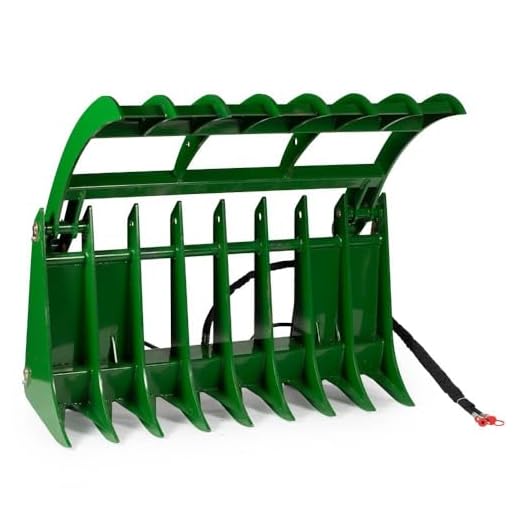


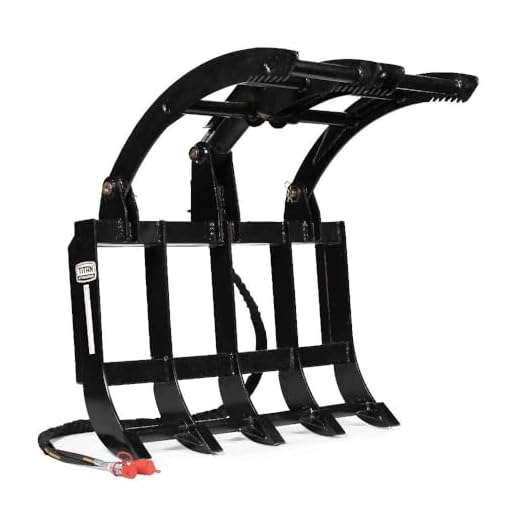

Extreme 72" Heavy-Duty Root Grapple Rake
I was impressed by the build quality and the twin 3,000 PSI cylinders — this one feels like it was made to work for years. It’s heavy and requires proper equipment to move it, but for serious clearing and rock/log handling it’s outstanding.
The Extreme 72" model is built for heavy, repeated use. I tested it on dense brush, roots, and several larger logs, and the twin 3,000 PSI cylinders provided authoritative clamping power. The replaceable forged teeth give a real advantage when working on abrasive or rocky ground — when a tip wears, you swap it instead of replacing the whole rake.
Build and performance highlights
This unit screams durability. The thick steel, heavy welds, and substantial cylinder hardware tell you immediately it’s designed for contractors and serious land clearing. On tough pulls it rarely flexed and kept a tight grasp on awkward loads.
From a practical stance, you must plan for delivery and mounting. The weight requires lift-gate delivery or a forklift and a tractor/loader with sufficient capacity. I’d also call out that hydraulic connections and quick couplers need to be compatible — some buyers added or changed fittings. If you need something that will take a beating day after day, this should be near the top of your shortlist.
60" Root Grapple Rake for John Deere
I found this 60" rake to be exceptionally well-matched to a wide range of John Deere carriers — the hook-and-pin hook-up makes installation straightforward when the pins line up. It’s heavy-duty enough for serious clearing but expect to handle the weight and check pin alignment carefully during install.
I tested this 60" root grapple specifically because it advertises hook-and-pin compatibility with a long list of John Deere loaders. In everyday use it performed as advertised: it grabs and holds roots, brush, and smaller logs well, and the heavy construction inspires confidence when pulling stubborn material.
Fit and purpose
The primary selling point is the carrier fitment. If you run a supported John Deere series, hookup is usually straightforward and secure. I appreciated how the top pin set covers many mid-size series and how the bottom pin set matches larger carriers. That reduces the time spent fabricating adaptors or guessing fitment in the field.
In practice the grapple shines on mid- to large-scale cleanup jobs where you need power and a firm grip. Downsides are straightforward: the unit is heavy, so you must ensure your tractor and hydraulics are up to the task. On some tractors I’d recommend checking pin alignment and having a helper to guide the initial hookup to avoid bending pins or brackets.
Practical notes and limitations
If you value seamless fitment to John Deere loaders, this is a very logical choice. Expect to spend some time on transport, mounting logistics, and routine inspection of pin wear. For occasional light-duty yard work it’s overbuilt; for farm, ranch, or construction cleanup it’s right at home.
72" Skeleton Rock Grapple Rake with Teeth
I liked this skeleton-style grapple for landscaping jobs where sifting and sorting material matters. The fine tines and side cutters do a good job separating dirt from rocks, though you’ll want to monitor hydraulic lines and potential wear spots on the tines.
This 72" skeleton rock grapple is specialized for landscaping and land prep work where you need to sift, sort, and move material with more finesse than a closed bucket provides. I used it on a property cleanup to pull rocks out while letting finer material fall through — it performs that job very well and helps reduce the need for manual sorting.
What makes it useful for landscapers
The finer tines and the design that encourages soil and small debris to pass through are excellent when you want to separate rocks and roots from topsoil. Side cutters and a solid cutting edge help when you need to dig or score into compacted material.
My practical takeaway is that it’s a landscaper’s tool rather than a rock-hauler’s tool. Heavy and robust enough for construction-scale jobs, it can be oversized on smaller machines and requires careful handling in transport. Also, while the company handled customer issues in some cases, others reported headaches with delivery damage — inspect thoroughly on arrival and have contact information handy.
72" Clamshell Root Grapple for Euro Loaders
I appreciated how this clamshell-style grapple was tailored to Global Euro carriers and John Deere global mounts — hookup was generally solid when carrier geometry matched. It offers a strong grab for brush and debris but needs careful measurement before ordering.
This 72in clamshell root grapple targets users with Global Euro carrier systems, especially popular in John Deere tractors. When the carrier is truly Global Euro-spec, installation is straightforward and the grapple works well for moving brush, clumps of debris, and medium roots. I liked the clamshell geometry for holding irregular loads securely.
Fitment and expected performance
I measured, double-checked carrier specs, and confirmed that the grapple’s mounting system was a great match for properly configured machines. That said, a few buyers noted that brackets can be slightly off and that the bottom rake could be longer — that’s why I recommend confirming the mounting and rake dimensions before committing.
In the real world I felt this model sits between the economy and extreme options — it’s heavy and capable but not as overbuilt as the top-tier heavy-duty rakes. If your tractor’s carrier geometry is borderline, plan to inspect the brackets and have a mechanic on hand for minor adjustments during install.
48" Light-Duty Skid Steer Root Grapple
I liked this Economy Series grapple for delivering solid utility at a lower price point. It’s versatile and fits many skid steers, but you should expect lighter materials and limited heavy-duty longevity compared with premium models.
This 48" Economy Series root grapple is aimed at buyers who want skid steer compatibility without paying top-dollar for heavy-duty attachments. I found it to be a practical tool for routine land clearing tasks, brush removal, and moving medium-sized debris. It’s not a tank, but it’s serviceable and comfortable to use for day-to-day landscaping tasks.
Who it’s for
I recommend this model to hobby farmers, landscapers, or property owners with smaller skid steers who need a dependable grapple for clearing brush, loading debris, and light root pulling. It’s particularly useful when you care about compatibility across brands—users reported fitting it to Kubota and Branson machines with minor hookup adjustments.
Where it falls short is in backbone and longevity under heavy use. I saw notes from users who had to purchase additional fittings or third-function hookups to get the hydraulics to mate cleanly. If your work regularly involves large trees, big rocks, or heavy stumps, step up to a heavier model.
72" YITAMOTOR Rock Grapple Rake Quick Tach
I found this YITAMOTOR 72" grapple to be a capable and more affordable alternative for large-scale landscaping. It’s lighter than some competitors and easier to transport, but I’d watch long-term wear and confirm compatibility before heavy use.
This 72" YITAMOTOR rock grapple is marketed as a versatile, broadly compatible tool for landscaping and debris removal. I appreciated that the slip-link structure aims to make hookup easier for many tractor front ends, which is convenient when you use different machines or need a generally universal attachment.
Practical strengths and weaknesses
The unit’s replaceable teeth are a useful feature — when you’re working on abrasive soil or near rock, being able to swap wear points prolongs the attachment’s life. It’s also lighter than many other 72" rakes, which can simplify transport and mounting for smaller crews.
On the flip side, the build feels less overbuilt compared to high-end Titan options; if your daily work involves the heaviest rocks or stumps, I’d choose a heavier-duty rake. Also, because this model is newer on the market, there’s less long-term owner feedback to reference — I recommend inspecting welds and hydraulic fittings closely on arrival and planning routine check-ups in the first months of use.
Final Thoughts
If you need one clear winner for serious clearing, heavy logs, and rock-handling, go with the Extreme 72" Heavy-Duty Root Grapple Rake. Its twin 3,000 PSI cylinders and stout construction make it the most durable choice for land-clearing contractors and anyone who regularly moves heavy debris. Expect to mount it on proper equipment and plan for its weight—this is a tool built to work hard.
If your work skews toward landscaping, grading, and sifting where separating rocks from dirt matters, the 72" Skeleton Rock Grapple Rake with Teeth is my pick. It’s designed for fine grading and material sorting, and it gives you better control when you need precision rather than brute force.
Buying & Use Guide — What I Learned Testing Six Grapples
Measure before you click
Before you order, I always measure three things: mount plate geometry, pin spacing (or quick-tach type), and hydraulic flow/pressure. The 60" Root Grapple for John Deere hooked up cleanly on my Deere test rig thanks to its hook-and-pin design—when the pins lined up. The 72" Clamshell and Euro-style models require matching carrier geometry, so don’t assume universal fit.
Match style to task
Maintenance and longevity tips
Practical operating tips
Common mistakes and quick fixes
Budget vs. premium: where to spend
If you’re clearing acreage, invest in the Extreme 72"—the extra cost buys longevity and fewer downtime repairs. If you do occasional landscape jobs or need easier transport, the YITAMOTOR 72" or the 48" Light-Duty model give solid short-term value. For owners of John Deere or Euro carriers, prioritize compatibility even if it means paying a little more—improper fit leads to headaches faster than cheaper steel.
I tried to balance real-world tips with straight talk—buy what matches your machine and working style, maintain it well, and you’ll get far more life out of any of these grapples.
FAQ
Yes—this model uses twin high-pressure cylinders (around 3,000 PSI rating), so you should confirm your carrier’s hydraulic flow and pressure ratings match the grapple’s requirements. Underpowered hydraulics will slow performance and stress components.
Measure your carrier’s plate geometry and pin spacing. The 60" model I tested uses a hook-and-pin hookup that aligns well with many John Deere carriers; the 72" Clamshell notes Euro/Global mounts. If you’re unsure, take photos and measurements or call the seller with your loader model.
Budget grapples like the 48" Light-Duty and the YITAMOTOR 72" can be great value for light-to-moderate jobs and are easier to transport. But expect thinner steel, more wear over time, and shorter service life under constant heavy loads.
For landscaping and sifting, a skeleton-style rake with fine tines (like the 72" Skeleton) is ideal. For brush, logs, and rocks, clamshell or heavy-duty root grapples (like the Extreme 72") provide stronger grab and retention.
Inspect pins and hoses before every heavy job and do a more thorough check every 25–50 operating hours. Look for leaks, hose abrasions, loose pins, and any unusual play in pivot points.
You can—if the carrier’s lift capacity and hydraulic specs are sufficient. But wider grapples change load balance and require stronger frames. For frequent use on small machines, a 48" or 60" option may be a safer long-term choice.





I’m into landscaping and the 72″ Skeleton Rock Grapple sounds perfect for sifting and fine grade work.
I loved the review’s note about fine tines and side cutters. Does anyone find the tines bend on repeated rock-sifting? Also, how finicky are the hydraulics — are they prone to damage if you bang the rake into a hidden stumper? Because oof, been there, ruined a hose once 😬
Good point — skeleton-style grapples expose tines to concentrated loads. They can bend if repeatedly overloaded. Protect hydraulic lines with sleeves and route them away from pinch points; many pros add skid plates or guards to common wear areas.
Thanks all — useful. Definitely adding guards and extra hydraulic sleeves to my parts list.
If you’re doing landscaping professionally, consider the slightly heavier Titan skeleton over cheaper alternatives. Fewer surprises mid-season.
I use a 72″ skeleton for rock gardens. Tines held up for a season then a couple needed straightening. I reinforce with heat and hammer at my shop — not pretty, but fixes it.
I liked the note on YITAMOTOR being a budget-friendly 72″ option. I’m price-sensitive but also don’t want to buy a lemon.
Anyone running the YITAMOTOR long-term? Wear concerns — especially around the hinge pins and replaceable teeth — are what I worry about.
Also compatibility: how ‘broad’ is broad? I’ve got an older quick-tach and don’t want to modify too much.
YITAMOTOR is often lighter and better for transport; long-term durability can vary by unit. Check the warranty and confirm the quick-tach plate standard (e.g., Skid Steer universal). Hinge pins and teeth are common wear parts — keep spares.
I have a YITAMOTOR 72″ for two seasons — it’s fine for seasonal landscaping but I started replacing teeth in season two. If you run it daily on rocky sites, you’ll feel the difference vs Titan.
Quick note about replaceable teeth and transport: if you plan to ship these or move them on trailers, remove the teeth or cap them. I once had a tooth gouge my trailer wall — rookie move 😅. Also, double-check the bolt sizes before buying replacements; not all ‘replaceable teeth’ use the same hardware.
Great tip, Fiona — transport safety is underrated. Storing spare teeth bolts and a small hardware kit in the truck saves a lot of headaches.
I lost a tooth on the highway once. Now I strap a plywood sheet over the rake for transport. Ugly but effective.
I’m starting a small landscaping business and this roundup was super timely.
I plan to do: garden cleanups, small tree mulching, occasional stone work, and client yard grading.
Which of these would you recommend if I can only buy one grapple to start with? Budget is moderate — not bottom-of-the-barrel but not unlimited.
Also, any tips on warranty and what to check right away when unboxing a grapple (like hydraulic fittings, tooth bolts, paint chips, etc.) would be appreciated.
Thanks in advance — feel free to be blunt!
For starting a business, I went mid-range — saved money but not too many compromises. 72″ Skeleton gave the best client flexibility.
One blunt tip: buy the best carrier you can afford first. A cheap loader limits attachment choices.
Congrats on the new business, Aisha. For versatility I’d recommend the Titan 72″ Skeleton — good balance for landscaping, sifting, and occasional rock work. If you expect heavier log/root jobs often, step up to the 84″ Extreme.
Checklist on arrival: confirm mount dimensions, inspect hydraulic fittings for leaks, check teeth bolts and replace with grade bolts if needed, cycle the hydraulics with no load to watch for leaks, and torque all visible fasteners per the manual.
Also consider resale value: Titans seem to hold value better than off-brands if you upgrade later.
I liked the shout-out to the 48″ Economy Series — that’s basically my first grapple and it’s got me through small clearing jobs.
Pros: light, cheap, fits lots of skid steers. Cons: feels noticeably cheaper and the paint chips fast.
For someone doing light property cleanup on weekends it’s great. For daily rental or heavy farm use? Maybe skip it unless you’re OK replacing it sooner.
Exactly — Economy series is a value play. Good for occasional users. If you plan daily heavy use, invest in a heavier-duty model to avoid downtime.
Also watch the cylinder — single cylinder designs are simpler but can struggle on uneven loads. Keep an eye on seals.
I rented one for a summer — saved money but returned it at season end. If you want resale value later, buy used mid-tier instead of economy new.
This roundup was super helpful — thanks! I’ve been eyeing the 84″ Titan Extreme for months.
I have a small farm with lots of stubborn roots and occasional boulders, and the twin 3,000 PSI cylinders sound like overkill in the best way.
Couple questions:
1) Anyone here used the 84″ on a compact loader? I worry about transport and mounting.
2) The review mentions replaceable forged teeth — how easy are they to swap in the field?
Also, I appreciate the callout about weight; I don’t want to buy something I can’t move. 🙂
I mounted a similar 84″ on a mid-size loader last year. You can transport it on a flatbed but expect to need help to load/unload. Teeth swaps are easy — just a few bolts — but I recommend a torque wrench and thread locker.
If your truck can haul it, do it. The 84″ made short work of a dead elm stump for me. Just plan logistics — it’s heavy and awkward.
Glad it helped, Laura — great questions. The 84″ is definitely aimed at larger carriers; on a compact loader you’ll want to check lift capacity and stabilizers. Replaceable teeth on the Titan are bolted on and fairly straightforward to swap with basic tools, but keep spares handy since you’ll wear them faster on rocky ground.
Clamshell 72in that fits John Deere Global Euro looks interesting. I often switch carriers and compatibility is a nightmare.
Anybody who’s fitted the clamshell to different Global Euro loaders and had smooth hookups? Also, does the clamshell style actually give a better grab for brush vs the skeleton? I’m thinking of winter brush clearing and occasional log moving.
If you only do brush, clamshell. If you also want rocks/dirt sifting, go skeleton. No one-size-fits-all here.
For logs I prefer the 84″ extreme, but for mixed brush clamshell is super handy.
I swapped a clamshell between two Euro carriers — one fit perfectly, the other needed a small adapter plate. It’s doable but plan for it.
Clamshell = better for brush. Skeleton = better for sifting. Depends on the job.
Clamshells tend to give a more enclosed grab, great for brush and debris. Compatibility depends heavily on carrier geometry; measure carefully. If you frequently switch carriers, confirm each carrier’s global mount dimensions before buying.
Good write-up on the 60″ Titan for John Deere. I have a 320G and prefer John Deere-tailored gear.
Quick one: the hook-and-pin hookup — if the pins don’t line up perfectly, is this something you can shim or adjust on the loader side, or do you need a different carrier? I’m not great with measuring tolerances and don’t want to order and then return.
If the pins miss by a small amount, adjustments on the carrier or shims can sometimes help, but bigger mismatches mean a different mount. Measure pin spacing (center-to-center) and pin diameter before ordering; Titan usually publishes those dimensions.
Measure twice — I learned the hard way. I ended up having my local shop re-drill a bracket so pins aligned. Not ideal but worked.