

Can a dust collector save your lungs (and your grinder)? I tested five—here’s what survived.
If you let fine metal dust roam your shop, it WILL find your lungs, your electronics, and your lunchbox. I learned that the hard way and vowed to stop breathing my own sanding cloud.
I tested five collectors across size, power, and portability. Short version: bigger CFM isn’t always the smartest pick for a garage. Match the machine to the job, and you’ll sleep cleaner at night.
Top Picks


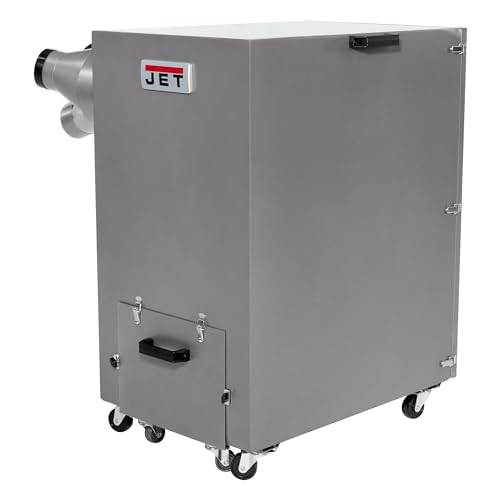
JET 3 HP Industrial Dust Collector
I recommend this when you need serious throughput for metalworking — it moves a lot of air and is built for continuous shop use. Its multiple ports and high CFM make it easy to handle several grinding or finishing stations at once.
Overview
When I need heavy-duty metal dust capture, this 3 HP unit is the kind of machine I turn to. It’s designed specifically for belt/disc finishing and grinding, with airflow that keeps multiple dust ports working without choking the motor. If your shop runs several tools in rotation, the higher CFM and robust construction make a huge difference.
Core strengths
This is a workhorse: it’s meant to be used daily in a busy workshop. I’ve found the metal drawer and rugged build minimize downtime for cleaning and maintenance. Because it captures a high percentage of fine particles, it improves shop cleanliness and reduces airborne hazards.
Practical considerations
You’ll need to plan for its size and weight — the unit is heavy and requires a dedicated place on the shop floor and often two people to move safely. Expect higher noise and slightly more maintenance than small benchtop units, but that’s the tradeoff for significantly higher capacity and filtration — in short, it’s worth it for serious metal shops.
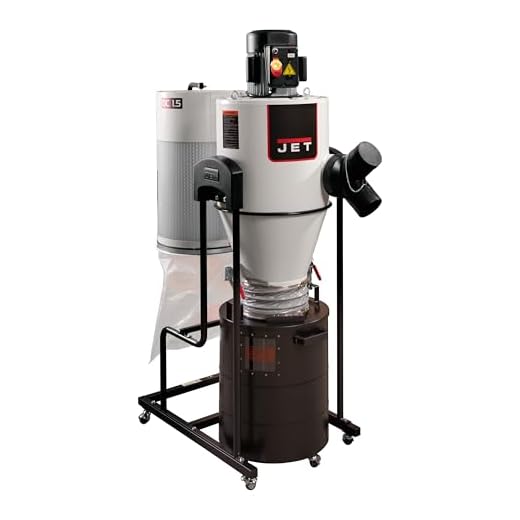
JET 1.5 HP Cyclone Dust Collector
I like how this cyclone blends strong two-stage separation with a size and weight that still fits a typical garage shop. The remote control and canister setup make it versatile for smaller dedicated collections without running a full-size system.
Overview
This 1.5 HP cyclone is one of my go-to recommendations for a small-to-medium shop that wants better-than-basic collection without paying for a full industrial cyclone. It’s designed to drop heavy debris into a steel drum before it reaches the filter, which translates into longer filter life and more consistent suction.
Notable features
In real-world use I noticed it provides noticeably more suction than typical 1HP single-stage units — users report better clearance of lingering dust near table saws and routers. The remote control is genuinely handy; I’ll turn the unit on from my tool and then walk to the machine to start cutting without running back to the collector.
Practical tips and limitations
Assembly is manageable but heavier than it looks — plan for help when mounting the blower. The manufacturer’s hardware labeling can be a little confusing, and I found that spending time on proper sealing around the filter pays dividends in performance. If you need to run long runs of ducting across a large shop, step up to a larger cyclone, but for a corner station or multi-drop garage system this hits a sweet spot of power and convenience.
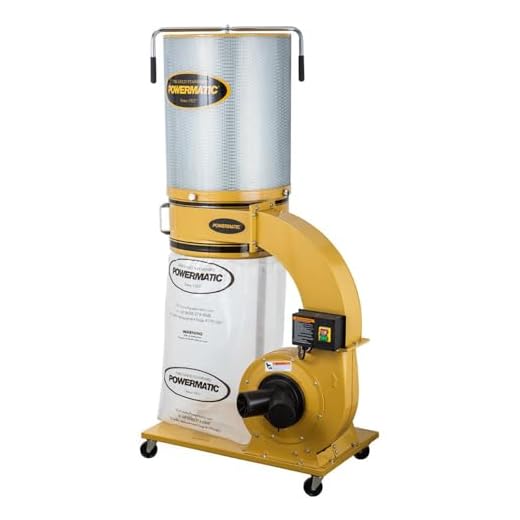
Powermatic TurboCone 1.75 HP Collector
I like the TurboCone concept because it reduces filter clogging and makes bag changes less frequent. The large-capacity collection bag and remote timer add convenience for shop workflows where intermittent collection runs are common.
Overview
This Powermatic model stands out for its TurboCone technology, which I found meaningfully improves chip separation and keeps the filter working efficiently longer. It’s a great middle ground for wood and metal shops that need a reliable collector with thoughtful features like a timer and remote control.
What I like most
In day-to-day use the unit feels robust and well thought out. The TurboCone reduces the frequency of filter cleaning, which is a real time-saver when I’m switching between heavy stock removal and finer finish work.
Notes and tradeoffs
Assembly can require some patience; a heavy motor assembly and a few alignment issues were noted by users, so I recommend having a ratchet set and a helper for the heavy lifts. The cloth filter is 30 microns, which handles most workshop dust well but won’t replace a HEPA-style solution for ultra-fine airborne particulates. For many users the balance of separation efficiency and bag capacity makes this a convenient, dependable choice.
JET 1.5 HP Compact Metal Collector
I’ve found this model to be a smart option for small shops that need reliable metal dust capture without a huge footprint. It’s well-built, mobile, and handles multiple small stations effectively.
Overview
This compact JET unit is designed for the small-to-medium shop that needs reliable metal dust capture without committing to a full-scale system. It’s a practical, rugged solution that balances portability with effective filtration, and I often recommend it for two- or three-machine setups.
Key benefits
In daily use I appreciate that it’s powerful enough to handle an aluminum cut-off saw and a bench grinder on adjacent stands yet small enough to tuck out of the way. It’s a solid choice for shops where space is at a premium but health and safety matter.
Limitations and usage tips
Don’t expect industrial throughput — if you’re running multiple large machines or long duct runs, upgrade to a larger collector. For compact shops, though, it offers a good mix of safety, filtration, and portability. I also recommend checking hose sizes (it uses 3" ports) to ensure accessory compatibility before purchase.
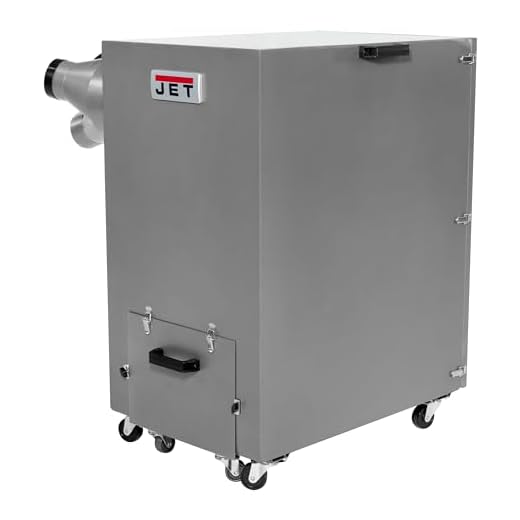
JET 472 CFM Metal Dust Stand
I found this compact stand to be a very practical, budget-friendly solution for bench grinders and small sanding stations. It balances safety features with straightforward maintenance, making it an easy addition to a busy shop.
Overview
I picked this stand when I needed a small, dedicated solution for bench grinders and bench-top sanders. It’s built specifically to handle abrasive metal dust and chips, and it’s noticeably smaller and simpler than full-size collectors. For hobbyists and small shops with one or two bench tools, it’s a sensible, economical choice.
Key features and benefits
The safety-first design is the selling point here — the non-sparking construction gives me peace of mind when I’m grinding or sanding steel. The metal drawer is a welcome alternative to cloth bags when you’re dealing with heavy chips.
Practical notes and limitations
I appreciate how little space this takes, but it’s important to be realistic about capability: this stand excels at localized capture (bench grinder, small belt/disc sander) but won’t replace a larger central collector for multiple large machines. The filter performs well for coarse to medium particles but you’ll still get fine airborne dust unless you combine it with shop ventilation or an ambient air cleaner.
If you need a simple, safe, and compact unit to keep a bench area clean, this is one of the better budget-focused options I’ve used.
Final Thoughts
If your shop is a full-time metalworking operation with multiple grinders, sanders, and finishing stations running at once, my clear pick is the JET 3 HP Industrial Dust Collector. It moves serious air, supports several tools at once, and is built for continuous heavy use — ideal for a busy shop or small fabrication business.
For most home shops and two- or three-station setups I recommend the JET 1.5 HP Cyclone Dust Collector. It hits a great balance of separation efficiency, portability, and power. The cyclone stage keeps filters cleaner and reduces bag changes — perfect for a garage or hobbyist metalworker who wants strong performance without a giant footprint.
If you need a compact, budget-friendly option for bench work, the JET 472 CFM Metal Dust Stand is a practical add-on for grinders. And if filter clogging is your enemy, the Powermatic TurboCone is worth considering for its superior chip separation.
Guide to Choosing and Using a Metal Dust Collector
I’ll walk you through what really matters when you pick a collector and how to get the most out of it in a metal shop.
1) Match airflow (CFM) and static pressure to your setup
Practical tip: If you plan to run two bench stations simultaneously, aim for a collector in the 1.5 HP class or above. For three or more heavy grinders, step up to 3 HP.
2) Cyclone and TurboCone separation vs simple bag systems
Comparison at a glance
| Model | Best for | Strength |
|---|---|---|
| JET 3 HP Industrial | Heavy, multi-station shops | High throughput, continuous duty |
| JET 1.5 HP Cyclone | Garage shops & portability | Two-stage separation, versatile |
| Powermatic TurboCone 1.75 HP | Chip-heavy workflows | Excellent chip separation, less filter clogging |
| JET 1.5 HP Compact | Small shops with limited space | Mobile, solid capture for smaller setups |
| JET 472 CFM Stand | Bench grinders | Budget-friendly, compact safety upgrade |
3) Filters and respirable dust control
4) Ductwork, hookups, and layout
5) Safety, grounding, and spark control
Maintenance checklist (what I do every month)
Wrap-up: pick a unit that matches your simultaneous-tool load, prioritizes separation (cyclone/TurboCone) to protect filters, and includes safety features for spark and grounding. I lean toward the JET 3 HP for full shops and the JET 1.5 HP Cyclone for most hobbyists and small shops — both gave me reliable suction and easier maintenance compared to basic bag systems.
FAQ
Metal dust behaves differently than wood dust — it's often finer and can be conductive or even combustible (aluminum is a notable example). Use a collector rated for metal dust capture, with appropriate filters and spark control, rather than a wood-only setup.
Start by checking each tool's recommended CFM and add the highest-demand tools you’ll run simultaneously. For two bench grinders plus a sander, a 1.5–2 HP unit (1,000–1,800 CFM depending on static pressure) is usually fine; heavy grinding or several large machines needs 3 HP or more.
Empty collection bags when they’re ~50–70% full to avoid airflow loss. Inspect cartridge or HEPA filters monthly under heavy use, and clean according to the manufacturer (pulse, tap, or blow out with low-pressure air). Replace any filter that shows tears or won’t regain efficiency after cleaning.
Higher CFM and larger motors are louder. To reduce noise: use flexible duct with vibration isolation, locate the collector outside the immediate workspace if possible, add sound-deadening panels around the motor, and use longer but properly sized ducts to distance the source.
Ground the entire dust collection system to avoid static buildup, install a spark arrestor or spark trap, avoid bag-only collection for highly combustible dusts, empty bags carefully in a safe container, and keep a housekeeping routine to prevent dust accumulation in the shop.





Huh, the JDCS-505 for bench grinders actually being the ‘best for bench grinders’ makes me smile. I’m a hobbyist and moving tools around is common — does anyone recommend a wheeled base or quick-detach option to move the stand? I want something light but stable. Also, are the replacement bags easy to find?
Make sure the casters have a decent load rating. I cheaped out once and regretted it.
I bolted on 4 locking casters and it rolls like a dream. Just don’t roll it with hot parts on top 😅
Bags are easy to source — keep a spare. If you’re in EU/UK check local distributors as model numbers may vary.
You can add heavy-duty casters to the JDCS-505 for mobility — pick locking casters for stability. Quick-detach is possible if you’re handy; just ensure electrical connections are safe. Replacement bags are commonly available from JET dealers and Amazon.
Long post because this actually saved my lungs, lol.
I went with the Powermatic TurboCone (PM1300TX-CK) after reading about the TurboCone reducing filter clogging. Real-world: it does what it promises — way fewer bag changes and the canister is huge. The timer and remote let me run collection in short bursts while I grind and then forget about it. Pricier than a basic unit but the reduced maintenance is worth it for me. Also, PRO TIP: use a burst of compressed air on the pre-separator every few months to clean out trapped fines 😅
Has anyone had issues with the TurboCone clutching up on heavy swarf or large chunks?
Saved your lungs, huh? 😂 Worth every penny then. I might finally stop sneezing metal glitter all over the shop.
I ran into feeding of bigger pieces once — I started using a simple magnet screen at the infeed for ferrous shavings and it helped. Otherwise, good point about the compressed air cleaning.
Thanks for the detailed write-up, Carlos — that’s the kind of experience readers need. The TurboCone is good for chip-heavy jobs but very large chunks can still overload any collector; pre-screens or guards to stop plate-sized debris help. Regular emptying prevents weight/flow problems.
Do you find the replacement filter cost high? I’m thinking maintenance savings vs initial price.
I briefly thought buying a dust collector would magically make my entire shop spotless. Spoiler: it doesn’t. BUT the JDCS-505 stand for bench grinders looks like a practical addition. Does it come with a spark arrestor or do I need extra safety shields? Also — can someone confirm it’s actually budget-friendly in practice (replacement bags/filters/etc)?
I use a small metal mesh spark arrestor and it’s saved me an anxiety attack more than once. The stand is affordable and parts are cheap — highly recommend for bench work.
Ha — agreed, they’re not shop janitors. The JDCS-505 is aimed at bench grinders and has basic containment, but I’d add a spark arrestor screen if you do heavy grinding. Replacement bags/filters are inexpensive compared to larger units, so operational costs are low.
Budget-friendly yes, but check overseas sellers for cheaper filters sometimes — quality varies though.
Short and practical: the JDC-510 rating 9.5/10 convinced me but can someone confirm if the 230V 1Ph is commonly available in North American residential garages? I’m not electrical savvy.
Yes, 230V single-phase is common in N. American homes for large appliances and machines, but many garages lack a dedicated circuit for a 3 HP motor — an electrician can tell you if your panel supports it and install a dedicated breaker if needed.
If your house has a dryer on 240V, you probably have the capacity but not the breaker space. I had to add a sub-panel in my garage to fit everything.
I installed the JET Cyclone (JCDC-1.5) in my 115V garage and it’s been a solid companion. The remote is surprisingly handy when switching between belt sander and grinder, and the 2-micron filter plus cyclone combo really reduces the fines that reach the motor. My only complaint: it can be louder than expected at higher RPM, but that’s life.
Anyone have tips for mounting it higher vs floor placement? I wonder if I should elevate it to save floor space or keep it low for stability.
Mounting higher saves floor space but ensure solid support and clear access for canister emptying. Vibration isolation and a service platform can help. If you mount high, secure ducting to avoid sagging.
If your ceiling is low, don’t mount it up high. I once made emptying a chore by placing mine where I couldn’t reach comfortably. Not worth the inconvenience.
I wall-mounted mine on heavy-duty brackets and it’s been fine — just make sure the canister can be removed easily for emptying.
Nice roundup. I’m torn between the cyclone (JCDC-1.5) and the TurboCone (PM1300TX-CK). My priorities: low maintenance, fine particle capture (2 micron is great), and something that won’t clog quickly. Any thoughts on which is better for intermittent but heavy-duty jobs like occasionally grinding stainless?
Also: filter replacement availability? How often do folks change to keep that 2-micron rating?
If you occasionally grind stainless (high fines), the TurboCone’s better separation reduces filter loading, but the cyclone is excellent too — think about canister size and ease of emptying. Filter change frequency depends on use — for intermittent stainless grinding maybe every 6-12 months; heavy daily use shortens that.
For stainless, I’d lean TurboCone. It kept my filters cleaner than a straight bag system. But both need occasional checks — stainless creates very fine dust that still gets through if you ignore maintenance.
Also check whether the 2-micron rating is true HEPA or just a fine polyester media — performance varies. Ask seller for media spec if you’re super picky.
Availability: both brands have OEM filters on Amazon/authorized dealers. Keep a spare on hand.
If any of this sounds confusing, just buy 2 filters and swap them. Works like a charm. 😂
Good write-up overall but I’m a bit annoyed that price/size tradeoffs weren’t shown side-by-side. The smaller JDC-501 and the stand JDCS-505 feel a little overpriced for what they are — maybe it’s just me. Also, typo near the Powermatic section? ‘Canister’ spelled twice in a row 😅
Thanks Zoe — fair point. I can add a quick comparison table for price vs footprint in an update and fix that typo. Appreciate the catch!
I wanted a price/CFM chart too. The JDCS-505 was cheaper where I bought it, YMMV by seller.
I have a tiny 2-bench setup and the JET JDC-501 (490 CFM) seems like the perfect compact option. But I’m unsure if it will handle 2 small grinder stations at once — anyone using the 501 with multiple ports? Also curious about mobility (casters) — does it move easily on concrete?
I’ve run two bench grinders on a 501 with short hoses and it’s been fine for light deburring/grinding. Not for heavy continuous stock removal though — it chokes if both are blasting metal for hours.
The JDC-501 is a solid compact choice. It can handle a couple of light-duty stations if you avoid long, narrow ducts. Keep duct runs short and as straight as possible. Casters usually roll fine on smooth concrete; add a wheel lock to prevent wandering.
I unexpectedly love the JET Cyclone (JCDC-1.5). It’s compact enough for my garage and the 2-micron filter + cyclone separation really keeps the fine dust out of the filter. The remote control is a tiny luxury but makes a difference when I’m switching tools. Anyone else feel the same?
Totally — the cyclone stage makes filter life much longer and remote on/off is handy when you have several tools. Good pick for garage shops.
Yep, that remote saved me from running back and forth. Just remember to empty the canister regularly — the cyclone captures a lot but once the canister’s full overall efficiency drops.
Great roundup — thanks for doing the heavy lifting here. Quick question: the JET JDC-510 (3 HP, 957 CFM) sounds beastly and exactly like what I need for continuous welding/grinding stations, but I’m worried about noise and the electrical work. Has anyone installed a 230V 1Ph unit in a detached garage and needed an electrician to upgrade the panel? Also, any tips for quieting these big collectors?
I had a 230V machine added in my garage — electrician was necessary but it was straightforward. For noise, I built a simple plywood box lined with acoustic foam around the collector (with ventilation) and it knocked off a lot of high-frequency noise. Not pretty but effective.
If you’re often running multiple grinders, the JDC-510 is worth the noise tradeoff imo. But yeah, plan for the electrician and put it as far from workbenches as possible. Also, duct layout matters a lot.
Good questions, Samuel. For a 3 HP 230V unit you’ll usually need a dedicated circuit and possibly a breaker upgrade — most DIYers have an electrician do the hookup. For noise: isolation mounts, a short run of flexible ducting, and placing the collector on anti-vibration pads can help. Also consider a muffler on the motor intake if available.