


Which 48-inch mower will make your lawn the envy of the neighborhood—or at least stop you from cursing at dandelions?
Lawn envy starts here. I’ve stood behind more tractors than I care to admit, squinting at patchy turf and thinking, there has to be a better way.
Top Picks

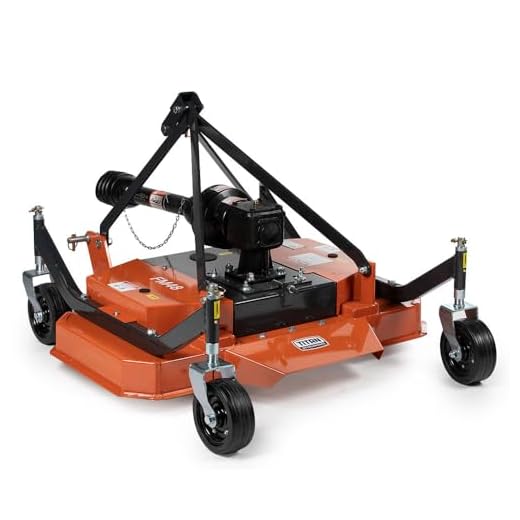

MechMaxx 48" 4-Tire Finish Mower
I appreciate the four solid tires and the extended 0.4"–4.5" height range, which make it better suited for slightly tougher grass and variable terrain. The claimed ability to cut up to 0.75" diameter material makes it versatile beyond fine finishing.
Overview
I recommend this model if you need a finish mower that can handle tougher patches and occasional heavy growth. It’s sized for 18–50 HP tractors and emphasizes durability and ground-following through a four-wheel/tire support system and robust blades.
Key features
What I like and limitations
The wider height range and heavier-duty blade package make this mower more versatile when you encounter thicker grass, small saplings, or rougher paddock edges. I also like the four-tire support — it helps keep the deck level and makes moving the attachment easier. On the downside, it’s not lightweight and will demand a tractor with adequate lift and PTO power, and the price is toward the upper end for this class.
Practical tips and closing thoughts
I’d pick this mower when you routinely encounter mixed conditions — from refined lawns to harder-to-manage growth. My advice: verify your tractor’s lift rating and PTO compatibility, keep spare blades that match the vendor’s part numbers, and use the floating hitch to your advantage on uneven ground. In my view, it’s a capable, well-rounded choice if you need a finish mower that leans toward durability and versatility.
Titan 48" Rear-Mount Finish Mower
I found it solidly built with a quiet cast-iron gearbox and a floating hitch that follows ground contours. The rear discharge and heat-treated blades produce a clean finish for well-maintained turf.
Overview
I like this unit for homeowners and small-farm operators who want a quiet, reliable finish mower that hooks to a Category 1 three-point hitch. It’s designed primarily for 18–30 HP tractors and focuses on delivering a clean, low-profile cut with rear discharge so clippings are spread behind the deck rather than tossed to the side.
Key features
What I like and limitations
I appreciate the attention to noise reduction — the cast iron gearbox makes operation feel solid and less intrusive when you’re mowing close to buildings or neighbors. The floating hitch and 0.4"–3.2" height range help produce a polished finish on lawns and fine turf. On the flip side, the narrower recommended tractor HP range (18–30 HP) means it’s not the best choice if you have a much smaller or much larger tractor, and at roughly 430 pounds the unit requires a properly rated tractor and safe handling during hookup.
Practical tips and who it’s for
I recommend this mower if you want a dependable rear-discharge finish mower that’s built to last and you own a mid-range utility tractor. For best results:
Overall, I see this as a solid value-minded option for clean, quiet finishing work.
BILT HARD 48" 4-Wheel Finish Mower
I like the wide 0.4"–4" cutting range and the 4-wheel layout that makes moving and contour-following easier. The cast iron gearbox and one-piece deck lend confidence for regular, heavier use.
Overview
I find this mower a solid pick for operators who want flexibility across property types. With a universal Category 1 hitch and compatibility spanning 15–45 HP tractors, it covers a large slice of common utility tractors and lawn tractors while offering a robust one-piece deck.
Key features
What I like and limitations
The broad height adjustment is a real advantage when you switch between finely maintained turf and taller seasonal growth. The four-wheel design helps when transporting the mower and keeps the deck stable over uneven ground. That said, the unit is on the heavier side and costs more than very basic finish mowers, so you’ll want to factor in the tractor capacity and budget. Also, rear-discharge models aren’t ideal if you need built-in mulching.
Practical advice
If you’re mowing a mix of maintained lawn and rougher patches, I’d pick this for its flexibility. I suggest checking your tractor’s lift and hitch specs before ordering, and keeping spare blades on hand since the hardened steel blades are the part that wears most quickly. For properties that need mulching, consider an additional mulching kit or plan to rake clippings in high-detail areas.
Final Thoughts
If you want one clear answer, pick the MechMaxx 48" 4-Tire Finish Mower as the overall best pick. Its four solid tires, broad 0.4"–4.5" height range, and ability to handle up to 0.75" diameter material make it the most versatile for thicker grass, slightly rough or uneven terrain, and jobs that sometimes stray beyond a pure finish cut.
If your property is primarily well-kept turf and you care about a quiet, clean cut, the Titan 48" Rear-Mount Finish Mower is the second pick. Its cast-iron gearbox, floating hitch, and rear discharge deliver a refined finish with lower noise—ideal for small estate lawns, HOA-friendly properties, and anyone who values a tidy look and less racket.
Practical Guide: Buying, Using, and Caring for a 48-inch 3-Point PTO Finish Mower
What to prioritize when buying
I always start by matching the mower to the turf and terrain. If your lawn has mixed grass, thicker patches, or gentle bumps, favor a model with wider height range and robust wheels (MechMaxx and BILT HARD fit this profile). If your lawn is pristine and you want the quietest, cleanest cut, pick the Titan with its rear-discharge design and cast-iron gearbox.
Key features checklist:
Real-use tips and tricks
I sharpen blades before peak season and keep a small trimming pass for edges after the main cut. For a truly professional finish:
Maintenance schedule (simple and realistic)
Treat the mower like a small engine: a 30-minute monthly check keeps most problems away. My go-to routine:
Matching models to use cases
Common mistakes to avoid
FAQ
Most 48" 3-point PTO finish mowers are designed for a standard 540 RPM PTO. Check your tractor's manual, but if your tractor has a 540-RPM PTO you're likely good to go. Don’t force a mismatch—gearbox and blade life depend on the correct speed.
I sharpen blades every 20–40 hours of use for a crisp finish, depending on debris and wear. Replace blades if they’re bent, cracked, or have lost more than 1/4" of material at the edge. Keep blades balanced after sharpening to avoid vibration damage.
Yes—especially the MechMaxx and BILT HARD with four-wheel designs that help follow contours. The Titan’s floating hitch also tracks ground variation well. Avoid very steep slopes and large rocks; finish mowers are for turf, not rock gardens.
Grease all zerks at the start of the season, check gearbox oil level, inspect belts and blades, and clear clippings from under the deck after use. A quick visual inspection before each job prevents small issues from becoming big repairs.
Neither is universally better—it’s about use. Rear discharge (like the Titan) gives a cleaner, more even discharge path and often a quieter operation; side discharge can fling clippings farther and may be simpler on some tractors. Choose based on your finish preferences and yard layout.

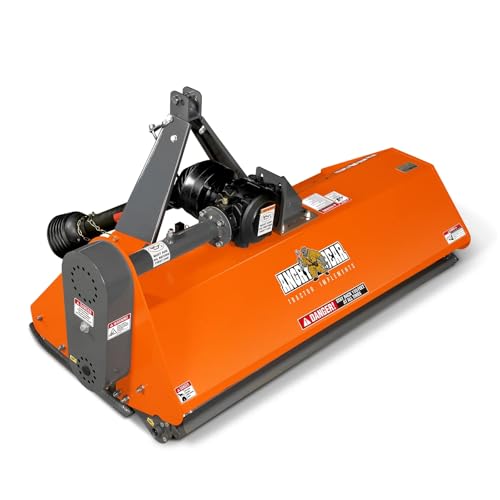







Nice comparison. I’m leaning toward the Titan Attachments mower because of the low-noise cast-iron gearbox and rear discharge. For a well-kept lawn, rear discharge + heat-treated blades = cleaner finish, right?
I’m picky about sound levels (neighbors complain), so the ‘low-noise’ badge sold me a bit. Anyone compared the Titan’s finish side-by-side with the BILT HARD? I’m curious whether the extra ‘floating hitch’ really makes a visible difference on mildly undulating yards.
I had both mowers (rented the BILT, bought the Titan). Titan was noticeably quieter and looked better on my front yard. BILT handled tougher spots better though — it felt heavier and more durable. So depends on whether you’re after silence/finish or robustness.
You’re correct that rear discharge and heat-treated blades usually give a neater cut on manicured turf. The Titan’s cast-iron gearbox helps reduce vibration/noise.
Comparatively, the BILT HARD’s 4-wheel design and one-piece deck can follow contours well, but the Titan’s floating hitch is more forgiving on small bumps, yielding a slightly more uniform finish on undulating lawns. If low noise and a pristine lawn look are priorities, Titan is a strong pick.
Floating hitch = less scalping on ridges. I wouldn’t say it’s night and day, but on slopes it helps. If your yard is just mildly undulating, Titan should be plenty.
I’m looking at these for an 18 HP compact tractor. All three models list overlaps in horsepower — Titan says 18–30HP, MechMaxx 18–50, BILT 15–45. For a small acreage with a mix of lawn and some thicker patches, which would you actually recommend for an 18HP tractor? I’m worried about underpowering the mower on thicker stuff.
Also, does rear discharge pose any issues if I have a small garden patch nearby (like clippings blowing into it)?
I’d go MechMaxx if you expect to occasionally do thicker patches. If mostly lawn, Titan for finish. Also, keep an eye on tractor PTO torque — 18 HP is fine but don’t try continuous heavy brush work.
At 18 HP, any of the three can work but expectations differ: Titan is tuned for cleaner turf and lower RPM noise — best for lawns. MechMaxx has the broadest HP range and tougher tires — better if you occasionally tackle thicker growth. BILT HARD is a middle ground — durable and versatile.
For gardens, rear discharge can blow clippings into beds; consider a rear deflector or mow around sensitive areas. Also, slower passes on thick patches and not overloading the PTO will protect your tractor.
I appreciate the roundup but a heads-up: I bought a 48″ finish mower (not the exact models here but similar spec) and the adjustable cutting height mechanism was the first to act up after a season — the pins wore and it would drop a bit unevenly. The BILT HARD’s 0.4″–4″ range is great on paper, but build quality matters.
Has anyone had long-term issues with the height adjustment or the gearbox on these 48″ units? I’m not trying to be negative, just want realistic expectations (and maybe a list of parts to keep on hand).
Same here. After 2 seasons, replaced a couple of lower links and a height-pin. Kept the mower in pretty good shape otherwise. If you buy new, check warranty on linkage parts — some sellers are better than others.
I swapped to greasable pins on my 48″ deck and it made a big difference. Also a thin plate between the pin and adjustment hole reduced wear. Not hard to DIY and cheap parts.
Good point, Sophia. Height adjusters and pins are common wear points — it’s smart to keep spare pins, bushings, and grease fittings on hand. The cast-iron gearbox (on Titan and BILT) is generally durable but check for proper oil level and any play in the input/output shafts annually.
If you expect rough use, inspect the lift links and adjuster plates regularly; some owners replace standard pins with higher-grade hardware if they work the machine hard.
Also check for deck alignment and bent plates after hitting hidden stumps — that’s often the root cause of uneven heights. Regular inspection prevents escalation.
Ha! “Best for thicker grass and uneven ground” basically describes my lawn (and my procrastination schedule). The MechMaxx seems like it was built for people like me.
Two quick thoughts:
1) Does anyone else find the 4-tire layout makes transporting the deck easier? I kind of love not wrestling it around.
2) If it claims 0.75″ diameter cuts — is that sudden confidence or actual performance? 😅
The 4-wheel design does make maneuvering a lot simpler — you can roll the deck around for storage and it tracks better on uneven ground. The 0.75″ diameter capability is realistic for short runs of woody material or thick stalks, but don’t expect tree-trimming performance. Use slower PTO speed and keep blades sharp.
Also remember proper blade strike procedures: stop the PTO and inspect after hard impacts — that protects the gearbox and blades.
Agreed on the wheels — huge QoL upgrade when moving the deck by hand. My neighbor once used his to clear an overgrown area with lots of stalks and it did fine, but we avoided anything that looked like a small sapling.
I once tried to mow a patch of volunteer saplings. The mower ‘maybe’ handled it once. My wallet did not forgive me for the gearbox inspection afterwards. 😆
Great roundup. I’m particularly interested in the Titan since quiet operation is a must in my neighborhood. Two quick questions: are spare blades for these models easy to source (universal sizes vs proprietary)? And is the cast iron gearbox on the Titan user-serviceable if it needs repairs years down the line?
Also — small thing — anyone have a tip for preventing clumping with rear discharge? My last mower left messy rows.
I replaced blades on a Titan-style mower from a local parts place — no issue. Re: clumping, make sure you aren’t cutting wet grass; that causes clumps even with good decks.
Blades for these common 48″ decks are generally standard-profile and easy to source aftermarket — check length and center hole specs but many suppliers carry compatible blades. Cast-iron gearboxes are usually serviceable (seals, bearings, gears) but might require shop tools; they’re more repairable than stamped-gearbox units.
For clumping with rear discharge, try slightly higher cutting height, slower ground speed, and ensure blades are sharp and the deck is clean underneath. A rear deflector can also help spread clippings.
One more: periodically clean the deck underside. Built-up residue reduces airflow and increases clumping.
Thanks for this roundup — very helpful! The MechMaxx sounds like exactly what I need for my slightly hilly property. I love that it has four tires and an adjustable height down to 0.4″. Quick question: I run a 30 HP tractor — will I need anything special for hookup (PTO shaft length, driveline guards, etc.) or is that pretty standard? Also curious if anyone has tested the 0.75″ material claim in real conditions — seems ambitious.
I run a 32 HP tractor with a MechMaxx clone — had to shorten the driveline about 3″ and add a quick-disconnect shield. Nothing crazy, but do verify the spline series (usually 1-3/8″ 6-spline for these). The 0.75″ is doable but go slow and don’t expect long-term heavy brush cutting.
Glad it helped, Emily. For a 30 HP tractor you’re well within the MechMaxx’s range (18–50 HP). PTO shaft length can vary by tractor model — measure from the tractor’s PTO spline to the mower input and compare to the mower’s spec. A driveline guard is a good safety add-on if yours isn’t already fitted. The 0.75″ claim typically refers to occasional tougher stalks or small brush rather than regular saplings; expect good performance on thick grass and light woody material.