
I Picked the 3 Best 20 Inch Disc Grinders & Accessories on Amazon


Which 20″ monster will eat your welds — and which one will leave your table smooth? I tried them so you don’t have to.
Big sanders mean serious results. I once watched a 20″ disc take a rusty bracket from rough to ready in under a minute — and I laughed at how fast it happened. Short jobs turn short, and heavy jobs stop feeling impossible.
I sifted through heavy hitters, workbench favorites, and the discs you actually need to get the job done. Expect power, table tilt, and abrasive matches — with a few surprises (and a little shop humor) along the way.
Top Picks


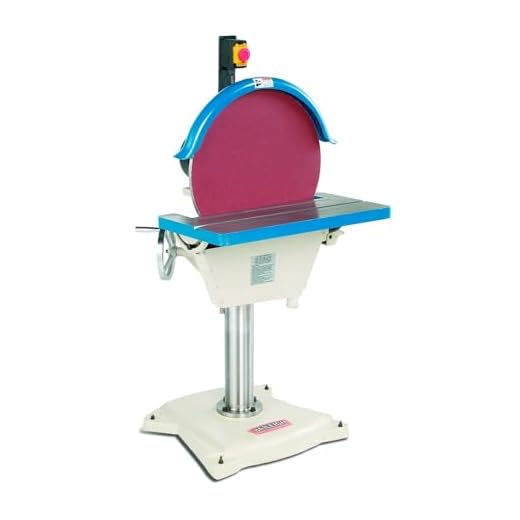



Powermatic DS20 20" Disc Sander
A seriously built, heavy-duty 20" disc sander designed for pro shops and demanding users. It offers direct-drive efficiency, a quick-acting brake, and a large, tilting work table for accurate, repeatable sanding.
Overview
I consider the Powermatic DS20 a top-tier 20" disc sander for serious woodworkers and production shops. It’s built like an industrial machine: a direct-drive motor, a large sanding face, and a robust cast-iron frame. The hand-activated brake is a thoughtful safety feature that reduces downtime between jobs.
Key features I rely on
When using this sander I noticed how smooth and even the sanding action is — it behaves like a precision tool rather than a bench-mounted brute. Users who need repeatable angles and large surface sanding will appreciate the trunnions and table adjustments. A practical tip: check table squareness and inspect castings on arrival, as some owners reported shipping damage or alignment issues that required adjustment.
Caveats and shop considerations
If you’re equipping a shop, make room and plan for proper electrical service: this model is heavy and typically needs a dedicated 230V circuit. It’s not cheap, but if you want a reliable, long-lived machine that minimizes vibration and maximizes accuracy, this is a smart investment.
JET 20" 3-HP Disc Grinder J-4421-2
A high-power 3-HP disc grinder built for heavy, continuous use with an extra-large tilting table and strong safety features. It’s a premium option for shops that need flexibility, power, and long-term reliability backed by a two-year warranty.
Overview
I consider the JET J-4421-2 a top-tier industrial disc grinder — it’s built for shops that need power, safety, and flexibility. The 3-HP motor combined with an oversized tilting table lets you use a wide portion of the disc surface while keeping accurate angle control for complex projects.
Why I recommend it
The machine’s design gives you the ability to lower the table below the disc for full-surface use — a feature I appreciate when I need maximum sanding real estate. The low-voltage protection adds a layer of electrical safety that’s valuable on heavy machinery. If you run a production environment or a busy professional shop, the combination of power and support makes the JET a sensible flagship machine.
Practical considerations
Plan for a serious piece of equipment: it’s heavy, costly, and may need three-phase or specialized electrical service depending on the model. If you’ve got the floor space and the electrical capacity, it’s one of the best 20" disc grinders you can buy for long-term, heavy use.
DEWALT 8-Inch Bench Grinder DW758
A solid, well-balanced bench grinder with plenty of power for daily shop tasks. The cast-iron construction and included accessories make it a reliable choice for sharpening, wire-brushing, and shaping tools.
Overview
I see the DEWALT DW758 as a day-in, day-out bench grinder for the shop. It’s an 8" grinder, not a 20" disc machine, but its inclusion here is handy if you want a smaller, high-quality grinder for sharpening, shaping, and cleanup work that complements larger disc sanders.
What stands out
In use I appreciate how stable and quiet it feels for a motor of this size. The accessories that come in the box let you start grinding and dressing right away. If your work includes shaping blades, cleaning tools, or wheel-dressing, this grinder handles those chores easily.
Practical tips and caveats
Like many bench grinders, careful assembly and wheel balancing matter. A few users reported arrival damage or small assembly headaches, but once set up the unit performs very well. If you need a massive surface sander for large parts, this isn’t it — but as a complementary shop grinder it’s hard to beat for the price and reliability.
Baileigh DG-500 20" Disc Grinder
A robust 20" disc grinder with a 2-HP motor, cast-iron base, and adjustable work table — well suited to metal fabrication and heavy woodworking tasks. It’s well-balanced and quiet, but a few users report reliability and parts/support frustrations.
Overview
I see the Baileigh DG-500 as a solid production tool for small fabrication shops: a 20" steel disc that runs at about 1,100 RPM with a 2-HP motor. The cast-iron base and column give great stability and reduce vibration, so you can get consistent chamfers and smooth sanding surfaces.
Useful features in the shop
In practice it runs quietly and the wheel is well balanced — you’ll notice the slow spin-down because of low friction, which is a sign of good balance. Some users had to modify mounting holes or bolts to secure the unit to concrete or shop benches, which is an easy DIY fix but worth mentioning before installation.
Caveats and real-world notes
There are mixed reports about long-term reliability and support. I advise checking local dealer support and considering extended service plans if you’ll rely on this as a production machine. Also plan for electrical requirements: this model typically needs a 220V supply and may arrive without a plug installed.
Red Label 20" 40-Grit Zirconia Disc
Zirconia alumina is the go-to for aggressive stock removal on metals and very hard woods. These adhesive-back discs are well suited to deburring, weld cleanup, and heavy grinding tasks where rapid cutting matters.
Overview
I look to zirconia discs like this Red Label product when I need rapid material removal on tough substrates—steel, stainless, cast iron, and dense hardwoods. The 40-grit zirconia alumina grain is built to bite, making it a practical choice for weld removal and heavy grinding.
Features I focus on
In use, these discs remove stock quickly and make short work of weld blending and heavy deburring. Expect significant dust and heat generation, so clamp workpieces securely and use appropriate PPE. A quick tip: when working on aluminum, monitor heat buildup and consider a less-aggressive grit to avoid clogging.
Practical considerations
Because the listing has minimal specification detail, I recommend testing a disc to confirm adhesion and grit performance on your sander. For production use, stock several discs and monitor how quickly they glaze or wear to determine cost-effectiveness.
Shop Fox 20" 80-Grit PSA Discs
Shop Fox 80-grit PSA discs are a dependable choice for hobbyists and small shops looking for an affordable abrasive that sticks well when the mating surface is clean. They offer good sanding performance and easy disc changes.
Overview
I find the Shop Fox D1343 80-grit discs to be an approachable option for those doing bench and table sanding. The PS A adhesive system makes swaps quick, and 80 grit hits a good balance for most intermediate sanding tasks.
Notable features
In my experience these discs perform cleanly when you make sure the sander's faceplate is free of dust and residue — that keeps the PSA doing its job. Some users add a light spray adhesive for extra holding power on older or worn backing plates, which is a cheap fix if you encounter slipping.
Practical usage tips
If you need repeatable, accurate sanding and you commonly cut a center hole to fit a non-standard arbor, plan ahead—the initial setup can be fiddly. Once mounted and balanced, these discs are consistent performers for hobby projects and small production runs.
Mercer 20" 36X Floor Sanding Discs
These 36X silicon carbide discs are designed for aggressive floor work — removing mastic, glue, and rough material. They’re cloth-backed and sold in bulk, making them a practical choice for floor contractors and remodelers.
Overview
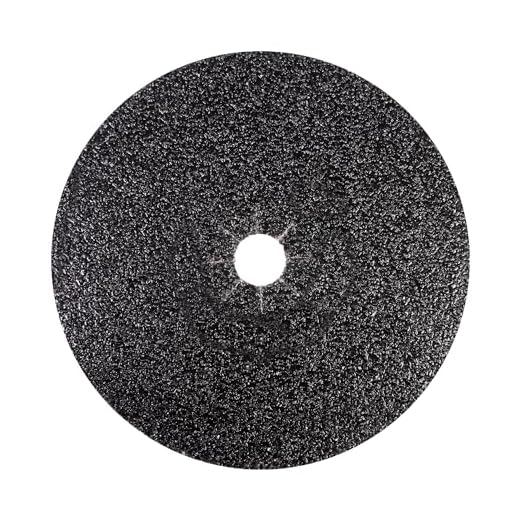
I recommend the Mercer 36X cloth-backed discs when you need to tackle tough floor jobs—stripping glue, removing mastics, or prepping old concrete and hardwood. Silicon carbide is well suited to abrasive, high-contact tasks, and the heavy cloth backing resists tearing during aggressive use.
What's useful to know
In the field I’ve seen these hold up well when paired with the right driver plate or adhered securely to the sanding pad. One common workaround for slipping is using a driver plate or a few strips of tape to keep the disc from shifting during initial passes — once the disc seats it usually behaves predictably.
Practical limitations
These are coarsely gritted discs intended for removal work, not for finishing. If you plan to transition to fine sanding you’ll want to step through finer grits afterward. Also, be mindful of dust and respirator protection when attacking adhesives and mastics—the material you remove can contain contaminants.
Mercer 20" 80X Floor Sanding Discs
An 80-grit silicon carbide disc for customers who want a step up from coarse removal toward smoother finishes. The cloth backing helps durability, but users should watch for slipping and choose the right driver plate.
Overview
I recommend Mercer’s 80X discs when you’re moving from heavy stock removal toward a smoother floor surface. They’re cloth-backed silicon carbide, which stands up to the rigors of floor sanding while giving a medium-fine cut useful for intermediate sanding steps.
What to expect in practice
I often pair these with coarser discs for initial passes and then switch to finer grits for finish sanding. A common piece of user advice is to ensure the sanding pad and the disc are clean and free of oil or glue residue to prevent slipping. If slipping occurs, a mounting plate designed for the sander solves the problem most of the time.
Limitations and tips
These are not the final sanding grit for a flawless finish, but they are a practical middle step in a multi-grit workflow. Use adequate dust extraction and personal protection—silicon carbide dust can be harsh on lungs and eyes.
Pomsare 13-Piece Wood Carving Set
A budget-friendly set that gives you a range of wheel shapes and grit profiles for carving and shaping wood with a 4-1/2" angle grinder. Great for beginners and light decorative work, but expect moderate wear on the cutting edges.
Overview
I recommend the Pomsare 13-piece kit if you’re experimenting with wood carving attachments for a handheld grinder. It’s a compact collection of carbon steel wheels and cutting profiles that cover basic carving, shaping, and light sanding tasks on wood.
What the kit offers
For casual carving or one-off projects, this kit gives fast results and a low cost of entry. I’d tell someone new to these tools to start slowly — handheld grinders are powerful and can remove a lot of wood quickly. Take practice cuts on scrap before you touch a project piece.
Practical limits
If you plan on lots of carving or working hard materials, upgrade to wheels made from more durable alloys or branded carving discs. Also, use proper safety gear: face shield, dust mask, and sturdy gloves are a must when grinding wood because of both dust and kickback risk.
Woodstock 20" 60-Grit Sanding Discs
Solidly priced sanding discs that work well for routine shop sanding and hobby projects. Quality appears inconsistent across lots—adhesive performance can vary, so test before committing to heavy work.
Overview
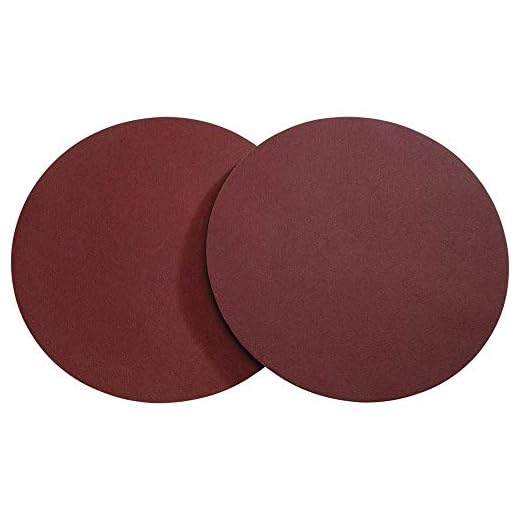
I treat these Woodstock 60-grit discs as a budget option for general sanding tasks—things like flattening rough boards, initial smoothing of laminated pieces, and prepping surfaces for further sanding. They come as a 2-pack and use pressure-sensitive adhesive (PSA) so swapping them on and off a 20" disc sander is quick.
Key features and what they mean for you
I like that they're inexpensive and fit standard shop equipment. In practice I always tell people to inspect the adhesive and disc surface before use — a clean, dry backing helps adhesion. Several users reported the disc coming off or failing catastrophically, so I advise starting slowly when you mount the first disc and testing with light pressure.
Practical notes and limitations
If you need consistently strong adhesion or plan to push the disc hard for long periods, these may not be the best choice. They're perfectly fine for hobbyists, occasional shop use, or as a backup pair. For heavy metal grinding, prolonged heat, or production work, upgrade to a professional-grade zirconia or cloth-backed disc.
Final Thoughts
If you want a single, no-compromise machine for a pro shop, I recommend the Powermatic DS20 20" Disc Sander. It’s built like a tank, has direct-drive efficiency, a quick-acting brake, and a large tilting table that makes repeatable, accurate sanding painless — ideal for fabricators and woodworking pros who need durability and precision.
If your shop runs heavy, continuous production and you want extra power and warranty peace-of-mind, go with the JET 20" 3-HP Disc Grinder J-4421-2. The 3-HP motor, extra-large tilting table, and strong safety features make it the best pick for industrial sanding and nonstop use — perfect for contract shops and heavy metal work.







Wait… the list includes the DEWALT DW758 8-inch bench grinder in a roundup titled “10 Best 20 Inch Disc Grinders on Amazon” 🤨
I get that the DW758 is dependable for sharpening and small tasks, but it feels out of place among full 20″ disc sanders and floor discs. Was that intentional — like, a ‘bonus’ entry — or just an editorial quirk? Either way, the article was useful but that made me chuckle.
Makes sense to me — not everyone needs a 20″ beast. I keep a bench grinder in the shop for quick sharpening even though I have a 20″ disc sander.
Good eye, Mariana — that was intentional. We included the DEWALT DW758 as a practical bench grinder alternative for readers who need a dependable sharpening/bench solution alongside the big disc sanders. We should’ve labeled it a ‘bonus’ entry to avoid confusion; thanks for the nudge, we’ll clarify that.
Agreed. Also the DW758 is really easy to move around vs the Powermatic. Different tools for different jobs.
Appreciate the feedback — we’ll update the intro to explain inclusion criteria and why some smaller tools are listed for multi-purpose shops.
Thinking about the JET J-4421-2 for my small fabrication shop. The 3 HP and 3-phase capability sound great, but I don’t have 3-phase in the shop right now. Is it worth getting a phase converter or should I stick with the 2HP single-phase units like the Powermatic or Baileigh? Any real-world pros/cons from people who tried both?
I used a rotary phase converter for a while with a 3HP sander. It worked OK but required maintenance and had startup quirks. If you can avoid it, take the single-phase route.
If you plan to ramp up production and want continuous heavy use, a 3-HP 3-phase motor is a solid investment — especially for longevity and smoother torque. Phase converters work but add complexity and some inefficiency. For most small shops, a 2HP single-phase (Powermatic or Baileigh) hits the sweet spot unless you need the extra constant power.
Quick question about the Mercer floor discs — I need to remove really stubborn old glue from a kitchen floor before refinishing. The 36X cloth-backed discs (20-pack) look aggressive. Has anyone used them for mastic/glue removal? Will 36X be overkill and damage the substrate, or is it appropriate? Any tips for driver plates?
36X is designed for aggressive removal and is commonly used for mastic and glue. If your substrate is plywood or soft wood, proceed with caution — test in a small area first. Use a heavy-duty driver plate and work in controlled passes; changing to 80X after initial removal will smooth the surface for finishing.
Used 36X on a demo job — it took the glue off like a champ but gouged soft planks if you hung on it. Go slow and keep the sander moving.
I picked up the Powermatic DS20 last month after reading the roundup — love how solid it feels. The direct-drive and quick brake are exactly what my small pro shop needed for repeatable work.
A couple of notes: setup was straightforward but heavy (plan for two people). The tilting table really helps with accurate bevels. I did have to source a replacement belt and the vendor support was a little slow — anyone else had parts issues? Overall, 9/10 from me.
I had the DS20 in my shop for a few months — same experience re: weight. If you need a parts source, try local industrial suppliers; they sometimes have OEM belts or compatible spares that save time.
Awesome — I almost bought the Powermatic but worried about the footprint. How loud is it compared with other 2HP units? I’m in a shared garage so noise matters.
Thanks for the write-up, Sarah — glad it’s working well for you. Parts for older Powermatic models can sometimes be slow through Amazon sellers; contacting Powermatic support directly often moves things faster. What belt part number did you need?
I’ve tried the Red Label 40-grit and the Shop Fox 80-grit discs from the roundup. Short take:
– Red Label 40 (Zirconia): absolute tearer for weld cleanup and heavy stock removal. Cuts fast and holds up — watch heat buildup on thin sections.
– Shop Fox 80 (Aluminum oxide PSA): great for prepping before finishing, sticks well if the driver plate is clean.
If you’re doing metal fab, buy a bunch of the Red Label. If you’re doing smoothing on wood or light metal work, the Shop Fox or Woodstock 60/80 is cheaper and cleaner. Also, always keep spare driver plates — adhesive discs fail when the mating surface gets gummed up.
Does anyone have a trick for keeping adhesive discs from peeling near holes? Mine always start to lift after a few passes.
Olivia — try cleaning both surfaces with isopropyl alcohol and heat-pressing the disc onto the plate (a warm press with uniform pressure) before use. That helps adhesion around the hole edge.
Solid summary, Tom. For readers deciding which to stock, consider cycle cost: zirconia is pricier but much faster on metal, so it can be more economical for production work.
Totally — we rotate driver plates and keep a magnetic scrap bin for the dust. Keeps adhesive discs behaving. Also, slower feed rates reduce heat and prolong disc life.
Good tip about driver plates — I learned the hard way. PSA discs slip if the plate isn’t perfectly clean.
Grabbed the Pomsare 13PCS wood carving set for a weekend project (because I thought ‘how hard can it be?’). Answer: harder than my ego. 😂
Pros: cheap, fun variety of shapes, good for decorative carving on soft woods. Cons: blades dull faster than I expected and the fit on my angle grinder was a little sloppy (had to add a shim). Also the Woodstock 60-grit discs I used later were inconsistent — some stuck great, others lost adhesive after a few minutes.
If you’re a beginner, Pomsare is a fine starter kit, but don’t expect pro-level durability. Oh, and I definitely sanded my finger more than the wood the first day. Ouch.
Thanks for sharing, Marcus — that’s exactly the kind of hands-on perspective other readers find useful. Shimming is a good quick fix; make sure your grinder guard is fitted before attempting carving bits.
And… maybe gloves next time? 😉
Haha, been there. For safety, also consider using a carving jig or clamp to keep the workpiece secure. Less chance of finger-sanding.
If you plan to do a lot of carving, stepping up to higher-quality carving wheels pays off. The Pomsare set is great to experiment with shapes, though.