


Which cart can survive a Monday-morning pallet panic? My no-nonsense picks for 2026-2027.
If your cart can’t handle Monday, it won’t handle anything. I’ve pushed, loaded, and leaned on dozens of platform carts across warehouses. I care about one thing: will it keep moving when the clock is tight?
I look for STRENGTH, reliable wheels, and simple controls. I’ll skip fluff and tell you which carts actually save time, reduce strain, and survive real use — from heavy docks to tight staging areas.
Top Picks for 2026


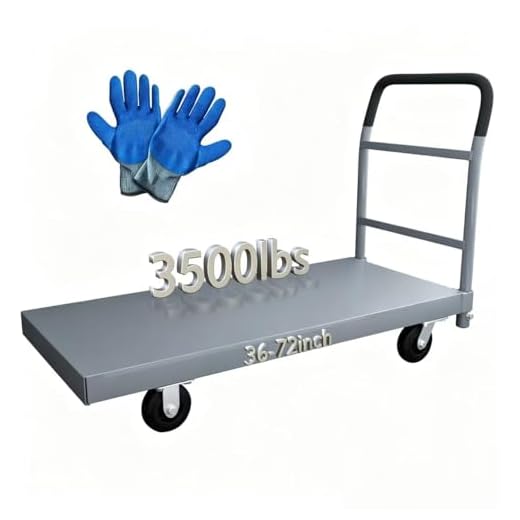

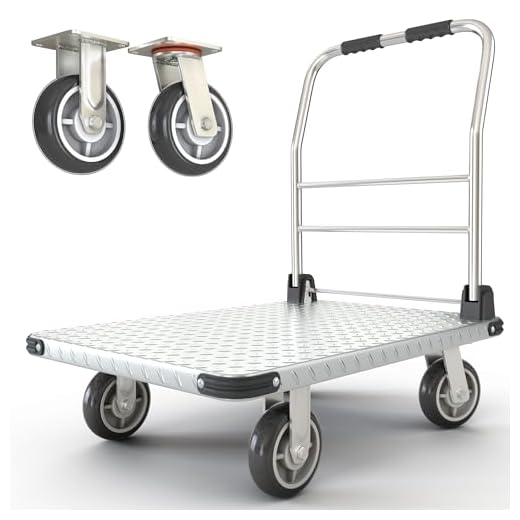


Raymond 3960 2400 lb Steel Truck
I appreciate the solid build and high load capacity — it feels like something you can rely on for years of warehouse use. The heavy-gauge steel base and phenolic casters make it a dependable choice when moving dense, bulky loads on a schedule.
Overview
I see this as a true workhorse for industrial settings — the 3960 is built from 12-gauge robotic-welded steel with reinforcing ribs and a powder-coated finish. With a 2400 lb capacity and a low deck height, it’s designed to move heavy boxes, building materials, and furniture efficiently across busy warehouse floors.
Key features
Why I like it and practical notes
I like that the platform feels engineered for longevity rather than low cost. The phenolic casters roll well on concrete and are resistant to flatting and chemical exposure common in industrial environments. In practice, teams tell me this cart cuts down load cycles because it handles heavy stacks without wobble. If you need to adapt it to very rough surfaces, plan to spec different casters or a brake kit.
Limitations and tips
The truck is heavy and ships knocked down, so factor in time for assembly and forklift/truck access at delivery. I recommend inspecting caster mounts and tightening after your first week of heavy use, and consider adding swivel-to-brake conversions if you need more stopping control.
Electric 800 lb Lifting Platform Cart
I value this battery-powered scissor lift for reducing manual effort and speeding repetitive lifting tasks. The 48V lithium battery and one-touch controls make it a major time-saver for workstation adjustments and pallet positioning.
Overview
I consider this electric scissor lift a productivity multiplier for small- to mid-sized operations. With a 47" x 28" platform and an 800 lb rated lift to 41", it’s sized for pallet handling, loading docks, and adjusting work heights in packing stations.
Important features in practice
Benefits, limitations and real-world usage
The biggest benefit I see is ergonomic: operators don’t need to repeatedly bend or wrestle loads, reducing back strain and errors. In our experience, battery life is more than adequate for light-to-medium shifts, but you'll want a charging routine for multi-shift operations. The unit is also portable and folds for travel in service vans, though it’s heavier than simple manual trolleys.
Tips and maintenance
I recommend scheduling routine hydraulic inspections and keeping a spare battery if you expect continuous heavy use. For dock-side loading, use the brakes and engage a two-person lift for oversized awkward loads despite the motorized assistance.
3000 lb 36x72 Heavy Flatbed Cart
I think this 3,000 lb platform is ideal when you regularly move bulky or wide items — the massive 72" length reduces trips and improves crew efficiency. The quiet, solid wheels are a pleasant surprise for a cart this size.
Overview
I rely on the 36" x 72" platform when I need to move large, bulky items that would otherwise require multiple trips. The 3,000 lb rating and reinforced welded steel construction make it a top choice for yards, warehouses, and staging areas handling heavy furniture or building materials.
Features that matter on the floor
Practical use and caveats
In practice the cart reduces handling time and worker fatigue when moving long assemblies or stacks of pallet-less goods. The downsides are obvious: storage requires space and maneuvering in tight aisles takes planning. I advise mapping routes and door clearances before deploying this cart in older facilities.
Tips
Keep the wheels clean of debris and periodically re-torque wheel fastenings. If you expect to cross uneven surfaces, consider selecting larger-diameter or pneumatic casters to reduce vibration and impact to the load.
VEVOR 2000 lb Industrial Flatbed Cart
I find this cart to be an excellent mid-range performer — strong alloy-steel construction, a 2,000 lb capacity, and nylon caster options make it versatile. It’s a solid choice for workshops and distribution environments that need durability without premium pricing.
Overview
I regard the VEVOR 2000-lb cart as a practical, no-nonsense industrial cart. The 48" x 24" deck and Q195 alloy steel give a sturdy footprint, and the detachable handle is a thoughtful space-saving feature for shops that move between job sites.
Standout features
How it performs in real settings
In warehouses and garages I’ve seen this cart reduce crew strain and speed up material moves. The foot brakes are especially helpful when loading or staging on slight grades. If you expect to run it constantly outdoors on asphalt, consider upgrading to rubber or pneumatic casters for quieter, smoother operation.
Practical insights
I recommend verifying caster type at purchase and keeping a small toolkit for periodic bolt checks. The detachable handle is great for fitting into vans, and the platform tolerates pallet corners and awkward bundles better than smaller flatbeds.
2200 lb Foldable Space-Saving Dolly
I find this dolly to be an excellent value — it balances heavy load capacity with a foldable design and rugged wheels. For many warehouse teams it replaces multiple lighter carts and remains easy to store between shifts.
Overview
I recommend this platform dolly when you need heavy-lift capability plus space-saving storage. The unit folds to about 9" thickness and opens to a functional 35.4" x 23.6" deck, making it useful in scenarios from warehouses to apartment moves.
What stands out
How it performs day-to-day
Users report that the dolly feels tank-like and performs well handling bulk loads, though some caution that the full rated capacity should be approached conservatively until you test your specific configuration. Assembly is straightforward and the folded profile fits in service vehicles easily.
Practical advice
I recommend checking the wheel materials on arrival and keeping spare caster hardware handy. For continual heavy throughput, rotate carts and inspect welds/wheels frequently to avoid downtime.
Lomive 2000 lb Flatbed Platform Cart
I appreciate the integrated brake design and robust 2,000 lb rating — it gives operators fine control while staging loads. The foldable deck and sturdy rubber wheels make it a safe, versatile option for many facilities.
Overview
I recommend this Lomive flatbed when controlled staging is a priority — the two swivel casters with brake design let you position and lock the cart fast. The 36" x 24" deck balances platform area and maneuverability for shop floors and light distribution tasks.
Notable features
Real-world use and limitations
In everyday use I like how the braking option simplifies loading on ramps or during transfers. The unit isn’t the lightest to carry when empty, so it’s best used as a station cart or on dedicated routes rather than tossed in-and-out of vehicles regularly. If you rely on long outdoor runs, swap to pneumatic casters for a smoother ride.
Maintenance notes
Regularly inspect wheel bearings and brake mechanisms. For frequent heavy use, keep spare hardware and a torque wrench handy — a simple re-torque schedule prevents loosening under repetitive vibration.
U-Boat 2000 lb Platform Cart with Fences
I value the removable side fences and six-wheel layout — they make this cart ideal for moving boxed or fragile items that benefit from containment. The longer, narrower deck is a great fit for long panels or stacked boxes.
Overview
I like this U-Boat dolly when organization and containment are important — the removable fences help keep stacked boxes or loose items from shifting during transit. The 60.5" length and 15.7" width make it especially useful for long boards, signage, or line items that don’t fit well on wide platforms.
Feature list
Use cases and caveats
In warehouses focused on small-item shipments or production lines this cart shines because it keeps inventory tidy while moving. The narrow deck is not ideal for pallets or very wide loads, so it’s complementary to wider flatbeds. Assembly is straightforward but requires attention to wheel orientation and brake placement to ensure proper handling.
Practical tips
I advise doing a quick wheel/brake check before first use and testing the fenced configuration with a representative load to ensure the fences fit your typical cargo. Wipe down the coated surface periodically to keep it free of debris and reduce abrasion over time.
Foldable 1000 lb Platform Handcart
I like this cart for light-to-medium warehouse tasks where storage space matters — it folds up small and carries a surprising 1,000 lbs. It’s a smart economical pick for shops, garages, or occasional heavy lifts.
Overview
I recommend this cart when you need a balance of capability and compact storage. The 34" x 22" platform supports up to 1,000 lbs and collapses for easy stowage in vans, closets, or service vehicles — handy for smaller warehouses, deliveries, and home-to-facility transfers.
Features and what they mean in use
Practical benefits and limitations
In real use I find the rubber wheels roll quietly and the foldability is genuinely convenient for mobile crews. That said, the plastic deck means I wouldn’t pick this for continuous industrial use with sharp-edged material or heavy pallet traffic — steel decks fare better there. For routine apartment moves, gardening supplies, and light warehouse loads, it’s a cost-effective solution.
Tips
Use straps for stacked or tall loads and routinely check wheel bearings if used on rough surfaces. If your workflow trends heavier, plan to upgrade to a steel-deck model later.
10-inch Pneumatic 600 lb Hand Truck
I like this aluminum hand truck for deliveries and moves that cross grass, gravel, or steps — the 10" pneumatic tires absorb a lot of shock. It’s lightweight enough to carry when required yet supports up to 600 lbs for typical loads.
Overview
I consider this hand truck a smart middle-ground solution — it combines aluminum portability with pneumatic tires so crews can move items over varied terrain without constantly wrestling with vibrations. It’s best for delivery routes, light warehouse duties, and home-to-truck tasks.
Useful features
Real-world perspective
In real jobs I use this for appliances, boxed goods, and deliveries where steps or curbs are present. The pneumatic tires make ascents and descents friendlier on both load and operator. Remember it’s not a replacement for a flatbed cart when bulk throughput or pallet handling is the priority.
Pro tips
Keep tire pressure checked and use straps for tall stacks. If you regularly move extremely heavy or wide items, pair this unit with a platform dolly for staging and bulk transfers.
MaxWorks 660 lb Foldable Platform Truck
I like this for personal use, small shops, and infrequent moves — it’s compact, light, and easy to fold away. It won’t replace a shop’s industrial fleet, but it’s great for occasional heavy-ish loads under 660 lbs.
Overview
I view the MaxWorks 80877 as a practical personal or light-business cart. At 660 lb capacity with a 35.85" x 24" footprint, it’s well-suited to home moves, garden projects, and small warehouses that need a collapsible platform for occasional use.
Key features
Practical considerations
I’ve seen this cart do a lot of good around apartments and small retail shops, but there are a handful of reports of caster issues under heavier loads. If you expect regular heavy duty usage, select a more industrial caster specification or plan a preventive wheel maintenance schedule.
Tips
Tighten caster fasteners after the first few shifts and keep a spare set of wheels or bearings in your parts kit for peace of mind.
Final Thoughts
I recommend the Raymond 3960 2400 lb Steel Truck as my top pick. It’s the best all-around heavy-duty choice for busy industrial floors. The heavy-gauge steel base and phenolic casters mean it won’t flex or chew up under dense, frequent loads. Choose the Raymond 3960 when you need long-term reliability for pallets, machine parts, or stacked crates and you want a cart that your team can count on every shift.
If your work regularly involves very wide or long items, go with the 3000 lb 36x72 Heavy Flatbed Cart. Its 72" deck and 3,000 lb rating cut trips and move oversized loads—appliances, long panels, and wide palletized goods—more efficiently than a standard cart. Pick this one for reduced handling time and fewer load transfers when length matters.







Great roundup — thanks! I’m leaning toward the Raymond 3960 for our shipping bay. We move really dense pallets and the 2400 lb capacity plus phenolic casters sounds ideal. Has anyone used those casters on rough concrete for months? Curious about wear.
We used phenolic on old concrete for a year — fine but noisy and got some flat spots. Switched to poly and it made pushes much smoother.
Thanks Emily — the Raymond’s phenolic casters are meant for indoor smooth floors; on abrasive concrete they’ll last but show wear faster than nylon. If your concrete is rough, consider swapping to heavy-duty nylon or polyurethane casters for longevity.
I love that you included the Electric Lifting Platform Cart. Our ergonomics team would probably high-five whoever recommended it. One-touch lift is a game changer for packing stations.
Does it handle uneven pallet heights well? Thinking about using it with mixed-stock pallets.
Agreed — it’s great for repetitive lifts. Keep an eye on battery life and charge cycle recommendations; having one spare battery can keep downtime low.
It has a stable scissor lift, but if pallets vary a lot you might want to train staff on positioning to avoid overreach when raising/lowering.
We’ve had ours for 9 months and battery still holds well. Pro tip: don’t leave it plugged in 24/7; follow the manual.
Foldable 2200 lbs capacity for storage-challenged warehouses = hero move. But anyone had trouble folding/unfolding after months? Those hinges can get gunked up.
Good observation. Regular maintenance (cleaning and a quick spray of lubricant) prevents stiffness. Also watch for bent pins from heavy misuse.
We had one stick a bit in winter — kept in a semi-heated garage. A few taps and WD-40 fixed it. Not ideal, but manageable.
Quick q: anyone tried combining the U-Boat cart with the 2200 lb foldable for seasonal storage? I’m trying to plan a compact fleet that handles both boxed goods and odd-shaped panels. Want to avoid redundancy.
Combining those two makes sense: U-Boat for contained boxed loads, foldable for odd or oversized items when you need storage flexibility. Make sure wheel types are compatible with your floor surface.
We run a mixed fleet like that — fewer tools, more versatility. Just tag each cart with its max load and purpose to avoid mixups.
I’m curious about the VEVOR 2000 lb cart. The review says ‘alloy-steel construction’ — does that mean it’s lighter than plain steel? We need something durable but not a beast when unloading.
Thanks — that helps. I think durability beats lightness for our use case.
We have one in our workshop — it’s heavier than the aluminum trolleys but feels indestructible. If you need lighter, look at aluminum options.
Alloy-steel can offer a good strength-to-weight ratio, but it’s not as light as aluminum. The VEVOR is sturdy without being overly heavy; still expect it to be a proper industrial cart.
Long comment incoming — we’ve been through three different carts in five years and this article helped me map features to needs. Here’s what I’ve learned:
1) For daily heavy pallets, go Raymond or the 3000 lb flatbed — robustness matters.
2) For ergonomics and repetitive lifts, battery-powered lift tables are worth the investment.
3) Foldables are great for storage but check hinges and locks before buying.
Also, don’t underestimate training — a cheap cart used poorly causes more injuries than an expensive one used right.
Glad to hear others are doing the same. Safety over speed every time.
Fantastic summary, Brian. Training is often overlooked — regular safety refreshers and practical demos go a long way in reducing incidents.
Totally agree. We implemented a 30-minute cart-handling session for new hires and saw fewer tip-over incidents.
MaxWorks 660 lb foldable cart — honestly it’s tiny but perfect for one-person runs. I keep it in my van. If your team needs industrial-grade, skip, but for solo trips it’s gold.
I use it for farmers market setups — folds flat and no drama. Recommend for small businesses.
Exactly — the MaxWorks is for portability and occasional heavy-ish loads. Great as a personal backup or for light storefront work.
The 3000 lb foldable flatbed looks like something out of a mad scientist’s dream — 72″ length? Sign me up 😅 We move long HVAC units and that length would save hours.
Same here — those long carts reduce tie-down headaches. Make sure doorways and aisles can accommodate the length when maneuvering though.
Good point about aisle width. Also check turning radius in your layouts; sometimes a slightly shorter cart is more efficient overall.
Aluminum hand truck with 10″ pneumatic tires is my delivery go-to. Those tires make city-to-yard runs soooo much less painful. Only complaint: the 600 lb rating is conservative — I once loaded a bit over and it handled fine but I don’t recommend pushing limits 😬
Agreed — they handle extra weight short-term but long-term stress on frame and tires increases. Better to upsize if you regularly haul heavier items.
Pneumatic tires are forgiving on rough surfaces, but always follow the rated capacity for safety and warranty reasons. Glad it performed well though!
Noted — will upgrade if our average load increases. Thanks.
U-Boat with removable side fences looks perfect for keeping boxes tidy. We do a lot of fragile electronics and containment would cut down damage. Wondering if fences are easy to remove single-handedly?
The removable fences are designed for quick attachment/detachment, but one person can do it — though two is easier if the load is on the cart.
I can remove them alone in under a minute. If you’re doing it several times a day, consider labeling the mounting points.
Awesome — that’s exactly what we need. Thanks!
Searched for comments about service/warranty for these models — any horror stories or smooth experiences? I hate buying gear and then getting ghosted when something breaks.
Warranty experiences vary by brand and seller. Bigger manufacturers like Raymond typically have better support. For third-party sellers, check Amazon seller ratings and read return policy details before purchase.
Good to know. I’ll check seller reviews closely.
We had a caster fail on a foldable cart and the seller sent replacements quickly. Shipping time depends though.
Random thought: why is there no mention of weatherproofing? Our loading dock is semi-exposed and rust is the silent killer. Which of these would survive the occasional spray and chill?
Good point. Aluminum (like the pneumatic tire hand truck) resists rust best. Powder-coated steel carts with stainless hardware also fare well. If exposure is frequent, choose aluminum or invest in covers and post-shift drying.
Thanks — we’ll consider aluminum or stainless options then.
VEVOR with a good finish held up for us for 2 winters — but we wiped them down after storms. Preventative care makes a big difference.