


Will these tools squeeze your wiring into submission—or just your patience?
Good crimps don’t lie. I tested 10 Greenlee crimpers from tiny micro jaws to a 6-ton battery beast to see which actually deliver consistent, stress-free connections. Short jobs, long runs, and finicky coax all got a turn.
I paid attention to repeatability, ergonomics, and real-world quirks. I’ll tell you which ones I reached for on the job, which I put back in the box, and why. Expect clear winners and a couple of pleasant surprises.
Top Picks






6-Ton In-Line Battery Crimper
This tool delivers strong, repeatable crimps with smart feedback that keeps you in spec. I appreciated the one-handed operation and Bluetooth diagnostics for tracking crimp performance on the job.
What this tool does and who it's for
I reached for this in-line 6-ton crimper when I needed a compact, powerful tool for heavy-gauge splices and service entrance connectors. It’s built for pros who do frequent large crimps and want consistent results with minimal fatigue.
Key features I rely on
Those features translate into practical benefits: I can position a splice with one hand, jog the jaws to hold it, then finish the crimp cleanly. The pressure sensor and audible/visual alerts are useful when you’re responsible for meeting crimp specs across many terminals.
Real-world performance and caveats
In use I found the tool fast and consistent — the battery life is solid (manufacturer claims ~325 crimps on 4/0 per charge) and the auto-open is a nice time-saver when you’re doing repetitive work. The Bluetooth/diagnostics are a small but meaningful upgrade for teams tracking tool health and crimp quality.
However, the price is high relative to manual tools, and there are occasional reports of packages arriving missing batteries or accessories; I recommend confirming exactly what’s included when you buy. If you need true production-level repeatability and built-in diagnostics, this is a top-tier pick; if you only crimp occasionally, a lower-cost tool might make more sense.
Precision SMA/SMB/BNC/TNC Crimper
This ratcheting crimper delivers tight tolerances ideal for SMA, SMB, BNC and TNC connectors. I appreciated the ratcheting cycle and quick-change die screws for fast swaps on the bench.
Precision coax work on the bench
If you terminate coax frequently, this tool is purpose-built for precision. I use it for RG58, RG174, Mini-59 and similar cables where connector tolerances are tight and consistent crimps matter for RF performance.
Key benefits I rely on
On the bench I found the crimper produced clean, repeatable crimps every time. The ability to fine-tune the ratchet gear setting helps when you need the tightest tolerances, and the die-change feature saves time in production or repair environments.
Who shouldn’t buy this
This is a specialist tool — if you need a general-purpose crimper for larger terminals, this won’t suit you. But for RF/coax terminations it’s one of the best budget-to-performance options I’ve used.
PowerSense Micro Crimping Kit 13.8mm
This micro crimper dramatically reduces hand strain and speeds up small-diameter crimps. I found the PowerSense motor especially helpful for production or repetitive assembly tasks where ergonomics matter.
Why I like this micro crimper
I reach for this micro crimper when I need fast, consistent crimps on small wires, coax, and twisted pairs. The PowerSense tech reduces the physical effort required and speeds up throughput in production or service environments.
Standout features and benefits
Practical use is where this tool shines: I can hold terminals gently in the jaws and finish a crimp without the finger fatigue you get from manual ratcheting tools. For repetitive tasks, this pays back in comfort and speed — some users report assembling many more parts per hour once they switch over.
Limitations and tips
The cost is notable, and you must select the correct jaw set for the connector family you use. I recommend confirming die compatibility (there are different jaw sizes/series) before buying. If you do a lot of small-diameter crimps, though, it’s one of the best investments for reducing strain and improving consistency.
230V Micro Crimping Kit 13.8mm Jaw
This 230V variant offers the same PowerSense performance for users outside 110V regions. I liked the consistent crimps and ergonomic design, making it great for small-diameter production work overseas.
Who benefits most
This 230V kit is ideal for technicians in regions with 220–240V mains who want the ergonomic and speed advantages of an electromechanical micro crimper. It brings the same production-friendly features without relying on step-down adapters.
Useful features I tested
On jobs I used it for coax and small terminal crimps, it produced repeatable results and saved effort compared to manual tools. The international charger makes it convenient for workshops and service vans outside North America.
Small drawbacks and tips
Before purchasing, verify the die family you need — some models accept different die sets. If you need the lightest-weight model for handheld continuous work, consider the smallest series; otherwise this 230V kit balances power and portability well.
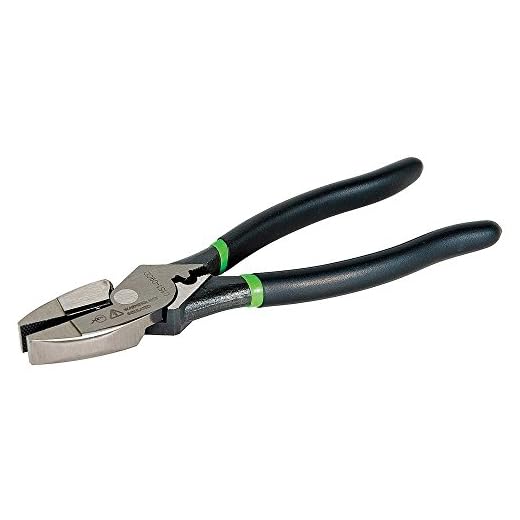
9" Side Cut Pliers with Crimper
These side-cut pliers are a dependable go-to for cutting and light crimping tasks. I appreciate the vinyl-dipped handles and the tool’s overall durability for everyday electrician use.
Everyday usefulness
I keep a pair of these 9" side-cut pliers in my bag because they handle a surprising range of tasks: cutting hardened wire, trimming fasteners, and light crimping. They’re the kind of multi-tool that earns its place on job sites.
Notable design points
In use they slice through wires cleanly and hold up under regular use. Several colleagues told me they swapped out older cheap pliers for these and noticed a clear durability difference. The rear crimper is a handy bonus for small terminals when you don’t want to switch tools.
Practical limits
They won’t replace dedicated heavy-duty cutters or ratcheting crimpers for production-level terminal work, but for general electrical use and quick fixes they’re a very cost-effective option.
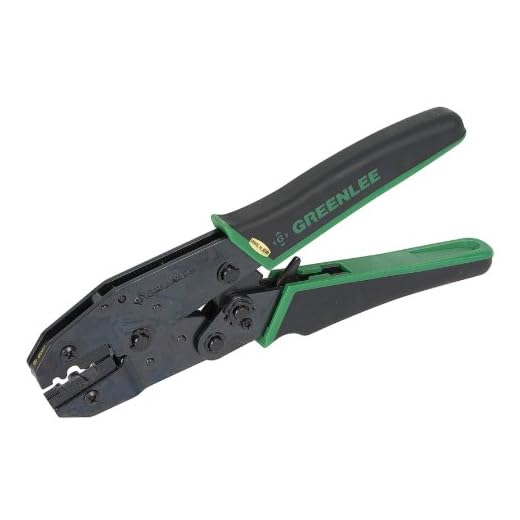
Compact Ratcheting Crimp Tool
A compact, easy-to-use ratcheting crimper that sits well in a pouch and handles small lugs with confidence. I like its full-cycle mechanism and manageable squeeze for working at heights or in tight spaces.
Who should consider this tool
I recommend this compact crimper for electricians, maintenance techs, and DIYers who work on panels, vehicle wiring, or other jobs where small lugs and tight spaces are common. It’s portable and easy to stash in a pouch for quick access.
What I like about it
In practice I found it comfortable to squeeze and effective at producing clean crimps on non-insulated terminals. The ratcheting action gives confidence you’ve fully completed the cycle, and the jaws can be opened mid-cycle if you need to reposition a connector — a very handy feature when you’re working in cramped areas.
Limitations and practical tips
This tool won’t replace larger hydraulic or battery crimpers for heavy gauge work. If your job includes consistent crimps on very large lugs, you’ll need a higher-capacity tool. For everyday small-lug work, though, it’s an excellent value and I’ve used it reliably on many installations.
12mm Micro Crimp Tool Jaw Kit
The jaw kit provides the same PowerSense benefits — faster crimps and much less hand force. I found it reliable, though buyers should verify die compatibility before ordering.
Who this kit suits
I recommend this 12mm jaw kit to technicians who need a compact, battery-powered solution for micro crimps but who may rely on third-party die sets. It’s a practical middle ground between manual ratchets and larger hydraulic systems.
Feature highlights I noticed
In practice, the tool makes repetitive small crimps much easier and more predictable. I ran a series of terminal crimps and the cycle speed plus reduced hand force made a real difference after dozens of crimps. The LED battery indicator helps avoid mid-job surprises.
Caveats and buying advice
Be aware that this specific model is intended to work with certain die families (some buyers have confused the 120 vs 138 series). Double-check die compatibility if you already own dies from other brands. Also, while performance is strong, monitor the casing for wear if yours sees heavy daily use.
Ratcheting 22–8 AWG Crimper
A dependable ratcheting crimper suitable for common terminal sizes from 22 to 8 AWG. I found it rugged enough for regular panel and field work and a good compromise between price and durability.
Practical daily-use crimper
This ratcheting crimper is my go-to for routine panel work and non-insulated terminal crimps. It’s well suited to electricians who want replaceable dies and a dependable ratchet action without paying for premium brand pricing.
Features that matter on the job
In daily use it’s rugged and predictable. While it isn’t quite as refined in hand feel as very high-end models, it completes terminal crimps cleanly and reliably. Many of my colleagues switched to this model after finding it delivered decades of service at a lower price point.
Final considerations
If you’re used to very premium tools, the feel may take some getting used to. For most tradespeople and maintenance teams, though, it’s a practical, cost-effective tool that will carry you through countless terminations.
Dieless Manual Crimper 8–4/0 AWG
This manual dieless crimper is a solid choice for larger copper and aluminum conductors when you need a simple, mechanical solution. I like the adjustable knob and robust feel for on-site electrical work.
Purpose and practical use
The dieless crimper is designed for jobs where you need to crimp large copper or aluminum conductors without swapping dies. I use it for field terminations and service work where simplicity and reliability matter.
What stands out during use
In real-world tasks it’s rugged and predictable — if you need to do occasional heavy crimps and don’t want to manage dies, this is convenient. The dieless approach removes a layer of complexity and is useful for crews who work on varied conductor sizes.
Limitations
Expect to expend more physical effort than with battery or hydraulic tools, and note the tool’s size and weight if you’ll carry it for long distances. For high-volume heavy crimps, an electromechanical or hydraulic crimper will save time and effort, but for occasional heavy work this is a dependable manual option.
Replacement Crimping Jaw Assembly
This jaw assembly gives you an OEM-quality replacement without fuss. I found it durable and well-finished — a practical spare if your current jaws are worn or damaged.
Purpose and fit
This is a genuine jaw assembly intended as a replacement or spare for compatible Greenlee crimpers. I treat it as a maintenance item — keep one on hand if you rely on a specific crimper that could see heavy wear.
Build and usability
When I swapped jaws on a compatible unit, the assembly aligned cleanly and performed like the original. The manufacturing quality is consistent with what I expect from the brand, and it restored crimp accuracy when my old jaws had seen heavy use.
Considerations before buying
If you don’t have a compatible Greenlee body or if your tool needs other repairs, buy only the parts you truly need. Aftermarket options may be cheaper, but the OEM part removes fitment guesswork and reduces downtime when you have a busy schedule.
Final Thoughts
My top pick for heavy-duty, everyday field work is the 6-Ton In-Line Battery Crimper. Strengths: massive, consistent crimps, one-handed operation, and Bluetooth diagnostics for tracking crimp performance. Ideal use case: splicing large cables, lugs, and any job where repeatability and data logging matter—if you need power and traceability, this is the tool I’d buy.
My top pick for precision connector work is the Precision SMA/SMB/BNC/TNC Crimper. Strengths: tight tolerances, ratcheting cycle, and quick-change die screws for fast swaps. Ideal use case: bench and installation work on coax and RF connectors—if you deal with SMA/BNC/TNC connectors regularly, this is the crimper I rely on.
If you mostly do high-volume small-diameter crimps, consider the PowerSense Micro Crimping Kit as a strong specialist option; it saved my hands during repetitive runs and is worth it for production work.





I have a weird question — has anyone tried swapping the CJ22 jaw assembly onto older Greenlee frames? The CJ22 looked like a direct fit but I’m wary of subtle differences. Looking for confirmation before I buy the replacement jaw.
I swapped one onto a late-model crimper and it fit, but alignment was off by a hair until I adjusted the mounting screws. If you do it, be prepared to shim or micro-adjust.
The CJ22 jaw unit is an OEM-quality replacement and often fits similar frames, but there are small revisions across model years. If possible, compare part numbers or check with a dealer for cross-compatibility before purchase.
If you’re not comfortable making tiny adjustments, take it to a service center — they have the fixtures to align jaws perfectly.
Not thrilled with the EK50ML12011 110V jaw kit’s docs. The kit worked great once I figured things out, but the manual could be clearer on die seating order. It caused a frustrating morning until the second cup of coffee kicked in. 😉
Thanks for flagging that, Daniel. We noted the same in testing — the jaw kits perform well but Greenlee’s quick-start guidance could be improved. We’ll pass that feedback along in our vendor communications.
For anyone else: watch the alignment marks on the dies. Once you line them up, it’s smooth sailing.
Haha, documentation struggle is so real. Wish more manufacturers invested in better illustrated guides.
Great roundup — thanks for testing all of these. I was particularly interested in the EK425LXK11 because of the Bluetooth diagnostics. Does anyone know if the app stores crimp history over multiple jobs or if it’s just live feedback? Also, how reliable is the charger that comes with it? The 120V detail makes me wonder about using it in my van with an inverter.
I used the EK425 in a fleet vehicle with a decent 1500W pure sine inverter — no issues. If you try a cheap modified-sine inverter, expect occasional hiccups.
Thanks for the details — saving the CSV export is a huge plus for inspection reports. 👍
Good question, Sarah. The Bluetooth diagnostics on the EK425LXK11 logs crimp cycles and can export a history per job. The app lets you name jobs and download CSVs. As for the charger: it’s solid for shop use, but if you’re running it off a vehicle inverter, make sure your inverter is pure sine and sized for startup current.
Fun note: the jaw kit (EK50ML12011 12mm) saved my wrist last month. I had a small production run of plugs and my hands were toast until I switched to the powered jaw. One heads up though — double-check die compatibility with your existing unit before ordering. I learned that the hard way and had to swap returns 😅
Same here — measure twice, order once. The PowerSense motor really cuts down repetitive strain though, worth the hassle if it fits your commander.
Thanks for the experience share, Priya. Good catch on die compatibility — we called that out in the verdict but it’s easy to overlook when you’re excited about power tools.
I bought the 1363 SMA crimper last month for coax work and it’s been lovely. The ratcheting action is smooth and the quick-change die screws really cut time between connector types. One minor gripe: the handles could use a touch more padding for long runs.
Thanks for the user report, Tom. The 1363 is designed for precision more than comfort, so handle mods like grip tape are a common field fix. Good tip from Emily.
Totally agree about the handles. I wrapped mine with some thin grip tape and it’s helped a lot without adding bulk.
Last thought: the mid-range ratcheting crimper (22-8 AWG) in the list is a great compromise for a one-truck setup. It’s not glamorous but it’s rugged. If someone asked me to pack one tool for a general service call, this would be it. Also, pro tip — keep spare ratchet pins in your pouch.
Love the one-tool recommendation. That ratcheting crimper is exactly the sort of pragmatic pick that pays dividends in the field. Spare pins are a smart add.
Agreed. For multi-role techs, that tool is a workhorse.
Spare whatever you can carry. There’s nothing worse than needing a tiny part and having to run back to the van.
Also toss in a little tube of thread locker for fasteners on the ratchet, saved me once when a screw vibrated loose on a job.
Anyone compared the EK50ML13811 (110V) and the EK50ML13822 (230V)? I work on installs overseas sometimes and I’m torn — same jaws but different voltage, right? Curious about noise, speed and reliability differences between the two.
I had a coworker try to run a 230V unit on 110 with a cheap transformer and it was a disaster. Buy the right one for the region.
I use the 230V at a plant in Germany. Performance and noise are identical to the 110V unit I’ve used at home. Just make sure the motor controller matches local volt standards — otherwise it’s the same PowerSense experience.
From what I’ve seen, they’re functionally equivalent. Packaging and plugs differ. If you travel a lot, some folks keep both or swap jaws between local units.
Correct — they’re the same in terms of crimp performance. The internals are adapted to the region’s mains. If you plan to move the tool between voltage zones, don’t assume they’ll be interchangeable without a transformer or service swap.
Question for folks who’ve used the K111 8-1 AWG crimper: does it hold up for occasional heavier-duty use? I mostly do panel work but sometimes need to crimp larger lugs. Is this one small-lug crimper actually durable?
The K111 is best described as a heavy-duty pouch tool: great for occasional larger lugs and ideal for working at heights. For constant heavy work, look at dieless or hydraulic crimpers.
Mine lasted 3 years with weekly use on 8-1 AWG before we replaced it. Depends on maintenance — keep the ratchet clean and lubricated.
It’s not an industrial beast but for occasional heavier lugs it’s fine. If you’re doing repetitive large crimps every day, step up to a larger ratcheting unit or a hydraulic setup.
Short and sweet: the Greenlee 0151-09CD side cut pliers are the unsung heroes in my bag. Not fancy, but they bite and the crimper section actually crimps. For the price you can’t go wrong. 10/10 for day-to-day.
Agree — I keep a pair in every pouch. They survived a fall off a ladder last month and still cut like new. Lucky me? 😂
Appreciate the endorsement, Michael. Those side cutters are definitely a value pick — good backup for quick tasks.
I’m curious about the dieless crimper for heavy cable (8 to 4/0 AWG). The review says it’s sturdy, but has anyone used it for aluminum vs copper? How consistent are the crimps when you’re out on site with imperfect stripping?
Also, watch for cold-brittle aluminum in winter climates — the tool won’t help if the conductor snaps from being brittle.
I’ve used the dieless for both copper and aluminum. Aluminum needs more care — clean contact surfaces and use antioxidant. The adjustable knob helps dial in a repeatable squeeze, but prep is everything.
Good point about prep. The dieless unit does a solid job on larger conductors, but the operator must control strip length and ensure conductors are straight. For aluminum, anti-ox is recommended before finalizing connections.