


10 grapples that actually bite — which one will save your back (and your day)?
I HATE HAND-RAKING. After one too many weekends wrestling stumps and rocks, I decided to let steel do the heavy lifting. Short story: some grapples are built like tanks. Others are more like paperweights.
I tested and compared 10 popular skid-steer grapples on Amazon. I looked for raw power, build quality, and real-world usefulness. Below are the picks that stood out for heavy clearing, demolition, rock sorting, and tidy homeowner cleanups.
Top Picks

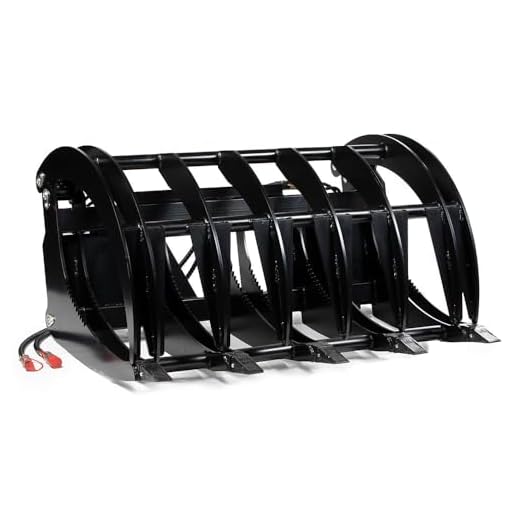


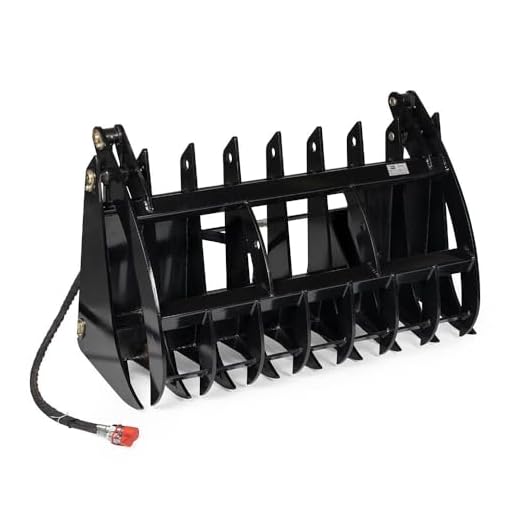
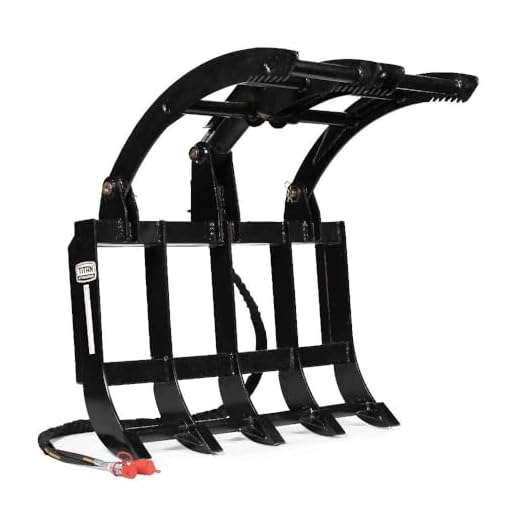
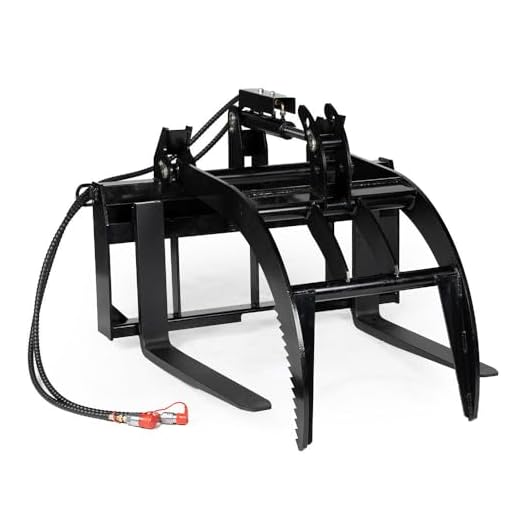


72" Extreme Root Grapple Rake, Twin Cylinders
A top-tier 72" extreme-duty grapple that handles large trees, stumps, and rocks with authority. Its rugged construction and powerful twin cylinders make it my go-to for the toughest clearing jobs.
This 72" Extreme Root Grapple Rake is built to be taken to the worst of the jobsite and come back for more. I used it on fallen trees and bulky debris and it performed like a purpose-built industrial tool: smooth, powerful, and trustworthy under load.
What sets it apart
The nearly industrial-grade welding, thick materials, and twin high-pressure cylinders give it the muscle to lift and sort very large and heavy objects. Users report it’s very rugged and the operation is smooth; just be prepared to manage the weight and logistics of delivery.
Realistic considerations
Because of its weight and size, ensure your skid steer or loader has the hydraulic flow and counterbalance to operate safely. There are a few recurring notes about freight carriers and needing to coordinate delivery — plan ahead so the grapple doesn’t sit at a terminal waiting for pickup.
Final recommendation
If you regularly tackle big trees, large stumps, or heavy rock piles, this 72" extreme rake is a premium option I’d recommend. It’s not an impulse buy, but it’s built for professionals and serious land-clearing tasks and will repay that investment through capability and longevity.
60" Extreme Root Grapple Rake Attachment
A heavy-duty rake-style grapple that excels at moving rocks, logs, and bulky debris with confidence. The twin 3,000 PSI cylinders deliver powerful, controlled clamping — perfect for tough landscaping or farm jobs.
This 60" Extreme Root Grapple Rake is built for the hard work — I used it on stubborn brush and rock piles and it handled the abuse without hesitation. The twin 3,000 PSI cylinders give confident, even closing power which is critical when you’re lifting heavy or irregular loads.
Features that stand out
The extra-wide opening and replaceable forged steel teeth make this model particularly adept at large debris and root-ball work. The construction is robust, and the rake-style design makes sifting and sorting quicker compared with a simple clamshell grapple.
Real-world considerations
Because it’s heavy, you need to run this on a properly sized machine and consider additional ballast to keep the loader stable. Several users reported having to change fittings or adapt couplers, so verify hydraulic hookup compatibility ahead of time. When matched correctly, it’s a workhorse that speeds tough clearing tasks.
Verdict
If your work regularly includes big roots, logs, and rocky debris, this grapple delivers the strength and durability you need. It’s not light or cheap, but it’s built to last and to do the heavy jobs well.
72" Double Cylinder Hydraulic Root Grapple
This wide 72" grapple brings serious reach and bite for land clearing and rock/scrap handling. Dual cylinders give excellent control and power, making it ideal for larger acreage or heavier debris.
This Wolfequip 72" root grapple is built to move a lot of material quickly — I found it especially useful when clearing large brush lines and sorting rocks. The 72-inch width and robust construction make it work-ready for contractors and larger hobby farms.
Built for productivity
The dual 2" bore cylinders with 6" stroke provide balanced, powerful clamping action so you can grab heavier loads without one-sided bind. Fabrication uses thick steel plate and reinforced grapple arms which gives confidence when pulling larger debris or sorting rock piles.
Practical observations and fitment
Because it’s a bigger attachment, you’ll want to match it to a machine with adequate hydraulic capacity and sufficient ballast. During setup I recommend confirming hose lengths, coupler types, and cylinder fittings — some buyers swap fittings to match their couplers. Once in place it was smooth to operate and noticeably reduced time spent on large clearing jobs.
Final thoughts
If you need a wider grapple that won’t balk at larger brush and heavier debris, this is a capable choice. Expect solid performance but plan the installation and machine-match carefully to get the most out of it.
84" Solid Bottom Grapple Bucket Attachment
The solid bottom design is perfect for demolition, recycling, and waste handling where you can’t afford to lose small pieces. I liked its heavy fabrication and universal hookup that fit major equipment brands.
This 84" solid bottom grapple bucket is targeted at heavy tasks like demolition, recycling, and waste processing where durability and containment matter. I found its heavy fabrication and deep box design well suited to handling glass, plastics, bricks, and concrete without losing pieces.
Why the solid bottom matters
A solid bottom gives confidence when scooping small debris that would otherwise fall through typical tines or slotted buckets. That reduces cleanup time and prevents loss of small items during transport. The build quality and deep welds spoke to long-term durability in tougher environments.
Operational considerations
This is not a light attachment — it requires a capable machine and consideration for ballast to maintain stability. It’s also an investment, but for contractors and recycling yards the reduced downtime and longer service life often justify the cost.
Verdict
If your work involves demolition, recycling, or frequent handling of small, heavy debris, this bucket will save time and headaches. I’d recommend it for professional environments where uptime and durability are priorities.
72" Rock Grapple Bucket for Heavy Debris
Optimised tine spacing and heavy-duty build make this a smart choice for rock sorting and clearing. I found the 2.5-inch spacing helpful for filtering out dirt while keeping rocks in the bucket.
This 72" rock grapple bucket is targeted at operators who need to separate and move rock and heavy debris efficiently. The 2.5-inch spacing between tines is a practical design choice — it lets dirt fall through while retaining rock and large material.
Design and usefulness
The robust construction and high-pressure rating mean this attachment stands up well to repeated contact with abrasive rock and rubble. It’s ideal for site prep, landscaping, and cleanup where material separation speeds up the job.
Practical notes
Because of its size and weight, you should match the grapple to machines with the right hydraulic flow and lifting capacity. If you work on property cleanup or frequent rock sorting, the time saved sifting material manually makes the investment worthwhile.
Final impression
I’d recommend this grapple when rocks, concrete pieces, and heavy debris are a regular part of your workload. It’s a focused tool — not a general-purpose bucket — but it performs its intended job very well.
60in Clamshell Root Grapple Rake, Twin Cylinders
The clamshell opening offers excellent control for grabbing brush and limbs, and twin cylinders give smooth operation. It impressed me with its versatility for both pushing and picking tasks.
I enjoyed using the 60-inch clamshell grapple for brush and limb work — the way the top jaw opens almost straight up makes it great for stacking and grabbing without dragging material too much. The twin cylinders are balanced and make the grip predictable.
Strengths in daily use
It works well as both a pushing and grabbing tool, letting me use it as a guard when driving through tall brush or as a scoop for clean piles. The universal skid steer hookup is convenient and simplifies swapping between machines.
What to watch for
I did notice a few reports of delivery and pin slop — a quick inspection and re-torque after arrival is a good habit. Also, while sturdy, some operators prefer more heavily braced frames for very aggressive rock work; this model sits in the mid-range for ruggedness.
Who should buy it
If you need a versatile grapple for landscaping, brush removal, and general property work, the 60" clamshell is a practical and effective option. It’s not the absolute top-tier industrial build, but it’s a reliable, cost-conscious tool that gets the job done.
48" Light-Duty Single Cylinder Root Grapple
A dependable, budget-friendly root grapple that covers a lot of ground for homeowners and small acreage operators. It balances price and capability well, with a universal hookup that made installation straightforward on my loader.
I like how straightforward this 48" light-duty root grapple is — it feels built for weekend jobs and smaller tractors where you want utility without the heavy price tag.
What it does and who it's for
This Economy Series grapple is designed to handle brush, small logs, and debris removal. It uses a single hydraulic cylinder which keeps the design simple and makes it a nice choice for homeowners, hobby farmers, or landscapers who don't need industrial muscle. The universal skid steer connection allowed me to mount it quickly to different machines.
Key benefits and real-world notes
In use, the grapple handled pruning piles, small root balls, and sod removal without drama. The lighter weight translates into easier transport and less stress on smaller tractors. One practical note: a few users mentioned quick-connect fittings that didn't match their tractor; I recommend checking coupler types before ordering to avoid an extra trip to the parts store.
Limitations and final take
For heavy rock, big stumps, or industrial demolition the single-cylinder economy model will feel underpowered. But if your regular tasks are brush clearing, moving medium debris, and occasional lifting, it’s a smart, cost-conscious pick. I’d call it a sensible workhorse for light-to-moderate use.
Hydraulic Pallet Fork Grapple Attachment V2
A well-built pallet fork grapple that adds clamping ability to standard forks, making it easier to handle irregular loads. I found it overbuilt for many uses, which is reassuring if you need longevity.
This pallet fork grapple V2 is a great example of adding utility to a standard fork setup — it clamps loads reliably and converts forks into a multi-purpose handling tool. I liked how solid the 1/2" steel frame felt; it inspires confidence when lifting irregular or stack-prone materials.
Why choose a fork grapple
If you frequently move palletized goods, fence posts, or odd-shaped materials that tend to slip, the hydraulic grapple gives you positive control. The quick-tach mounting system makes swaps fast and the overall construction leans toward longevity rather than cost-cut corners.
Fit and usage tips
Because it’s robust, this model works best on mid-to-large machines that can handle the added weight. Some smaller operators might prefer a lighter fork option. In my experience the grapple makes tricky lifts (like awkward pallets or loose bales) much safer and faster to manage.
Bottom line
If you want a dependable, overbuilt fork grapple that will take abuse and keep working, this is a solid choice. Just confirm your machine’s capacity to carry the extra weight comfortably.
HUAYEE Log Grapple for Skid-Steer Loaders
Designed specifically for wood handling, this grapple is a straightforward, affordable option for landscapers and farmers handling logs. I found it practical for routine wood-moving tasks but recommend confirming link-size fit before purchase.
HUAYEE’s log grapple is aimed at operators who primarily handle wood — think log piles, firewood, and tree work. The listing specifies link-size dimensions, which I appreciated because fitment matters a lot for these attachments.
Practical performance
It’s solid for routine use: grabbing rounds, stacking, and moving cut timber. The design is uncomplicated which keeps maintenance simple. I’d classify this as a capable workhorse for farms and yards rather than a contractor-grade industrial tool.
Buying tips and limitations
Double-check the link size of your skid steer before buying — getting the wrong hookup is a common pitfall. Also, if you need multi-use capability (rocks, brush, demolition) you might prefer a more universal grapple design.
Final take
If your work is mainly wood-related and you confirm fitment, this is a good-value, functional grapple that makes log handling much easier and safer.
Hydraulic Pallet Fork Grapple Frame Only
A no-frills pallet fork grapple frame that brings grapple function to a fork setup at a lower price point. It’s solid and practical but heavy, so check tractor specs before buying.
This pallet fork grapple frame-only model is an economical way to add a clamping capability to pallet forks. I appreciate the straightforward design: it does what it’s supposed to without unnecessary bells and whistles.
When this makes sense
It’s ideal if you already have pallet forks and want to add a grapple without buying a complete new attachment. The frame is rugged and built to last, though that durability translates into weight — be mindful of your carrier’s lift capacity.
Caveats and setup tips
Because it’s heavier, smaller tractors may feel the added mass — check your machine’s rated lift. Also, buyers should verify whether additional components (hydraulic lines, couplers) are required to complete the installation.
Summary
If you want a cost-efficient way to add grapple control to existing forks and your machine can handle the weight, this is a sensible option. It’s utilitarian rather than premium, but effective.
Final Thoughts
If you need one go-to grapple for the nastiest jobs, grab the 72" Extreme Root Grapple Rake, Twin Cylinders (9.3/10). Its rugged construction and twin cylinders give the bite and control you want when handling large trees, stumps, and rocks. I use it for large-scale land clearing because it moves big, awkward debris fast and holds up to repeated abuse.
For demolition, recycling, or situations where you can’t afford to lose small pieces, choose the 84" Solid Bottom Grapple Bucket Attachment (8.7/10). The solid bottom keeps fines and small debris contained, the heavy fabrication stands up to recycling work, and the universal hookup fits most machines—perfect for demolition sites and waste handling.
Quick note: if you mostly work in tighter spaces or on smaller acreage, consider the 60" Extreme Root Grapple Rake as a more compact heavy-duty alternative. But for sheer clearing power and durability, the 72" and 84" are my top two picks.







Quick question — the HUAYEE log grapple says ‘confirm link-size fit before purchase.’ How strict is that? My loader is a generic older model.
I almost returned one because I didn’t measure. Took 10 minutes to check specs and then it fit fine. Don’t guess — measure.
Very important. Link-size and pin diameter can vary. Measure your machine’s mounting link width and pin specs, and compare to the HUAYEE listing. Adapters can sometimes be used, but they add complexity.
I bought the 84″ solid bottom grapple for recycling work at a small demo site. Quick thoughts:
– It’s heavy as heck but built like a tank.
– Solid bottom really helps with small debris.
– Make sure your quick tach is compatible; some adaptors needed on my older loader.
Overall: thumbs up, but bring a strong machine.
Good point on magnets — for mixed demolition, combine the solid bottom with a strong magnetic separator for metal recovery.
Thanks for the write-up, Jake. The weight is a common comment — good to check your machine’s lift and hydraulic spec before ordering.
How does it handle sorting metal vs. wood? Any trouble dropping small nails or screws through?
Agreed. I swapped a few adapters to fit my older Bobcat. If you do demo/recycling full-time, the solid bottom saves time on cleanup.
Marcus — nails and tiny bits stay in the bucket with the solid bottom, which is great. For separation you still need magnets and a sorting area.
I love the idea of a pallet fork grapple (Titan V2) for odd loads at the farm. Anyone regretted buying the fork/grapple combo because it was too heavy or awkward?
Some users mention the fork grapple is heavy, especially the V2 with 1/2in steel. If your tractor has limited lift capacity, weigh that. But for durability and longevity, the extra weight is often worth it.
No regrets here — handles hay bales and palletized stone well. Just be mindful of balance; move loads slowly until you know the feel.
If you’re often using forks without the grapple, remember adding the grapple changes balance. I leave it off unless I need the clamp.
Humor me: if you could only own one grapple from this list for a mixed small farm (logs, rocks, occasional pallet work), which would it be? I’m lazy and want versatile. 😂
For pure versatility I’d lean Titan 60in clamshell root grapple. Good balance of width, clamping power, and usefulness across logs, brush, and some rock handling.
Agree with admin. The Titan 60 does many things well. If you did mostly rock, pick the Landhonor or Wolfequip 72 instead.
I’m torn between the 60″ Titan Rake and the Wolfequip 72″ — I mostly clear brush and light logs on 10 acres. Which would be more versatile for both pushing and grabbing?
For mixed brush and logs on 10 acres, I’d pick the 60″ Titan clamshell if you want control for grabbing. Wolfequip 72 is great for wide clearing but can be bulky for tight spots.
Both solid choices. If you need more width and are primarily doing wide-area clearing, Wolfequip 72″. If you want precision picking and clamshell action for limbs and brush, go Titan 60″.
Small rant: why do listings never include total weight clearly? I want to know if my compact Bobcat can handle the 72″ options.
That said, the Titan 48″ light-duty sounds perfect for homeowners — anyone run it on a small tractor?
Manufacturers often list weight in specs but some sellers omit it on Amazon — annoying. Titan 48″ economy series is designed for lighter machines and small acreage; just confirm lift and hydraulic requirements.
If in doubt, call the seller or check the PDF spec sheet. It saved me from buying something my tractor couldn’t lift.
I used the 48″ on a compact loader for brush cleanups — it worked great and was much easier to maneuver than the 72s.
Totally — weight matters. I installed a 48″ on my subcompact and it’s been a champ for year-round cleanups.
Also check rated PSI — some are rated at 4000 PSI like the Landhonor and require robust hoses and fittings.
Long post — been comparing specs and thought I’d share my process in case it helps others:
1) List what you’ll use it for (logs, rock, demo).
2) Match that to review badges (e.g., Titan 72″ for heavy clearing, 84″ solid bottom for demo).
3) Confirm machine hydraulic PSI/flow and lift capacity.
4) Double-check mounting and link dimensions.
5) Read warranty and part availability (teeth replacements etc.).
Hope this saves someone from buyer’s remorse. 😊
Saved this list — thank you! Step 5 was my blind spot until I needed teeth replacements mid-season.
Excellent checklist, Liam. Especially step 4 — mounting mismatches create the biggest headaches.
Adding: check seller’s return policy on Amazon and look for ‘US STOCK’ tags if you need fast replacements.
Also consider resale value — Titans tend to hold value better if you upgrade later.
All great extras. Thanks everyone for the tips — this thread turned into a mini FAQ!
Great roundup — thanks! I’ve been eyeing the Titan 72″ Extreme Root Grapple for a while. Anyone here used it on rocky soil? I’m worried about wear on the teeth and the hydraulic demands on an older skid steer.
I used the Titan 72″ on mixed rocky/clay ground for a season. The replaceable forged teeth held up well — swap them as they wear. Just check your machine’s hydraulic flow; twin 3,000 PSI cylinders draw a bit more, but most mid-size machines handle it.
I’ve had good luck with the Titan teeth. Pro tip: keep a small stock of spares and an angle grinder to dress the edges in the field. Saved me a ton of downtime.
I ran one for two summers — yes it eats teeth on very abrasive rock, but it’s way better than cheap tines. If your skid steer is older, measure PSI/flow first like admin said.
Anyone tried the Landhonor 72″ rock grapple? The 2.5-inch tine spacing sounds ideal for keeping rocks while letting dirt fall through. Curious about build quality vs Titan.
I use the Landhonor on a Kubota — spacing works well. Just double-check the mounting dimensions; it fit my quick hitch without drama.
If you need extra durability for very heavy rocks, Titan is safer; if you want value and good rock sorting features, Landhonor is smart.
I swapped from a Titan to a Landhonor for budget reasons — honestly it’s been solid for rock work, but Titans still feel more overbuilt.
Landhonor is a nice midrange option — good welds and spacing for rock sorting. Titan tends to be a bit heavier-duty overall, but Landhonor offers great value especially for rock separation tasks.
Is the clamshell root grapple (Titan 60in) easy to use for someone new to grapples? I mainly have shrubs and small roots to clear around my property. Not a pro operator here 🙂
If you’ve never used a grapple, start slow. The twin cylinders give smooth action, but it takes a bit to judge where to set the tines.
Yes, clamshell designs are intuitive — they close like a jaw, letting you grab brush and roots. For a beginner, practice in a safe area to get used to timing and bucket approach.
Price vs quality — the Titan models seem pricier but look bombproof. Has anyone gone with the cheaper HUAYEE or the lower-rated Titan pallet fork and regretted it?
I bought a lower-rated fork grapple for occasional barn work. It’s fine but definitely shows wear faster than the Titan I demoed at a friend’s place.
Cheaper options can be fine for light work (HUAYEE for logs, entry-level fork grapple for occasional use). For daily heavy use, heavier Titans tend to last longer and cost less over time in repairs.
One of the reasons I liked this roundup was the clear badges: ‘Best for…’ made it easy to choose. Quick question for admin: any maintenance schedule you’d recommend for the hydraulic cylinders on these grapples?
I also torque-check bolts after the first 10 hours and then monthly. Saves surprises.
Don’t forget to cycle the grapple without load occasionally to check for binding or slow return — catches seal issues early.
Nice to hear! For cylinders: inspect seals periodically, keep pivot grease points lubed, check hoses for abrasion, and replace hydraulic fluid/filters per your machine’s schedule. Clean debris from around the pins to reduce wear.