


Which 14×40 will actually make me look like I know what I’m doing? (Hint: weight and a good stand help.)
A rock‑solid lathe makes better bowls and fewer expletives. I focus on rigidity, smooth bed ways, and a machine that’s ready to use without improvising a stand.
I put each 14×40 through roughing, fine turning, and sanding to see how it handles vibration and setup. My priorities are simple: minimal fuss, predictable performance, and a feel that inspires confidence rather than worry.
Top Picks


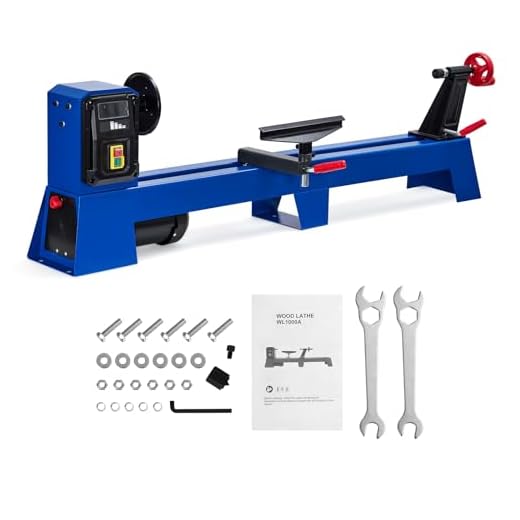
JET 14x40 Lathe Bundle with Legs
Pairing the 1440 lathe with the dedicated leg set gives a solid, ready-to-use workstation that reduces setup hassle and improves rigidity. It’s the best choice if you want a polished benchtop lathe experience without improvising a stand.
Overview
This bundle takes the excellent JET 14x40 platform and turns it into a complete workstation by adding the purpose-built leg set. In my shop that combination eliminated the guesswork of mounting and gave the lathe a rigid, vibration-resistant base immediately.
Benefits of the bundle
The lathe’s features—sliding headstock, variable speed (400–3,000 RPM), and indexing—are amplified by the legs, which stabilize the machine and improve surface finishes on delicate cuts. I also appreciate the integrated digital RPM display, which simplifies speed matching.
Who this is for
If you’re equipping a home or small professional shop and want a no-fuss installation, this bundle is the package I’d recommend. Yes, it costs more up front, but the combined stability and convenience usually pay off in better results and less trial-and-error on installation.
JET 14x40 Variable-Speed Benchtop Lathe
I appreciate the combination of power, cast-iron stability, and the pivoting headstock that lets you tackle a wide variety of turning tasks. The variable speed range and solid build make it a reliable center of my small shop.
Overview
I turn to this lathe when I need a benchtop machine that behaves like a full-size lathe. The design centers on versatility: a sliding, pivoting headstock that locks in seven positions, a 1 HP motor with a wide speed range, and a cast-iron bed that keeps chatter down. That combination lets me move from small spindles to medium bowls without swapping machines.
Key features and practical use
The features I use most are the variable speed control and the indexing capability. The variable speed helps me match RPM to wood species and blank size; the indexing and positive locking headstock make repetitive cuts and tenons easy.
I’ve found the included accessories (centers, faceplate, tool rest extension) mean you can get turning quickly out of the box.
Performance, benefits, and limitations
In practice the lathe is quiet, rigid, and forgiving when I’m roughing stock. The weight and stiffness reduce vibration and improve surface finish. That said, the mechanical speed control isn’t as smooth as an electronic drive—you can change speed only while running and the control feel isn’t as precise as some modern digital units. If you want the ultimate in fine speed tuning, expect to consider an upgrade or a different model with full electronic variable frequency drive.
Who I recommend it for
I recommend this to hobbyists who want a workhorse benchtop lathe that will last and to pros who need a secondary, versatile lathe. It’s not ideal if you need lightweight portability, but if you care about stability and functionality, this is one of the best 14x40 options I’ve used.
JET 14x40 Variable-Speed Wood Lathe
I value the silky-smooth ways and the robust construction that make precision turning effortless. While the mechanical speed adjustment isn't the slickest, the lathe’s overall capability and component quality win out for serious hobbyists.
Overview
This variant of the JET 14x40 earns my respect for how smoothly it runs and how well it’s built. The bed ways glide, the banjo locks positively, and the tailstock quill provides good travel for deeper work. For turners who prioritize feel and reliability, this lathe delivers.
Practical features I use
The variable pulley arrangement gives a wide speed range, and the headstock pivot is great when working on larger-diameter pieces or off-center projects. I turn spindles and medium bowls on it without worrying about excessive vibration.
I do wish the speed adjuster were easier to operate—many users (myself included) would prefer an electronic control for finer, easier adjustment.
Who should consider it
If you want a lathe that feels dependable and lasts, this is a strong choice. It pairs well with woodworkers who want a machine that focuses on mechanical excellence rather than high-tech bells and whistles.
Prolinemax 1/2HP 14x40 Four-Speed Lathe
This four-speed lathe gives a familiar, belt-driven feel and straightforward operation that many hobbyists appreciate. It won’t beat premium cast-iron machines for smoothness, but it’s a practical and capable tool for general turning.
Overview
The Prolinemax 14x40 lathe is a straightforward, mechanical lathe that leans on tried-and-true belt and pulley speed selection. I like its simplicity: set the belt, lock the headstock, and get to work. That predictability helps new turners learn how speed affects cuts.
Features I value
The fixed-speed pulleys offer discrete speed settings from low to relatively high RPMs, which is plenty for turning spindles, small bowls, and many craft projects. The unit’s overall footprint and capacity are what I’d expect for a hobby shop machine.
Practical considerations
If you require very smooth, chatter-free performance for large-diameter bowls, you’ll notice the difference between this and heavier cast-iron lathes. But for everyday projects and as a dependable, low-maintenance machine, it’s a solid midrange pick.
GarveeTech 14x40 400W Benchtop Lathe
I like this as a low-cost helper lathe for high-speed sanding and finishing operations. It offers decent power for its class, though it’s not as rigid as heavier benchtop models when doing aggressive cutting.
Overview
This GarveeTech 14x40 lathe is aimed at hobbyists who want a compact, reasonably powerful machine without spending a lot. The 400W motor and four-speed outputs make it useful for finishing, sanding, and light turning projects.
What impressed me
I like the soft-start feature—spindles come up to speed smoothly, which reduces shock on accessories and blanks. For spindles and small to medium bowls it performs well, and it’s light enough to move around a shop when needed.
Real-world limitations
What you give up for the price is long-term durability and heavy-cut performance. If you plan to rough out large blanks or do production work, this model will show its limits. For occasional use, sanding work, or as a practice lathe, it represents good value.
14x40 Mini Benchtop Lathe with Chisels
This lathe gives a solid small-shop option with a copper-wound motor and four-speed settings that suit sanding and finishing tasks. It’s a practical choice for beginners but lacks the rigidity for large, aggressive turning.
Overview
I treat this machine as a sensible, compact lathe for someone starting out or needing a secondary shop tool. The copper-wound motor is a pleasant surprise because it runs cooler and often quieter than cheaper motors. With four fixed speeds it covers most hobbyist use-cases.
Features and everyday use
The included chisel set and the benchtop form factor make it easy to set up in a garage or basement. I use it for small bowls, goblets, and spindles; the speed options are helpful when switching between turning and polishing.
Practical considerations
Expect to upgrade the tool rest and possibly reinforce the mounting if you push the machine hard. For light to moderate use, it’s reliable and economical; for professional or heavy roughing work, you’ll feel the limits.
VEVOR 14x40 Benchtop Wood Lathe
This machine is a low-cost way to learn the basics of woodturning and is surprisingly capable for light work like pens and small spindles. Expect to upgrade fast if you move into heavier or more demanding projects.
Overview
I see this VEVOR lathe as a straightforward entry-level machine: it gives you a 40-inch between-centers capacity and a 0.5 HP motor at a price most beginners won’t balk at. It’s meant for hobby use—pens, small spindles, and light bowls—rather than continuous heavy-duty production.
What it does well
For me the biggest wins are the accessible price and the inclusion of basic tooling. If you want to experiment with turning without a big initial investment, this will get you turning quickly and teach you the fundamentals.
It’s easy to set up on a workbench, and you can adapt chucks and drill chucks to expand capability.
Limitations and upgrade path
The trade-offs are visible: the sheet-metal bed and light weight mean vibration with off-balance blanks, and some owners report motor or hardware failures with heavy use. I recommend checking and upgrading key wearing parts early—toolrest, locking hardware, and the headstock screw—if you plan to keep it as a regular practice lathe. In short, it’s a learning platform more than a long-term shop centerpiece.
0.5 HP 14x40 Variable Speed Lathe
It will do basic turning and give beginners a chance to learn the tools and techniques without a large investment. However, build quality and durability vary and some users report fitment and durability problems.
Overview
This inexpensive benchtop lathe targets the absolute beginner who wants to try woodturning before committing to a higher-end machine. The infinitely variable speed is a nice touch for dialing in RPM for sanding and finishing tasks.
What to expect in the shop
You can turn small projects like bats, pens, and light bowls. I recommend using modest stock sizes and keeping expectations aligned with the price: it isn’t a heavywork lathe and will struggle under aggressive cuts.
Practical advice and caveats
Several owners report center and thread-fit issues when tightening stock, so be ready to replace or upgrade small components. For me, this is a transition tool: it’s good to learn on, but most users I know eventually trade up to a sturdier machine once they commit to the hobby.
14x40 400W Budget Benchtop Wood Lathe
I see this as a true budget option: it may get you turning, but expect to inspect incoming parts carefully and be ready for returns or upgrades. Several user reports suggest packaging damage and flimsy components are a real risk.
Overview
If price is the main constraint, this lathe will put basic turning within reach. Its 400W motor and four speed options allow for a range of finishing and light-turning tasks. That said, I treat it as a temporary step rather than a long-term workshop investment.
Real-world experiences
From what I’ve seen and heard, buyers should carefully inspect the unit on arrival—some shipments show damaged boxes, rattling hardware, or thin steel construction. The tailstock adjustment wheel and other plastic parts are the first to draw concern under repeated use.
Summary advice
I recommend this only for very light-duty use or for someone who’s mechanically inclined and comfortable replacing/upgrading substandard parts. If you want a trouble-free, long-term lathe, saving for a higher-quality model will usually be the better investment.
Final Thoughts
I recommend the JET 14x40 Lathe Bundle with Legs as my top pick for most woodturners. Its biggest strength is the out‑of‑the‑box, stable workstation—buy this if you want a polished benchtop setup immediately, fewer mods, and the rigidity that makes rough turning and finishing far easier.
If you want the most versatile professional benchtop machine, pick the JET 14x40 Variable‑Speed Benchtop Lathe. It pairs cast‑iron stability with a wide variable speed range and a pivoting headstock, which is ideal for mixing spindle work, bowls, and fiddly projects where speed control and flexibility matter. These two cover the clearest shop needs: ready stability (Bundle with Legs) and maximum turning versatility (Variable‑Speed).
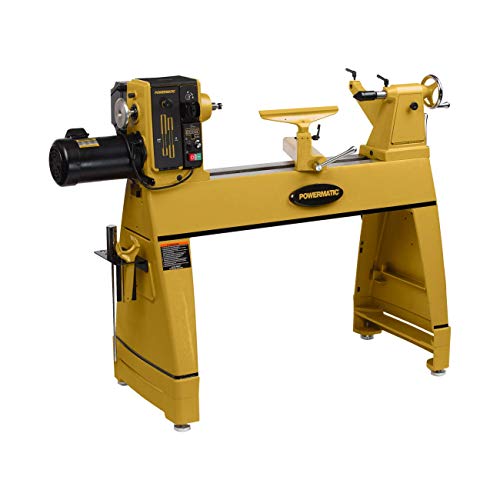







Question to the group: are the dedicated leg sets really necessary? I’m tempted to leave my JET on a heavy bench top but worry about ergonomics and height. Does the leg set improve vibration damping or is it mostly convenience?
Thanks all — sounds like I should budget for the legs. Saves time later.
Also consider future resale: having the proper leg set keeps the lathe in the configuration most buyers expect.
Short answer: they do both. The JWL-1440VS leg set improves stability and brings the lathe to a comfortable working height. For serious turning it’s worth it; for casual users a heavy bench can be acceptable.
Leg sets = huge improvement in rigidity and ergonomics. A bench can be solid, but a purpose-built leg set is designed to match the lathe footprint and reduce resonance better than a random bench.
The silky smooth bed of the JET Model JWL-1440VS is legitimately noticeable. I sold my old cheap benchtop because I couldn’t get the same finish — the ways on the JET make tool control much easier. Yes, it’s pricier but saves time on sanding and rework.
It’s the little things. Once you have a smooth bed you start to notice sloppy machines everywhere 😂
Totally — machine quality often shows up in less sanding and cleaner cuts. That’s part of why we rated the JETs so highly.
Ha — so true. My neighbors can hear me ranting about bed alignment now.
I use the GarveeTech primarily for sanding and polishing — exactly the review badge says. It runs fast and has enough power for finishing work on bowls I did on my main lathe. Don’t try heavy turning on it, though. It’s a nice little helper machine.
Would you say it replaces a spindle sander for finishing hollow forms, or does it just supplement?
Love that use-case — helper lathes for sanding are underrated. Glad GarveeTech is serving that role for you.
Supplements, for sure. It’s more flexible for circular finishing but not a direct replacement for shaped sanding drums.
Fun article! Ratings make sense: top JETs at the top, then the midrange and budget ones. I do think the 4.8/5 star cheap lathes are only for people who enjoy troubleshooting — and that’s not a bad hobby if you like tinkering 😂
PS: who else reads tool reviews like they’re smuggled treasure maps?
Haha yes. I always imagine a pirate with a lathe in the galley.
Glad you enjoyed it! Reviews can definitely be treasure maps — or traps, depending on the seller. Happy hunting!
I’m brand new to turning and your beginner section was super helpful. Quick question: which of the cheap 14×40 options would you recommend as a first practice machine that won’t make me toss it after two projects? I don’t have a huge budget but don’t want constant failures.
For beginners on a budget, I usually suggest picking one of the better-reviewed budget models with a copper-wound motor and decent customer feedback — avoid the absolute cheapest that have many reports of fitment issues. The mid-rated GarveeTech or the generic 0.5 HP variable-speed models can be good starting points, provided you inspect incoming parts carefully and buy from a seller with a good return policy.
Thanks! That helps — I’ll look into GarveeTech and maybe budget for a decent chisel set. 😊
I’d echo that. Buy the least expensive that has replacements available and buy basic good chisels separately. The included chisel kits on super-cheap lathes are usually meh.
I want to call out the packaging issue others mentioned: several budget units had damaged components on arrival. I learned to inspect everything immediately and test run with light blanks. If it’s noisy or wobbly out of the box, insist on a replacement.
Good practical advice. We included that warning in the roundup because returns on budget models are a common pain point.
Totally — I also take photos and note serial numbers. Makes returns smoother (and faster).
Anyone else think the included chisel sets with the cheapest lathes are deceptive? The listing looks like you get a complete setup but they’re usually junk. Spend a bit extra on a decent HSS or carbide set before you start.
Yep — we recommend budgeting for a quality tool set as part of your lathe purchase. Good chisels drastically improve your learning curve and results.
Agree 100%. Those kits are for feel-good marketing. Buy a proper gouge, skew, and parting tool separately.
Exactly. I only needed two good tools to get a massive improvement.
Pro tip: buy one good tool at a time and learn it — you’ll get better results faster than with a full cheap kit.
Prolinemax surprised me — got it as a backup and it’s been reliable for smaller projects. For the price you get a decent midrange lathe. It’s not silky like cast iron JETs, but I’ve turned plenty of small bowls and pens on it with no drama.
Thanks — that’s exactly the nuance in the review badge: reliable midrange for hobbyists. Vibration management (tool technique/load) is key with belt-drive hobby lathes.
That matches my experience. It vibrates a tad at higher speeds, but for the cost it’s acceptable. Use lighter cuts and it’s fine.
Great roundup — thanks! I own the JET JWL-1440VS bundle and can vouch for that “complete, stable workstation” badge. Set up was straightforward and the leg set really makes a difference when you want zero wobble during hollowing. If you’re on the fence between the bundle and the standalone head/bed, the extra cost for the legs was worth it for me.
Nice — I was worried the legs would be an unnecessary expense. How heavy is the whole setup? Thinking about moving it around the shop occasionally.
Thanks for sharing your hands-on view, Emily — exactly the kind of detail other readers need. How long have you been using it and any tips for first-time setup?
It’s not light but still manageable for two people. Once the legs are bolted on it feels very rigid; I only move it for major shop rearranges.
I liked how you called out the mechanical speed adjustment on the JET JWL-1440VS — that’s been my only gripe. It’s rock-solid for finish turning, but switching speeds mid-project is a bit clunky.
If you do a lot of sanding at high RPMs, changing belts takes a few minutes and breaks flow. Not a dealbreaker for me, but if you want smooth on-the-fly changes look for the variable inverter models.
Still, the smooth bed really helps with fine work. Overall very happy.
Agree 100%. I rigged a little rack to keep tools and belts handy — saves a minute or two each change. 😂
Good point about workflow. The belt change does interrupt momentum. For people who switch RPM a lot, the variable-speed model is recommended despite the higher cost.
I had a VEVOR 14×40 for a year as my starter and it got me from pens to small bowls. It’s definitely a starter lathe as the review says — I upgraded when I got into larger work. For the price it taught me a lot without breaking the bank.
Thanks for sharing that progression — the VEVOR is a common stepping stone. Good to know it served you well for small projects before upgrading.
That’s encouraging — I’m in the same boat and wondering when to upgrade. Any signs you hit before buying a bigger machine?
Ugh, I bought the cheapest 14×40 because I was impatient and regretted it. Packing arrived dented, threads stripped, and the dust cover was cracked. Took forever to get a replacement part. Lesson learned: save an extra $200 for a JET if you can. 😒
Same happened to me with a super-cheap unit. The seller eventually refunded, but it killed my motivation for a month.
Tip: open every box on camera and test immediately. That footage helped me get an RMA faster when something was damaged.
Sorry you had that experience — that’s unfortunately common on the low end. The roundup flags the budget models as risky for that reason. If returns are a hassle where you are, spending a bit more up front often reduces headaches.
Solid comparisons. I’m trying to decide between the JWL-1440VSK (with legs) and the JWL-1440VS (manual speed). The VSK’s pivoting headstock sounds tempting for toolrest alignment on bowls — anyone here use both?
I’ll add: the VSK package tends to come with the 1 HP motor that gives a bit more torque for heavy cutting. That helped me avoid stalling on tough grain.
Good question — I highlighted the VSK as the most versatile. If you prioritize bowl work and quicker setup, the pivoting headstock really pays off. If you mostly do spindles, the VS will be fine.
I used the VSK for a season. The pivoting headstock is legit — makes center alignment on larger blanks easier. If you do bowls regularly, it’s worth the premium.