

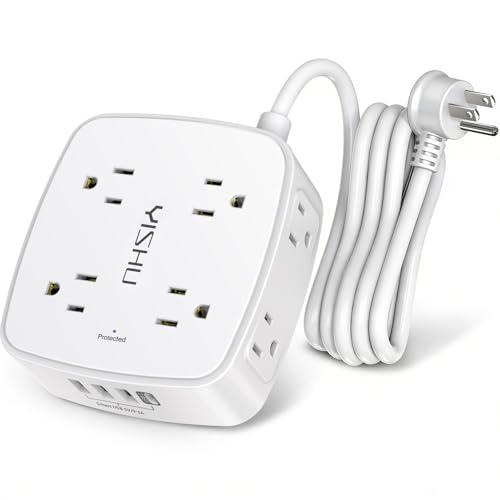
The step-by-step guide “How to avoid tripping hazards with extension cords” aims to help individuals prevent accidents and ensure safety when using extension cords. By following a series of clear instructions, users can effectively mitigate the risk of tripping hazards associated with extension cords while maintaining convenience and functionality.
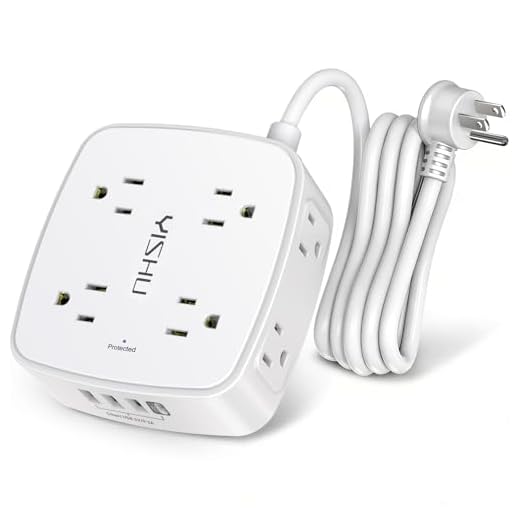


Choose the Right Cord Length
Select an extension cord that fits your needs perfectly by choosing a length that reaches your intended outlet without any extra cord resting on the floor. This will help prevent tripping hazards and keep your space organized. Make sure to measure the distance from the outlet to where you need the power source, and select a cord that is just long enough to cover this distance. Avoid having excessive cord coiled or scattered on the floor to maintain a safe and tidy environment.
Inspect the Cord Regularly
Check the extension cord regularly for any signs of damage such as fraying, exposed wires, or cracks. Inspect the entire length of the cord, including the plug and the socket connections. If you notice any of these issues, it is crucial to replace the cord immediately to prevent accidents or electrical hazards.
For example, if you see frayed or worn sections on the extension cord, this can expose the wires inside, increasing the risk of electric shock or fire. Similarly, cracks in the cord’s insulation can lead to short circuits or electrical fires. By taking the time to inspect and replace damaged extension cords, you are ensuring the safety of yourself and those around you. Remember, safety always comes first!
Secure the Cord Properly
Keep the extension cord away from high-traffic areas to prevent tripping hazards. Secure the cord using cord clips or tape.
- Find a suitable route for the extension cord that is away from areas where people usually walk.
- Use cord clips to attach the cord to walls or baseboards securely.
- Alternatively, use tape designed for securing cords against floors or carpets.
- Make sure the cord is taut and not sagging to further reduce tripping risks.
- Avoid running the cord across doorways or under rugs where it may not be visible.
Following these steps will help you keep the extension cord out of harm’s way and prevent accidents in high-traffic areas.
Avoid Overloading the Cord
- Plug each high-powered device directly into a wall outlet instead of daisy-chaining them into a single extension cord. For example, if you have a space heater, a microwave, and a toaster oven, ensure each appliance has its own dedicated outlet.
- Avoid plugging a power strip into an extension cord to connect multiple devices. Instead, plug the power strip directly into a wall outlet. For instance, if you need to power your computer, printer, and desk lamp, connect them to a surge protector power strip directly into the wall socket.
- Remember, certain high-powered devices like air conditioners, refrigerators, or space heaters should always be plugged directly into a wall outlet to prevent overheating and reduce fire risks. Avoid the temptation to overload extension cords with multiple high-energy appliances to prioritize safety in your home or workspace.
Use Cord Covers
Place cord covers or rugs over extension cords that run across walkways to increase visibility and prevent tripping hazards. Opt for bright-colored cord covers or rugs, such as yellow or orange, to make them stand out. This will make people more aware of the cords and less likely to trip over them. Try using adhesive cord covers that stick securely to the floor to keep cords in place and further reduce the risk of tripping. Ensure that the cord covers lay flat and are not lifting or curling at the edges to prevent tripping.
Another option is to use rugs that match the color of the flooring to camouflage the cords and make them less noticeable. Secure the rugs in place with rug tape or non-slip rug pads to prevent them from shifting or bunching up. Additionally, consider using rugs with low pile height to minimize the height difference between the rug and the floor, reducing the tripping hazard. Remember to regularly inspect the cord covers and rugs to ensure they are in good condition and continue to provide a safe pathway across the walkway.
Unplug When Not in Use
- Unplug extension cords when not in use: Make it a habit to disconnect extension cords from outlets when you’re not actively using them. This helps eliminate potential tripping hazards and ensures safety in your home or workspace.
- Save energy: You can also save energy by unplugging extension cords when not in use. Even when not in use, extension cords can still draw power and contribute to your electricity bill. So, remember to unplug them when you’re finished using them.
Proper Storage
- Coil the extension cord neatly by holding one end in your hand and looping the cord around your elbow and hand in a circular motion.
- Secure the coiled extension cord by using a twist-tie, Velcro strap, or a purpose-built cord reel.
- Store the coiled extension cord in a designated area, such as a toolbox, shelf, or wall-mounted hook, to prevent tangling and tripping hazards.
- Ensure the storage area is dry and away from heat sources to maintain the cord’s integrity.
- Regularly check the stored extension cords for any signs of wear or damage, and replace them if necessary to prevent accidents.
Preventing Accidents with Extension Cords
Alright, let’s wrap this up and keep you from face-planting over cords.
You’ve now got the inside scoop on dodging extension cord chaos. We’ve covered all the key moves to keep you safe and your space trip-free.
So, what’s the big takeaway?
For anyone who’s sick of playing hopscotch with cords, here’s your game plan:
- Measure twice, buy once – get the right cord length
- Play inspector gadget – check those cords regularly
- Secure like you mean it – no loose cords allowed
- Don’t be a power hog – one device per outlet, folks
- Cover up – make those cords invisible ninjas
- Unplug it – if you’re not using it, lose it
- Coil like a pro – store those bad boys right
Remember, the best cord is the one you don’t trip over.
Got more questions? I’m all ears. Now go make your space a no-trip zone!
Essential Supplies

Stay Safe Around Cords
Extension Cord Usage Tips
- Make sure the extension cord is rated for the intended use (indoor or outdoor, heavy-duty, etc.)
- Inspect the cord for any damage such as fraying or exposed wires before use
- Plug the extension cord into a grounded outlet to reduce the risk of electrical shock
- Avoid overloading the extension cord by connecting too many devices, follow the cord’s wattage capacity
- Do not run the extension cord under carpets or rugs, as this can create a fire hazard
Extension Cord FAQs
The maximum wattage an extension cord can handle depends on its wire gauge and length. For example, a typical household extension cord with 16-gauge wire can handle around 1,300 watts at 120 volts. Thicker wires like 14-gauge or 12-gauge can handle higher wattages. To ensure safety, always check the manufacturer’s guidelines for the specific extension cord you are using to determine its maximum wattage capacity. Remember to never overload an extension cord to prevent overheating and potential fire hazards.
It is generally not recommended to plug multiple extension cords together. Doing so can increase the risk of overloading the circuit, which may lead to overheating and potentially cause a fire. If you need to extend your reach, consider using a single, high-quality extension cord that is long enough for your needs and has the necessary capacity to handle the electrical load. It’s always best to prioritize safety when using electrical appliances and outlets.




One tip I would add is to never run extension cords under rugs or carpets. It might seem like a quick fix, but it can pose a serious fire hazard. Always keep cords on the surface to prevent overheating.
That’s a great addition to the guide! Running cords under rugs or carpets can indeed lead to overheating and potential fire hazards. Keeping cords on the surface is a safer practice.
I have a small workshop, and I struggle with the clutter of cords. Do you have any tips on organizing multiple extension cords in a workspace to avoid tripping hazards?
I’ve been struggling with securing the cord properly without causing damage. Any tips on how to secure extension cords without risking wear and tear?
When securing extension cords, consider using cable clips or hooks to avoid strain on the cord itself. These accessories help keep the cord in place without causing damage.
I’ve seen conflicting advice on whether it’s safe to daisy-chain extension cords. Can you provide some clarity on this issue?
Daisy-chaining extension cords is generally not recommended as it can lead to overloading and increased fire risks. It’s best to use a single, properly rated extension cord for each application to ensure safety.
I found step 5 about using cord covers particularly useful! I never thought about how they could prevent tripping hazards. I’m going to invest in some cord covers for my extension cords to make my home safer.
I have experience with electrical work and wanted to share that using heavy-duty extension cords for high-power tools is essential. Choosing the right cord for the job is crucial to prevent overloading and hazards.
Thanks for sharing your expertise! Using heavy-duty extension cords for powerful tools is a smart practice to prevent overloading. Choosing the right cord for the specific job is always key to safety.
I live in an area prone to high humidity, so I realized that inspecting the cord regularly is even more crucial to avoid any potential electrical hazards. Thank you for highlighting this important point!
Thank you for sharing your insight! Regular inspection of extension cords is indeed crucial, especially in environments with high humidity to ensure safety.