If you’re looking to become a pro at using portable saw mills, you’ve come to the right place. This article shares valuable tips and insights from experienced operators. Whether you’re just starting out or you’ve been cutting lumber for a while, these tips will help you get the most out of your sawmill. Let’s dive in!
Key Takeaways
- Choose the right portable sawmill for your needs based on size and features.
- Always clean and prepare logs properly before cutting to improve blade life.
- A level setup is crucial for accurate cuts and better lumber yield.
- Regular maintenance and blade care can prevent many common sawmill problems.
- Join local sawmill groups to learn and share tips with other operators.
Understanding Your Portable Sawmill
Types of Portable Sawmills
Alright, so you’re diving into the world of portable sawmills. First off, there are different types to consider. You’ve got your band sawmills, perfect for cutting wide boards and slabs. Then there are chainsaw mills, which are super handy for smaller projects. And don’t forget swing blade sawmills, known for their precision and ease of use. Each type has its own vibe and fits different needs, so think about what works best for you.
Key Features to Look For
Now, when you’re picking out the best portable sawmill, there are some features you really want to keep an eye on. Engine power is a biggie. More power means more cutting capability. Look at the cutting capacity too – how big of a log can it handle? Portability is key, obviously, so check the weight and ease of setup. And hey, make sure it’s got good blade durability because you don’t want to be swapping blades all the time.
How Portable Sawmills Work
So, how does a portable log mill actually work? It’s pretty straightforward. You set up the mill on your site, secure the log, and then guide the saw through it. The sawmill cuts the log into boards, and you just keep feeding it through until you’ve got the lumber you need. It’s all about precision and patience. The best portable saw mills are designed to make this process smooth and efficient, turning logs into usable lumber with ease.
Setting Up Your Sawmill for Success
Choosing the Right Location
Finding the perfect spot for your sawmill is key. You want somewhere flat and stable, away from any overhead hazards like tree branches. Make sure there’s enough space for logs and lumber to move around easily.
Leveling Your Sawmill
Leveling your sawmill is a game-changer. I learned this the hard way when my first few cuts came out wonky. Use blocks or adjustable feet to get it right. A solid base means more accurate cuts.
Essential Tools for Setup
Having the right tools makes setup a breeze. Here’s what you’ll need:
- A sturdy tape measure
- A reliable level
- Adjustable wrenches
- Safety gear like gloves and goggles
These tools will help you get everything set up safely and efficiently.
Setting up your sawmill right from the start saves a ton of headaches later on. Trust me, a bit of time spent now pays off big time in the long run.
Mastering the Art of Log Preparation
Cleaning and Debarking Logs
First things first, logs need to be clean. Dirt and rocks can mess up your sawmill blades faster than you can say "oops." I always give my logs a good scrub down before getting started. Debarking is key to making sure you get nice, smooth cuts. It’s like giving your logs a spa day before they hit the saw.
Using a Metal Detector
Nothing ruins a day faster than hitting metal with your saw. Trust me, I’ve been there. A quick scan with a metal detector can save you from a world of hurt. It’s one of those tools you don’t think you need until you do. Keep it handy, and you won’t regret it.
Importance of Log Alignment
Log alignment might sound fancy, but it’s just making sure your logs are straight and set up right. If they’re off, your cuts will be too. I’ve learned the hard way that a little time spent aligning logs saves a ton of time fixing mistakes later. Get it right from the start, and your sawmill will thank you.
Optimizing Cutting Patterns
Understanding Cutting Techniques
So, cutting logs ain’t just about slicing wood. It’s like solving a puzzle. Each cut should be planned to get the most out of your lumber. Think of it like this: every log is unique, and the way you cut it can make or break your yield.
Maximizing Lumber Yield
Getting the most lumber out of each log is the goal, right? To do this, you gotta plan your cuts carefully. Make sure you’re not wasting any wood. It’s all about efficiency and making sure every piece counts.
Common Mistakes to Avoid
We all mess up sometimes, but some mistakes are avoidable. Don’t rush your cuts—take your time to plan. Also, make sure your equipment is in top shape. Dull blades and misaligned tracks can ruin your day and your wood.
Maintaining Your Portable Sawmill
Regular Maintenance Tips
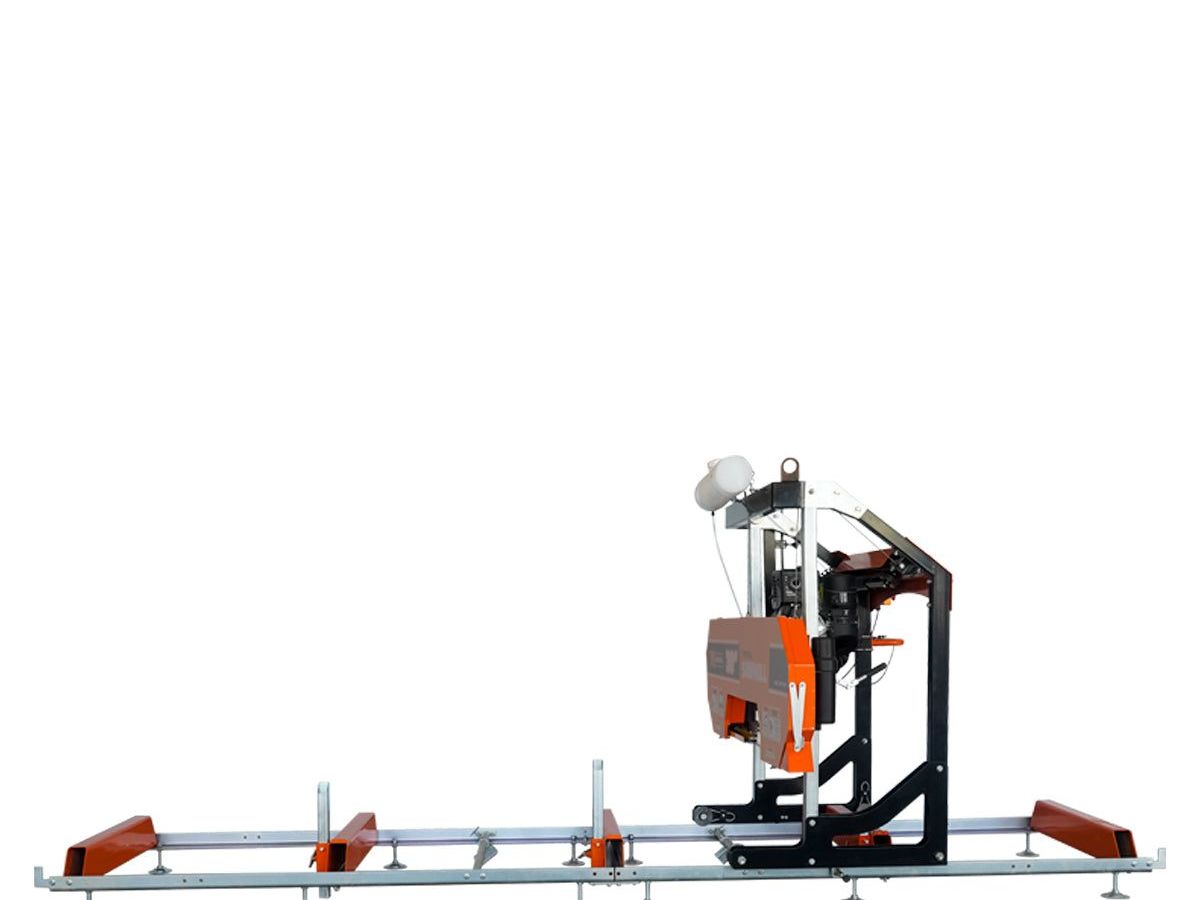
Keeping your portable sawmill in tip-top shape is a no-brainer. I mean, you don’t want it breaking down mid-job, right? Regular checks and cleaning go a long way. Make a habit of inspecting belts, bolts, and bearings. A quick wipe down and lubrication can save you from future headaches.
Blade Care and Replacement
Blades are the heart of your sawmill. Treat them well. Keep them sharp and clean, and they’ll return the favor by cutting smoothly. When they start acting up, don’t hesitate to replace them. A dull blade is just asking for trouble.
Troubleshooting Common Issues
We all hit snags sometimes. Whether it’s the engine sputtering or the blade wandering, there’s usually a fix. Keep a basic toolkit handy and get familiar with your machine’s quirks. Knowing your sawmill’s ins and outs makes troubleshooting a breeze.
"Maintenance isn’t just about fixing what’s broken; it’s about preventing breakdowns in the first place."
For more on keeping your tools in shape, check out this guide on maintaining woodworking hand tools. It’s packed with tips to keep your gear running smoothly.
Safety First: Operating Your Sawmill
Personal Protective Equipment
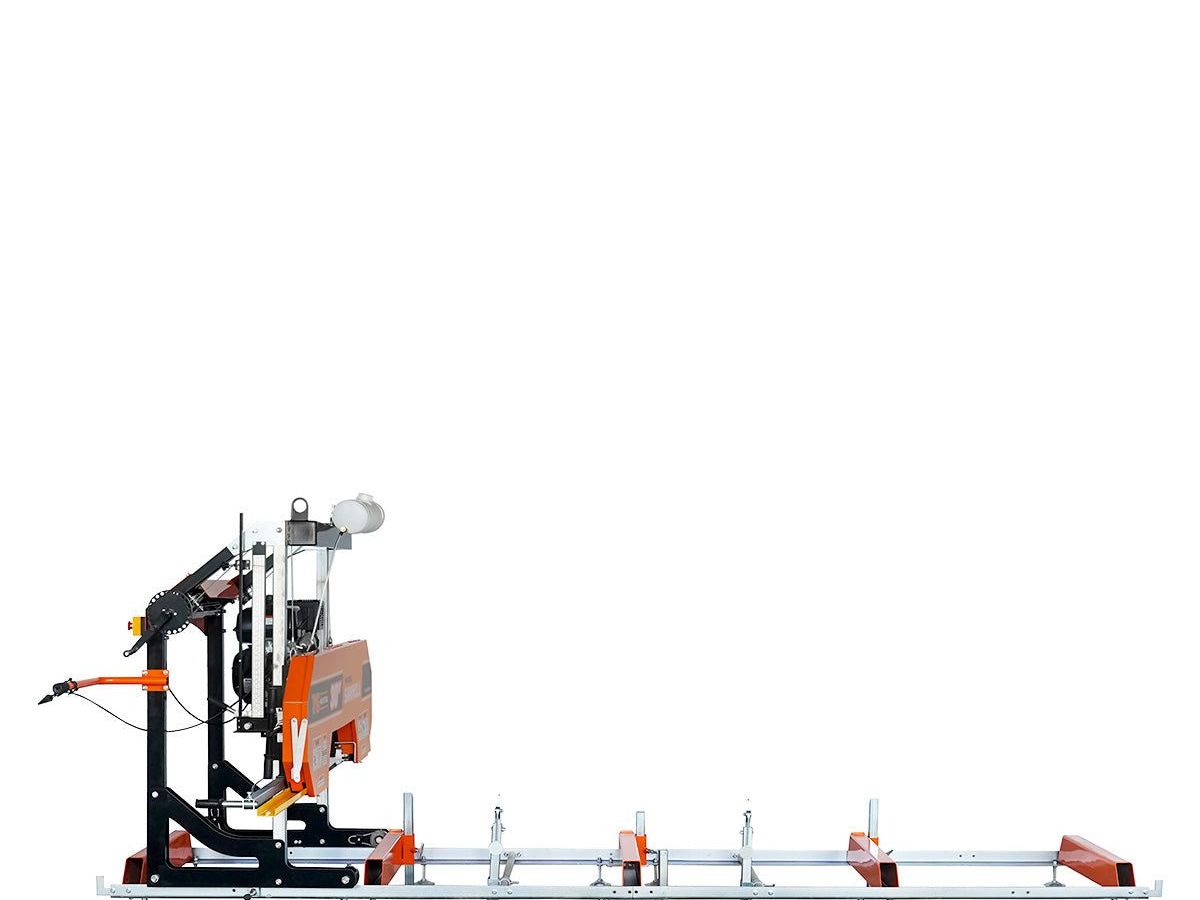
When you’re out there with your sawmill, safety gear is a must. Goggles, gloves, and steel-toed boots should be your best friends. Don’t forget ear protection; those saws can be loud!
Safe Operating Procedures
Before you even start, make sure everything’s set up right. Double-check your equipment and clear the work area of any clutter. Always keep your hands away from the blade and use push sticks if needed.
Emergency Situations and Solutions
Accidents happen, even to the best of us. Know where your emergency stop button is and have a first aid kit nearby. If something feels off, stop immediately and assess the situation.
Safety isn’t just a set of rules—it’s how you keep your sawmill running smoothly and yourself in one piece. Always prioritize it, no matter what.
Boosting Productivity with Your Sawmill
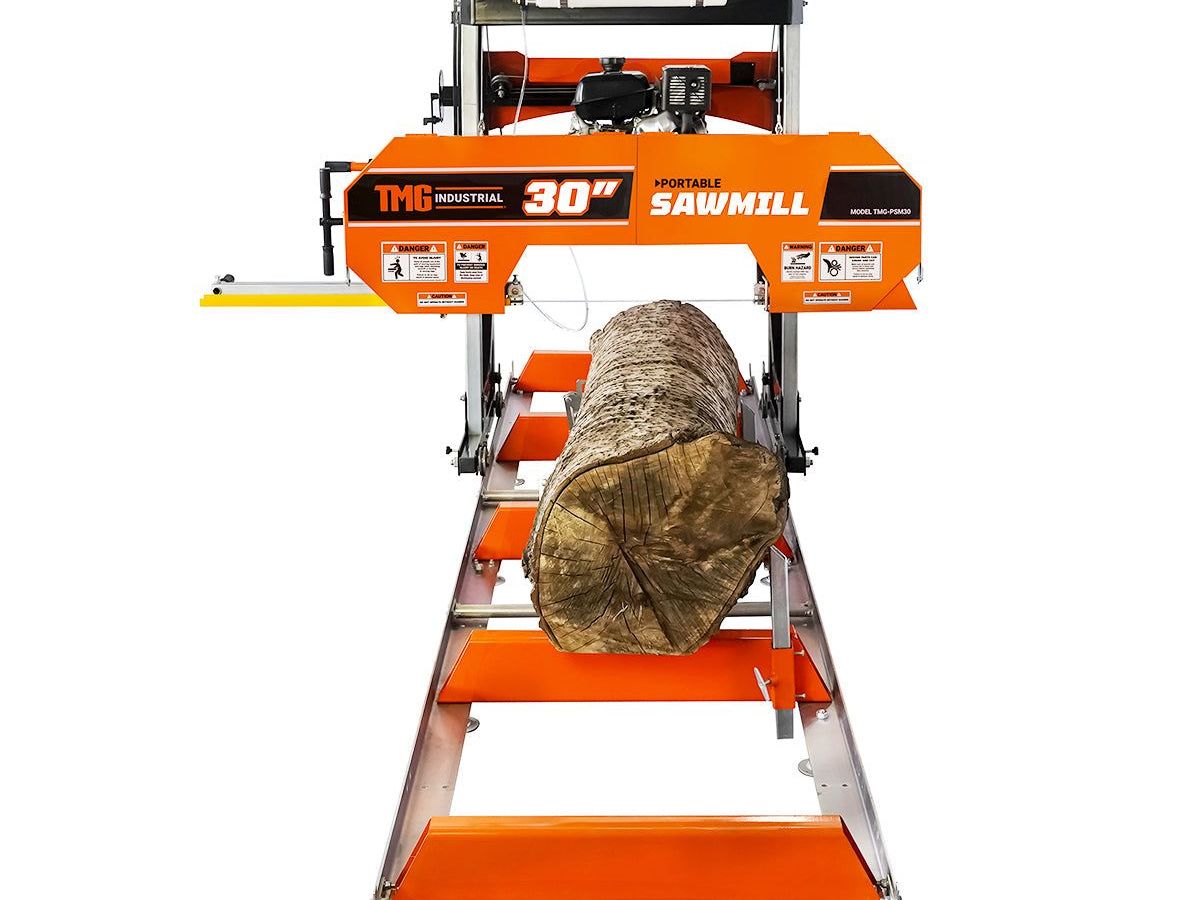
Getting the most out of your sawmill means finding ways to save time without cutting corners. One trick I swear by is setting up a routine. I lay out all my tools and materials before starting, so I’m not running around looking for stuff. Another tip is to maintain your equipment regularly. A well-oiled machine runs smoother and faster, saving you headaches down the line.
To boost cutting efficiency, I focus on a few key areas. First, make sure your logs are clean and debarked to prevent blade damage. Second, use a sharp blade; dull blades slow you down and ruin the cut. Third, plan your cuts before you start. This way, you’re not wasting time figuring it out as you go.
Juggling multiple projects can be tricky, but it’s doable with a bit of organization. I keep a detailed schedule and stick to it as much as possible. Prioritize tasks based on deadlines and complexity. Also, don’t be afraid to delegate if you have a team—sharing the workload can help keep everything on track.
"Efficiency isn’t about rushing through tasks; it’s about doing things right the first time."
Troubleshooting Like a Pro
Dealing with Blade Wandering
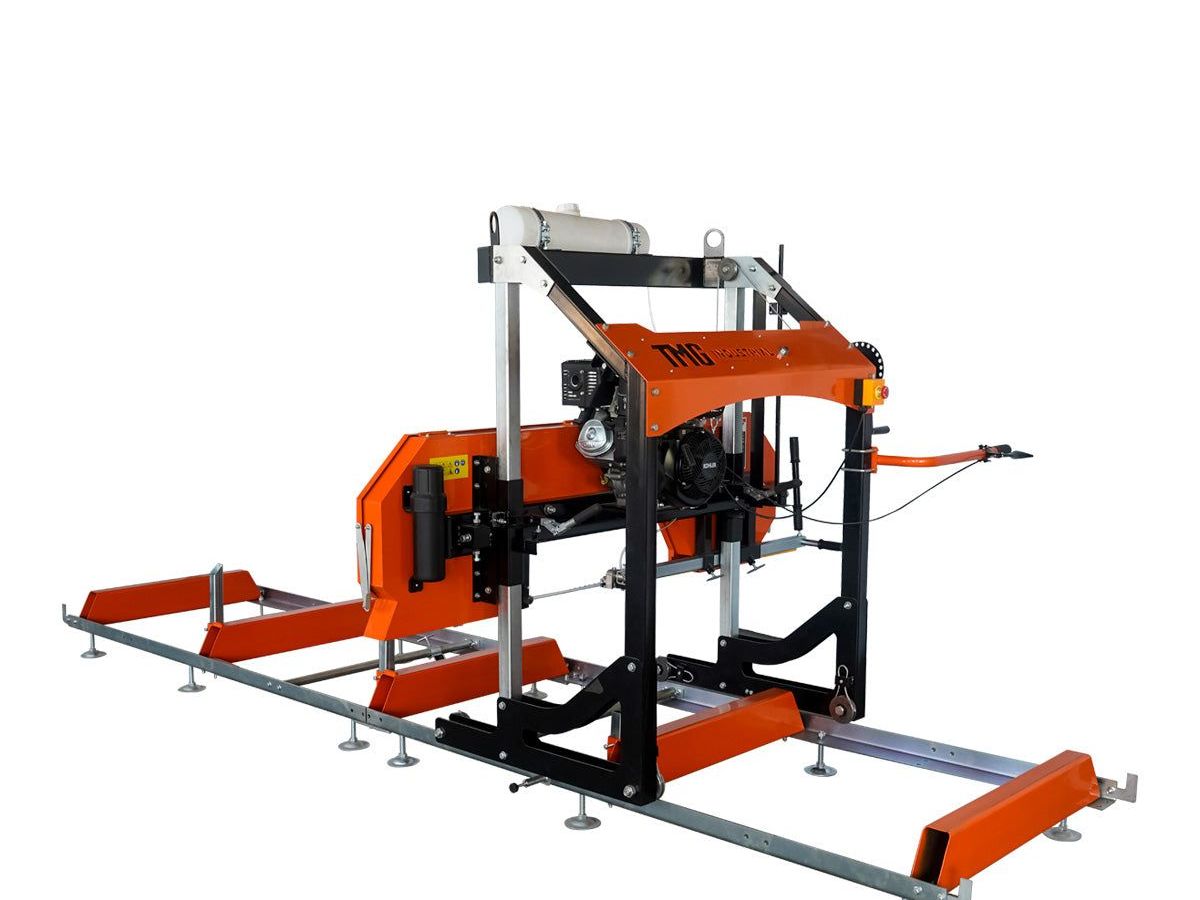
Man, nothing’s worse than when your blade starts slicing all wonky. Trust me, it’s a pain. Usually, it’s because the tension’s off, the blade’s dull, or the log’s not supported right. Slow down your feed rate and check those things first.
Fixing Inconsistent Board Thickness
Ever cut a board and it’s not the same thickness all the way through? Been there. It’s usually a track alignment issue. Double-check that track with a laser level and make sure your blade guides aren’t worn out.
Addressing Engine Problems
Engines can be finicky. Sometimes they just don’t start or keep stalling. Give the engine a once-over, check the fuel, and make sure everything’s clean. If it’s still acting up, it might be time to call in a pro.
"When you’re knee-deep in sawdust and things go sideways, remember: every problem’s got a fix. You just gotta find it."
The Business Side of Portable Sawmills
Calculating ROI
Getting a portable sawmill for sale is a big step, but thinking about return on investment (ROI) is key. I mean, you want to make sure it’s worth it, right? Start by tracking all costs, like maintenance and fuel, against your lumber sales. It’s like balancing a checkbook but with logs.
Marketing Your Lumber
Once you’ve got your portable saw mills for sale up and running, it’s time to think about marketing. I keep a photo gallery of my projects to show clients what’s possible. Word of mouth is gold, but don’t forget social media. Post those beautiful slabs and watch the interest grow.
Expanding Your Sawmill Business
Thinking about growing? Consider offering more services like custom cuts or drying. This can set you apart from others with a mobile saw mill for sale. Also, keep an eye on trends. Eco-friendly and local sourcing are big now, so maybe that’s your next move.
Running a sawmill business isn’t just about cutting wood. It’s about smart planning and keeping up with what folks want. Always be ready to adapt and learn.
With the right approach, your sawmill can be the best portable sawmill for the money. Just keep pushing, and remember that every log is an opportunity.
Sustainable Practices with Portable Sawmills
Eco-Friendly Cutting Techniques
Using portable sawmills is a great way to cut wood while keeping the planet in mind. These sawmills are designed to be more efficient, reducing waste and emissions.
Using Local Resources
When you buy a portable sawmill, you can source timber locally, which means less transportation and a smaller carbon footprint. This practice not only supports local economies but also helps in conserving energy.
Contributing to Sustainable Forestry
By using portable sawmills, you’re part of a bigger movement towards sustainable forestry. Local processing cuts transportation emissions by up to 80% compared to traditional methods. This is a huge win for the environment.
Embracing sustainable practices with portable sawmills is not just about cutting lumber; it’s about making choices that benefit the planet and future generations. It’s about turning timber into treasure without the guilt.
Learning and Growing in the Sawmill Community
Joining a sawmill association is like entering a club where everyone speaks your language. These groups are awesome for picking up tips and tricks from folks who’ve been in the game for years. Plus, you get to share your own stories and learn from others’ successes and mishaps.
Attending Workshops and Trade Shows
Workshops and trade shows are the ultimate playground for sawmill enthusiasts. Here, you can try out the latest gear, learn new techniques, and meet people who are just as passionate about sawmills as you are. It’s a great way to stay updated and inspired.
Networking with Other Operators
Networking with other operators is super important. You never know when you’ll need advice or a helping hand. Building a network means you have a crew to rely on when things get tough or when you just want to share a win. Being part of a community makes the journey more fun and rewarding.
Getting involved with the sawmill community is more than just a hobby; it’s about building connections and sharing knowledge. It’s like having a second family who gets your love for turning logs into lumber.
In the Sawmill Community, we believe in learning and growing together. Whether you’re a beginner or an expert, there’s always something new to discover. Join us on our website to explore resources, tips, and tools that can help you improve your skills and connect with others who share your passion. Don’t miss out on the chance to enhance your woodworking journey! Visit us today!
Wrapping It Up: Your Journey with Portable Sawmills
So, there you have it! Mastering your portable sawmill is all about practice, patience, and a bit of know-how. Remember, it’s not just about having the best equipment; it’s about how you use it. Keep your setup level, clean your logs, and think of your cuts like a puzzle to get the most out of your lumber. Don’t forget to learn from your mistakes and share tips with fellow sawyers. The more you connect with others, the better you’ll get. With these tips, you’re on your way to turning those logs into beautiful boards. Happy milling!
Frequently Asked Questions
What is a portable sawmill used for?
A portable sawmill is used to turn logs into lumber right where the trees are. This is great for making wood for personal projects or for selling.
How much does a portable sawmill cost?
Prices for portable sawmills can vary. Basic models start around $4,000, while professional ones can cost over $12,000.
How do I maintain my portable sawmill?
To keep your sawmill running well, make sure to clean it regularly, check the blades, and keep everything lubricated.
What are the benefits of using a portable sawmill?
Using a portable sawmill allows you to cut wood on-site, which saves time and transportation costs. It also helps to use local resources.
Can I use a portable sawmill for commercial purposes?
Yes, many people use portable sawmills for commercial operations. They can be a good investment for a small business.
What should I do if my sawmill blade starts to wander?
If your blade is cutting crooked, check the blade tension, ensure the log is supported evenly, and make sure the blade is sharp.
How can I improve my cutting efficiency?
To cut more efficiently, plan your cutting patterns carefully, keep your sawmill level, and maintain your equipment.
Is it safe to operate a portable sawmill?
Yes, but safety is key. Always wear protective gear, follow safe operating procedures, and be prepared for emergencies.