If you’re thinking about getting a portable sawmill, you’ve come to the right place. This guide will help you understand what portable sawmills are, how to choose the right one, and what to consider for your investment. Whether you’re a hobbyist or looking to start a small business, knowing the basics can save you time and money. Let’s dive into the world of portable sawmills and see how they can benefit you!
Key Takeaways
- Portable sawmills can turn logs into lumber right where the trees are, saving time and effort.
- When looking for a portable sawmill for sale, consider your specific needs and budget to find the best fit.
- It’s important to check the engine power and cutting capacity of the sawmill to ensure it meets your requirements.
- Regular maintenance is key to keeping your sawmill running smoothly and extending its life.
- Investing in a portable sawmill can lead to significant savings on lumber costs and even create a small business opportunity.
Understanding Portable Sawmills
What Makes Them Portable?
Portable sawmills are all about mobility. These handy machines can be moved from one spot to another without breaking a sweat. What makes them portable? It’s the design, lightweight materials, and compact size. You can throw it in the back of a truck and head to your next log-cutting adventure. Simple, right?
Types of Portable Sawmills
You’ve got options when it comes to portable sawmills. There’s the band sawmill, which is popular for its efficiency. Then there’s the chainsaw mill, perfect for smaller projects. And don’t forget the swing blade sawmill, which offers versatility. Each type has its perks, so it’s all about what fits your needs best.
Benefits of Using a Portable Sawmill
Why bother with a portable sawmill? Well, for starters, you can turn logs into lumber wherever you are. No more hauling heavy logs to a stationary mill. Plus, it’s a cost-effective solution for DIYers and small businesses. You get to save on portable sawmill prices and still get quality lumber. It’s like having your own lumberyard on wheels!
Choosing the Right Portable Sawmill for Sale
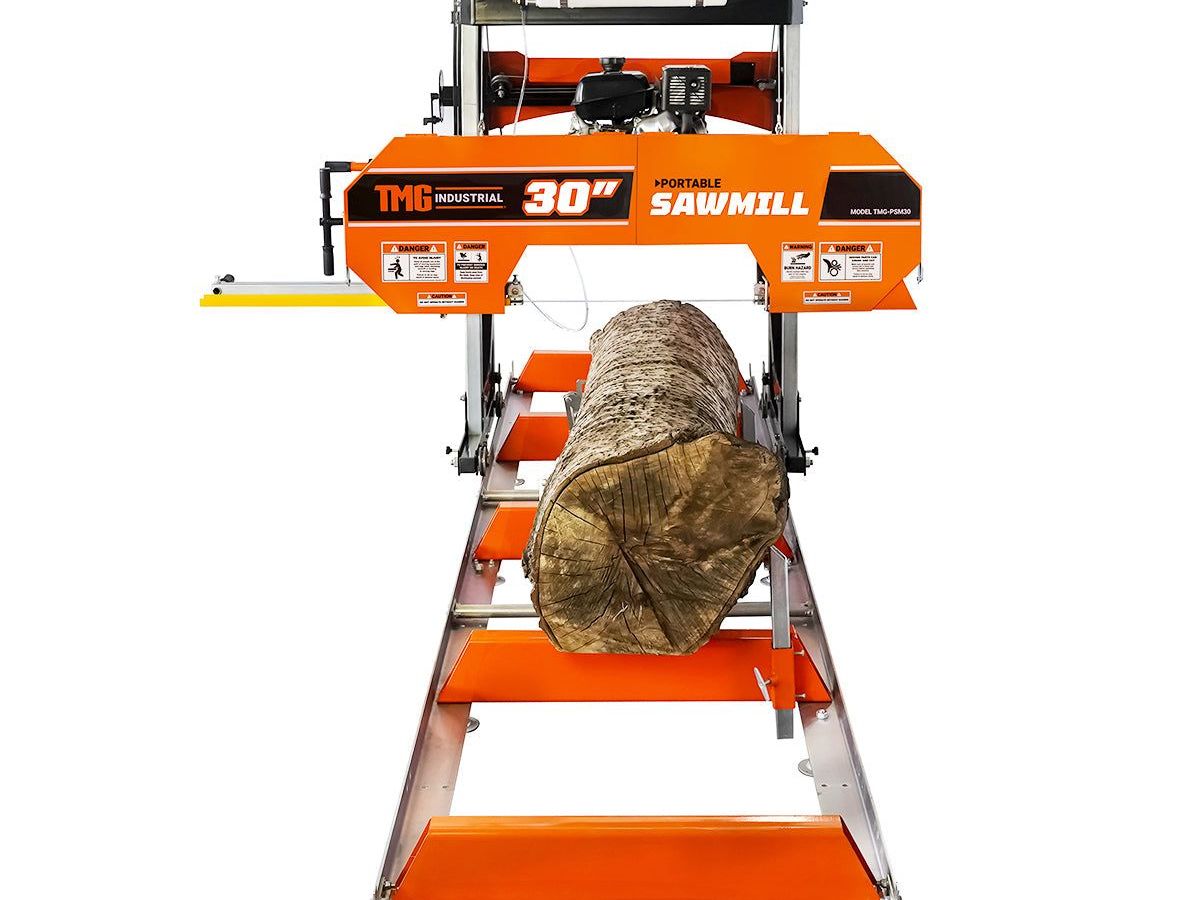
First things first, think about what you’ll actually use the sawmill for. Are you planning to cut a few logs here and there, or are you diving into a full-on lumber business? Knowing your needs helps narrow down the options.
When comparing sawmills, check out the features and specs. Look at engine power, cutting capacity, and portability. It’s like shopping for a car; you want the right mix of power and practicality.
Okay, let’s talk money. Decide on a budget before you start shopping. Remember, the most expensive sawmill isn’t always the best for your needs. Sometimes, a mid-range option hits the sweet spot between cost and capability.
Picking the right sawmill isn’t just about the price tag; it’s about finding the one that fits your needs and makes your life easier.
Power and Performance: What to Look For
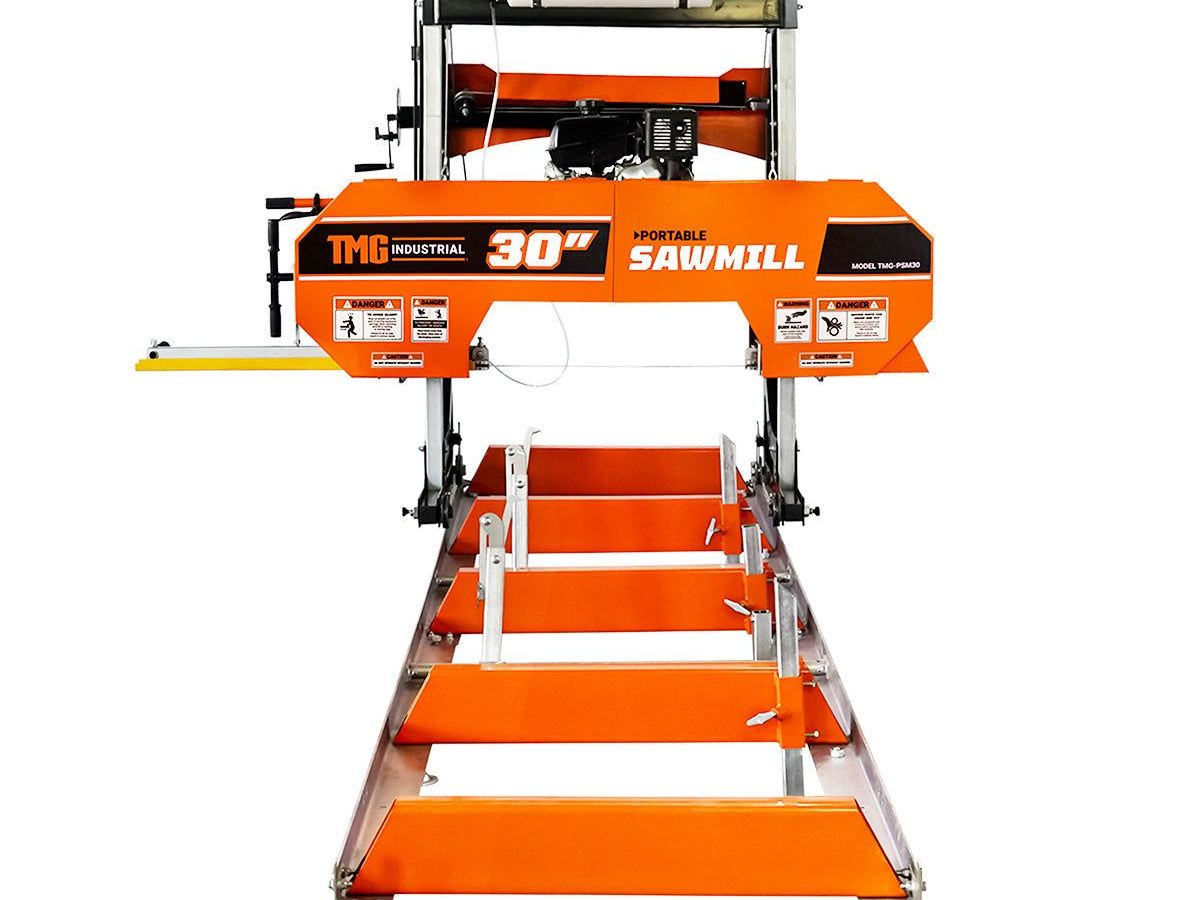
Engine Power and Efficiency
When you’re picking a portable sawmill, the engine’s power is a big deal. You want something with enough horsepower to handle tough jobs without breaking a sweat. A powerful engine means faster cutting and less strain on the machine.
Handling Different Log Sizes
You gotta think about the size of logs you’ll be working with most often. Some sawmills can tackle bigger logs, while others might struggle. Make sure your sawmill can handle the log sizes you plan to cut.
Cutting Speed and Precision
Cutting speed and precision are key for getting good results. A sawmill with a faster cutting speed saves time and effort. Plus, precision cutting ensures your lumber comes out just right, without too much waste.
Remember, the right mix of power, handling, and precision makes all the difference in your sawmill’s performance.
Setting Up Your Portable Sawmill
Site Preparation Tips
Getting the site ready is step one. Make sure the ground is level and solid to avoid any wobbles. A good foundation is key to making straight cuts. You might need to clear a bit of land and remove debris.
Leveling and Stabilizing the Mill
Once the site is set, it’s time to level and stabilize your mill. Use concrete blocks or adjustable feet to keep everything steady. This helps in getting accurate cuts and keeps the whole setup safe.
Safety Precautions
Safety first, always. Wear protective gear like gloves and goggles. Never skip on safety measures. Keep a first-aid kit nearby and know your emergency procedures. It’s better to be safe than sorry.
Maintenance and Care for Longevity
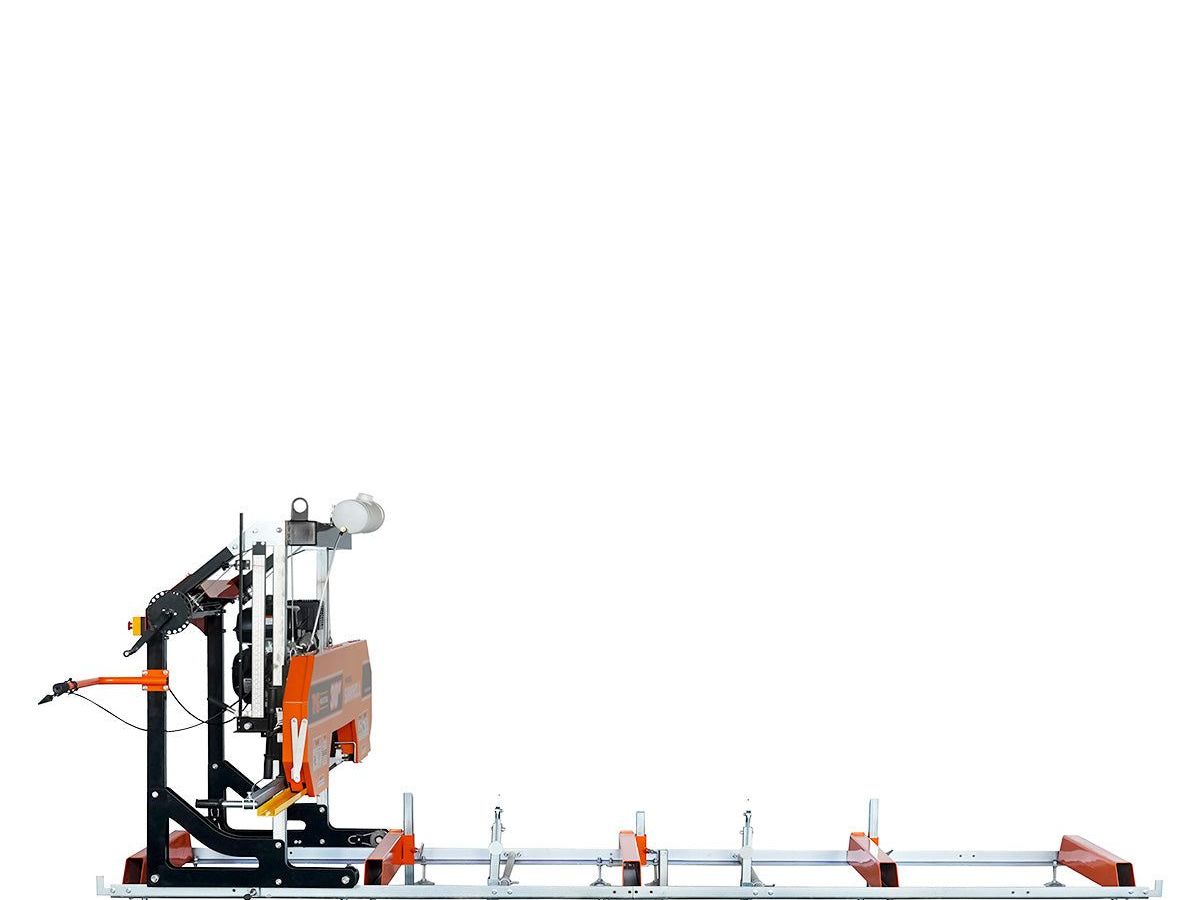
Keeping a portable sawmill in top shape is like caring for a car; regular check-ups are key. I make sure to clean the sawmill after every use, removing sawdust and debris. Checking the oil and lubricating moving parts is a must-do on my list. I always inspect the blades for sharpness and replace them when needed.
Troubleshooting Common Issues
Sometimes things go wrong, even with the best care. If the sawmill isn’t cutting straight, I check the alignment first. A dull blade can cause rough cuts, so I keep spares handy. If there’s unusual noise, I look for loose bolts or worn-out parts.
Extending Blade Life
Blades are the heart of the sawmill, and taking care of them saves money. I avoid cutting dirty logs to prevent dulling. Regular sharpening helps keep the blades in good condition. I use a metal detector to avoid hitting nails or screws hidden in the wood.
Keeping up with maintenance doesn’t just keep the sawmill running smoothly; it ensures safety and precision in every cut. A little effort now saves big headaches later.
Maximizing Your Investment
Calculating Return on Investment
Getting your money’s worth from a portable sawmill is all about smart usage. Regular use can pay off your investment in just over a year. Think about how often you’ll cut and what you’ll make to see if it adds up.
Tips for Efficient Operation
Running a sawmill like a pro means being efficient. I learned that having a level setup can improve accuracy by a ton. Also, clean those logs before cutting—your blades will thank you.
Expanding Your Lumber Business
If you’re thinking big, a portable sawmill can help grow your business. You can take on larger projects and even offer custom cuts. It’s all about cutting faster and more accurately to boost your productivity.
Top Brands and Models to Consider
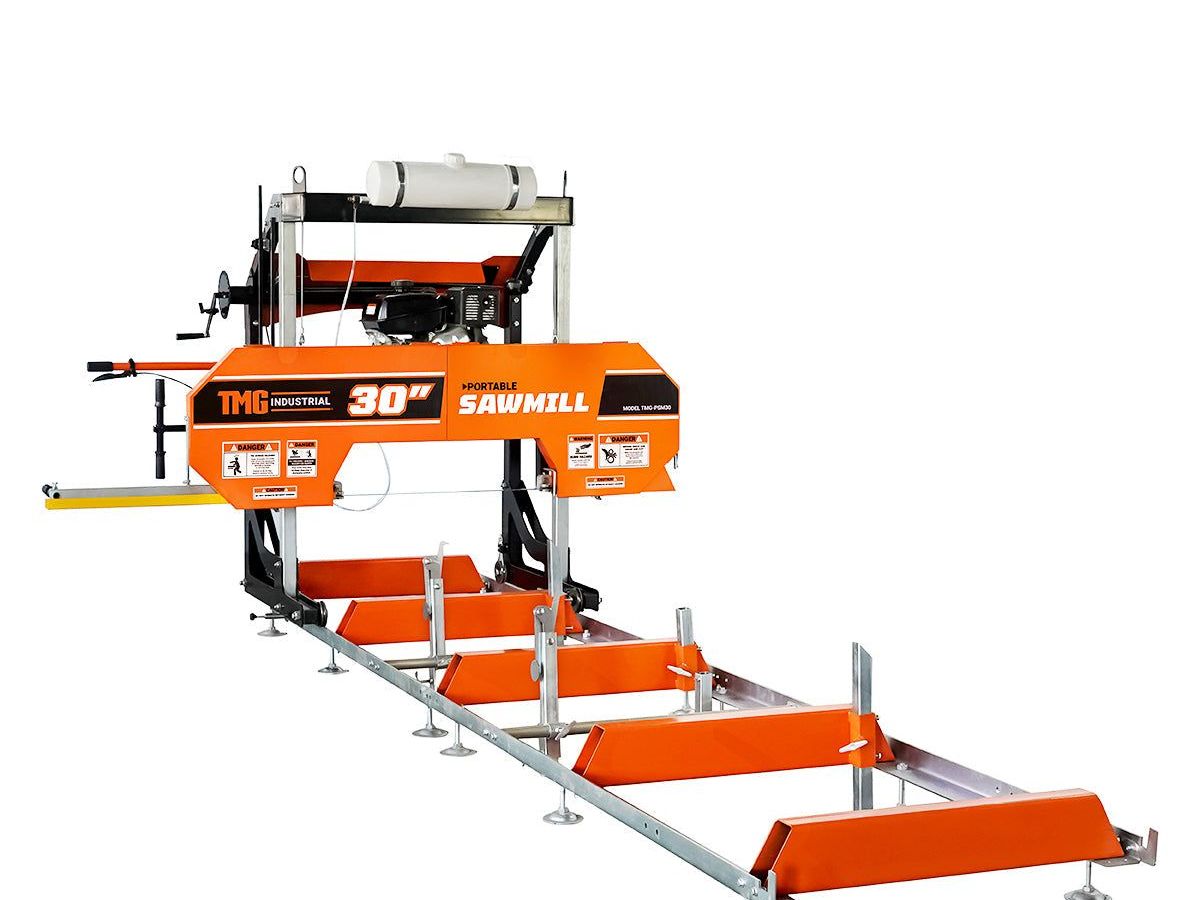
Popular Portable Sawmill Brands
When it comes to portable sawmills, Wood-Mizer is a name that stands out. They’ve been around since 1982 and are known for their reliable and efficient machines. Discover Wood-Mizer’s portable sawmills, which are proudly manufactured in the USA. Another brand worth mentioning is Norwood, which offers a variety of models suitable for both beginners and seasoned sawyers. TimberKing is also a solid choice, especially if you’re looking for something that’s built to last.
Features of Leading Models
Wood-Mizer’s LT15 is a favorite among hobbyists for its ease of use and durability. The Norwood LumberPro HD36 is another top pick, known for its versatility and ability to handle large logs. TimberKing’s 1220 model is great for those who need a rugged and reliable machine for consistent use. Each of these models offers unique features, so it’s essential to consider what best fits your needs.
Customer Reviews and Feedback
Customer feedback is crucial when choosing a portable sawmill. Many users praise Wood-Mizer for its exceptional customer service and easy-to-operate machines. Norwood users often highlight the brand’s innovative design and solid construction. TimberKing owners appreciate the durability and performance of their mills. Researching models and reading reviews can provide valuable insights into what you can expect from each brand.
Common Mistakes to Avoid
Overlooking Safety Measures
It’s easy to get caught up in the excitement of sawing, but ignoring safety can be risky. Always prioritize safety by wearing protective gear and keeping your work area tidy. Don’t forget to check safety features like blade guards and emergency shut-offs.
Ignoring Maintenance Needs
Skipping regular maintenance is a big no-no. Just like any other tool, your portable sawmill needs some TLC. Clean it up, check for worn parts, and keep everything running smoothly to avoid costly repairs down the line.
Choosing the Wrong Mill for Your Needs
Picking a sawmill without considering your specific needs can lead to frustration. Think about the size and type of logs you’ll be working with and match that with the sawmill’s capacity. It’s all about getting the right fit for your projects.
Don’t make these mistakes. A little planning and care can save you a lot of headaches and money in the long run. Make sure you’re investing your time and resources wisely to get the most out of your portable sawmill.
Real-Life Success Stories
Transforming Fallen Trees into Furniture
So, I had this huge oak tree fall during a storm last year. Instead of letting it rot, I decided to turn it into furniture. With my portable sawmill, I crafted a dining table that now sits proudly in my dining room. The satisfaction of creating something from what was once waste is unmatched.
Saving on Lumber Costs
Lumber prices have been through the roof lately, right? I used to spend a fortune on wood for my projects. Now, with my sawmill, I mill my own lumber from trees on my property. This has saved me a ton of cash, and I always have the perfect size and type of wood for my needs.
Building a Sustainable Business
Starting a small lumber business was a dream of mine. With my portable sawmill, I began offering custom milling services. It’s been a wild ride, but seeing happy customers with their custom-cut wood is worth every bit of effort. Plus, it’s great knowing I’m contributing to supporting sustainable forestry practices.
Environmental Impact and Sustainability
Supporting Sustainable Forestry
I’ve found that using a portable sawmill helps support sustainable forestry practices. By milling logs on-site, there’s less need to transport them long distances, reducing fuel use and emissions. Plus, you get to use local wood, which is pretty cool and eco-friendly.
Reducing Waste with Portable Sawmills
Portable sawmills are great for cutting down waste. They allow you to maximize the amount of usable lumber from each log. Instead of letting those odd-shaped pieces go to waste, you can turn them into something useful. It’s all about getting the most out of what you’ve got.
Eco-Friendly Practices in Lumber Processing
When it comes to processing lumber, eco-friendly practices are key. Using a sawmill means less reliance on big, energy-guzzling machines. Plus, you can minimize waste by using every part of the log. It’s a win-win for the environment and your wallet.
Making the switch to a portable sawmill isn’t just about the wood. It’s about doing your part to keep the planet green, one log at a time. Every little bit counts, and it’s a step towards a more sustainable future.
The way we treat our planet matters. It’s important to think about how our actions affect the environment. By making smart choices, we can help keep our Earth healthy for future generations. Visit our website to learn more about how you can make a difference today!
Wrapping It Up: Your Portable Sawmill Journey
So, there you have it! Investing in a portable sawmill can really change the game for your wood projects. Whether you’re looking to save money on lumber or want to make something special from the trees around you, a sawmill can help. Just remember to think about what you need, do your research, and pick the right model for your situation. With a bit of practice and care, you’ll be turning logs into beautiful boards in no time. Happy sawing!
Frequently Asked Questions
What is a portable sawmill?
A portable sawmill is a machine that cuts logs into lumber right where the trees are located. It can be moved easily to different sites.
Why should I invest in a portable sawmill?
Investing in a portable sawmill can save you money on lumber costs and allow you to use fallen trees on your property for projects.
What types of portable sawmills are available?
There are many types of portable sawmills, including manual and hydraulic models, each with different features and capabilities.
How do I choose the right sawmill for my needs?
Consider your budget, the size of logs you will cut, and how often you plan to use the sawmill. Research different models and their features.
What maintenance do portable sawmills require?
Regular maintenance includes checking and replacing blades, cleaning the machine, and ensuring all parts are functioning properly.
Can I use a portable sawmill for commercial purposes?
Yes, many people use portable sawmills for commercial lumber production, but it’s important to choose a model that can handle larger volumes.
What safety precautions should I take when using a sawmill?
Always wear safety gear, follow the manufacturer’s instructions, and ensure the area is clear of obstacles while operating the sawmill.
How can I maximize my investment in a portable sawmill?
To get the most from your sawmill, practice good cutting techniques, maintain the machine regularly, and consider diversifying your lumber products.