Have you ever thought about turning logs into lumber right where they fall? Portable sawmills make this possible! These handy machines are perfect for anyone looking to make their own lumber, whether for personal projects or a small business. In this guide, we will explore everything you need to know about portable sawmills, from choosing the right one to operating it safely and efficiently. Get ready to dive into the world of portable sawmills and discover how they can help you turn raw logs into beautiful lumber!
Key Takeaways
- Portable sawmills allow you to cut logs into lumber right on your property.
- There are different types of portable sawmills, from manual to powered versions.
- Using a portable sawmill can save you money on lumber and reduce waste.
- Proper setup and safety precautions are essential for effective operation.
- Regular maintenance ensures your sawmill runs smoothly for years.
Understanding Portable Sawmills
What Makes a Sawmill Portable?
A portable sawmill can be moved easily to different locations, allowing you to mill logs on-site. Unlike traditional sawmills, these are compact and can be operated by a single person. They are perfect for folks who need flexibility in their lumber projects.
Types of Portable Sawmills
Portable sawmills come in various types, each with its own perks. Band sawmills are popular for their precision and efficiency. Chainsaw mills are great for smaller projects and tight budgets. Swing blade mills are versatile and can handle larger logs.
Benefits of Using Portable Sawmills
Using a portable sawmill gives you the freedom to mill your own lumber, saving money and reducing waste. You can turn fallen trees into valuable wood without leaving your property. Plus, it’s a fun and rewarding hobby that can even turn into a business!
Choosing the Right Portable Sawmill for You
Assessing Your Lumber Needs
First things first, what do you plan to cut? Logs, beams, or a mix of both? Knowing your lumber needs helps narrow down your options. Think about the size and type of wood you’ll be working with.
Comparing Sawmill Features
Not all sawmills are the same. Some come with fancy features, others are barebones. Look at factors like cutting capacity, portability, and ease of use. Do you need a manual or automatic feed? Consider what’s best for your projects.
Budget Considerations
Let’s be real, your wallet’s gonna decide a lot here. Figure out how much you’re willing to spend. You might find the best portable sawmill for the money by balancing cost with the features you need. Remember, cheaper isn’t always better.
Setting Up Your Portable Sawmill
Site Selection Tips
Picking the right spot for your sawmill is like finding the perfect campsite. You want a flat, stable area with enough room to maneuver logs and equipment. Avoid low spots that might flood after a rainstorm. Trust me, soggy ground is no fun.
Essential Tools and Accessories
Before you start, make sure you’ve got the basics covered. You’ll need a sturdy tape measure, a reliable chainsaw, and a good set of wrenches. Don’t forget safety gear like gloves and goggles. A metal detector can save you from nasty surprises hidden in logs.
Safety Precautions
Safety first, folks. Always wear your protective gear and keep a first aid kit nearby. Make sure your work area is clear of debris, and never operate the sawmill alone. Having a buddy around can be a lifesaver if things go sideways.
Setting up your sawmill right is the key to smooth operations. Take your time and do it right the first time. It’ll save you headaches down the road.
Operating Your Portable Sawmill Like a Pro
Basic Operating Techniques
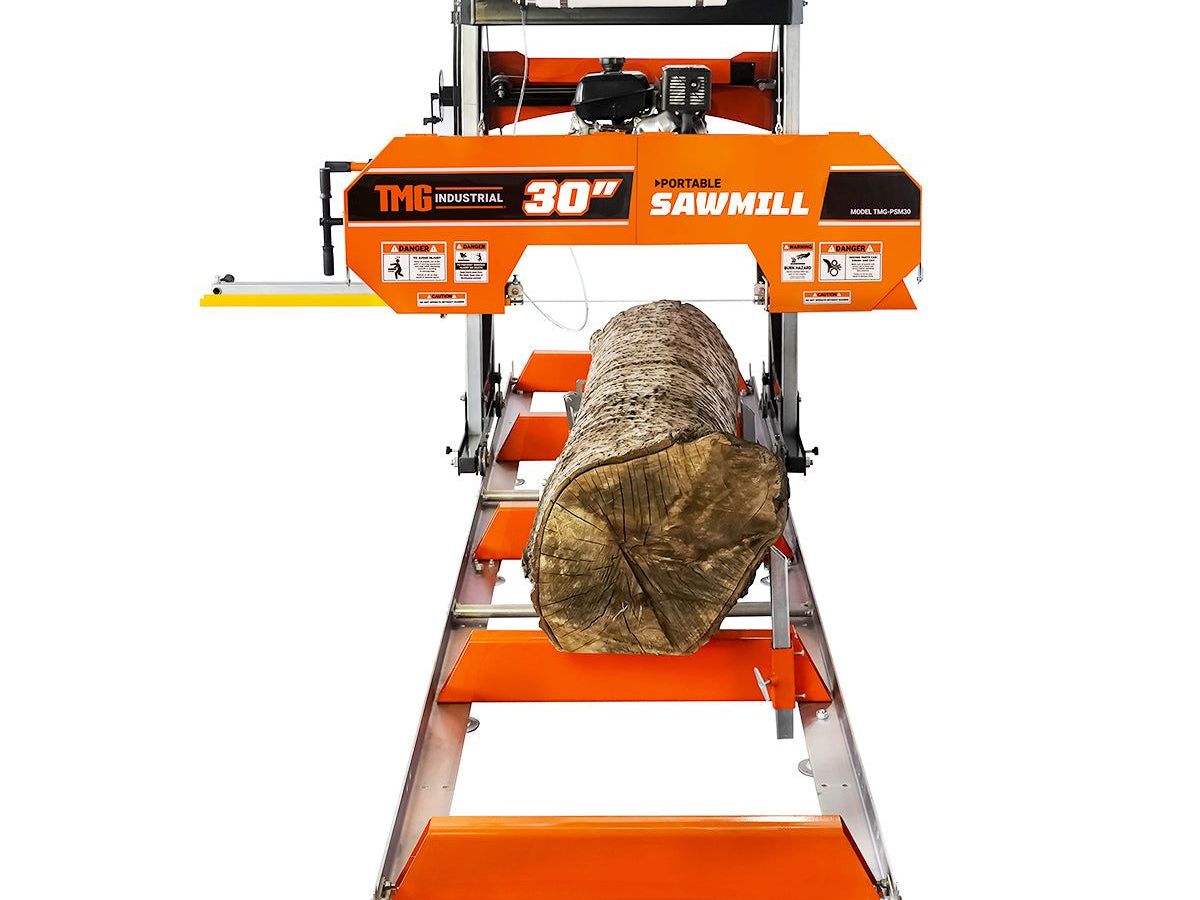
Running a portable sawmill isn’t as tricky as it looks. Start by setting up on a flat surface to avoid any wobbly cuts. Make sure your blades are sharp because dull blades are a nightmare. Feed the logs through slowly and let the saw do the work.
Troubleshooting Common Issues
Things can go wrong, but don’t panic. If the saw isn’t cutting straight, check your alignment. If the blade keeps breaking, it’s probably too tight or hitting something hard. Regular checks save headaches.
Maximizing Efficiency
Efficiency is the name of the game. Keep your logs clean; dirt and rocks are blade killers. Plan your cuts to get the most out of each log. Regular maintenance keeps your sawmill running smoothly.
Operating a portable sawmill can feel overwhelming at first, but with practice, it becomes second nature. Just take it one log at a time.
Maintenance and Care for Your Portable Sawmill
Routine Maintenance Tasks
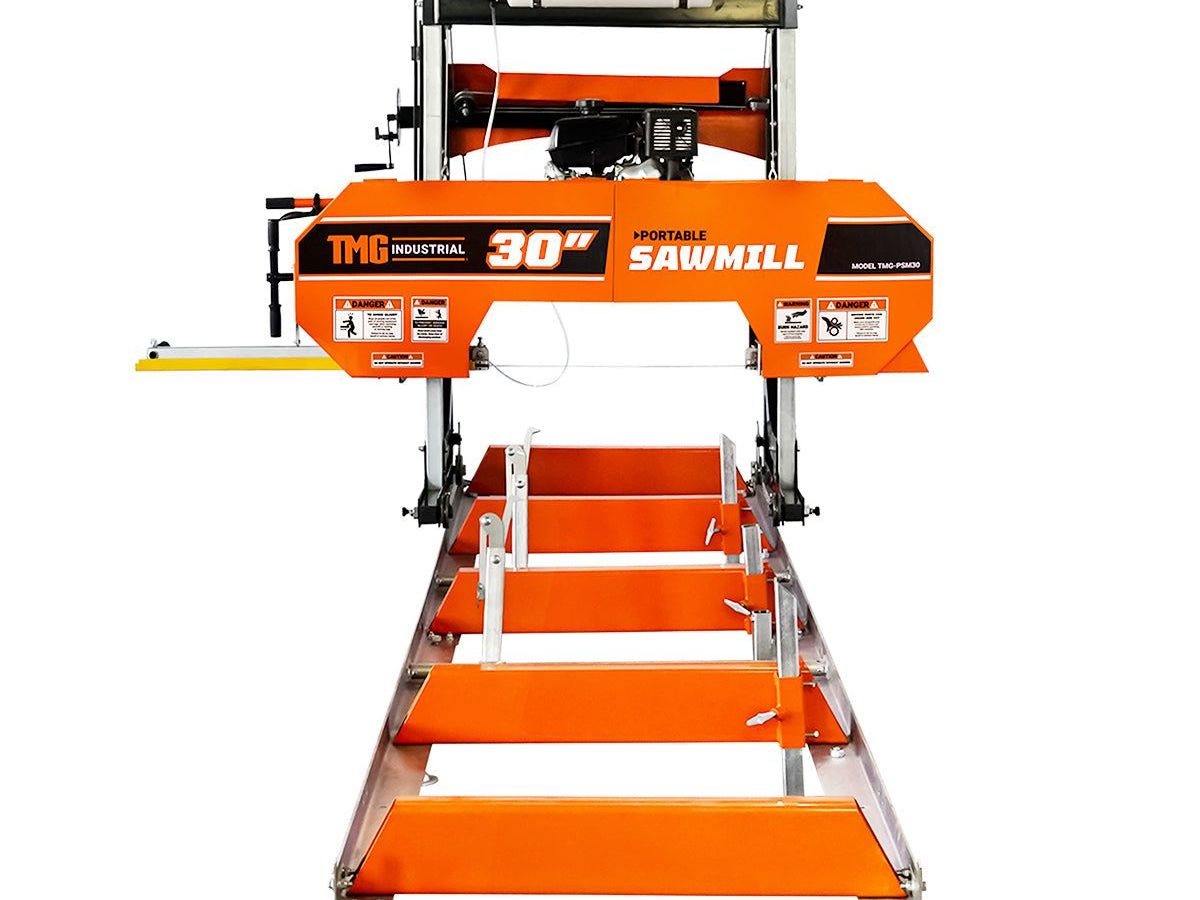
Keeping your sawmill in top shape is like brushing your teeth—do it regularly and you’ll avoid big problems. Check the oil before every use; it’s like the lifeblood of your machine. Tighten any loose bolts and screws, because those things love to wiggle free. Clean the sawdust and debris off your sawmill after every session to keep it running smoothly.
Dealing with Wear and Tear
Even the best sawmills get a little beat up. Look out for worn belts and replace them before they snap and ruin your day. Keep an eye on the blade—dull blades make for lousy cuts and can mess up your lumber. If your sawmill has a gas and go auto lube system, make sure it’s working right to avoid unnecessary wear.
When to Call a Professional
Sometimes, you just gotta admit defeat and call in the pros. If your sawmill’s making weird noises or just not cutting right, it might be time for an expert. Don’t wait until it’s too late; a quick check-up can save you a ton of hassle down the road.
Regular maintenance is key to keeping your sawmill running like a champ. A little effort now saves a lot of headaches later.
Sustainable Lumber Practices with Portable Sawmills
Eco-Friendly Logging Tips
So, you’re ready to make your logging more green? Start by picking the right trees, like those that are dead or dying. This helps maintain the forest’s health. Also, try to avoid clear-cutting. Selective logging is the way to go, taking only what’s needed. And hey, use eco-friendly power saws to cut down on emissions.
Recycling and Reusing Wood
Got leftover wood? Don’t toss it! Those scraps can be turned into mulch or even art projects. Reusing wood not only saves trees but also cash. It’s like giving new life to old timber, which is pretty cool.
Supporting Local Forestry
Buying local is not just for food. Support your local forestry by sourcing wood nearby. This reduces the carbon footprint from transportation. Plus, you get to know the folks who are managing the forests around you. It’s a win-win.
Using a portable sawmill can really change the game for sustainable practices. You’re not just saving money; you’re also doing something good for the planet.
Turning Lumber into Profit
Identifying Market Opportunities
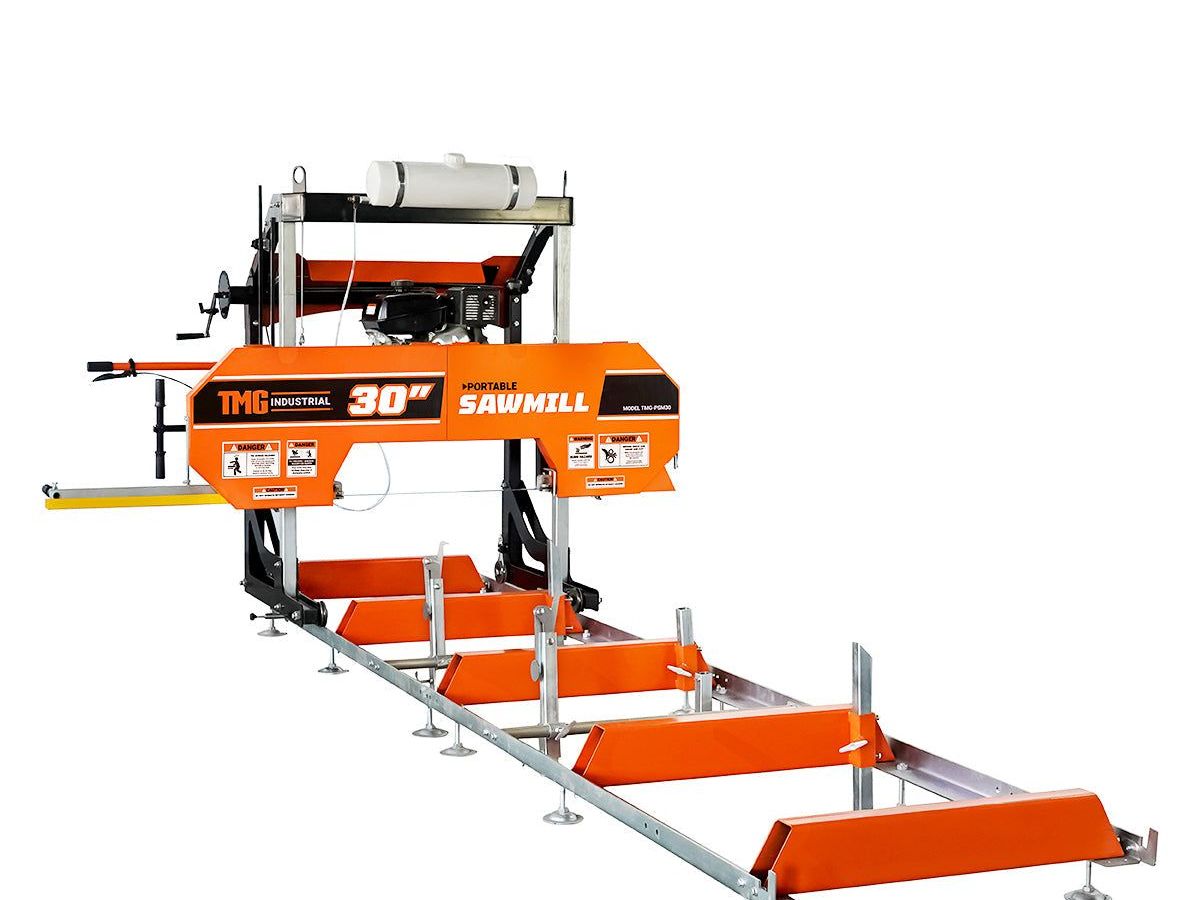
Alright, so you got a pile of lumber, now what? Finding the right market is like finding the right fishing spot. You gotta know where the fish are biting. Look around, see who’s buying lumber. Could be local builders, furniture makers, or even hobbyists. Think outside the box, maybe there’s a niche market waiting for your unique cuts.
Pricing Your Lumber
Setting the right price is a bit of a balancing act. You don’t want to scare folks off, but you also gotta make some dough. Check out what others are charging and adjust based on your costs and the quality of your lumber. Remember, your time and effort are worth something too.
Building a Customer Base
Building a customer base is like making new friends. Start with people you know, maybe someone needs a new deck or a custom table. Word of mouth is powerful, so do good work and people will talk. Also, think about hitting up local markets or online platforms to spread the word. Keep your customers happy, and they’ll keep coming back for more.
Stories from Successful Portable Sawmill Owners
From Hobby to Business
So I started with a portable sawmill just for fun, you know? Next thing I know, it’s a full-blown business! It’s wild how something small can grow into something big. I mean, cutting wood became more than just a pastime. It became my livelihood. Now, I’m always busy, but it’s a good busy.
Innovative Uses for Sawmill Lumber
You wouldn’t believe the stuff you can make with a sawmill. From custom furniture to unique art pieces, the possibilities are endless. I even made a treehouse for my kids, and they love it! It’s amazing how creative you can get when you’ve got the right tools.
Lessons Learned Along the Way
Man, I’ve learned a ton since I started. First, don’t rush things. Take your time and do it right. Second, keep your equipment in top shape, or you’ll regret it. And lastly, always listen to advice from folks who’ve been doing it longer. Trust me, it saves you a lot of headaches.
"Running a portable sawmill isn’t just about cutting wood; it’s about crafting your future. Each log is a new opportunity, and every cut is a step towards success."
Future Trends in Portable Sawmills
Technological Advancements
So, sawmills are getting smarter, right? With tech like automation and AI, cutting wood is becoming way easier and more precise. Imagine a sawmill that practically runs itself while you sip your coffee.
Growing Demand for Custom Lumber
People are all about unique stuff these days. Custom lumber is in high demand because everyone wants their home or project to stand out. It’s like everyone wants a piece of nature in their living room.
The Role of Portable Sawmills in Sustainable Forestry
Here’s a cool thing: portable sawmills are making forestry more sustainable. By reducing waste and allowing for on-site processing, these sawmills help keep the environment in check. It’s like being a hero for the planet while making some sweet lumber.
Portable sawmills are not just tools; they’re partners in sustainable forestry.
Portable sawmills are on the rise, and they’re changing the game. They’re not just about cutting wood anymore; they’re about creating opportunities and protecting our planet.
As we look ahead, portable sawmills are set to become even more advanced. With new technology, these machines will be easier to use and more efficient. If you’re interested in learning more about the latest trends and how they can benefit you, visit our website for more information!
Wrapping It Up: Your Sawmill Adventure Awaits
So, there you have it! You’re now ready to dive into the world of portable sawmills. Remember, it’s all about turning those logs into something useful right where they are. Whether you’re just starting out or looking to expand your skills, take your time to learn and enjoy the process. Don’t forget, every expert started as a beginner, just like you. Keep your eyes open for new tips and tricks as you go along. And most importantly, have fun creating your own lumber! The joy of making something from scratch is something you’ll cherish every time you fire up that saw.
Frequently Asked Questions
What is a portable sawmill?
A portable sawmill is a machine that cuts logs into lumber right where the trees are. It’s easy to move and can handle different sizes of logs.
How do I choose the best portable sawmill for my needs?
Think about how much lumber you need, the size of the logs you have, and your budget. Compare features like power and cutting capacity.
Is using a portable sawmill safe?
Yes, but you must follow safety rules. Always wear protective gear and make sure you understand how to operate the sawmill properly.
What maintenance does a portable sawmill require?
Regular maintenance includes checking the blades, cleaning the machine, and making sure the engine runs smoothly. It’s important to keep it in good shape.
Can I use a portable sawmill for commercial purposes?
Absolutely! Many people use portable sawmills for businesses, creating custom lumber for clients.
What types of wood can I cut with a portable sawmill?
You can cut many types of wood, like oak, pine, and cedar. Just make sure the logs are the right size for your sawmill.
How much does a portable sawmill cost?
Prices vary widely, from a few hundred to several thousand dollars, depending on the model and features.
Do I need special skills to operate a portable sawmill?
While some basic knowledge of woodworking helps, many beginners learn as they go. Just take your time and practice!