


Ever had your impact wrench crap out on you mid-job? Frustrating as hell, right?
Let’s fix that.
I’m gonna break down the most common issues with cordless impact wrenches and how to solve ’em. No BS, just practical fixes to get you back to work.
Why should you care? ‘Cause a busted impact wrench means wasted time and money. And we both know that sucks.
So let’s dive in and get your tool working like a champ again.


The Usual Suspects: Common Cordless Impact Wrench Problems
Power Problems
Your wrench won’t turn on or dies quickly? Here’s what to check:
- Battery charge (duh, but easy to overlook)
- Loose battery connection
- Faulty charger
- Fried motor (worst case scenario)
Quick fix: Always keep a spare battery charged and ready to go.
Overheating
Is your wrench getting too hot to handle? That’s not good. Could be:
- Pushing the tool too hard
- Clogged vents
- Worn out brushes
- Low-quality extension cord (if it’s a hybrid model)
Pro tip: Give your wrench breaks during heavy use. It’s not a marathon runner.
Overheating ain’t just uncomfortable, it’s dangerous. Can lead to permanent damage or even start a fire. If your tool’s got a temperature warning light, pay attention to it.
Torque Troubles
Not getting enough oomph? Might be:
- Wrong torque setting
- Worn out impact mechanism
- Damaged anvil or socket
But remember, more torque ain’t always better. You gotta match the torque to the job. Too much can snap bolts or strip threads.
Weird Noises
If your wrench sounds like a dying cat, pay attention. Could be:
- Loose internal parts
- Damaged gears
- Worn out bearings
Remember: Unusual noises usually mean trouble. Don’t ignore ’em.
A healthy impact wrench should have a consistent sound. Any grinding, squealing, or rattling is bad news. Time to investigate.
Trigger Issues
Sometimes the problem’s right at your fingertip:
- Sticky trigger
- Broken trigger spring
- Worn out switch
A trigger that doesn’t respond smoothly can be a safety hazard. Don’t mess around with that.

Troubleshooting Steps: From Basic to Advanced
Check the Obvious Stuff First
- Battery fully charged?
- Right voltage battery?
- Debris blocking moving parts?
Sometimes the simplest fix is the right one.
Don’t overlook the basics. I’ve seen pros waste hours troubleshooting only to realize they grabbed the wrong battery.
Inspect the Battery
- Look for swelling, leaks, or damage
- Clean the contacts
- Try a known good battery
That’s why your old backup battery might not cut it anymore. Consider rotating your batteries to keep ’em all fresh.
Test the Charger
- LED indicators working?
- Charger getting warm? (It should)
- Try charging a different battery
Don’t assume the charger’s good just ’cause it’s plugged in.
A bad charger can wreck your batteries over time. If you suspect issues, get it checked out or replaced.

Check the Chuck and Anvil
- Look for cracks or excessive wear
- Make sure sockets fit snugly
- Clean out any gunk or metal shavings
A worn chuck can cause all sorts of headaches.
The chuck and anvil take a beating. Regular inspection can catch problems before they get worse.
Examine the Motor and Brushes
- Listen for grinding or squealing
- Check for burning smells
- Inspect brushes for wear (if accessible)
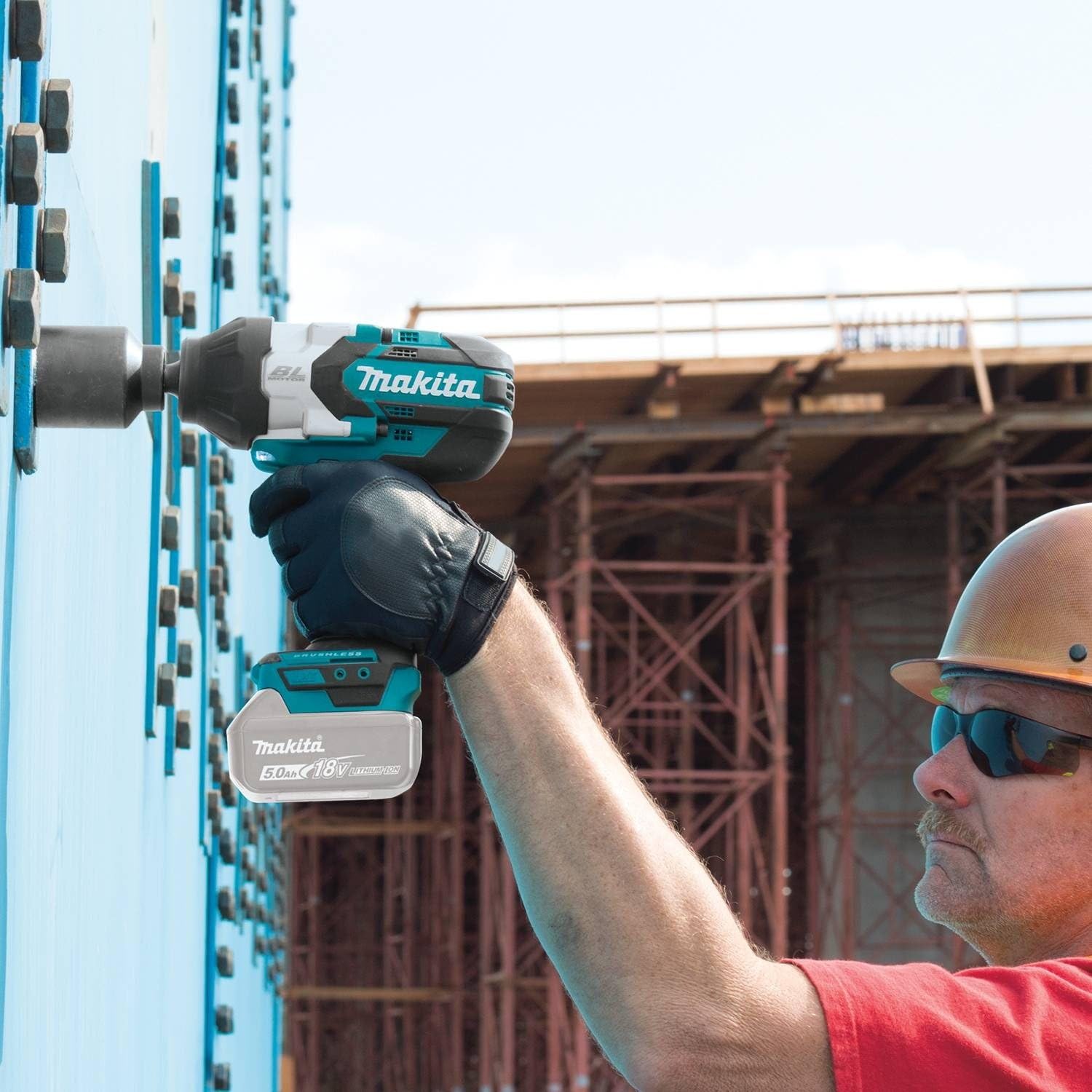
Brushless motors are the future. They’re more efficient, powerful, and longer-lasting. If you’re in the market for a new wrench, consider going brushless. A trigger that doesn’t respond smoothly can be a safety hazard. Don’t mess around with that.
Lubrication Check
- Follow manufacturer’s recommendations
- Don’t over-lubricate (attracts dirt)
- Use the right type of grease or oil
A little lube goes a long way in preventing wear and tear.
But too much lube can be just as bad as none at all. It can attract dirt and gum up the works.
Reset the Tool (If Applicable)
- Some models have a reset button
- Check your manual for the procedure
- This can fix electronic glitches
It’s like rebooting your phone – sometimes it just works.
Modern impact wrenches are basically computers with a motor. A reset can clear out weird electronic hiccups.
Firmware Update (for Smart Tools)
- Some newer models can be updated
- Check manufacturer’s website
- Follow instructions carefully
Updating can fix bugs and even add new features.
Yeah, even your impact wrench might need updates. Welcome to the future, where your tools are smarter than some people. 😅☺️
Check the Wiring
- Look for loose connections
- Check for frayed or damaged wires
- Tighten any loose screws on internal components
Bad wiring can cause intermittent problems that are hard to diagnose.
Inspect the Gears
- Look for stripped or damaged teeth
- Check for proper lubrication
- Listen for grinding noises during operation
Gear problems can wreck your tool fast. Catch ’em early.

When to Call in the Pros
Look, sometimes DIY ain’t gonna cut it. Consider professional repair if:
- Your warranty’s still good (use it!)
- You hear grinding noises from inside
- There’s visible damage to the housing
- You’ve tried everything and it’s still busted
- You’re not comfortable opening up the tool
No shame in getting help. Better than making things worse.
A good repair shop can diagnose problems quickly and might even catch issues you didn’t know about.
Preventing Future Headaches
An ounce of prevention is worth a pound of cure, right? Here’s how to keep your impact wrench happy:
- Clean it after every use (compressed air works great)
- Store it in a dry place (moisture kills electronics)
- Use the right accessories (cheap sockets can damage the anvil)
- Don’t overwork it (let it cool down between tough jobs)
- Keep the battery charged (but not constantly on the charger)
- Use the right size and type of sockets
- Don’t drop it (yeah, obvious, but we’ve all done it)
- Keep the vents clear of debris
- Check and tighten external screws regularly
What People Are Saying:
“I have a habit to disassemble and clean my power tools every one or two years if they are dirty. How do you maintain your power tools?” Check out the comments here.
Treating your tools right isn’t just about making them last. It’s about safety too. A well-maintained tool is less likely to fail in a way that could hurt you.
Essential Equipment Checklist

Proven Solutions Inside!
Tips for Efficient Use and Maintenance
- Make sure the battery is fully charged before use to ensure optimal performance
- Select the correct socket size for the job at hand and securely attach it to the impact wrench
- Adjust the torque settings according to the task you are working on
- When using the impact wrench, hold it firmly with both hands and position the socket squarely on the fastener
- Press the trigger gradually to avoid stripping or damaging the fastener, and release it once the job is completed
Cordless Impact Wrench FAQs: The Stuff You’re Too Embarrassed to Ask
Depends on use, but generally every 50-100 hours of runtime. Some tools have wear indicators.
Hell no. You’ll fry your tool. Stick to what the manufacturer recommends.
A little warmth is fine, but if it’s too hot to touch, something’s wrong.
Most aren’t waterproof. Keep it dry unless it’s specifically rated for wet conditions.
That’s normal. It’s how it delivers high torque in short bursts.
With proper care, 3-5 years is typical. But heavy use can shorten that.
Not a good idea. Most modern chargers cut off when full, but it can still degrade the battery over time.
Impact drivers are for screws and small bolts. Impact wrenches are beefier, for bigger bolts and nuts.
When repairs cost more than a new tool, or when it can’t keep up with your work demands.
The Bottom Line
Cordless impact wrenches are tough tools, but they ain’t invincible. Treat ’em right, and they’ll last for years.
Remember:
- Keep it clean
- Keep it charged
- Don’t abuse it
- Pay attention to warning signs
- Regular maintenance saves money in the long run
- Safety first – a malfunctioning tool can be dangerous
Do all that, and you’ll spend more time working and less time troubleshooting.
Your impact wrench is a workhorse. Treat it like one. Give it the care it deserves, and it’ll never let you down when you need it most.
Now go tighten some bolts, you magnificent beast. And remember, a well-maintained tool is a happy tool. And a happy tool means a happy you.




I’ve contacted customer support for my impact wrench, but haven’t received a response yet. Any advice on how to escalate the issue or get a quicker resolution?
If you haven’t heard back from customer support, you might consider reaching out via multiple channels or through the retailer where you purchased the impact wrench to escalate the matter.
Great guide! I found it really helpful to troubleshoot my cordless impact wrench. Maybe consider adding a section on common maintenance practices to keep the tool in top condition.
I am curious about how often one should test the impact wrench to ensure it’s in good working condition. Any suggestions on a testing schedule?
Is it safe to use WD-40 for lubricating the impact wrench, or should I use a specific type of lubricant? Any recommendations?
After following these steps, my impact wrench is working perfectly again. I recommend including tips on choosing the right impact sockets for different tasks.
I had issues with the battery connection before, and this guide helped me resolve it quickly. Would love to see a section on how to extend battery life for cordless tools.
Glad to hear the guide was useful for fixing your battery connection issue! We’ll consider adding a battery maintenance section to help users prolong battery life.
I’ve seen debates online about the effectiveness of different cleaning methods for impact wrenches. Any insights on the best practices for cleaning and maintenance?
I tried cleaning and lubricating my impact wrench, but it’s still not functioning properly. Any advanced troubleshooting tips for more complex issues?
Sorry to hear you’re still experiencing problems after cleaning and lubricating. You might want to double-check the drive mechanism for any wear or damage that could be affecting performance.
Thank you for the feedback! Adding a maintenance section is a great idea to ensure the impact wrench stays in good working order.
I followed the guide and decided to try professional repair for my impact wrench. It was a bit costly but saved me the hassle of troubleshooting further. Definitely worth it!
Sometimes professional repair can be the best option to ensure your impact wrench is in top working condition. It’s great to hear that it worked out well for you!
This guide was comprehensive and easy to follow. I appreciate the step-by-step approach. It made troubleshooting my impact wrench a breeze.