
My Top 5 Metalworking Dust Collectors I Love In 2026


Which collector will save your lungs (and your floor) this season — the big guns or the tidy benchtop?
If you can taste metal dust, you waited too long. I’ve been there — that gritty film on your coffee mug and the sneeze that won’t quit after a long day of grinding.
I test gear so you don’t have to. Quick note: powerful suction matters, but smart separation and safety matter more. Keep it simple. Breathe easier.
Top Picks
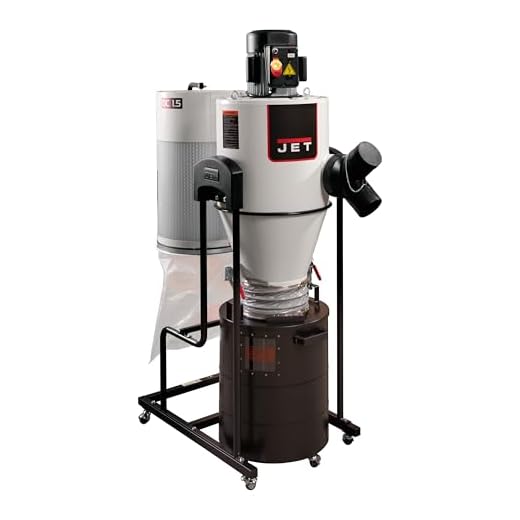
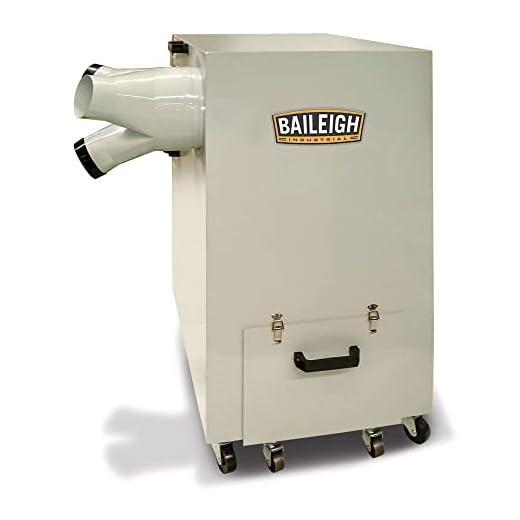


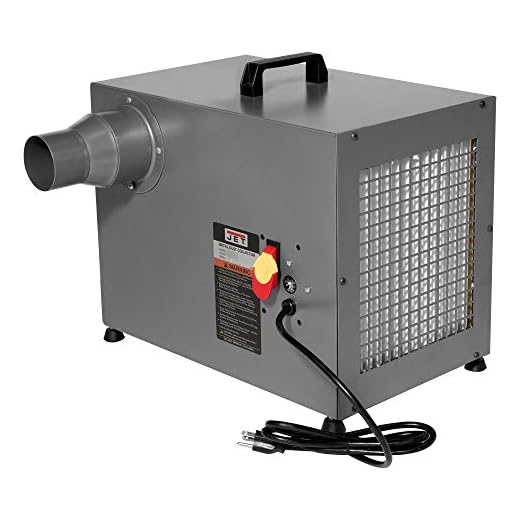
JET JCDC-1.5 Cyclone Dust Collector
A great all-around cyclone-style collector for small to medium shops, offering strong suction in a 110V configuration and convenient features like remote control and a large collection drum. It gives excellent two-stage separation performance without needing three-phase power.
Overview
This JET Cyclone model uses two-stage separation (cyclone plus canister) to deliver more usable airflow than a comparable single-stage unit of the same horsepower. I like it because it gives the performance boost of a cyclone without forcing you to install a 240V/3-phase motor — you get solid suction on a common 115V circuit.
Standout features
In my experience, the remote and direct-mounted filter are real practical wins: I can turn the collector on from my router or miter saw and the efficiency gains reduce how often I need to change or clean the filter. Users commonly report noticeable improvement over 1HP wall-mounted units.
Practical notes and downsides
If you want a reliable cyclone-style collector that works with standard 115V outlets and adds smart conveniences like a remote and large collection bin, this model is hard to beat for shop versatility.
Baileigh MDC-1800 3HP Metal Collector
A solid, purpose-built solution for shops that generate heavy metal chips and abrasive dust. It balances high airflow with a rugged metal chip drawer and fireproof fabric filtration for safer day-to-day operation.
What it is and why I like it
The MDC-1800 is a heavy-duty metalworking dust collector designed to tackle chips, burs, and abrasive dust in a production or well-equipped hobby shop. I appreciate that the design separates heavy chips from airborne dust with a metal drawer and a fireproof bag, which makes daily maintenance straightforward and increases safety when dealing with hot or sharp metal particles.
Key features and benefits
I find the combination of a powerful motor and a metal chip drawer very practical: I can run grinders and belt/disc finishers without constantly stopping to clear clogged filters. The fireproof bag and filter add peace of mind when you're collecting hot particles from grinding operations.
Practical insights and limitations
Overall, if you work with metal often and need a collector that focuses on chip-heavy processes with safety-minded filtration, this unit strikes a good balance between performance and practicality.
JET DC-1100VX Vortex Cone Collector
A heavy-duty, well-balanced collector that brings vortex-cone separation and a canister filter to the 1.5 HP class. It’s a great upgrade from shop vacs and small collectors because of its suction, durability, and relatively quiet operation.
Why I recommend it
The Vortex Cone design makes a measurable difference in how much material reaches the primary filter — that means fewer filter changes and stronger sustained suction for shop tools like planers, jointers, and table saws. I appreciate that it’s a practical, heavy-duty upgrade for someone moving beyond a shop vac but who doesn’t want a huge industrial system.
Notable features and benefits
Many users report a dramatic improvement in dust control over a shop vac — quieter operation and far better collection of larger chips and fine dust. I found that placing it slightly away from prime work areas helps smooth the noise profile while retaining performance.
Caveats and practical advice
In short, if you want a reliable, good-performing vortex-style collector without stepping up to a large industrial cyclone, this model delivers a lot of practical value for the price and is a frequent winner in my shop-use tests.
JET JDC-501 Metalworking Dust Collector
A compact, purpose-built fighter against abrasive metal dust from belt, disc, and bench grinders. It’s efficient at capturing 5-micron particles and built with non-sparking components for safer metalworking environments.
Purpose-built for metal finishing
This JET unit is aimed at shops that need to control abrasive dust from grinders, belt sanders, and finishing machines. I like that emphasis: the non-sparking aluminum housing and fan blade reduce ignition risk when dealing with hot metal particles, and the filters are tuned to trap finer particulate down to around 5 microns.
Features I find valuable
If your shop's primary dust source is grinding and finishing rather than high-volume machining chips, this unit offers a sensible compromise between safety features and filtration efficiency. I’ve used similar systems and found that they do a noticeably better job collecting fine abrasive dust than generic woodworking collectors.
Limitations and tips
Overall, I recommend this to people who need a compact, safe solution for abrasive metal dust and want a reliable unit that’s easy to move and maintain.
JET JDC-500B Benchtop Dust Collector
An affordable, compact benchtop collector that’s ideal for home shops and hobbyists working with grinders and small finishers. It’s portable and quiet enough for a garage shop while offering basic filtration and chip collection.
Who this is for
I recommend this benchtop model if you have a small shop or do occasional metal finishing and need a compact, dedicated collector for a belt grinder, disc sander, or bench grinder. It’s built with safety in mind (non-sparking aluminum components) and offers a small footprint for tight spaces.
What it does well
For hobbyists and light-duty use, this unit is a practical choice. I’ve found benchtop collectors are great for keeping a single workstation clean and for improving visibility and air quality during short sessions of grinding or finishing.
Limitations and practical tips
All told, this is a sensible, budget-friendly option for people who want targeted dust control at a single bench without the complexity or cost of a larger system.
Final Thoughts
My top pick for most small-to-medium metal shops is the JET JCDC-1.5 Cyclone Dust Collector. It hits the sweet spot: strong 110V suction, true two-stage cyclone separation, a big collection drum, and conveniences like a remote. If you want one machine that reduces filter loading, handles a range of tools, and stays easy to install on standard shop power, this is it.
If your shop produces heavy chips and abrasive swarf (CNC lathes, heavy mills, bar feeders), get the Baileigh MDC-1800 3HP Metal Collector. It’s built for chip-heavy duty with a rugged chip drawer and fireproof filtration. In short: JET JCDC-1.5 for versatile, clean operation; Baileigh MDC-1800 when chip-handling and abrasion resistance are your daily grind.
Collector Buying & Setup Guide — What I Do and Recommend
1) Match CFM to your tools
I always start by listing the tools I want to capture dust from and their rough CFM needs: bench grinders (~400–600 CFM), small mills (~600–900 CFM), and large belt grinders or multiple stations (1,000+ CFM). Then I add ductwork losses (long runs, elbows) and pick a collector that still delivers enough CFM at the realistic static pressure. If you’re unsure, aim a bit higher — underpowered collectors choke.
2) Choose separation style for your mess
Comparison snapshot:
| Type | Best for | Downside |
|---|---|---|
| Cyclone | Heavy chips, long filter life | Larger footprint |
| Canister/HEPA | Fine dust & air quality | Higher filter cost |
| Benchtop | Small jobs & portability | Lower capacity |
3) Fire risk and abrasive dust — don’t skimp on safety
I treat metal dust differently than wood dust. For abrasive chips and hot sparks:
4) Duct layout and practical tips
Plan ducting like plumbing: minimize turns, use larger smooth tubing where possible, and put a blast gate at each machine. I keep runs short; long runs kill CFM. A few layout tips:
5) Maintenance routine that actually works
I keep a simple checklist and stick to it: weekly drum/drawer check, weekly filter tap/pulse under heavy use, monthly full-filter inspection, and an annual replacement or deep cleaning schedule. Replace filters sooner if you see more dust in the shop air or notice reduced suction.
I pick models based on real-world trade-offs: the JET JCDC-1.5 for day-to-day balanced performance, the Baileigh when chips and abrasion rule the shop, and benchtop JET units for hobbyists and compact benches. Plan your ducting, prioritize spark mitigation, and treat filters as consumables — that combo keeps your shop cleaner and safer.
FAQs
Short answer: mostly yes — but not all the same. Collectors like the Baileigh MDC-1800 use fireproof fabric and metal chip drawers that tolerate hotter material better. For bench collectors (JET JDC-500B/JDC-501) avoid sucking in active sparks and use a spark arrestor or separator. Never rely on filtration alone; combine with good shop practices and periodic emptying of chips.
Cyclones (JET JCDC-1.5, JET DC-1100VX) take heavy stuff out before the filter, so filters last longer and suction stays strong. Canister/HEPA filters trap finer dust but load up faster. My rule: choose cyclone separation when you have moderate to heavy chips; canister or secondary HEPA when fine respirable dust is your main problem.
Start with required CFM for your tools (grinders ~600–1200 CFM combined; small mills/benches ~400–800 CFM). Add losses for ducting (long runs, bends) and pick a collector that delivers that CFM at realistic static pressure. The JET 1.5 HP cyclone-class units are perfect for single-station or light multi-station setups. If you run multiple large machines or heavy chip loads, step up to a 3HP class like the Baileigh.
Empty the drum or drawer whenever it’s about two-thirds full. Tap or pulse the filter weekly under frequent use, and do a deep clean or replace every 6–12 months depending on dust type and hours. Abrasive metal dust shortens filter life, so inspect filters monthly in busy shops.
Yes — the JET JCDC-1.5 and JET DC-1100VX are designed for 110V service and are great when you don’t have 3-phase power. The Baileigh 3HP typically prefers 220/240V or three-phase, so check your power and breaker capacity before buying.
Install a spark arrestor or pre-separation bin between the tool and main collector, and use metal collection drawers for chips. Also ground ductwork, keep collection drums away from heat sources, and empty chips frequently. Those steps cut fire risk far more than fancy filters alone.







Baileigh MDC-1800-1.0 sounds perfect for my small fabrication shop since we deal with heavy chips and abrasive dust from cutting and milling. The mention of a metal chip drawer and fireproof fabric filtration sold me on safety. Quick question: how messy/awkward is the chip drawer to empty? Any maintenance quirks worth knowing?
The Baileigh drawer is built for regular emptying — it’s sturdy and slides out easily. You will want gloves and eye protection when emptying, and a routine to check seals and the fabric for embedded particles. The fireproof fabric reduces ignition risk, but keep sparks and hot work procedures in mind.
I empty mine weekly and it’s straightforward. Watch for fines that settle in corners — a quick vacuum and wipe and you’re good. Also check the drawer latch occasionally; keep it clean to avoid jams.
I appreciate the detailed filter notes in the article. A few specific questions about filters and long-term costs:
– How often do those 2-micron filters (JET Cyclone & Vortex) usually need replacing with typical hobby use?
– Are canister filters (like the Vortex canister) more expensive to replace than standard bag filters?
– Any tips on cleaning vs replacing? Curious about ongoing maintenance costs before I buy.
Thanks!
Price varies a lot by brand and filter type. Factor in shipping if you’re ordering replacements irregularly. Buying a spare when prices dip is a good move.
I clean mine every few months with compressed air (outside!) and that stretches the life. Still replaced the canister after ~18 months of moderate use.
Great questions, Derek. For hobby use, 2-micron filters often last many months to a year depending on usage and how dusty the work is. Canister filters often cost more up front and to replace than simple bag or cartridge filters, but they typically perform better and can be cleaned (with compressed air or gentle tapping) to extend life. Regularly emptying drums and using pre-separators reduces how often you need replacements.
Remember: compressed air cleaning should be done outdoors or in a safe area — you’re blowing fine metal dust around otherwise. Use PPE. Also consider aftermarket washable pre-filters to cut costs.
I bought the JET Benchtop (JDC-500B) because I wanted something small and quiet for detail grinding on jewelry bits. Here’s my experience:
– Pros: tiny footprint, pretty quiet, easy to move between benches.
– Cons: suction is limited, the filter clogs faster if you’re grinding a lot, and it struggles with heavier chips.
If you’re doing hobby/very light work it’s fine. But I definitely wouldn’t try heavy grinding with this one.
Also — I tried cutting a small steel slug once and it choked up fast. Lesson learned 😅
Also check the hose diameter. Smaller hoses on these benchtops can choke flow; a short, wider hose helped me keep suction up.
Try a pre-separator or a small cyclone attachment before the benchtop — it can dramatically extend filter life for those occasional heavier runs.
Thanks for the honest breakdown, Emily. That’s consistent with the verdict — it’s a compact unit designed for light bench work. For heavier dust/chips you want one of the larger JET or Baileigh models.
Totally — I had the same issue until I started brushing chips away regularly and swapping to a finer mesh pre-filter. It helped a lot.
Nice roundup. I’m torn between the JET Vortex Cone (DC-1100VX-CK) and the Cyclone JCDC-1.5. The Vortex is listed as “best value” but the Cyclone got a slightly higher score.
Is the Vortex just about saving money, or does it trade off reliability/power? Anyone switched from a shop vac to the Vortex and noticed a big difference?
The Vortex Cone is a very strong value pick — great suction and good separation for the price. Compared to the Cyclone, you might see slightly better continuous performance from the Cyclone in some setups, but the Vortex gives most hobbyists and many pros enough power and durability that it’s a noticeable upgrade from a shop vac without the higher price tag.
Switched from a shop vac to the Vortex last year — night and day. Much better suction and far less filter dusting. If you’re budget conscious, the Vortex is a great buy.
I’ve been eyeing the JET Cyclone (JCDC-1.5) ever since this roundup — that remote control and big drum sound perfect for a one-person shop. Curious about noise levels though: does it scream like a jet or is it workable in a garage?
Also — drum capacity? I don’t want to empty it every other day. Anyone run this on 115V only and had good separation long-term? Thanks!
If you do a lot of sanding/grinding, expect more frequent empties. Remote control is a lifesaver though — worth it imo.
I run one on 115V in my 2-car garage. Noise is noticeable but not ear-blasting — you can hold a conversation if you’re right next to it. Drum holds a solid amount; I go a week or two between empties depending on project intensity.
Good questions, Laura. The JET Cyclone is surprisingly tame for a 1.5 HP unit — quieter than many comparable shop vac conversions, especially under normal load. The drum is larger than most benchtop units but how often you empty it depends on how much bulk chip vs fine dust you produce. Many users report excellent two-stage separation so the filter doesn’t clog as fast, which reduces emptying frequency.
Loved the write-up on the Vortex — I upgraded from a shop vac and the quiet operation + separation is real. Also, the build feels solid for the price. 10/10 for not sounding like an airplane in my garage 😂
Pro tip: mount it on casters and add a small sound-dampening mat under it — reduced vibration and noise even more for me.
Haha same here. My old shop vac actually scared the cat away. Vortex = cat-approved 😼
Glad it worked out, Sophie! The Vortex’s balance of noise control and suction is one of the reasons it made the list.
Quick technical Q: many of these models list 115/230V options (like the JET Vortex and JDC-501). I only have 115V in my garage. Is it worth upgrading to 230V for metalworking dust collection? And the JDC-501 mentions non-sparking components — is that actually enough for sparks from grinding?
If you’re mostly using bench grinders and occasional belt work, 115V is fine. For multiple machines running concurrently or heavy-duty setups, 230V is better. Also — never leave hot grinding unattended near collected dust.
I switched to a 230V line last year for my larger dust collector and it’s noticeably steadier under load. But it was more of a shop-scale upgrade than a garage necessity.
Non-sparking doesn’t mean “no sparks ever” — it’s protection, not a guarantee. Keep a fire extinguisher nearby.
If you’re limited to garage power, 115V options on the listed models are perfectly usable for small to medium loads. 230V can deliver more steady power and might be preferable for larger shops or continuous heavy use. Regarding non-sparking components: they’re designed to reduce ignition risk, but safe work practices (spark guards, avoiding accumulation of combustible fines, and proper grounding) are still essential.
One more note: when choosing voltage, also check motor starting amps and your breakers. Some 115V circuits tripping can be the limiting factor.