Perfect Your Mowing: Side Shift Flail Mower Techniques


If you’re looking to improve your land maintenance, mastering the flail mower side shift can make a big difference.
This type of mower is designed to make cutting grass and brush easier and more efficient. With its unique side shift feature, you can reach tricky spots without having to move the whole tractor.
Here are some key takeaways to help you understand and use this powerful tool effectively.

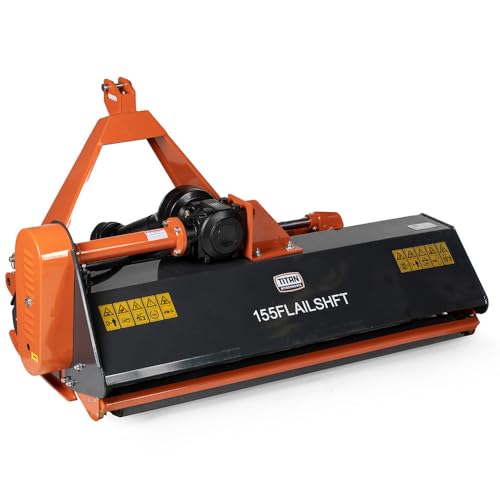
Titan Attachments 3 Point Flail Mower with 16in Hydraulic Side Shift, 40-50 HP Mowing Attachment for Category 1 Tractors and Loaders (Cutting Width: 72")
Disclosure
This post contains affiliate links. If you make a purchase through these links, we may earn a small commission at no extra cost to you.
Key Takeaways
- A flail mower with side shift allows you to cut in hard-to-reach areas without moving your tractor.
- These mowers can mulch materials up to 3 inches thick, turning them into fine mulch that nourishes the soil.
- Using a side shift feature can save you time and effort when mowing along fences and ditches.
- Regular maintenance of the hydraulic system is crucial for optimal performance and longevity of your mower.
- Flail mowers are more efficient than traditional mowers, providing better vegetation control and faster decomposition rates.
Understanding the Flail Mower Side Shift

What Makes It Different
Ever wonder what’s so special about a side shift flail mower? Well, let me tell you, it’s all about that side shift action.
Unlike regular mowers, this bad boy lets you slide the mower left or right. Imagine mowing right up against fences or walls without missing a spot.
It’s like having an extra pair of hands guiding the mower exactly where you need it.
Benefits of Side Shift
The benefits? Oh, they’re plenty. First, you save a ton of time because you can adjust the mower on the go. No more stopping and repositioning.
Common Uses
So, where do you use a flail mower with side shift? It’s perfect for roadside maintenance, clearing paths, and even tackling those overgrown fields.
Whether you’re dealing with grass, bushes, or small branches, this mower handles them all.
Trust me, once you’ve tried a flail mower with hydraulic side shift, you’ll wonder how you ever managed without it.
Choosing the Right Flail Mower for Your Needs
Factors to Consider
Alright, so you’re in the market for a flail mower, huh? Let’s break it down. First up, think about what you’ll be mowing. Light grass or heavy brush?
This will guide you on the type of mower you need. Don’t forget about the terrain – flat or hilly? A hydraulic flail mower with side shift can be a game-changer for those tricky spots.
And hey, make sure your tractor can handle the power requirements of the mower.
Size and Power Requirements
Size matters, folks. For properties under 10 acres, a 60-inch cutting width is usually spot on. You’ll need a tractor with about 40-50 HP.
Bigger property? Go for a 72-inch width with a 45-55 HP tractor. Remember, too small and you’re wasting time, too big and you’re just burning fuel.
Budgeting for Your Mower
Now, let’s talk cash. It’s easy to get carried away with the latest and greatest, but stick to your budget.
A hydraulic flail mower for sale might sound fancy, but make sure it fits your wallet. Consider long-term costs like maintenance and parts. Sometimes spending a bit more now saves you bucks later.
Mastering the Art of Mowing with Side Shift
Techniques for Different Terrains
Mowing isn’t just about pushing a machine. It’s about understanding the land. For flat terrains, keep your pace steady and consistent.
But on slopes, slow down a bit to maintain control. Think of it like driving on a highway versus a winding road.
Adjusting to Vegetation Types
Not all grass is created equal. Light grass? Speed it up a little. Heavy brush? Slow and steady wins the race.
And don’t forget to adjust the cutting height based on what you’re dealing with. It’s like cooking; each ingredient needs its own time and temperature.
Maximizing Efficiency
Want to save time? Use a spiral pattern when mowing large areas. It cuts down on overlap and makes sure you hit every spot.
And always keep an eye on your hydraulic system, because a smooth operation is a fast operation.
Mowing is like a dance with nature. You lead, but you must also follow.
Mastering these techniques will have you mowing like a pro in no time. It’s all about knowing your equipment and the land you’re working with.
Disclosure
This post contains affiliate links. If you make a purchase through these links, we may earn a small commission at no extra cost to you.
Maintenance Tips for Your Flail Mower
Alright, so keeping your flail mower in top shape isn’t rocket science, but it does need a bit of TLC.
Start with daily checks – just a quick once-over to make sure everything is where it should be. Look at the blades.
Are they sharp? If not, you might want to give them a little love with a sharpening tool. Weekly, you should be checking the belts and tension. Loose belts? Tighten them up.
Seasonal Maintenance
When the seasons change, so should your maintenance routine. In spring, it’s all about getting rid of winter’s leftovers.
Clear any debris and check for damage. Summer means more frequent blade checks because, let’s face it, you’re mowing more often.
Fall? Well, that’s when you want to make sure everything’s ready for a long winter nap.
Troubleshooting Common Issues
Sometimes, things just don’t go as planned. If your mower’s vibrating like a cheap motel bed, check the blade balance and rotor alignment.
Uneven cuts? Could be your rotor speed or maybe the roller alignment. And if your hydraulic system’s acting up, you might want to check the fluid levels and clarity.
Keep an eye out for dark or milky fluid – that’s a red flag right there.
Every hour you spend on maintenance saves you ten hours of downtime. It’s not just about keeping the mower running but about saving yourself headaches down the line. A little effort now means less hassle later.
Safety First: Operating Your Flail Mower
Before you even think about starting your mower, make sure you’re suited up. Safety gear is a must. Here’s what you need:
- Hard hat for head protection.
- Safety goggles to keep your eyes safe from flying debris.
- Sturdy gloves to protect your hands.
Safe Operating Practices
To keep things running smoothly and safely, always follow these practices:
- Read the manual before you start. It’s not just for show.
- Check your surroundings for obstacles.
- Keep bystanders at a safe distance.
- Perform a ‘safe stop’ before any maintenance.
Handling Emergencies
Stuff happens, right? If you hit a snag, here’s what to do:
- Stay calm. Panicking won’t help.
- Turn off the mower immediately.
- Assess the situation and decide if you need professional help.
Safety isn’t just a rule book; it’s your lifeline. Keep it close.
Enhancing Performance with Attachments
Popular Attachments
Alright, let’s dive into the world of attachments. You’ve got your flail mower, but did you know you can boost its performance with some nifty add-ons? Here’s a quick rundown:
- Front Safety Chains: These bad boys keep debris from flying everywhere. No one wants a rock through their window, right?
- Adjustable Rear Roller: Perfect for getting that clean, even cut. No more uneven patches!
- Forged Hammer Blades: These are tough and slice through thick brush like butter.
Installation Tips
Installing these attachments might seem like a chore, but trust me, it’s worth it. Here’s how you can do it without losing your mind:
- Read the Manual: I know, I know. But seriously, it’s packed with useful info.
- Check Compatibility: Make sure your attachments fit your mower model.
- Secure Everything: Double-check bolts and screws. You don’t want anything coming loose mid-mow.
When to Use Attachments
So, when should you actually use these attachments? Here’s a quick guide:
- Tackling Thick Brush: Use those forged hammer blades.
- Even Lawn: Adjustable rear rollers are your best friend.
- Safety First: Always have those front safety chains on, especially in rocky areas.
Adding the right attachments can turn your mowing from a chore into a breeze. It’s like giving your mower a superpower!
Remember, the right attachments can make all the difference when you’re out there tackling the wild. Happy mowing!
Hydraulic System Care for Side Shift Mowers

Understanding Your Hydraulic System
Alright, so let’s talk about the hydraulic system in your side shift flail mower. Think of it like the heart of the whole operation. It keeps everything moving smoothly.
Without it, your hydraulic ditch bank mower is just a fancy lawn ornament. You gotta keep an eye on the fluid levels.
Check them when everything’s cool, like first thing in the morning. If the fluid looks dark or smells funky, it’s time for a change.
Routine Hydraulic Maintenance
Routine checks are your best friend here. Weekly, you should be checking the fluid clarity. If it’s not clear, you might have a problem.
Replace filters on schedule to keep things running smooth. And don’t forget to monitor pressure readings.
Low pressure can mean trouble. Keep those fittings clean, too. Dirty fittings can mess things up real quick.
Signs of Hydraulic Issues
So, how do you know if something’s up? Well, if you notice any of these: dark fluid, milky appearance, or weird smells, that’s a red flag.
You might also see a drop in performance or hear strange noises. If that happens, don’t ignore it. Fix it before it turns into a bigger problem.
Keeping your hydraulic system in tip-top shape means less downtime and more mowing time. Trust me, it’s worth the effort.
Comparing Flail Mowers to Other Mower Types

Alright, so you’ve probably heard about rotary mowers. They’re like the basic go-to for many folks. They spin a blade super fast, kinda like a fan, and chop through grass and weeds.
But here’s the thing: they kinda just hack at the stuff. Flail mowers, on the other hand, pulverize vegetation.
It’s like the difference between using a machete and a wood chipper.
Flail mowers, especially those with a flail mower hydraulic motor, chew up the grass into tiny bits, which break down faster and feed your soil better.
Advantages of Flail Mowers
Why would you want a flail mower, you ask? Well, let me tell you:
- They handle thicker brush without bogging down.
- They reduce debris flying around, which is safer.
- They turn your cuttings into mulch, which is great for the land.
And if you’ve got a front mount hydraulic flail mower, you can even reach those tricky spots without much hassle.
Choosing the Best for Your Land
Picking between a flail and a rotary mower depends on what you’re dealing with. If your land is mostly grass, a rotary might do the job.
But if you’ve got tougher stuff like bushes or uneven terrain, a flail mower is the way to go.
It’s all about what fits your needs, and sometimes, the flail mower hydraulic motor makes all the difference.
Titan Attachments 3 Point Flail Mower with 16in Hydraulic Side Shift, 40-50 HP Mowing Attachment for Category 1 Tractors and Loaders (Cutting Width: 72")
Disclosure
This post contains affiliate links. If you make a purchase through these links, we may earn a small commission at no extra cost to you.
Real-Life Success Stories with Flail Mowers
Case Study: Large Property Management
So, I was managing this huge property, right? I mean, acres and acres of wild growth. The regular mowers just weren’t cutting it.
Then I got my hands on a hydraulic flail mower. Total game-changer. It was like slicing through butter. The side shift feature?
Man, it saved so much time along those tricky fence lines.
Small Farm Applications
I remember this small farm I helped out on. The owner was struggling with thick brush and uneven terrain.
We brought in a flail mower with hydraulic side shift. It tackled everything, from overgrown grass to stubborn weeds.
The farmer couldn’t believe how much easier it made things.
Testimonials from Users
- “Never thought mowing could be this easy! The hydraulic flail mower is a beast.”
- “I love how it handles different terrains without a hitch.”
- “The side shift feature is a lifesaver for those hard-to-reach spots.”
Environmental Benefits of Using Flail Mowers

Reducing Carbon Footprint
Using a flail mower, especially a hydraulic flail mower for excavator, can seriously cut down on your carbon footprint.
These mowers mulch vegetation right on the spot, so there’s less need for hauling debris away. Less transportation means less fuel burned.
Plus, by turning plant material into mulch, you’re reducing the need for chemical fertilizers.
Promoting Soil Health
Flail mowers like the hydraulic driven flail mower are like the secret weapon for soil health. They chop up weeds and grass into tiny pieces that decompose quickly.
This process returns nutrients back to the soil, making it richer and more fertile. It’s like giving your land a natural vitamin boost without the synthetic stuff.
Sustainable Land Management
With tools like hydraulic skid steer flail mowers, you’re not just mowing; you’re managing your land sustainably.
These mowers help maintain vegetation balance without stripping the land bare. They also minimize soil erosion by leaving a protective layer of mulch.
This not only keeps the soil in place but also retains moisture, which is super important during dry spells.
Embracing flail mowers is a step towards greener land care. It’s about working with nature, not against it.
Incorporating a hydraulic flail mower for mini excavator into your routine can transform your approach to land care, making it more eco-friendly and efficient.
So next time you’re out there, think about how your choice of mower can make a difference.
Wrapping It Up: Master Your Mowing Skills
So there you have it! Using a hydraulic flail mower with side shift can really change the game when it comes to keeping your land neat and tidy.
It’s not just about cutting grass; it’s about making your life easier and your work more efficient. With the ability to shift the mower side to side without moving your tractor, you can tackle those tricky spots like fence lines and ditches without breaking a sweat.
Plus, the mulching feature means you’re turning that cut grass into natural fertilizer for your lawn.
So, whether you’re a pro or just starting out, these tips will help you get the most out of your mower.
Happy mowing!
Frequently Asked Questions
What is a flail mower with side shift?
A flail mower with side shift is a tool that helps trim grass and brush. It has blades that chop up plants into small pieces and can move sideways without moving the tractor.
Why should I choose a flail mower over a regular mower?
Flail mowers are better for heavy plants because they can mulch them into smaller pieces. This helps the ground stay healthy by adding nutrients back into the soil.
How does the side shift feature work?
The side shift lets you move the mower left or right up to 8 inches. This means you can reach tricky spots without needing to move the whole tractor.
What types of areas can I use a flail mower in?
You can use a flail mower in many places like along fences, in fields, or near ditches. It’s great for both small and large areas.
What should I consider when buying a flail mower?
Think about the size of your land, the power of your tractor, and how much you want to spend. Choosing the right mower makes a big difference.
How do I take care of my flail mower?
Regular checks are important. Look at the blades, check the oil, and keep the hydraulic system clean to ensure it works well.
Is it safe to use a flail mower?
Yes, but you need to wear safety gear like goggles and gloves. Always follow safety rules to avoid accidents.
What are some common problems with flail mowers?
Common issues include uneven cutting and vibrations. Regular maintenance helps prevent these problems.