


Which grapple survived my worst job — and which one left me swearing at my hydraulic lines?
I put ten grapple buckets through mud, rock piles, and stubborn stumps. I wanted to know which one actually saved me time and which one would need babysitting.
I tested for strength, clamping power, hookup ease, and real-world durability. Short story: some felt like tools built for contractors; others felt like weekend warriors with a hard day ahead.
Top Picks


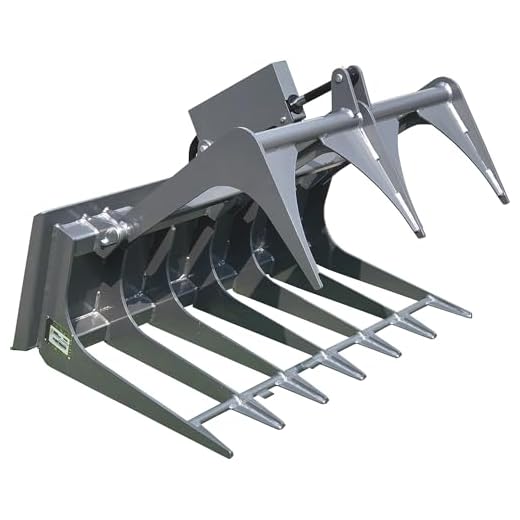


84" Solid Bottom Skid Steer Grapple Bucket
A premium, solid-bottom grapple built to withstand heavy-duty work and offer robust material handling. It’s ideal for contractors who need a dependable tool that minimizes wear and simplifies maintenance with greaseable pins and quality steel.
Overview and target applications
I reach for an 84" solid-bottom grapple when I need to haul heavy, loose, or fine material without losing contents through a skeleton base. This is the kind of attachment pro contractors use for consistent site cleanup and material handling.
Construction and build quality
Performance and practical use
It feels rock-solid under load and is forgiving when you’re carrying heavy piles of soil, demolition debris, or mixed materials. The solid bottom prevents fines from streaming out during transport and the robust build stands up to frequent use. You do need a machine with adequate lift and hydraulic capacity to get the most from it.
Final recommendations
Landhonor 72" Heavy-Duty Rock Grapple Bucket
A heavy-duty grapple designed to sift and move rocks, logs, and large debris with confidence. It’s robust, well-spaced tines make it ideal for jobs that require separation of dirt from heavier materials.
What this grapple excels at
I turn to this 72" rock grapple when I need to remove rocks, large brush, or construction debris and want efficient sifting. The 2.5" tine spacing is a sweet spot for keeping dirt behind while lifting heavy objects.
Key construction and features
How it performs on the job
When I used it, the grapple felt solid under load and made short work of rock piles and root balls. Because it’s built for heavy materials, you need to be mindful of the machine’s lift capacity — overloading can stress your loader. For site prep, quarry cleanup, and property clearing with lots of rock, this is an excellent tool.
Practical considerations
Titan Extreme Duty Stump Bucket Grapple
Built for heavy stump and log work, this grapple delivers the brute force you need to remove bulky material quickly. It’s beefy and effective, though exposed hoses have been a recurring maintenance concern for some owners.
Who should consider this grapple
I pick this Extreme Duty Stump Bucket when the job involves sizeable stumps, buried rocks, and bulky debris. If you need something to pry and carry large, awkward loads, this is designed for that kind of work.
Strengths and design details
On-the-job impressions and caveats
In use, it makes short work of stumps that would otherwise take hours to dig out by hand. Several long-time owners praise its durability and how quickly it moves heavy firewood and debris. The recurring downside I’ve seen is the vulnerability of hoses and fittings: exposed lines can get damaged, leading users to add custom guards or brackets to protect them.
Practical advice
Wolfequip 72" Double-Cylinder Root Grapple
A versatile 72" grapple with dual cylinders that provide solid clamping and adjustability for varying loads. It’s a reliable choice for landscapers who need quick-tach compatibility and a compact-yet-strong design.
Overview and intended use
I recommend this Wolfequip 72" grapple when you want a dependable, quick-tach-compatible attachment that handles roots, brush, and typical land-clearing tasks. The double-cylinder setup gives a secure, even clamp that I appreciate when moving uneven loads.
Construction and features
Performance and real-world notes
In my experience this model balances strength and agility: it grabs heavy brush and small logs without excessive weight or fuss. It’s not a rock-sifting specialized grapple, but for general cleanup, tree work, and property maintenance it hits the sweet spot. Some users will want to route hoses or add guards depending on how they operate around dense brush.
Recommendations
Titan Bolt-On 48"-60" Bucket Grapple Kit
A clever bolt-on kit that converts a standard bucket into a grapple without welding. It’s a great option for owners who want flexibility and tool-free removal, though installation can be heavy and may require drilling and help.
Why choose a bolt-on kit
I like this bolt-on grapple because it lets you turn a standard bucket into a grapple without replacing equipment. It’s ideal if you want versatility — convert for seasonal jobs and remove when you need a plain bucket.
What the kit includes and how it works
Installation and user experience
Installing this requires drilling the provided holes and lifting a 200+ lb assembly into place. In my experience, having a hoist or a buddy helps a lot. Several buyers mention they had to adapt hydraulic connectors (some kits ship with BSPP/British fittings), so plan for potential adapter purchases.
Tips and verdict
Wolfequip 72" Heavy-Duty Rock Rake Grapple
A solid rock-rake grapple that’s easy to hook up and does a great job sifting and moving debris. It’s a no-nonsense tool for loaders that need a reliable rock bucket without fancy extras.
Purpose and ideal users
I recommend this 72" rock rake grapple for landscape contractors and property owners who need a reliable attachment for rock and debris separation. It’s focused on utility and durability rather than specialty capabilities.
Construction highlights
Field performance and considerations
In practice, the rake picks up and sorts material quickly, cutting down on hand-sorting and multiple passes. It’s not the right tool if you’re trying to pull deep stumps or pry extremely heavy objects, but for sorting rock from soil and moving brush it’s efficient and predictable.
Final thoughts
NorTrac 42" Skid Steer Grapple Bucket
A dependable 42" grapple that balances digging capability and clamping power for small-to-medium tasks. It’s a practical option for operators who need a compact bucket with hydraulic teeth and good mounting compatibility.
Who I’d recommend it to
I recommend this NorTrac 42" grapple for landscapers, small contractors, and homeowners who need a compact attachment that can dig and clamp in tight spaces. Its combination of lower digging teeth and hydraulic upper teeth give it a practical edge for mixed tasks.
Key features and what they deliver
Field experience and limitations
It performs well for moving brush, light digging, and loading trucks in constrained areas. The trade-off is capacity — because it’s narrow, you’ll make more trips for large clearings compared with big grapples. For small properties or where precision matters, the efficiency gains often outweigh the need for larger units.
Practical tips
Titan 42" Mini Skid Steer Root Grapple
A compact 42" grapple that’s perfect for tight spaces and mini skid steers. It’s maneuverable and efficient for landscaping and small-scale clearing, though capacity is naturally limited compared with larger models.
Who this fits best
I favor this 42" grapple when I’m working in gardens, tight property lines, or with a mini skid steer where a full-size grapple would be cumbersome. It’s built for accessibility and control rather than raw capacity.
Notable design features
Real-world use and limitations
It does a great job handling brush, small roots, and landscaping debris without overcrowding the machine. Don’t expect it to replace a full-size stump or rock grapple; this is a specialized compact tool. Occasional reinforcement of high-wear points will keep it working well for longer.
Practical tips
60" Grade 50 Single Cylinder Grapple
A lightweight, Grade 50 option tailored for light brush-clearing and smaller jobs. It’s a sensible pick when you need better steel grade on a budget, but it’s not built for continuous heavy-duty rock or stump work.
Purpose and intended users
I see this 60" Grade 50 grapple as an intermediate step up from straight economy buckets. It’s targeted at homeowners, landscapers, and light contractors who want stronger steel and easier hydraulics without the extra complexity of dual-cylinder industrial grapples.
Notable specs and advantages
Performance notes and limitations
In my experience, a single-cylinder grapple like this is simple to service and reduces hose clutter, which is handy on smaller machines. It lacks the brute clamping power of dual-cylinder units, so I wouldn’t pick it for frequent stump-pulling or heavy rock handling. Expect excellent results for clearing brush, light roots, and debris.
Practical suggestions
Titan 60" Economy Root Grapple Bucket
A budget-friendly grapple that works well for occasional yard work and light clearing. Expect functional performance out of the box, but be prepared to address hydraulic fittings and pin retention issues if you push it hard.
What it is and who it's for
I see this as a practical choice for homeowners and small contractors who need a capable grapple without paying for pro-level features. It’s aimed at landscaping, light land clearing, and removing roots and debris where heavy, continuous industrial use isn’t required.
Key features and build
Real-world performance and limitations
I found it performs well for occasional cleanup and light ripping tasks. However, several owners report issues with hydraulic fittings not matching certain machines and pins that can bend or fall out when working dense brush. If you operate in tougher conditions or rely on rapid turnaround, plan on inspecting and possibly upgrading the pins and verifying hose fittings before extended use.
Practical tips and takeaway
Final Thoughts
My clear top pick for heavy, day‑in/day‑out work is the 84" Solid Bottom Skid Steer Grapple Bucket (9/10). It stood up to the biggest loads, minimized wear with greaseable pins, and made cleanup easier thanks to the solid bottom — ideal for contractors and rental fleets that need a dependable, low‑maintenance workhorse.
If your jobs are more about rocks, logs, and separating debris, reach for the Landhonor 72" Heavy‑Duty Rock Grapple Bucket (8.8/10). Its well‑spaced tines and robust build make sifting and moving heavy debris fast and efficient — perfect for site cleanup, rock removal, and landscapers who need to separate material on the fly.
Actionable tip: if you face straight hauling and abuse, go 84" solid bottom. If you need sorting and rock work, choose the 72" Landhonor.





Great roundup — thanks! The 84″ solid bottom looks like the real deal for contractors. I liked the note about greaseable pins; that’s the kind of thing that saves time in the long run. Anyone here using the 84″ on a regular basis? Curious about how it handles wet clay.
I run a similar solid-bottom bucket and agree — clay packs a bit but it’s way easier to clean than a rock-rake. My tip: keep a flat bar with you to lever out stubborn chunks.
Glad it helped, Sarah. The 84″ handles wet clay pretty well because of the solid bottom design — less clogging than open tines. You might want to add a bit more frequent washing if you work exclusively in sticky soils.
I second the greaseable pins praise. Made maintenance so much simpler for our crew. No drama during inspections.
Wolfequip’s 72″ rock bucket was easy to hook up on my Bobcat and does a great job sifting. Nothing fancy but it gets the rocks out without breaking a sweat. Would buy again for demo/site cleanup.
Thanks for sharing your experience. Wolfequip’s straightforward design is exactly why it made the roundup — good to hear it worked well for demo/site cleanup.
Agreed. For big rocky fields it’s a lifesaver. Just check tine spacing for the specific rock size you’re dealing with.
Did you ever have issues with debris getting stuck between the tines, Olivia?
Anyone running the Titan 42″ mini on a Terex/ASV-style mini skid? I need something that can clear brush in a subdivision without being overkill.
The Titan 42″ mini is a fitting choice for compact skids. Make sure your quick tach matches the universal connection and check cylinder specs — it’s meant for tighter work but watch rated flow and pressure limits.
I used a 42″ on a compact Kubota loader — excellent for narrow trails and brush. Just be mindful of capacity; it fills fast!
Good review. Quick question: the Titan Extreme Duty stump bucket mentions exposed hoses — has that been a real problem for people? I’m worried about hose damage when pulling big stumps and roots.
Yep, had a cut hose after a nasty root. Fixed with a braided sleeve and a small steel guard. Works fine now but it’s an extra step/cost.
Some owners reported hose exposure as a maintenance concern. If you expect heavy, abrasive work, consider routing or guarding hoses with additional sleeves or steel guards. The Titan with cylinder guards models mitigate this somewhat.
If you can choose, get the version with cylinder guards. Worth the peace of mind.
Also check if local dealers have retrofit guards for the specific Titan you buy — sometimes aftermarket fixes are cheaper than the premium model.
Has anyone used the NorTrac 42in BE-SSGB2242 on a flowerbed/landscape job? Looking for something compact that won’t wreck the garden but can grab roots and brush.
NorTrac’s 42″ is designed for tight jobs and should be gentler than larger buckets. Use lower flow to avoid ripping up more than intended, and consider adding rubber edges when working around delicate beds.
I use a 42″ on small urban jobs — they work well, just be gentle and slow with approach angles. You can be surgical if you take your time.
Love the Wolfequip 72″ root grapple for its adjustable quick-tach. I use it for my landscaping jobs and the dual cylinders make a noticeable difference when clamping oddly shaped loads.
It’s compact enough for tight jobs but still packs the punch.
Would recommend to other landscapers.
How’s the paint/finish holding up for you, Emily? Wolfequip sometimes chips if you’re handling rough stuff.
Great to hear that from a landscaping perspective — the dual cylinders and quick-tach compatibility were highlighted for that reason. Appreciate the real-world endorsement.
Price vs performance — I went with the Landhonor for a mid-size operation and haven’t regretted it. Handles rocks like a champ and the spacing is just right. Might not be ideal for tiny mini skids, though.
Paint chipped a bit in contact areas, but no structural issues. It’s a work tool — aesthetics don’t matter to me much.
Good to know. How’s the paint and overall finish after a year, Robert?
That’s consistent with our verdict. Landhonor is a strong middle-ground option for handling heavy debris without the premium price tag.
Quick comparison: anyone use both Titan’s 60″ Grade 50 Economy and the 60″ twin-cylinder Economy SSQA? Curious about how much ‘extra’ the twin cylinder gives for similar price points.
Twin cylinder for the win if you like not having things slip out mid-lift 😅
Twin-cylinder designs generally offer more even clamping force and better control on irregular loads. If you’re doing push-and-clamp work with varied materials, the twin cylinder is worth the extra cost. The Grade 50 focuses on stronger steel rather than clamping mechanics.
Also factor in cylinder guards and back stoppers — they extend life and save you from downtime.
I had both types on different projects. Twin cylinder is smoother and better for logs; single cylinder is fine for lighter brush.
Question about quick-tach compatibility across brands: the article mentions universal SSQA and hook & pin. If I buy a Wolfequip quick-tach model, will it typically fit a Kubota or do I need adaptors?
I needed a small adapter plate for my machine once — inexpensive and done in an hour. But verify before buying.
Most Wolfequip quick-tach models aim for broad compatibility, but always check the product specs against your machine’s coupler type. If your Kubota uses a different coupler, an adaptor plate or local shop modification may be necessary.
Short and sweet: love the NorTrac 42in for small jobs 😊
Glad it fits your needs, Luis — the 42in is a solid compact pick for tight work.
Same here. Compact and reliable for property maintenance.
So many economy models. It’s like “pick your poison”: cheaper now, more uptime later 😂
But seriously, the Titan 60″ Economy series looked tempting for backyard cleanups. Anyone actually push one hard long-term?
Haha, agreed. There’s a ‘you get what you pay for’ line here. For homeowners, economy often wins; for pros, skip it.
The economy series is fine for light, occasional use. For long-term heavy work, steel grade and single vs. twin cylinder designs matter — you might pay more in repairs if you push economy parts beyond their intended use.
If budget’s tight, consider the Grade 50 Titan (the 60″ Grade 50) — better steel and still reasonably priced.
Also remember resale value — higher-grade models hold value better if you upgrade later.
I rented an economy unit for a yard cleanout — performed fine for a couple of weekends but showed wear. Good for occasional use, not daily contracting.
I almost bought the Titan bolt-on kit to convert my old bucket and then spent a weekend reading forum horror stories about drilling through hardened steel.
Pro tips from my failed attempt:
1) Get a drill press or at least a proper pilot setup.
2) Use cutting fluid and high-speed cobalt bits.
3) Have two people — the parts are heavier than you expect.
It worked in the end, but I wouldn’t call it a one-man job.
Good to know — I was thinking of doing this solo. Definitely calling a buddy now 😂
Also consider welding if you have access to a welder; sometimes less fiddly than drilling and bolting for old worn buckets.
Thanks for the detailed write-up, Mark — that’s the kind of practical advice other DIYers will appreciate. The article noted installation could be heavy; your tips fill in the how-to nicely.
Small maintenance question: for the 84″ solid bottom, how often do you grease the pins in a heavy-use contractor setting? Every week? Daily? I want to set a schedule.
I do a quick daily check and grease every 4 days during busy seasons. Better to over-grease than let pins wear.
For heavy daily use, a quick greasing every 3-5 days is common; do a full greasing weekly. If you notice play or noise, grease immediately. Weather and dust levels affect frequency.
I’ve been using the Landhonor 72″ rock grapple for two seasons and honestly it’s a champ.
It sifts dirt from rocks very well and the tine spacing is legit.
We clear a lot of post-construction debris and it saves a ton of time.
Only downside: it’s beefy and a bit heavy for smaller loaders.
Still, 8.8/10 feels accurate to me.
Thanks for that firsthand insight, Priya. I’m on a mid-size Bobcat — do you think it’s doable or will it be too much weight?
Olivia — depends on your machine’s lift capacity. If you’re near the lower end I’d be cautious; it’s best for 70+ HP machines in my opinion.