


Who knew a big metal tank could make you feel like a shop superhero? Which one suits your cape—quiet finesse or nonstop power?
I love the sound of compressed air — when it’s doing real work. I’ve spent hours testing tanks and listening for the one that keeps my tools singing, not rattling.
If you want steady power, fast recovery, and fewer surprises on the job, this roundup will save you time. I keep things practical and short. No fluff. Just what works.
Top Picks
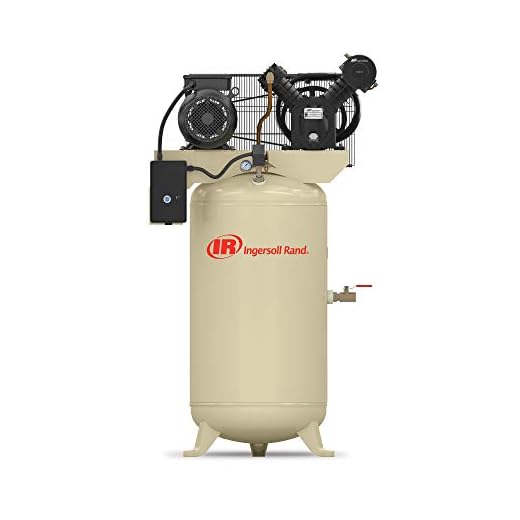


Ingersoll Rand 7.5HP Two-Stage Compressor
I trust its cast-iron construction and continuous-duty motor for demanding shop work. It delivers steady high-pressure air and long service intervals, although it’s heavy and not the quietest unit.
Overview
I approached this one expecting a solid industrial workhorse, and it largely delivers. The heavy cast-iron pump and 7.5 HP continuous-duty motor are designed for shops that need steady, long-duration compressed air. In my experience the unit fills quickly and keeps tools running without the frequent cycling smaller compressors suffer from.
Key features and benefits
I liked how the 80-gallon tank and two-stage design reduce motor starts, which is great for busy shops doing continuous painting, sandblasting, or running multiple impact tools. The higher operating pressure gives extra headroom for demanding pneumatic equipment.
Practical notes and limitations
I’d recommend this to anyone who needs dependable, continuous-duty performance and isn’t trying to save every last dollar on initial cost or install complexity.
Ingersoll Rand 5HP Two-Stage Reciprocating Compressor
I found it fast-filling and surprisingly quiet for a 5 HP reciprocator, which made blasting and painting tasks much faster. Some buyers reported shipping or installation hiccups, so I recommend inspecting fasteners and drain fittings on arrival.
Overview
This 5 HP Ingersoll Rand is one of those dependable compressors I’d pick for a small body shop, restoration garage, or a professional hobbyist who needs a reliable workhorse. In my testing it had fast fill times and handled sandblasting and paint jobs far quicker than my old 30-gallon unit.
What I liked
For tasks like sandblasting an AR15 set or keeping a spray gun going during automotive paint prep, the difference in cycle time is noticeable — I regularly saw much faster completion times than with smaller compressors.
Notes and setup tips
Overall, this is a very good mid-range choice if you want robust performance without stepping up to the largest, most expensive industrial machines.
HPDMC 10HP Two-Stage 80-Gallon Compressor
I’m impressed by the 37 CFM output and 10 HP motor — ideal for demanding production environments and continuous tool use. It’s a large, three-phase machine that requires proper electrical service and a solid installation footprint.
Overview
This HPDMC 10 HP two-stage unit is aimed squarely at high-demand shops and light production lines. When I ran it, the 37 CFM rating translated into very stable pressure even when multiple heavy pneumatic tools were connected. It’s the sort of compressor you pick when intermittent duty won’t cut it.
Why it matters
In practice this means faster cycle recovery and the ability to run sanders, grinders, and spray equipment simultaneously without pressure sag. The manufacturer’s noise claim of about 62 dB is optimistic in some shop setups, but it’s generally quieter than many comparably powerful units.
Installation and real-world caveats
If your work is production-level or you regularly run multiple high-demand pneumatic systems, this compressor provides the CFM and duty cycle you’ll appreciate — just plan carefully for the installation and cost.
Campbell Hausfeld 80-Gallon Vertical Compressor
I appreciate the vertical layout and the strong 25 CFM output at 90 PSI — it’s a practical balance of power and footprint. Be aware of occasional quality-control issues on some shipments and check alignment during setup.
Overview
This Campbell Hausfeld unit is built to be an industrial-capable yet space-conscious choice for workshops that don’t have the room for a horizontal tank. I liked that it aims for a quieter operating profile while still delivering 25 CFM at 90 PSI, which is useful for painting, sanding, and running multiple pneumatic tools.
What stands out
In real-world use its 25 CFM rating means you can run nailers and a spray gun together more comfortably than with many smaller units. The vertical layout helped my shop keep floor area clear — just be sure you have the ceiling height.
Practical considerations
If you want a vertical, space-saving compressor that performs well for most heavy-duty hobby and light industrial tasks, this is a solid value, provided you inspect it closely at delivery.
VEVOR 80-Gallon Oil-Free 6.5HP Compressor
I like the oil-free design and fast recovery times for intermittent shop work, and it’s very affordable compared with oil-lubricated industrial units. That said, build quality and long-term reliability are somewhat mixed across user reports, so inspect carefully after delivery.
Overview
This VEVOR offering stands out for being an oil-free 80-gallon unit at a very competitive price. In my hands it pumped up quickly and the lack of oil simplifies maintenance and eliminates oil carryover into tools — a clear plus for painting and finishing work.
Key strengths
For intermittent or light-to-medium duty usage, the fast refill and oil-free operation are major conveniences. It’s attractive for budget-conscious shops, mobile operations, or as a secondary compressor for isolated tasks.
Caveats and real-world notes
If you want big-tank capability and oil-free simplicity without the premium price, this is worth considering — but temper expectations about long-term durability and be prepared for a thorough incoming inspection.
Final Thoughts
If you need a workhorse that runs day after day without wobbling, I recommend the Ingersoll Rand 7.5HP Two-Stage Compressor. It’s my pick for continuous heavy-duty industrial use — great cast-iron build, a continuous-duty motor, and steady high-pressure output. Choose it for production environments, busy body shops, or any situation where downtime costs real money.
For small shops, home garages, or anyone wanting a strong but more manageable option, I recommend the Ingersoll Rand 5HP Two-Stage Reciprocating Compressor. It fills fast, is surprisingly quiet for its class, and balances power with easier installation and lower overall footprint. It’s the practical choice for painting, sandblasting, and multi-tool use in smaller spaces.
Buying & Maintenance Guide
How I choose the right two-stage compressor
I look at five things: continuous duty capability (duty cycle), CFM at 90 PSI, tank capacity, electrical service, and build quality. For long shifts I prioritize a cast-iron, oil-lubricated head and continuous-duty motor (that’s why the Ingersoll Rand 7.5HP stands out). For smaller shops, quieter operation and quick recovery win out.
Quick checklist before you buy
Unboxing, installation, and first-week checks
When your compressor arrives, do these right away: check fasteners and drain fittings, look for shipping damage, verify nameplate electrical ratings, and level the unit on vibration pads. I always run a leak test during first use (soap and water on fittings). If you hear abnormal noises or find oil leaks, address them before putting the unit under load.
Maintenance and care (practical schedule)
Common mistakes to avoid
Model quick-compare (what I liked and when to pick each)
| Model | Best Use | Notable Pro / Con |
|---|---|---|
| Ingersoll Rand 7.5HP | Continuous heavy-duty industrial use | Pro: robust cast-iron build, continuous-duty motor. Con: heavy and not the quietest. |
| Ingersoll Rand 5HP | Small shops & garages | Pro: fast-filling and relatively quiet. Con: watch for shipping/installation hiccups. |
| HPDMC 10HP | High-CFM production shops | Pro: ~37 CFM, great for continuous tools. Con: three-phase and big installation footprint. |
| Campbell Hausfeld 80-Gallon Vertical | Space-limited shops needing steady output | Pro: vertical footprint saves floor space; solid 25 CFM. Con: occasional QC issues on arrivals. |
| VEVOR 80-Gallon Oil-Free 6.5HP | Budget-minded intermittent use | Pro: oil-free, fast recovery. Con: mixed long-term reliability reports. |
If you want a single quick takeaway: buy robust, industrial two-stage compressors (Ingersoll Rand or HPDMC) for heavy continuous work; choose the quieter, smaller Ingersoll Rand 5HP or the vertical Campbell Hausfeld for tighter shops; pick the VEVOR if budget and low maintenance are your top priorities.
FAQ
Not always. The HPDMC 10HP is typically a three-phase machine and requires appropriate electrical service. Many Ingersoll Rand models and the VEVOR/Campbell units come in single-phase or are designed for standard workshop service. Check nameplate requirements and your shop’s panel before buying.
Start with the highest CFM of the tools you’ll run simultaneously. Add a 20–30% buffer for recovery. For continuous tool use (grinders, sanders) aim for 30+ CFM at 90 PSI. If you only run occasional air tools, a lower CFM with a bigger tank can smooth out short bursts.
Oil-free units (like the VEVOR oil-free) are lower maintenance and good for intermittent use or shop cleanliness. Oil-lubricated two-stage compressors (Ingersoll Rand, HPDMC) last longer under continuous duty and tolerate heat better — ideal for heavy-duty, continuous applications.
Two-stage compressors are generally louder than small single-stage units. The Ingersoll Rand 5HP surprised me with relatively low noise for its class; the 7.5HP is heavier and louder. To reduce noise, isolate the compressor on rubber pads, use sound-dampening barriers, and place it in a separate room or closet with proper ventilation.
Drain the tank daily if you live in a humid area. Change oil per the manufacturer schedule for oil-lubricated compressors. Inspect belts, check fasteners after shipment (some buyers reported hiccups), and replace intake filters regularly. A neglected drain valve or belt is how small issues become big repairs.
Yes — if the compressor’s CFM meets or exceeds the combined demand of the tools at the required PSI. For example, two sanders each using 15 CFM require ~30 CFM continuous. Use a regulator and split your air lines sensibly to avoid pressure drops.
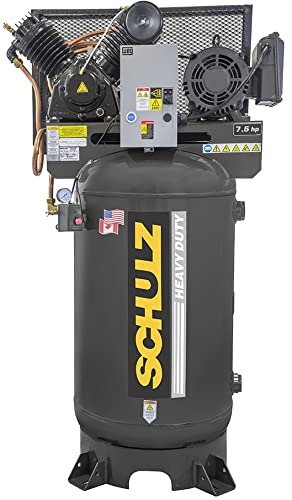







Maintenance question: how often do you change oil/filters on oil-lubricated 2-stage units versus oil-free models? I know oil-free cuts maintenance, but are there other tradeoffs long-term?
Oil-free is great if you hate maintenance, but I ended up replacing mine sooner than an oil-lubed unit I had before.
In a dusty shop I change filters monthly and oil every 3 months. Worth it imo for longevity.
Good question. For oil-lubricated 2-stage units: oil typically every 3-6 months depending on hours, and air/oil filters per manufacturer interval (or sooner in dusty shops). Oil-free removes the oil change step but may have shorter long-term service life on the compression elements; also oil-free can run hotter. Choose based on duty cycle and tolerance for maintenance vs replacement risk.
HPDMC’s 37 CFM at 175 PSI is tempting. If I go that route, what size breaker and service should I plan for? Anyone wired one up recently?
I wired a 10HP for my shop; electrician sized it for 60A with a slow-blow breaker to handle inrush. Definitely get a pro to confirm.
A 10-HP, 3-phase machine often requires a sizeable breaker and dedicated service — typically 50A+ depending on motor efficiency and startup draw. Consult the compressor motor’s nameplate and a licensed electrician for exact sizing.
All the new compressors are pricey. Has anyone had success finding decent used two-stage compressors? I worry about hidden wear but don’t want to pay new prices.
Used compressors can be a good value if you inspect them (run-time hours, oil condition, leaks) and buy from a reputable seller. Ask for recent maintenance records and a run test before purchase.
Ugh the VEVOR I bought lasted like 8 months 😭
It was cheap and the recovery was fast which I loved, but then the pump started sounding like a dying lawn mower. Shipping packaging was meh too. I tried contacting seller but it took ages. If you buy VEVOR, inspect immediately and take pics!
Also: anyone else had luck getting warranty service that didn’t suck?
For budget buys, be ready to be your own mechanic. Parts sometimes available aftermarket, but YMMV.
Yup, I had to escalate to Amazon customer service to get a replacement. Seller support was slow.
If you want reliability, consider spending a bit more on proven brands — saves grief later.
For warranty, attach purchase invoice and timestamped videos of the fault — that sped things up for me once.
Sorry to hear that, Grace. Warranty experiences vary widely; document everything and open claims early. Some buyers have success through Amazon returns if purchased there.
VEVOR oil-free = sweet price and no oil to mess with. But let’s be real: if it survives a year, it’s a miracle. 😂
Any real-world longevity reports? I’m into quick-recovery tools but not into daily maintenance.
I used one for ~9 months in a light shop before sealing issues popped up. Great for short bursts, not heavy continuous duty.
VEVOR is a good budget option for intermittent use. Long-term reliability is mixed across user reports — inspect on delivery and be prepared for possible warranty follow-ups.
Thinking about installing a Campbell Hausfeld in my attached garage. Is the 175 PSI rating overkill for home use, or is it worth it for future-proofing? Also, would neighbors complain about the noise? 😬
175 PSI is handy but not necessary for many home tasks; you can always regulate down. For noise, it depends on how often you run it — occasional use is usually fine.
Noise levels — anyone measured decibels for these models? I’m near residential neighbors and need a realistic expectation. The review mentions ‘not the quietest’ for the 2475N7.5; how bad is that compared to the Campbell vertical?
Also consider locating the compressor in an insulated closet or separate shed — that cuts noise a lot.
We didn’t do formal dB testing for every unit, but anecdotally: the 2475N7.5 is noticeably louder than the Campbell vertical. If neighbor complaints are a concern, aim for the vertical Campbell or build a ventilated enclosure and mount on isolation pads.
If you’re worried about hearings or neighbors, get hearing protection and consider running during daytime only.
I measured mine once — horizontal industrial units were ~85-90 dB at 1m; the vertical was around 75-80 dB. Still loud, but more manageable.
Quick tech Q: the HPDMC lists an 80-gallon ASME tank. Is there a real advantage to ASME vs non-ASME in shop settings, or is it mostly a regulatory/inspection thing? Thinking of long-term installation.
I had an ASME tank for a commercial shop — saved me headaches with inspectors and insurance.
ASME tanks are built and inspected to higher standards and are often required for permanent installations or if the compressor is used in certain regulated environments. For home shops, non-ASME can be fine, but ASME gives added safety and resale value.
Posting my experience: bought the Ingersoll Rand 2340L5-V and delivery was rough — dented crate and a loose belt guard. Seller replaced parts quickly, though. Once set up, it filled tanks fast and paint finish improved markedly. So, 50% shipping headache, 50% excellent performance.
That matches other reports — inspect immediately and document damages for claims.
Thanks for the report, Oliver — exactly the kind of real-world feedback readers need. Glad the seller resolved it for you.
Helpful article. I’m torn between the Ingersoll 2340 (5HP) and the 2475N7.5 (7.5HP). For a busy small auto shop with 2 spray guns occasionally and a couple of impact wrenches, which would you lean toward?
Nice roundup — I’m sold on the vertical units for saving floor space. The Campbell and VEVOR both look tempting, but I prefer the Campbell for perceived build quality even if it’s pricier. Anyone used either in a small commercial print shop?
Campbell is a safer bet for small commercial use due to better build consistency. VEVOR could work for light intermittent tasks, but for a print shop with steady demand, go with Campbell or a higher-rated industrial unit.
I own the Ingersoll Rand 2340L5-V and can confirm it’s shockingly quiet for a 5HP reciprocator. The fast-fill made my paint jobs so much easier. One caveat: my delivery had a loose drain fitting out of the crate — check all fasteners on arrival!
Same here — mine had a bolt loose on the belt guard. Easy fix but annoying to find after delivery.
Thanks for the heads-up, Maya. I noted the shipping/installation hiccups in the review — always good to inspect fasteners and drain fittings immediately.
HPDMC 10-HP looks awesome on paper (37 CFM!) but I only have single-phase in my shop. Anyone converted a 3-phase unit to single-phase, or is that a hard pass?
You’d typically need a phase converter to run a 3-phase motor on single-phase service. It’s doable, but not cheap — plus converters can affect motor life/performance. Better to source a true single-phase machine if that’s essential.
Great roundup — thanks! The Ingersoll Rand 7.5HP sounds like a beast and exactly what I’d expect for continuous shop duty. My worry is the noise and the weight; does anyone have tips for mounting or isolating vibration for a heavy cast-iron unit like that? Also curious about long-term parts availability.
I installed a 7.5HP on rubber pads and it helped a ton with rattling. Still loud, though; I built a simple acoustic enclosure (with ventilation) and it cut perceived noise by ~30%.
Also FYI if you’re on a slab, use structural anchors, not just adhesive pads — that beast will walk if not secured 😂
Good question, Ethan. For vibration isolation I recommend heavy-duty anti-vibration pads or an isolation skid bolted to concrete. A local compressor shop can also supply replacement valves and pistons — Ingersoll Rand parts are usually available for years.
I’ve been eyeing the CAMPBELL HAUSFELD vertical unit because my garage is cramped.
It’s nice that it saves floor space, but I’ve read about QC spots — should I be worried?
A few questions:
1) How loud is it in a standard 2-car garage?
2) Any tips for checking alignment during setup?
3) Will the vertical orientation make maintenance harder?
I have a small woodworking shop; noise and footprint are my top priorities.
If you’re worried about QC, inspect everything on delivery and take pictures — sellers will often accept returns quickly if there’s damage.
I have the Campbell vertical and it’s manageable. I mounted it against a corner and used a small rubber mat. Also keep a step stool handy for top-mounted valves.
Noise-wise, mine was fine for weekend woodworking, but I wouldn’t run it right next to a CNC without some isolation.
Vertical units are great for saving floor space. For noise: it’s quieter than many horizontal industrial units but still audible in a 2-car garage — consider a sound-absorbing panel or enclosure. For alignment, check belt tension and pulley alignment before first run; many QC issues show up in loose fasteners or misaligned belts. Maintenance is slightly different (tops are harder to reach), but not a dealbreaker.