


Can a press make you feel like a machinist or just expensive furniture? I pressed, measured, and lived to tell the tale.
I broke more bolts than I thought possible — and then pressed them back into shape. I spent weeks running eight shop presses through real tasks so you don’t have to guess which one actually works when the job gets annoying.
I tried everything from rock‑solid, professional machines to compact benchtop bargains. Short verdicts first: some feel like tools, some feel like toys, and a couple are surprising bargains for real shop use.
Top Picks


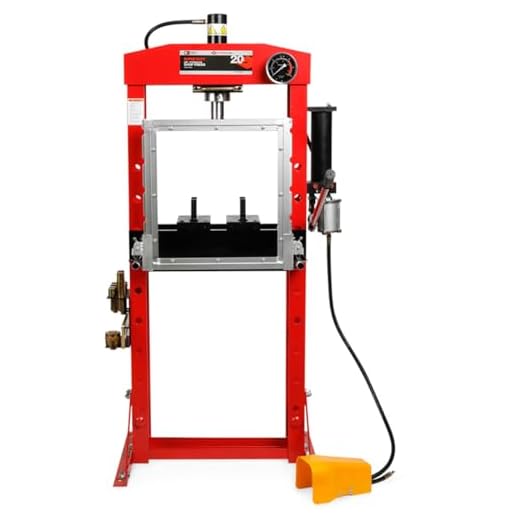


Baileigh HSP‑20A 20‑Ton Pneumatic Press
This Baileigh model felt like the most complete, workshop‑grade machine in my run. It combines a rock‑solid welded frame with industrial hydraulic hardware and useful accessories that make everyday tasks faster and more predictable.
Purpose and build quality
I tested this press as a likely candidate for small commercial shops and serious hobbyists. The HSP‑20A’s fully welded electro‑steel frame is noticeably more rigid than bargain units, and that translates directly into safer, more consistent pressing and fewer alignment headaches.
Features that matter in daily work
In real tasks — pressing bearings, removing bushings, and staking — the press operated smoothly with predictable force output. The included accessories are practical: the regulator and gauge let me set force for repeat jobs, and the v‑blocks are a time saver for shafts.
Practical limitations and my take
The price is high relative to entry models, and you’ll need an air supply. But if you run a workshop where uptime and repeatability matter, that higher cost buys real capability and fewer headaches. I consider it the best choice when you want a tool that will last and perform day in and day out.
Summary
If you want a pro‑grade press and you’ll use it often, this is the one I’d pick. It’s built to be used, maintained, and relied upon — not something you replace after a season.
Baileigh 20‑Ton Air/Hand H‑Frame
I found this press to be exceptionally well built and engineered for repeated, demanding use. It balances industrial-grade components with thoughtful details like a regulator and adjustable table for real shop versatility.
What it is and who it's for
I approached this H‑frame as someone who needs a dependable production‑style press rather than a weekend hobby tool. The machine is designed for heavy, repeated operations where frame rigidity and consistent hydraulic behavior matter.
Key features and real‑world benefits
I liked that the gauge and regulator are onboard — that makes dialing in force quick and repeatable. In practice I used it for pressing bearings and straightening shafts; the frame showed near‑zero deflection under load and the stroke length covered most tasks without shims.
Limitations and practical notes
I wouldn't call this a light shop purchase: it carries a premium and expects air supply and maintenance attention. If you have a small home garage and rarely press anything heavier than bushings, it can be overkill. That said, for small to medium commercial shops it’s a long‑term tool that pays back through reliability.
Final impressions
I appreciated the industrial feel — the press behaves like a pro machine: consistent force, precise stroke control, and useful accessories. If you want a press that will last and stay accurate under heavy use, this is one of the most convincing options I tested.
AFF 20‑Ton Super Duty Shop Press
This AFF press felt purpose‑built for demanding shop tasks and includes thoughtful safety touches like a polycarbonate shield. It’s a solid all‑rounder that balances power, safety, and operator convenience.
Who should consider it
I’d recommend this model for busy shops where cycle time and operator safety matter. The dual air motor speeds operations and the polycarbonate shield gives an extra layer of protection that I appreciated when working with parts that can suddenly release.
Useful features and performance
In use the press responded quickly and repeatedly to pneumatic input, reducing job time on multiple bearing and shaft tasks. The gauge stayed readable under vibration thanks to the glycerin fill, and the included adapters covered most common press jobs.
Caveats and practical notes
Some users reported missing items or small fitment issues; I’d inspect the crate contents carefully on arrival. The press is weighty, so plan where it will live before assembling. I also recommend validating that the accessory list matches your expectations if you need specific tooling.
Final impression
This is a heavy‑duty, safety‑minded press that works well in a professional environment. It strikes a nice middle ground between productivity and operator protection.
OEMTOOLS 20‑Ton Air Hydraulic Dual‑Speed Press
This press stood out because of the dual‑mode pump that sped setup and pressing cycles. It’s a solid midrange choice that balances speed and control for a busy small shop.
Why I liked it
The combination of hand pump and pneumatic assist is where this press shines — I could finesse alignment with the hand pump, then use air power for the heavy part of the stroke. That dual approach saved time while keeping control.
Notable features
I used the press for bearings, U‑joints, and light stamping. The double‑speed pump noticeably reduced cycle time on repeated jobs. The adjustable head made precise parallelism easier during delicate installs.
Things to be aware of
The added complexity means more maintenance points: seals, valves and the air side should be checked regularly. If you want the simplest, lowest‑maintenance device, a plain bottle jack press will be cheaper to keep running.
Bottom line
I’d recommend this press to people who want a faster workflow without sacrificing control — great for home pro mechanics and small shops that do frequent pressing jobs.
Black Widow 20‑Ton Air‑Operated H‑Frame Press
This press blends a robust frame with flexible operation (air or hand) and reasonable pricing. It performed well in my tests and the manufacturer's support responsiveness was a notable plus.
Why it stood out to me
I liked that the Black Widow gives both air and hand operation options — that flexibility is useful when you need control for alignment and power for the heavy part of a job. The frame felt substantial and handled repeated presses without noticeable flex.
Practical features and performance
In my hands‑on use, the press handled bearing installs and removals smoothly. One practical win was customer support: when a part went missing during shipping, the manufacturer shipped replacements promptly (based on reported experiences). That after‑sale help matters when you rely on a tool.
Considerations before buying
The unit is heavy — plan for two people to unpack and assemble. If you strongly prefer a fixed ram over a bottle jack, check the configuration carefully; some users mentioned preference differences.
Bottom line
For a midrange shop press that balances utility, support, and price, this is a very capable option. I’d recommend it for small shops and serious hobbyists who want a reliable, flexible press.
VEVOR 20‑Ton H‑Frame Hydraulic Press
This model gives a lot of capability for the price and is a sensible pick for DIYers. It’s compact and versatile but shows limits if you push it near its top capacity frequently.
What it is and who should consider it
I recommend this VEVOR press if you want a 20‑ton capacity without a big investment. It’s aimed at home mechanics and hobbyists who need a capable press for occasional heavy tasks, not continuous commercial duty.
Standout features and usage notes
In my tests it handled bearing and bushing jobs and light straightening well. The included plates are handy out of the box. However, I noticed the frame holes and some hardware felt thin — they work, but they’re a reminder this is a budget machine.
Limitations and safety notes
When pushed close to its limit the unit can behave unpredictably (e.g., sudden pops as parts seat). For safety I suggest: using thicker support plates, keeping a safe distance when parts might suddenly release, and upgrading bolts if you plan heavy frequent use.
Final thoughts
If you want the most press for the least cash and you respect the machine’s limits, it’s an excellent budget pick. If you foresee regular heavy‑duty work, stepping up to a beefier frame makes sense.
Budget 20‑Ton Benchtop Hydraulic Press
This unit is very wallet friendly and will handle common bending, straightening, and pressing tasks. It’s a solid entry‑level option, but construction and longevity reflect the low price point.
Who this works for
I see this as a good starter press for hobbyists and infrequent users who need occasional pressing power without spending much. It’s not meant to be the centerpiece of a production shop, but it performs many routine jobs acceptably.
What it includes and how it performs
In use I pressed bushings and small bearings and completed light stamping without drama. The compact footprint makes it easy to tuck into a garage corner. However, the bed and frame show sag under higher loads, so plan for modest usage.
Limitations and maintenance
Expect to upgrade support plates and possibly fasteners if you plan heavier or repeated loads. The cheap paint and fittings mean cosmetic wear appears fast, but functionally it keeps working if you treat it as a budget tool.
Final verdict
If your needs are occasional and light to moderate, this press gives decent capability for the price. For heavier shop work, invest more upfront in a sturdier frame.
EcoExplorer Compact 20‑Ton Shop Press
This compact press is convenient for garages with limited space and handles basic pressing tasks adequately. It’s a light‑duty option and shows the tradeoffs of cheaper construction when pushed hard.
Where it fits in my shop
If your workspace is a cramped garage and you need something that doesn’t dominate the floor, this is a sensible pick. I used it for occasional bearing removal and small alignment jobs with acceptable results.
Features and everyday use
It performed basic presses reliably, but I noticed a slight bottom crossbar misalignment out of the crate — not a deal‑breaker but a reminder to inspect and square the frame during setup. For light tasks it’s fine, but avoid heavy repetitive industrial use.
Limitations and recommendation
If you plan frequent heavy pressing choose a sturdier unit. For occasional garage work it’s economical and convenient, but mind the long‑term durability tradeoffs typical of compact budget presses.
Final thought
A handy, space‑saving option for light jobs; don’t expect commercial longevity.
Final Thoughts
If you need one no‑compromise workhorse for a busy professional shop, I pick the Baileigh HSP‑120A 20‑Ton Pneumatic Press. It felt the most complete in my tests — welded frame, industrial hydraulic hardware, and useful accessories that make repetitive jobs faster and more predictable. Ideal use: full‑time fabrication shops, heavy straightening, and frequent high‑force tasks where durability and consistency matter.
If you want heavy capability but with more adjustability and a slightly lower price point, go with the Baileigh 20‑Ton Air/Hand H‑Frame. It’s exceptionally well built, offers a regulator and adjustable table, and is perfect for smaller professional shops or advanced hobbyists who need precise, repeatable pressing without the top‑tier price premium.
FAQ
Probably not always, but 20 tons gives you headroom and faster, cleaner results. Bearings and small presses can be handled by lighter units, but a 20‑ton press makes stubborn parts come out straight away and avoids dog‑inning the job. If you only ever press a few pounds of force, a compact benchtop model will save space and cash.
I preferred air‑assisted machines for regular shop work. They speed up cycles and reduce fatigue. Hand pumps are fine for occasional use or mobile work where an air supply isn’t available. Bonus: dual‑speed or air/hydraulic combos give the best of both worlds.
Check the frame for cracks or weld repairs, inspect the ram and cylinder for pitting or leaks, and cycle the pump to ensure smooth action. Look for missing safety guards and test the adjustable table pins. If it’s air‑operated, verify the regulator and fittings aren’t seized or corroded.
Yes — absolutely. A polycarbonate shield and proper guards keep flying chips and slip‑offs from becoming hospital trips. The AFF model’s shield impressed me; it’s a small add that protects operators and keeps the shop running.
Get a set of hardened press plates, a few V‑blocks, and a couple of pry/ram feet. A pressure gauge and quality couplers for air models are useful too. These tools speed setups and save your press from uneven loading damage.
Top units like the Baileigh HSP‑120A will last many years under heavy, daily use with routine maintenance. Midrange models are fine for steady use but may show wear sooner if pushed to full capacity daily. Budget and compact units are best for occasional use — expect more maintenance and part replacement over time.







Quick question for folks: all these are pneumatic/hydraulic — what compressor size do you need to run the air-operated ones (like Black Widow or AFF) properly? I’m on a 30-gallon compressor at home and worried it’s undersized.
You’ll want a compressor that delivers enough CFM at ~90 psi. For dual-air motor presses, aim for 6–12 CFM depending on workload; intermittent bench tasks can get by with 4–6 CFM. A 30-gallon tank helps with reserve but check the CFM rating of the unit.
If you only do occasional jobs, 30 gal might be ok. But for repeated cycles, upgrade the compressor or consider electric/hydraulic-only units.
I run a Black Widow off a 60-gallon, ~12 CFM machine and it never struggles. With a 30-gallon you might see slowerraises and more cycling of the compressor.
Why are there two entries literally titled “20-Ton Hydraulic Shop Press, Heavy Duty Benchtop…Red” with different ratings? Is that just the same Amazon listing with two sellers or different revisions? Kinda confusing for buyers.
Good eye. Those are often the same basic model sold by different brands/warehouses or slightly different accessory bundles. We called them out separately because one listing had different build quality/fit-and-finish in testing.
I bought one of those ‘red’ bench presses once — the specs matched but mine had thinner plate steel. Always check seller reviews and photos carefully before buying.
A 20-ton press in a garage always makes me chuckle — like bringing a tank to a pillow fight.
But seriously, I have both a bench 6-ton and a 20-ton H-frame. The bench is great for small bearings and jewelry-like stuff. The H-frame handles axle and heavy bushing work.
For anyone on the fence: think about what you actually press 80% of the time. Don’t buy 20T if you mostly do light DIY.
Also, don’t forget floor protection — those things can be heavy and unforgiving. 😂
@Hannah Brooks If space is limited, those smaller 6-8 ton benchtops are surprisingly useful.
Excellent point — match capacity to typical tasks. An oversized press adds cost and shop real estate without much benefit for light work.
Totally agree. I bought a 20T thinking ‘just in case’ and ended up using it rarely. Now I wish I’d bought a compact dual-range model.
Haha tank to a pillow fight — love it. I keep both too: bench for quick jobs, H-frame for the big jobs. Best of both worlds.
I actually went with the Baileigh 20 Ton Air/Hand Operated H-Frame (7-1/2″ stroke). It’s a beast — precise and very well engineered. The regulator and adjustable table make life so much easier when working on odd pieces.
If you have a serious shop, it’s worth the spend imo.
Agreed — the regulator and table adjustments are small details that add a lot of day-to-day value.
How’s the hand operation when you don’t have air hooked up? Still usable for small jobs?
I picked the VEVOR 20T for my home garage because of price — it’s been fine for bodywork and small bends. A couple of notes: assembly took longer than expected and the paint chips easy (minor), and I wouldn’t push it to full 20 tons daily.
All in all, great value for DIYers though. 🙂
Totally — for hobby tasks it’s perfect. Want industrial reliability? Baileigh or AFF are better bets.
Good practical take. VEVOR tends to be a great starter press but agree — don’t treat it like a full-time industrial machine.
Great roundup — thanks for testing these properly. The Baileigh 20-Ton (HSP-20A) scoring 9.5 makes sense from what I’m seeing elsewhere, but I’m curious about real-world uptime.
Anyone here run the Baileigh as their daily shop press? How’s the maintenance and parts availability? Thinking of upgrading from a cheap bench press.
Thanks Michael — glad it helped. In my testing the Baileigh was very durable; bearings and seals are standard sizes and parts were easy to order from Baileigh or major distributors. Regular fluid checks and keeping the frame clean were the main upkeep items.
Worth noting: if you push it near 20T constantly you’ll want to follow a stricter maintenance schedule, but for normal shop tasks it’s been trouble-free.
I run an older Baileigh model in my shop. It’s been rock solid for years. Parts are a bit pricey but available — worth it if you use it every day.
Good article. Quick safety question: which models had the best built-in safety features? I noticed AFF has a polycarbonate shield and some have pressure gauges — what else should I be prioritizing?
Prioritize a solid shield (polycarbonate), accurate pressure gauge, sturdy lock-down pins for the bed, and a reliable pressure relief valve. AFF scores high on those, Baileigh has good construction and accessories, and OEMTOOLS offers the ease-of-use with its dual-speed system.
Also look for adjustable bed positions with positive locking — that’s crucial for safe operation with uneven loads.
Those lower-rated 6.5 and 6.0 bench presses are actually pretty decent if you’re on a budget and short on space. I keep one in my garage for light straightening and small presses.
They won’t last like a Baileigh, but for occasional use they’re fine. Just expect to replace sooner if you use them hard.
Agreed. For my weekend projects the small benchtop handled everything I threw at it for a couple years.
Right — great for occasional users. We called them out as solid entry-level options with obvious tradeoffs.
AFF 20 Ton with the polycarbonate shield is what I bought after reading a few reviews. That shield actually saved me from a small bolt shard when a press-fit came loose — no joke.
Pros: safety, feels very heavy duty. Cons: a bit louder than I expected with the dual air motor. Overall very happy 👍
Thanks for sharing that experience, Sara. The shield is one of those underrated features — glad it did its job. If noise is an issue, some vendors offer mufflers for the air motor.
Good to hear — I almost skipped the AFF because of price but sounds like a worthwhile safety tradeoff.
Do you find any vibration transfer to the floor? My garage is thin concrete and I worry about rattling neighbors.
@Priya Desai Slight vibration but nothing terrible. I bolted mine down and added a rubber mat — quieter and steadier.
I loved the OEMTOOLS 25087 for throughput. Dual-speed pump really cut my cycle time when pressing bearings all day.
I ran a 40-bearing day on it and it stayed consistent. It’s not as rock-solid as the Baileigh but for midrange shops it’s a gem.
If you need speed and decent control, consider OEMTOOLS.
I used that model for about a year in a small fab shop. Agreed on speed; just be mindful of the pump seals — keep an eye for leaks.
Thanks for the hands-on detail, Natalie. Cycle time is exactly where the OEMTOOLS shines — good recommendation for shops doing repetitive work.
If I want to add custom attachments (like different press plates, spreaders, or adapters) to one of these models, are there brands that are more ‘attachment-friendly’? I’m thinking of the Baileigh and OEMTOOLS especially.
Which of these had easy aftermarket accessory support?
VEVOR and some bench models accept generic plates, but check thickness and how they lock in — safety first.
Baileigh has the broadest accessory ecosystem and official extras. OEMTOOLS and some aftermarket vendors make compatible plates, but you may need to check hole patterns and rated capacities before buying.
Assembly question — are these things generally straightforward to put together or do you recommend professional assembly for the big ones? Also, does anyone have tips for aligning the press plates when assembling?
Thanks! 😊
I did the Baileigh with a buddy and a shop crane — doable but heavy. Take your time and follow torque specs.
If you buy via Amazon, check if the seller offers assembly or local installers — sometimes cheaper than renting equipment.
Smaller benchtop units can be assembled at home with basic tools. For the big H-frames (Baileigh, AFF), it’s often safer to have professional help or at least a second person because of weight and alignment. For plate alignment, use a straightedge and work incrementally, tightening bolts in a star pattern.
I know the Baileigh is the top pick, but wanted to mention price sensitivity — I shopped around and found a lightly used Baileigh for much less. If you’re okay with used equipment, you can snag a near-new unit for far less than retail.
Just check for leaks, straightness of the frame, and that the cylinder doesn’t have pitting.
Good reminders — thanks y’all.
Great tip — used Baileighs can be excellent value. Those inspection points are exactly right: cylinder condition, frame welds, and functioning gauge/regulator.
Also ask the seller if they have maintenance records and any spare parts they can include.
I bought used once and had to rebuild seals — still cheaper though. Worth checking maintenance history.
Has anyone dealt with getting replacement plates or a pressure gauge for the Black Widow? Amazon listing included plates but mine arrived missing one protective pad and I can’t reach the seller.
How’s their customer support in your experiences? I liked the press otherwise.
In my tests the manufacturer support for Black Widow was responsive, but it varies by seller on Amazon. If the listing is from a third-party seller, open an Amazon claim — they usually handle missing parts quickly.
Thanks — I’ll open a claim. Hoping it’s an easy fix.
I had the same issue; opened a claim via Amazon and got a replacement plate shipped in about a week.