

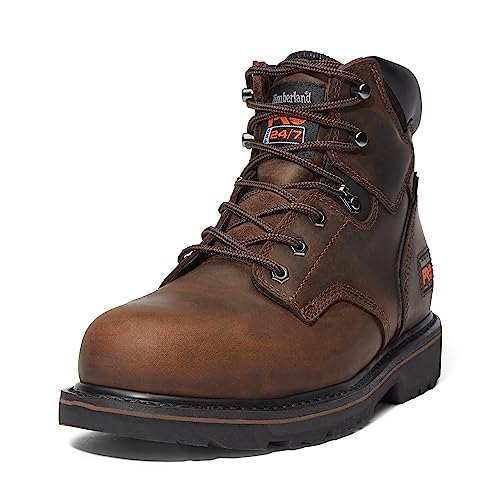
Did you know that over 60,000 foot injuries occur in the workplace every year? Protecting your feet is essential, especially if you work in hazardous environments. In our upcoming blog post, “Essential Features to Look for in High-Quality Safety Boots,” we’ll delve into all you need to know about selecting the right safety boots to keep your feet safe on the job. Let’s ensure you make an informed choice that prioritizes your safety and well-being.


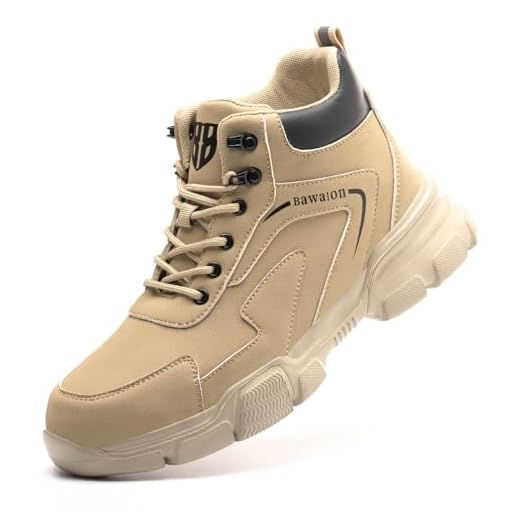
Material and Durability
When it comes to safety boots, choosing the right materials is crucial to ensuring both comfort and protection in the workplace. High-quality materials such as leather or composite materials play a significant role in enhancing the durability and safety features of safety boots. Let’s delve into why the materials matter and how they impact the longevity of the boots under various working conditions.
Leather: A Timeless Choice for Durability and Comfort
Key Points:
- Leather safety boots, such as the Red Wing Heritage Men’s Iron Ranger Boot or the Thorogood Men’s American Heritage 6″ Moc Toe Boot, are known for their durability and classic style.
- Full-grain leather offers excellent resistance to abrasions, punctures, and water, making it ideal for demanding work environments.
- Leather boots are highly breathable, allowing for better airflow and moisture management, which helps prevent odor and discomfort during long hours on the job.
Composite Materials: Lightweight and High Performing
Key Points:
- Composite safety boots, like the Timberland PRO Men’s Powertrain Sport Alloy-Toe EH Industrial & Construction Shoe or the KEEN Utility Men’s Detroit XT Mid Steel Toe Waterproof Work Boot, combine materials like Kevlar, carbon fiber, and fiberglass for advanced protection.
- These boots are lighter than traditional steel-toe boots, reducing fatigue and strain on the wearer’s feet and legs.
- Composite materials offer excellent resistance to chemicals, electric hazards, and extreme temperatures, making them suitable for diverse work settings.
Durability: Prolonging the Lifespan of Safety Boots
Key Points:
- High-quality materials directly impact the durability of safety boots, helping them withstand rigorous use and harsh conditions over time.
- Leather boots, with proper care and maintenance, can last for years, maintaining their shape and protective properties.
- Composite materials are engineered to resist wear and tear, ensuring long-term performance without compromising safety standards.
Investing in safety boots made from premium materials like leather or composite materials is a smart choice for anyone working in industries that require protection and comfort. By understanding the importance of material quality and durability, workers can make informed decisions when selecting the best safety boots for their needs.
Safety Standards Compliance
Ensuring that safety boots meet industry standards is crucial to guaranteeing adequate protection for workers. Two common sets of standards that safety boots can adhere to are ASTM (American Society for Testing and Materials) and ISO (International Organization for Standardization). Let’s delve into why these standards are significant and how certifications can help you make informed decisions when selecting safety boots.
Significance of ASTM and ISO Requirements
1. Quality Assurance: Standards like ASTM F2413 outline specific requirements for safety footwear, ensuring consistency and quality across different brands and models.
2. Comprehensive Protection: Compliance with standards means that safety boots provide protection against various hazards such as impact, compression, puncture, and electrical risks.
3. Legal Compliance: Meeting these standards ensures that employers are compliant with regulations, reducing potential liabilities and ensuring a safe work environment.
Importance of Looking for Certifications
1. Certified Protection: Look for safety boots with ASTM or ISO certifications to ensure they meet the required safety criteria.
2. Peace of Mind: Certifications offer peace of mind knowing that the boots have undergone rigorous testing to prove their protective capabilities.
3. Reliable Performance: Certified safety boots are more likely to perform as intended in real-world work environments, enhancing worker safety.
Examples of Safety Boot Brands Meeting Standards
- Timberland PRO Men’s 6″ Pit Boss Steel Toe: ASTM compliant for impact resistance, electrical hazard protection, and slip resistance.
- Keen Utility Men’s Pittsburgh Waterproof Steel-Toe Work Boot: Meets ASTM F2413 standards for electrical hazards, compression, and impact protection.
- Carhartt Men’s 6-Inch Waterproof Wedge Sole Boot: Complies with ASTM safety standards for slip resistance and electrical hazard protection.
By choosing safety boots that meet ASTM or ISO requirements and carry relevant certifications, you can ensure that your feet are adequately protected at work. Remember, a little research into safety standards and certifications can go a long way in safeguarding your well-being on the job!
The Importance of Comfort Features
When it comes to safety boots, comfort is not just a nice-to-have feature. The right comfort features can make a significant difference in the performance and well-being of workers. Here’s a breakdown of some key comfort elements to consider:
Cushioning
Quality cushioning in safety boots can help absorb shock and reduce the impact on your feet, especially when working in high-impact environments. Boots with enhanced cushioning provide better support and can prevent foot fatigue over long hours of wear.
- Example: The Timberland PRO Men’s 6″ Pit Boss Steel Toe Work Boot is known for its thick cushioning that provides all-day comfort and support.
Arch Support
Proper arch support is crucial in safety boots to maintain optimal foot alignment and reduce strain on the arches. Boots with built-in arch support can promote better posture and overall foot health, especially for workers who spend hours on their feet.
- Example: The Keen Utility Men’s Detroit XT Mid Steel Toe Waterproof Work Boot features contoured arch support for enhanced comfort and stability.
Proper Fit
A proper fit is essential for safety boots to ensure maximum comfort and functionality. Ill-fitting boots can lead to blisters, pain, and decreased productivity. Choosing the right size and style that suits your foot shape can prevent discomfort and potential foot injuries.
- Example: The Wolverine Men’s Overpass 6″ Composite Toe Waterproof Work Boot offers a customizable fit with its lace-up closure and adjustable features.
Enhancing Productivity and Reducing Fatigue
Investing in safety boots with superior comfort features can directly impact productivity and job performance. Here are some ways a comfortable pair of boots can benefit workers:
- Improved Focus and Concentration: Comfortable boots reduce distractions from foot discomfort, allowing workers to stay focused on their tasks.
- Increased Energy Levels: Less fatigue and foot pain lead to higher energy levels throughout the workday, boosting overall productivity.
- Enhanced Safety: Comfortable boots promote proper foot alignment and reduce the risk of accidents due to fatigue or discomfort.
Comparison Table
Here’s a quick comparison of the comfort features in the mentioned safety boot examples:
| Brand/Model | Cushioning | Arch Support | Fit |
|---|---|---|---|
| Timberland PRO Pit Boss Steel Toe | Thick cushioning | Limited arch | Standard sizing |
| Keen Utility Detroit XT Mid | Moderate cushion | Contoured arch | True to size |
| Wolverine Overpass Composite Toe | Cushioned insole | Adjustable arch | Customizable fit |
Ensuring comfort and fit in safety boots is more than just a matter of personal preference; it can directly impact the well-being and performance of workers. By choosing boots with the right comfort features, workers can feel supported, focused, and ready to tackle the day’s challenges.
Slip and Impact Resistance
Two crucial features to consider are slip resistance and impact protection. These features play a significant role in preventing accidents and injuries, especially in industries where workers are exposed to slippery surfaces and potential hazards.
Slip Resistance
Outsole Design
- Deep Tread Patterns: Boots like the Timberland PRO Men’s PowerWelt feature deep tread patterns that offer excellent traction on various surfaces, reducing the risk of slips and falls.
- Oil-Resistant Outsoles: Brands like Dr. Martens incorporate oil-resistant outsoles that provide additional grip on oily and greasy surfaces, enhancing overall safety.
Material Choices
- Rubber Outsoles: Boots such as the Carhartt Men’s 6-Inch Waterproof Steel Toe Work Boot come with rubber outsoles known for their slip-resistant properties, ensuring stability even in challenging conditions.
Impact Protection
Toe Caps
- Steel Toe Caps: Models like the Wolverine Men’s Raider Steel-Toe EH Work Boot come with steel toe caps that provide ultimate protection against heavy objects and impacts, reducing the risk of toe injuries.
- Composite Toe Caps: Brands like Keen Utility offer boots with composite toe caps, which are equally effective in safeguarding against impacts without the added weight of steel.
Construction
- Composite Materials: Combining safety and comfort, boots like the Danner Men’s Vicious 4.5 Inch Non-Metallic Toe Work Boot utilize composite materials that meet safety standards while being lighter and more flexible.
In conclusion, prioritizing slip and impact resistance in safety boots is essential for maintaining a safe work environment and preventing injuries. By choosing boots with features like slip-resistant outsoles, quality toe caps, and durable construction, workers can feel confident and protected in challenging work settings.
Remember, investing in high-quality safety boots with the right slip and impact resistance features is a proactive step towards ensuring the well-being of workers in various industries.
Making Your Safety a Priority
In conclusion, when looking for high-quality safety boots, be sure to prioritize materials, safety standards compliance, comfort, and slip/impact resistance. Investing in top-notch safety boots guarantees both protection and comfort in demanding work environments. Make sure to choose wisely and prioritize your safety while on the job!




Do you think composite toe safety boots are better than steel toe ones in terms of comfort and protection?
Composite toe boots are lighter and do not conduct temperature like steel toes, but steel toes offer higher impact protection. It depends on your specific needs and preferences.
I’ve found that investing in safety boots with steel toe caps greatly enhances protection in hazardous environments.
I always look for safety boots with waterproof materials to ensure my feet stay dry and comfortable throughout the day.
That’s a great point! Waterproof materials can significantly improve the overall comfort and durability of safety boots.
I’ve heard debates on whether electrical hazard protection is necessary in safety boots. What’s your take on this?
Electrical hazard protection is crucial in certain work environments to prevent electrical shocks. It’s recommended to assess your workplace hazards and choose safety boots with appropriate protection.
Thank you for sharing your tip! Steel toe caps are indeed crucial for foot protection in high-risk workplaces.
Could you provide more information on how safety standards compliance is verified in safety boots manufacturing processes?
Safety standards compliance involves rigorous testing procedures during manufacturing to ensure boots meet specific safety requirements. Manufacturers usually provide details on compliance certifications.
I’ve experienced discomfort with safety boots due to inadequate arch support. Any suggestions on brands that prioritize this feature?
Brands like Timberland and Red Wing are known for their focus on comfort and support. It’s essential to try on different brands to find the best fit for your arch support needs.