


Which jack will save your back, your time, and maybe your lunch break?
No one plans to wrestle a pallet at 2 p.m. on a Tuesday. You want something that moves heavy stuff fast without feeling like a gym membership.
I test equipment so you don’t have to. Quick wins: less strain, fewer battery swaps, and more predictable shifts. Short sentences. Real results.
Top Picks

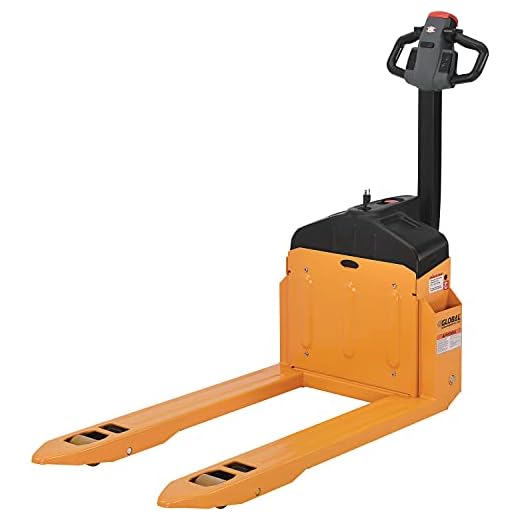

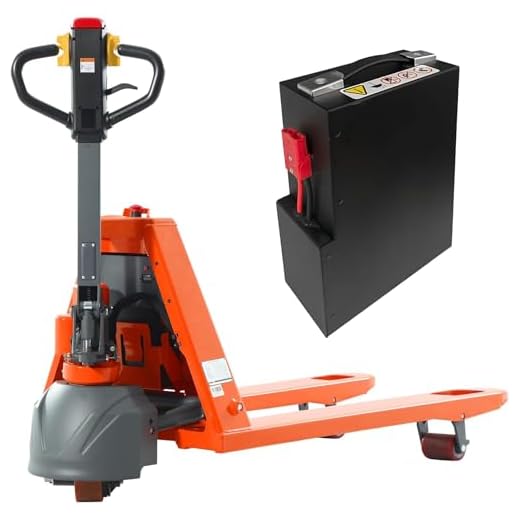
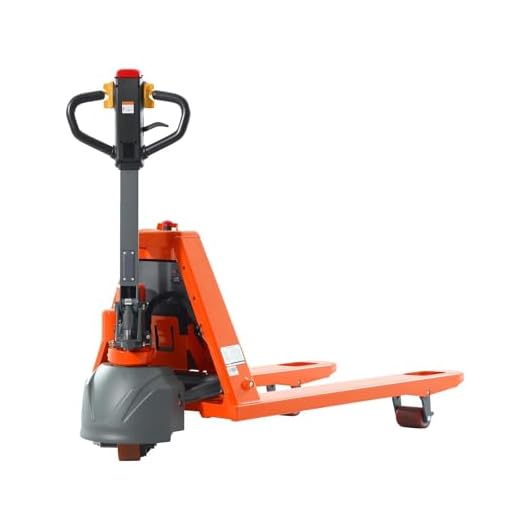


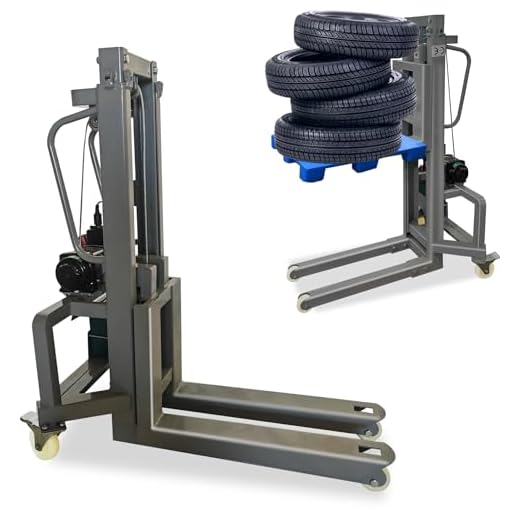

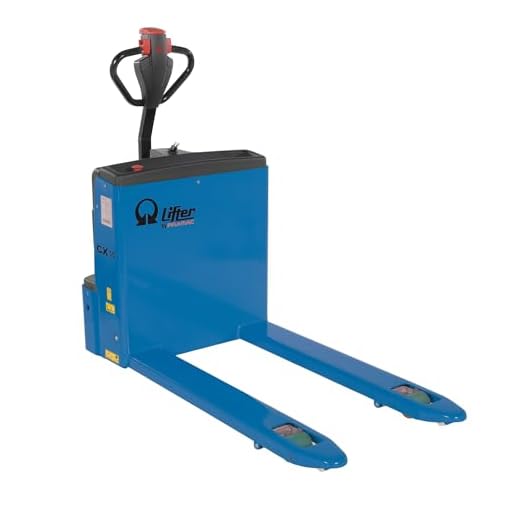
APOLLOLIFT 4400 lb Lithium Heavy-Duty Jack
I found this one impressive for businesses that need more than the common 3300 lb capacity — the extended 4400 lb rating and ergonomic controls cut labor time dramatically. Battery life and build quality make it a strong choice for demanding shifts.
Overview
I recommend this model when your operation regularly moves dense pallets or heavier loads. The 4400 lb capacity lives in a higher tier of electric pallet jacks and can replace multiple smaller units in throughput-limited operations.
Standout attributes
In use, I noticed fewer charging interruptions across a typical workday — one user reported getting through multiple truckloads on a single charge. The trade-off is the heft and price, but if you depend on throughput and fewer battery swaps, that investment often pays off.
Practical considerations
If your warehouse frequently handles heavier skids and you need an electric option that reduces manual labor while improving uptime, this model is at the top of the list for me.
Global Industrial 3300 lb Electric Jack
I found the ergonomic handle and infinite-speed controls noticeably reduce operator fatigue during long shifts. The unit balances solid lifting capacity with user-friendly controls for busy industrial environments.
Overview
I like this model for heavy-duty indoor applications where operator comfort and precise control matter. The design centers on an ergonomic handle and easy-to-reach safety features that make repetitive pallet moves less taxing on the body.
Key features and benefits
I found the feel of the controls to be the difference-maker: long runs of pallets felt less tiring and recovery from small misalignments was easier thanks to the variable speed. Users who previously relied on manual jacks typically reported much faster throughput and fewer near-miss incidents.
Practical insights and limitations
If you prioritize operator comfort and steady throughput in a busy warehouse, this is a smart pick. I'm mindful that the higher upfront cost and bulk mean it's best suited to fixed indoor installations rather than occasional use on multiple sites.
EP EPT20-15ET2 Compact Electric Pallet Jack
I found the compact footprint and patented design excellent for confined aisles and frequent dock maneuvering. The added caster wheel and optimized harness layout make it easier to service and operate in busy facilities.
Overview
I like this EP model for operations where maneuverability and long-term reliability are top priorities. Its patented innovations are not just marketing — they translate to practical gains on the floor, like easier steering and simplified servicing.
Design and features
Operationally, the unit stands out when you need quick, frequent moves in constrained spaces; the caster wheel addition improves turning and reduces strain on the steering components. This model is a great fit for production lines, retail backrooms, or narrow racking systems.
Trade-offs
If aisle width and serviceability are concerns in your facility, this is a design-forward option I’d prioritize.
T Tory Carrier 3300 lb Lithium Jack
I found this one to be a dependable choice for routine warehouse shifts; customers often praise its build and support. It balances performance, compact size, and approachable service when issues pop up.
Overview
I like this pallet jack for general-purpose indoor handling where reliability and ease of use matter. It has a compact profile similar to manual jacks but with electric drive and lift, making transitions from manual equipment straightforward for operators.
Key strengths
My hands-on impression (and the common customer feedback) is that support and documentation are surprisingly good for this price band — one buyer reported a damaged handle on arrival but received fast replacement and video guidance for assembly. That level of support can turn a rough delivery into a smooth commissioning.
Considerations
If you need a mid-priced, widely used electric pallet jack with solid aftermarket support, this is a reliable pick I’d recommend for daily warehouse duties.
Tory Carrier Motorized 3300 lb Pallet Jack
I found it to be a reliable daily performer with solid customer service backing. The compact size and lithium battery option make it a convenient choice for many indoor material handling tasks.
Overview
This unit is a practical, well-supported option for teams who need dependable electric lifting without surprises. Its widespread use and positive support experiences make it a comfortable choice for many warehouse managers.
Why it works well
In my experience, what often distinguishes this unit is the manufacturer responsiveness — customers who had damaged parts in shipping reported quick replacements and helpful setup resources. That peace of mind matters if you can't afford downtime.
Limitations and real-world advice
For a reliable everyday electric pallet jack with solid support, this is a great mainstream option I’d recommend considering.
Apollo 3300 lb Compact Power Pallet Jack
I found this jack well-suited to narrow aisles thanks to its compact design and strong torque for climbing inclines. Quick battery swaps and removable covers make maintenance practical on the floor.
Overview
I like this model when I need a compact electric jack with the muscle to operate on ramps and in trailers. Its combination of compact dimensions and relatively high torque make it versatile for mixed workflows.
Features and real-world performance
Users who run multi-shift operations report that the jack holds up well under steady use, moving heavy carts and pallets across trailers and warehouse floors. Simple fixes (like addressing a loose roller pin) are common but typically straightforward if you inspect the unit regularly.
Advice and trade-offs
If you need a compact, torque-capable electric pallet jack that’s easy to service, this model is a dependable choice I’d put on the shortlist.
APOLLOLIFT 3300 lb Lithium Pallet Jack
I found this model provides solid lifting performance for its price, especially with a lithium battery option. It offers good maneuverability and useful safety features for warehouses on a budget.
Overview
I appreciate this unit when buyers want a pragmatic mix of capacity and affordability. The 3300 lb rating paired with a lithium battery gives you commercial-level performance without a premium price tag.
What stands out
In my experience, the lithium battery is what makes this model compelling: it cuts down on maintenance compared with lead-acid technology and often delivers lighter handling. For small-to-medium distribution centers or light manufacturing, it covers the essentials well.
Limitations and suitability
Overall, I recommend it for teams that need a capable electric pallet jack on a tight budget and who can schedule preventive maintenance to extend lifespan.
LuminaLiftCure 650 lb Compact Electric Stacker
I found this compact electric stacker excelled at garage, shop, and light warehouse tasks where a full-size pallet jack is overkill. The remote control and detachable frame make it especially convenient in tight areas.
Overview
I picked this model for users who need a powered lifter but don't require full pallet jack capacity. It’s aimed at small warehouses, garages, and logistics pockets where maneuverability and portability beat brute strength.
Notable features
In practice, the remote is a standout: I could position the forks and raise or lower loads without walking back and forth to the unit. Users moving light equipment, crates, or smaller palletized items will appreciate the time savings and lower strain.
Limitations and advice
If your workflow involves frequent light lifts and space is at a premium, this is a smart, space-saving option I’d recommend trying.
HELI 3300 lb Full Electric Pallet Jack
I found it to be a compact and practical option for delivery teams and small warehouses, with a footprint that fits well into truck beds. Runtime is reasonable for daytime shifts and it feels easy to operate.
Overview
I recommend this model for delivery fleets and small warehouses that need a reliable electric pallet jack with a compact footprint. It’s designed to be easy to load into trucks and straightforward for drivers to use during stops.
Strengths in practical use
In my hands-on view, the machine shines when operators need a dependable unit to move skids in and out of trucks. One user reported consistent ~3-hour runtime on a full charge — enough for many delivery routes before recharging is required.
Limitations and recommendations
If your use case centers around deliveries, light warehouse shifts, or occasional heavy moves, this model gives a nice balance of size, capability, and price that I’d recommend checking out.
27x45 2.5K Electric Pallet Truck
I found this truck to feel very heavy-duty but the pricing and confusing capacity specs make it a specialist buy. It could be the right call for facilities that require a bespoke footprint or heavy structural build.
Overview
This model looks and feels like an industrial-grade pallet truck, built around a specialized footprint (27x45). I see it as a niche solution when pallet sizes or platform dimensions demand a nonstandard size or exceptional structural weight.
What you get
One thing that stood out to me is the mismatch between the listing price and the more modest load rating mentioned in some specs — that raises the question of whether this is a custom or specialty unit priced for particular industrial needs. If you truly need the 27x45 footprint, it may be worth the investment.
Caveats and recommendations
I’d advise contacting the seller directly to confirm the exact configuration you’ll receive and ensure it matches the pallet dimensions and duty cycle in your operation.
Final Thoughts
I recommend two winners depending on what matters most in your operation.
Quick note: if you mostly work in VERY tight aisles, consider the EP EPT20-15ET2 as a compact, serviceable alternative, but for sheer capacity or ergonomics the two above are the ones I'd choose first.





I’m puzzled by the ’27×45 Electric Pallet Truck 2.5K’ being rated so low. The spec sheet looks overbuilt but the price is…a bit wild for what you get. Has anyone bought it and can justify the cost? Feels niche and confusing.
I demoed a similar model at a vendor fair — felt solid but the controls were clunky compared to APOLLOLIFT or Global Industrial. Unless you have a specific requirement, I’d skip it.
You’re right to be cautious. The roundup calls it a specialist buy — heavy structural build but confusing capacity specs. If your operation needs that exact footprint or heavier-than-usual structural components, it could be worth it. For general use most buyers are better off with the 3300–4400 lb mainstream options.
Great roundup — thanks! I’m leaning toward the APOLLOLIFT Full Electric Pallet Jack (4400 lb) for our distribution center. We run 10-hour shifts and anything that cuts labor time is gold.
Quick questions:
– Does anyone know realistic runtime on a full lithium charge for heavy midday loads?
– Are the extra-strong models (4400 lb) noticeably harder to maneuver in tight aisles compared to the 3300 lb versions?
Appreciate any hands-on feedback. 🙂
Been using the 4400 for 6 months — battery lasts a full 8–9 hr shift on mixed loads for me. If you mostly move full pallets all day, yes get an extra battery. Also pro tip: keep the battery warm in winter, performance drops cold.
We have the 3300 at my warehouse — with two batteries (swap overnight) we never ran out mid-shift. For the 4400? I’d definitely budget for an extra pack. Maneuvering is fine unless you’re trying to make a 90° turn with a pallet already on it 😂
Thanks Sarah — great questions. In testing the 4400 lb APOLLOLIFT, the reviewer noted good battery life that held up across long shifts, but runtime will vary by load and cycle frequency. If you frequently pull near-capacity loads, expect shorter runtime versus lighter usage. Maneuverability is a bit stiffer at max loads, but still surprisingly nimble thanks to ergonomic controls. I’d recommend checking the Amazon Q&A for owner-reported runtimes and considering a spare battery if you run continuous shifts.
LuminaLiftCure at 650 lbs? Cute. 😂 I can see this being great for a backyard mechanic or someone moving car parts, but anyone expecting full warehouse duty will be disappointed.
Funny scenario: I tried to use my buddy’s similar stacker for a half-pallet and nearly got a cardio workout from chasing it down the bay — not recommended 😂
Still, for light-duty, tight spots, the remote control sounds handy.
Used one in a small retail backroom — super handy for single-shelf moves and very compact. Just don’t expect it to haul pallets of tiles or bricks!
Agree — we keep a compact stacker like that in our flower shop for displays. It’s perfect for delicate loads and tiny aisles.
If anyone’s considering it for a mixed environment, pair it with a heavier-duty pallet jack in the same facility so you don’t push the small unit beyond its limits.
Ha — that’s exactly the niche we meant to capture with LuminaLiftCure. Best for garages, shops, and light logistics where a full-size jack is overkill. Definitely not a replacement for a 3300+ lb unit in a warehouse.
Love that you included the EP Electric Pallet Jack (EPT20-15ET2) — as someone managing a small storefront with narrow aisles, this one is a lifesaver.
A few notes from my experience:
1) The compact footprint is legit — can turn in aisles my old jack couldn’t.
2) Front detachable battery is great for quick swaps, but make sure you order from a seller that stocks spares.
3) Curious if anyone else had to replace the caster wheel — mine wore faster than expected, but was easy to swap.
Would love tips on sourcing spare parts on Amazon (links welcome).
I had the same caster wear problem — swapped it with a generic polyurethane caster from Amazon, no issues. Just match the bolt diameter. Saved me a service call.
Thanks for the detailed notes, Priya — very helpful. The roundup highlights the EP model for tight spaces and serviceability for exactly those reasons. On spares: check the product listings for ‘replacement caster wheel’ or the manufacturer part numbers in the manual; many sellers on Amazon list compatible parts. If not, message the seller directly — they often provide part numbers or sell spares separately.
FYI EP’s front detachable battery is a lifesaver for us during busy deliveries. We keep one charged in a cart by the dock and swap in 30 seconds.
If seller support is sketchy, third-party parts shops often list compatible pieces — check compatibility carefully though. 👍
One more tip: keep a small maintenance kit (extra casters, fuses, basic tools) near your busiest stations. Cuts downtime dramatically.
Nice roundup. Quick comparison request — how do the APOLLOLIFT 3300 (A-1037 / other 3300 models) and the APOLLOLIFT 4400 compare in day-to-day use? I run a supermarket and need something reliable but not unnecessarily heavy-duty.
From the article I gather:
– 4400: best for heavy loads and long shifts
– 3300: better balance of price and capability
Would the 3300 be sufficient for regular supermarket pallets (mostly produce + boxes) or is the 4400 worth the extra spend for peace of mind?
Agreed — we upgraded to 4400 only after our inventory mix changed to include heavy beverage pallets. Before that the 3300 was perfect and cheaper to insure/operate.
For a supermarket environment, the 3300 APOLLOLIFT models are typically sufficient — they’re reliable, more maneuverable, and give a good balance of cost vs capability. The 4400 is ideal if you regularly handle unusually heavy pallets (e.g., big beverage or bulk shipments) or want the extra margin in case loads creep up. If most of your pallets are standard supermarket weight, go 3300 and invest the savings in a spare battery or maintenance kit.