


Which one saved my back, my time, and my weekend? (Spoiler: not all of them.)
I learned the hard way: the wrong bender turns a ten-minute job into a three-hour headache. I tested ten machines so I could stop wasting time, money, and patience.
I picked tools by how repeatable, reliable, and low-stress they were. I’m talking true 180° capability, minimal spring-back, and something I could trust on a busy shop day.
Top Picks
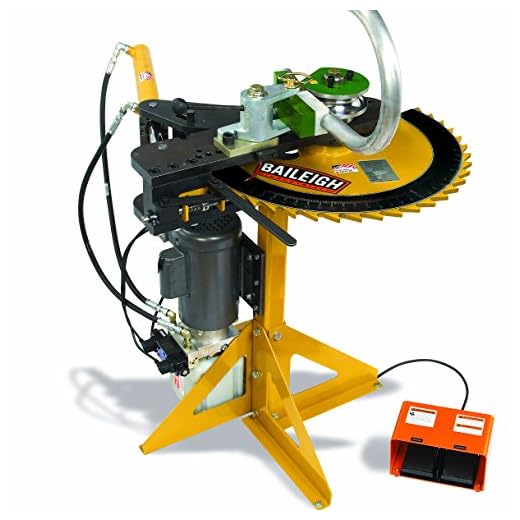


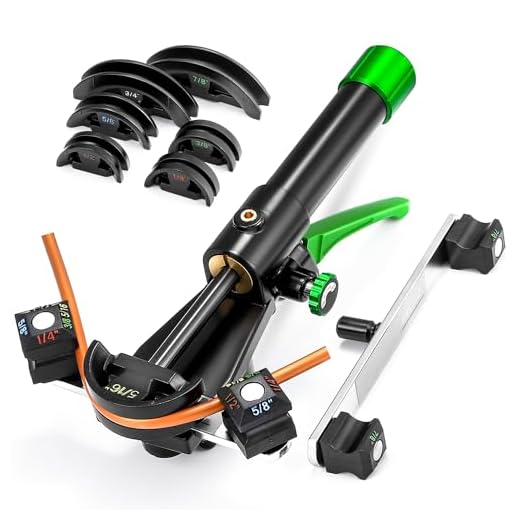

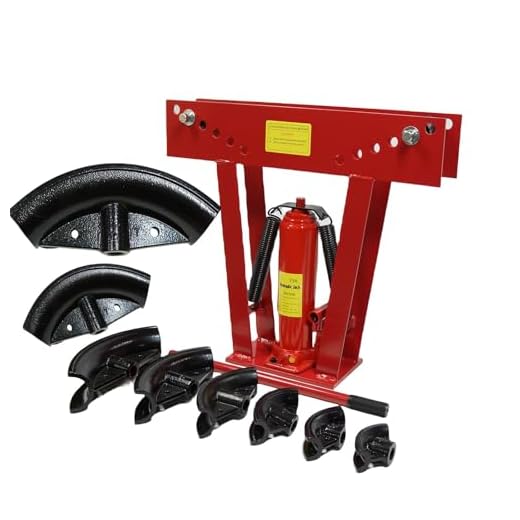


Baileigh RDB-125 Rotary Draw Bender
A workhorse built for high-capacity shop use with quiet, low-pressure hydraulics and an anti-spring-back system that keeps bends accurate. It handles large-diameter tubing and offers a true 180-degree capability with minimal repinning.
What it is and who it's for
I look at this machine as a production-level rotary draw bender for shops that need repeatable, heavy-duty bends. It was designed to accept common drop-on tool sets and to be used under industrial workload without noisy, high-pressure hydraulics.
Key features I rely on
I appreciate that the RDB-125 focuses on repeatability and operator comfort: the hydraulic system does most of the work and the anti-spring-back keeps you from losing your place in long bends. In practice, that translates to fewer touch-ups and less time spent fiddling with repinning dies.
Benefits and real-world use
In a busy shop I valued how fast the machine gets to 180° — the fewer cycles you need, the faster your throughput. The quiet operation also makes it easier to run alongside other equipment without ear protection becoming mandatory in short runs. If you fabricate roll cages, large railings, or structural tubing, the capacity and durable construction shine.
Limitations and final thoughts
The only real drawbacks are cost and footprint: this is an investment and it occupies substantial floor space. For hobbyists or occasional benders there are far cheaper options, but for a professional shop that needs a durable, precise rotary draw bender, this is one of the best choices I tested.
TEMCo TH3031 Dual-Size Offset Bender
A clever, time-saving conduit offset bender that uniquely handles both 1" and 3/4" EMT by reversing dies. It’s a specialized tool that speeds electrical conduit work and reduces the need for multiple benders on the truck.
Why I recommend this for electricians
I carry this tool for conduit offset work because it eliminates the need to swap between two separate benders. The reversible-die concept is straightforward and saves a surprising amount of time on multi-size jobs.
Features I rely on daily
If you do a lot of box offsets or frequently alternate between 3/4" and 1" conduit, this is one of the most convenient tools available. It reduces gear on the truck and speeds repetitive work.
Limitations to be aware of
This is a specialty bender — it’s purpose-built for EMT conduit offsets rather than general tube fabrication. If you need a multi-purpose tube bender for structural tubing, look elsewhere; but for conduit work it’s hard to beat.
VEVOR 750W Electric Tubing Bender
An economical electric bender with decent power and mobility that covers 3/4" to 2" tubing and up to 180°. It scratches softer tubes without protection and has mixed assembly/shipping experiences, but delivers strong value for light- to medium-duty work.
Overview and intended users
I think of this VEVOR model as a practical electric option for small fabrication shops or garages that want more automation than a bottle-jack bender. It blends electric drive convenience with the portability of a stand-mounted unit.
What stands out to me
In day-to-day use the electric assist makes repeated bends less fatiguing compared with fully manual machines. It’s a solid step up from a hand bender for someone doing moderate volumes.
Practical tips and limitations
You need to protect delicate tube finishes — I either wrap the dies or use sacrificial sleeves to avoid scratching. Also check the crate contents carefully on arrival; some buyers reported missing components. For shops needing heavy industrial throughput or rock-solid QC from the vendor, there are more expensive, better-supported choices. But for the price, it’s a very capable machine.
Bonvoisin Hydraulic Copper Tube Bender Kit
A compact hydraulic kit designed for copper and small-diameter refrigeration tubing with a good die range and one-handed operation. It significantly reduces strain during repetitive HVAC work, though long-term oil-seal durability can be a concern.
Why I keep one in the truck
I like this Bonvoisin kit when I’m doing HVAC or refrigeration work because it’s fast and easy to use and covers all the common copper sizes I encounter. The hydraulic assist saves my forearms on long service days.
What it includes and how it performs
On jobs where I’m bending many short runs of copper, this tool speeds the work and reduces errors compared with manual spring-style benders. The quality of bends is consistently good for capillary and flare prep.
Durability notes and practical tips
A handful of users reported oil leaks after months of heavy use — I recommend keeping spare seals or knowing the vendor’s return options if you plan to use it daily. For occasional or professional HVAC work it’s excellent; for aggressive industrial use or hard steel tubing, pick a different tool.
Affordable Bender AB101 1" Hydraulic Bender
A straightforward and portable hydraulic bender focused on 1" round tubing that’s simple to learn and use. It’s an ideal starter bender for hobbyists, though users should inspect dies and clearances on arrival.
What I use it for
I reach for this bender when I need quick, reliable bends for 1" tubing on a budget. It’s well-suited for small fabrication jobs and hobby projects like roll bars or frames.
Practical features I like
It’s simple to set up and easiest to operate on fairly thick-walled tubing where kinking is less likely. With a degree wheel and a level setup you can get very repeatable results.
Caveats and user adjustments
Some customers found the advertised radius or die precision off out of the box; I recommend checking die dimensions before bending expensive material. If you buy one, set aside a little time to smooth contact surfaces and verify clamp hole alignment — a small upfront tweak pays dividends in bend quality.
Gaderth 16-Ton Hydraulic Pipe Bender
A solid 16-ton manual bender that comes with an 8-die set covering a wide range of common tubing sizes. It’s a practical mid-priced option for shops doing heavier exhaust, plumbing, or structural tube work, but it’s heavy and needs careful handling.
Who I’d suggest this for
I recommend this Gaderth unit to tradespeople who need a reliable 16-ton bender without spending on top-tier brand premiums. It works well for exhaust fabrication, plumbing, and structural tasks where larger tubing is common.
What I like about it
In practice the bender handles larger schedule pipe and thicker wall tubing with authority. The included die set avoids immediate additional purchases and makes the bender versatile out of the crate.
Considerations before buying
It’s a heavy tool and you’ll need to plan for safe storage and moving. Also, because it’s a value-oriented product, you should inspect the dies and alignment on delivery and perform routine hydraulic maintenance to keep it performing well.
Affordable Bender AB105 1-3/4" Hydraulic
A capable 8-ton vertical hydraulic bender aimed at 1-3/4" tubing that gives surprisingly smooth results for its class. It’s a sensible choice for hobbyists working with larger diameter round tube but may require minor fixes on arrival.
Who should buy this
I suggest this model for hobby mechanics and fabricators who need to bend larger-diameter round tube occasionally but don’t want a permanent floor-mounted machine. It balances capacity with portability.
Features I found useful
When I’ve used it, with a little setup attention (leveling the unit, verifying die clamping), it produces smooth, predictable bends. It’s particularly handy for one-off roll bars or frame elements where mobility matters.
Final shop notes
Expect to inspect welds and clamps on arrival and be prepared for minor adjustments like adding a clamp or retorquing bolts. The customer service experience reported by buyers is mixed, but many users found that simple fixes made the unit perfectly serviceable for years of light-to-moderate use.
Affordable Bender AB103 1-1/2" Hydraulic
A compact, lightweight 8-ton hydraulic vertical bender that produces clean bends for 1-1/2" round tubing and fits a small workshop easily. It’s an excellent value but buyers should expect basic fit-and-finish and the occasional need for tweaks.
Who this is for
I recommend this one to DIYers and small shops that need solid 1-1/2" bends without paying for commercial equipment. It’s designed to be easy to move and simple to use.
Key specs and everyday benefits
In my experience it produces smooth, usable bends for roll cages, bumpers, and railings when set up properly. It’s also simple to store when not in use.
Drawbacks and tips from the shop floor
You may need to touch up dies out of the box and verify die sizes before trusting them on expensive tubing. A return-spring retrofit or a small clamp to hold the die in place are common shop fixes. If you want true industrial tolerance and finish, look at pricier, welded-frame benders — but if you want value, this one delivers.
Pazcii 16-Ton Heavy-Duty Hydraulic Bender
A robust 16-ton manual bender built from thick steel and cast iron intended for heavy pipe and maintenance work. It’s durable and powerful but heavy and not as polished in fit-and-finish as premium branded units.
Who should consider this bender
I recommend this model when you need raw bending force for thicker pipe or occasional shop heavy work without paying for a hydraulic-press style setup. It’s aimed at crews that prioritize durability over cosmetics.
Construction and strengths
In field use it feels solid under load; the machine doesn’t flex and the dies hold alignment well as you work. For plumbing, exhaust, and structural pipe jobs where you need muscle, its capacity is appropriate.
Realistic expectations
Because it’s a value-oriented, heavy-duty tool, expect some rough edges in the finish and limited handholding from the vendor. It’s great as long as you’re comfortable doing basic setup and keeping the hydraulic system serviced.
VEVOR 12-Ton Manual Hydraulic Pipe Bender
A compact 12-ton hydraulic bender with six dies that covers 1/2" to 2" pipe and offers 90°–180° adjustment. It’s inexpensive and useful for light workshop tasks, though quality control and missing parts from shipping have been reported.
Where this fits in the shop
I see this as a useful, low-cost hydraulic bender for anyone doing occasional exhaust, railing, or plumbing work who doesn’t want to invest in a larger bench or floor bender. The die range covers the most common small piping sizes.
Practical features and what to expect
When it arrives and is fully supplied, it will handle many shop tasks well. My experience — and that of several users — suggests double-checking the box for levers and accessories right away, and being ready to pack thin tubing to prevent kinks.
Final thoughts and shop advice
For infrequent use or one-person shops this is a good, affordable option. If you’ll be bending a lot of delicate tubing, consider adding internal support (sand or mandrel) or stepping up to a cleaner-built model with stronger QA.
Final Thoughts
If I could keep only one machine in my shop it would be the Baileigh RDB-125 Rotary Draw Bender. It’s a true workhorse — quiet low-pressure hydraulics, anti-spring-back accuracy, and real 180° capability with minimal repinning. Buy this if you run a high-capacity shop, do lots of mandrel-style bends, large-diameter tubing, roll cages, or any production work where repeatability and low downtime matter.
For hobbyists, small shops, or anyone who mostly bends 1" round tube, I recommend the Affordable Bender AB101 1" Hydraulic Bender. It’s simple, portable, and easy to learn. It won’t replace a pro rotary draw for big production runs, but it’s ideal for railings, small exhaust jobs, and fabricating one-offs. When you buy it, inspect the dies and clearances right away and plan for a quick setup/tweak session to get it dialed in.
If you mainly bend conduit (EMT) on service calls, consider the TEMCo TH3031 as a specialist alternative — it’s fast and clever for 1" and 3/4" offsets, and it saved me a lot of time on electrical runs.







VEVOR 12 Ton manual bender — cheap and useful, but I read reports of missing parts. If you get one, check the die set and bolts instantly. Don’t be shy to open the box and test before the return window closes.
Had one shipped with a missing center die — seller sent replacement after a week. It was annoying but resolvable.
Solid advice, Noah. We recommend a quick inventory checklist right after delivery. Contact the seller immediately if anything is missing.
I’m skeptical about the VEVOR electric bender. 750W sounds ok, but “scratches softer tubes without protection” — that worries me for custom exhaust work. Anyone used protective sleeves or a trick to avoid marring?
Also polish the tube after bending — if it’s just cosmetic it’s an easy fix. But yeah, for visible work I use protective pads.
I use electrical tape + a thin cloth layer on the die surfaces for stainless and aluminized exhaust. Doesn’t cure deep marks but helps with light scratching.
Good point, Evan. We’ve seen people wrap tubing with thin leather strips or use plastic pipe wrap where the die contacts the tube. It reduces slippage and scratching.
Affordable Bender ab101 looks perfect for weekend projects and my home garage. Anyone tried one right out of the box? I’m curious about fit-and-finish issues — shipping can be rough. 🙂
Agree with Ken — check oil level too. Learned the hard way that some units ship low.
The AB101 is great for hobbyists. Inspect dies and clearances immediately; some buyers reported minor alignment tweaks on arrival but nothing major.
I got one last year. Needed to re-tighten a couple bolts and tweak the die alignment, but once set up it’s been solid. Good bang for the buck.
Funny story: I almost bought a cheap 16-ton because it sounded “heavy-duty”. Then I realized I have no help to move it 😂 For anyone on their own, seriously consider how you’ll move and mount these things.
Ha — same here. I regretted that until I welded lifting points on mine.
A solid reminder — size and weight logistics are often overlooked. Plan for delivery, movement, and mounting before buying.
I bolted mine to a steel pallet and used a pallet jack. Saved my back and kept it stable.
Great roundup — thanks for putting this together! I’ve been eyeing the Baileigh RDB-125 for a while because of that 9.5 rating and the anti-spring-back system. Does anyone know if the machine needs any additional tooling for mild steel 1-1/2″ tubing, or will the standard dies cover it?
I run a small fab shop and we use the RDB series. Standard dies work fine for mild steel 1-1/2″, but if you’re doing a lot of repeat work get spares. Shipping is heavy — plan for a forklift 😉
You’re welcome, Sarah — glad it helped! The Baileigh usually handles 1-1/2″ mild steel with the correct die size. If you plan frequent high-capacity bends, get an extra set of hardened dies for longevity.
I bought the TEMCo TH3031 for conduit runs and honestly it’s a lifesaver. Switching dies to go from 3/4″ to 1″ is a tiny pain the first few times but then it’s super fast. If you’re an electrician, this one saves time and space on the truck.
Label them with a bit of colored tape or permanent marker. Makes the swap twice as fast — learned that the hard way on site lol.
Thanks for sharing, Maya. Good tip about getting used to the die swap — we noted that in the verdict. Any tips on keeping the dies labeled or organized?
Anyone compare the two 16-ton listings? One says “heavy-duty industrial” and the other is “portable manual hydraulic bender” but both are 16-ton with 8 dies. Are these the same unit rebranded or substantially different?
Good observation. Often these are very similar base designs rebranded by different sellers. Check the die sizes, mounting footprint, and included accessories closely before buying.
If you want a durable finish and tighter tolerances, pay slightly more for a trusted seller. The cheapest one sometimes lacks proper packaging.
Yep, same situation I saw. Photos and dimension specs will reveal minor differences. If price varies a lot, check seller reviews for QC and shipping damage rates.
I love the detail in the article. Quick question — for someone starting with custom railings and occasional automotive jobs, would you recommend the Affordable Bender ab103 or the 16-ton manual? Budget is limited but I want versatility.
If most of your work is 1-1/2″ and occasional heavier pieces, start with the ab103 for portability and cost. Upgrade to 16-ton only when you consistently hit its capacity.
Thanks — that helps me decide. Might start with ab103 and rent a 16-ton for big jobs.
ab103 is friendly for small shops. The 16-ton is overkill unless you’re frequently bending >1-1/2″ thick-walled pipe.
I bought the Affordable Bender ab105 for a few bigger tube builds and it surprised me. For a budget 1-3/4″ bender, results were smoother than expected, though I did have to tweak the return spring once.
Pros: cheap, does the job for hobby builds.
Cons: not plug-and-play — expect minor home-shop repairs. Overall: happy for the price.
Yes — I ordered a small parts kit from a local supplier. Most fixes are basic hardware replacements.
Good to know. I’ve been on the fence about ab105 — your notes help. Might buy one this weekend.
Thanks for the detailed pros/cons, Isabella — that squarely matches our assessment. Did you source parts locally for the spring tweak?
Has anyone used the Bonvoisin HVAC kit? The price is tempting for small copper lines, but I’m worried about the oil seal durability mentioned. HVAC work is repetitive and I don’t want downtime.
I used Bonvoisin for a season, seals were fine but I replaced them proactively before winter. If you can, buy from a seller with easy parts/accessories.
Bonvoisin is great for light refrigeration work; for high-volume HVAC I’d opt for a more industrial kit. Keep spare seals and check for leaks after the first 50-100 bends.
Also: don’t exceed recommended tube sizes — small copper is forgiving, but oil leaks happen faster if you’re over-stressing the unit.
Curious about long-term maintenance for these affordable models (ab101/ab103/ab105). Do people typically replace seals and hoses frequently? Any maintenance schedule to follow?
Routine maintenance: check oil level and quality, inspect hoses/seals every 3-6 months depending on use, and replace worn seals proactively. Keep a small parts inventory if you rely on them frequently.
For hobby use, annual checks are fine. For daily shop use — every month. Keep spare O-rings and a torque wrench handy.
Also store them clean/dry and cycle the hydraulics occasionally to prevent seal sticking.
16 Ton Hydraulic Pipe Bender with 8 Dies — sounds ideal for exhaust and plumbing projects, but “heavy” is an understatement. Do you think it’s worth the space? My shop is small but I do heavier jobs sometimes.
Consider getting a wheeled base or leaving it mounted on a steel plate — moving it around repeatedly will be annoying.
I had limited space and still went with the 16-ton. It’s a pain to move but really robust. Arrange a wheeled pallet or dedicated corner.
If you occasionally do heavier bends and have a spot to anchor it, the 16-ton is worth it. Otherwise the 8-ton class is more portable for small shops.
ab103 looks like the right compromise for my home garage — compact and 1-1/2″ capacity. Any tips for set-up in a limited space? I’m trying to avoid a permanent bench mount.
I used a folding workbench with tie-downs. Works well and keeps it off the floor if you need to clear space.
Make sure the stand is rigid — the bending forces can shift a flimsy cart.
Mount it to a mobile steel stand or thick plywood on casters. That way you can roll it out for use and tuck it away when done.
Big fan of the Baileigh, but curious how it compares noise-wise to other hydraulic models. The review says “quiet, low-pressure hydraulics” — can anyone confirm? I need something not brutal on ear fatigue in a small shop.
Confirmed — much quieter than the old manual press we used. Still wear ear protection if you have multiple tools running.
I use earmuffs, but the Baileigh is comfortable to work around compared to impact tools.
The Baileigh RDB-125 is noticeably quieter than manual 16-ton jack-style benders. The motor sound is consistent but low-frequency, so ear protection is still recommended around other noisy equipment.