


Which adapter actually fits under the sink, behind the joist, and still bites into metal without whining? I found two that do.
Tight spaces are my nemesis. I’ve jammed drills behind studs, under sinks, and up inside HVAC runs — and learned the hard way that a normal drill doesn’t always cut it. Low-profile attachments are the difference between a quick fix and a wrestling match.
I dug through mag drills, impact-ready adapters, flex shafts, and budget drivers to find tools that actually work where space is nil but results still matter. I focused on power, durability, and real-world fit — not just how cute they look in a toolbox.
Our Top Picks
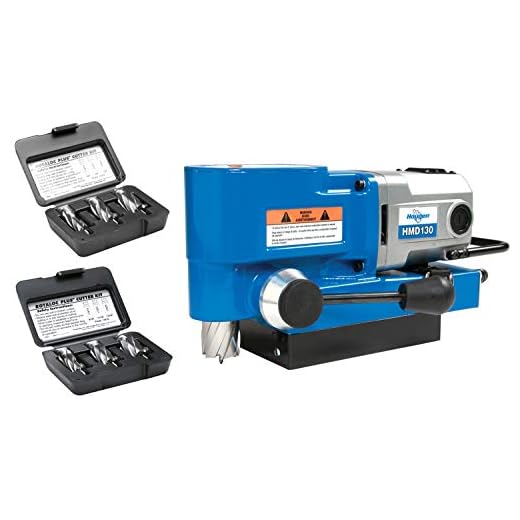


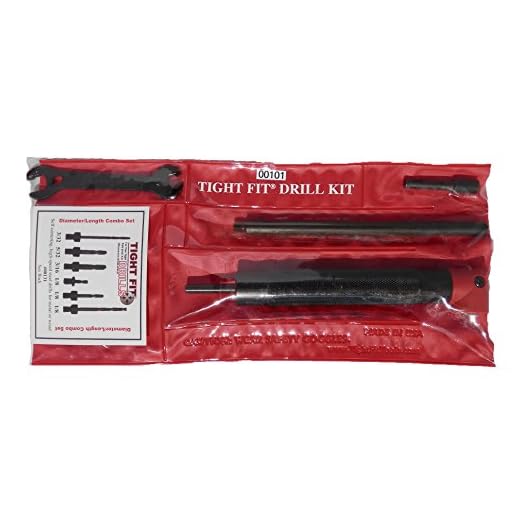
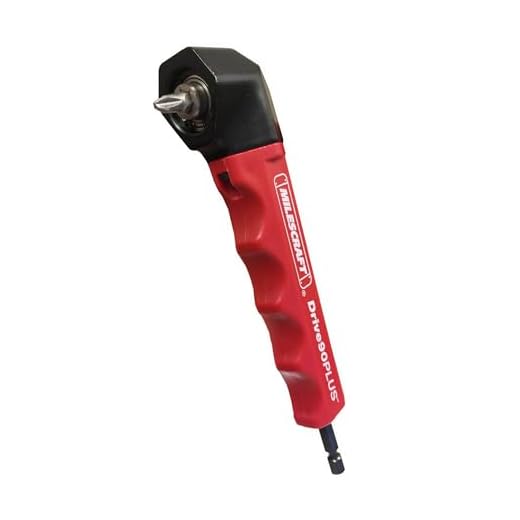
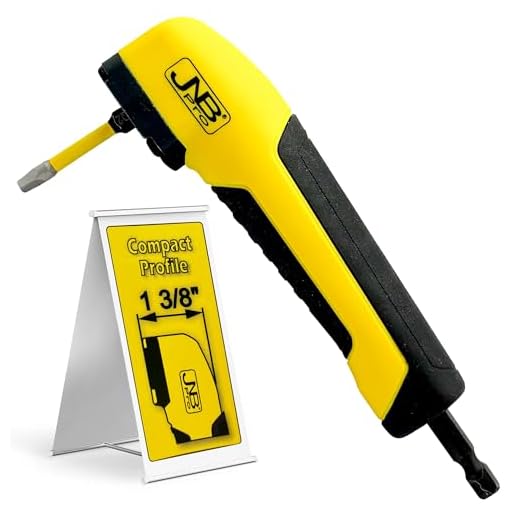


Hougen HMD130 Low-Profile Fabricator Kit
A purpose-built low-profile mag drill that balances power and compact footprint for fabricators who need real cutting capacity in tight spaces. It’s heavyweight performance in a shorter package, with features aimed at repeatable, precise annular cutting.
Purpose-built fabricator's mag drill
I see the HMD130 as a tool for real metalwork: not a little right-angle adapter but a compact magnetic drill press designed to sit inside beams, brackets, and constricted assemblies. It’s built for repetitive, accurate annular cutting rather than occasional closet screws.
Key features and benefits
I appreciate how the HMD130 trades vertical height for usable cutting capacity — it’s engineered to punch through structural steel where a standard drill can’t. The included cutter kits make it ready for common hole sizes right out of the box, and the robust metal body plus quill-feed system mean cuts are predictable and low-maintenance.
Limitations and practical notes
This is not a lightweight shop toy: you should expect to handle ~23.6 lb and plan for storage and transport. If you rarely drill holes larger than 1" or mostly need a lightweight right-angle adapter for occasional tight-spot fastening, a simpler attachment will serve better. On the other hand, if you often need reliable, repeatable annular cuts inside assemblies, this is a clinician-grade pick.
I’d recommend this to welders, structural fabricators, and maintenance techs who regularly create or repair service holes in steel and need a dependable, low-profile mag drill rather than a portable screwdriver accessory.
DEWALT 1.5" Impact Right Angle Adapter
A compact, metal-gear right-angle adapter built to handle impact drivers and confined work. It’s a practical, durable choice for pros and serious DIYers who need consistent performance in tight spots.
Designed for impact drivers in tight spaces
I recommend this DEWALT right-angle adapter when you need an adapter that can actually stand up to the torque pulses of an impact driver. The metal gears and compact 1.5" offset mean you can get into deep cabinet corners and under car bodies without sacrificing robustness.
Practical performance and use cases
This adapter balances strength and size cleverly: it doesn’t add much offset but still accepts most 1/4" hex bits used in everyday fastening. I’ve found it invaluable for cabinet installs, plumbing access panels, and vehicle underbody trim where space is measured in inches.
Cautions and buying tips
The biggest practical issue is sourcing a genuine unit — counterfeit versions are out there and can lack the metal gears or proper fit. Buy from reputable retailers and inspect the packaging if you’re suspicious. Also remember it’s built for 1/4" hex accessories, so portable drills requiring larger chucks aren’t supported.
When authentic, it’s one of the most reliable compact right-angle adapters you can use with an impact driver.
DEWALT 12" Right Angle Flex Shaft
A reliable flex-shaft that gets your bit into places a normal drill can’t reach while keeping strong bit retention and fast bit changes. It’s a simple, durable solution for plumbers, electricians, and HVAC techs who regularly work in long, narrow cavities.
What this flex shaft does best
I reach for a long flex shaft when I need to get into long chase spaces or behind fixtures where a right-angle head alone won’t make it. This DEWALT 12" flex shaft excels at putting a driven bit precisely where you need it without contorting your body or the drill.
Real-world benefits
The Rapid Load head makes bit swaps quick and the magnet helps keep the fastener from wobbling. I’ve used this on equipment racks and inside ductwork where a standard driver simply won’t reach — it transforms a task that would otherwise require specialty tools or awkward extension techniques.
Limitations and tips
The tradeoff is torque: the flexible shaft can twist under heavy loads, so I avoid using it for stubborn, high-torque fasteners or when using larger driver bits. For most fastening and light drilling in deep cavities it’s excellent, but pair it with a steady second hand on the handle or a lower speed to maintain control.
If you need reach more than raw impact power, this is an accessible, well-built way to get it.
Tight Fit Tools Right Angle Attachment Kit
A more complete right-angle system with aircraft-style materials and accessories that make it a solid pick for professionals who want a ready-to-go solution. It combines durability with useful extras that let you adapt to different jobs quickly.
A kit built for pros and serious DIYers
I see this as a full-featured solution rather than a single-purpose adapter. The aircraft-style materials, threaded extensions, and included accessories make it ideal for tradespeople who want one system that handles multiple tight-space scenarios without improvisation.
What I like about the kit
The extra pieces are more than accessories — they expand how and where you can use the main attachment. I’ve used the threaded extension for deep recesses and appreciated the quality machining that resists deformation under torque. The higher torque capacity means it handles tougher fastening tasks better than wallet-grade adapters.
Considerations before buying
At about $57, it’s pricier than simple adapters, but the materials and included components justify the cost for frequent users. If you only occasionally need a right-angle solution, the extra included parts may be overkill, but if you want a single consolidated system this kit is a strong choice.
For a pro toolbox, it’s a versatile, durable addition that reduces trips back to the shop for missing bits or extensions.
Milescraft Drive90PLUS Impact Ready Adapter
An impact-ready right-angle adapter with ergonomic grips and improved gears that balances performance and comfort for everyday use. It’s a sensible middle ground for tradespeople who need reliability without premium kit pricing.
Ergonomic and impact-ready for everyday trades use
I like the Drive90PLUS because it packs impact-ready internals into a user-friendly housing with a finger-grip handle that makes perpendicular pressure easier to manage. The supported gears are an upgrade over budget adapters and improve lifespan and smoothness under load.
How it performs day-to-day
This model is versatile: it handles cabinet installation, trim work, and many on-site fastening jobs where a regular drill won’t fit. The ergonomic grip helps when you need to hold the head steady while the drill provides torque.
Practical tradeoffs
It’s not the thinnest adapter available, so it won’t fit into the narrowest seams. Some users note that long-term heavy usage can stress the assembly, but for typical pro or serious DIY use it’s a very practical choice.
If you want a dependable, impact-ready right-angle adapter with comfortable handling, this is one of the most sensible all-around options.
JNB Pro 90° Slim Right Angle Adapter
A slim-profile 90° adapter that turns your impact or drill driver into a space-saving workhorse for confined spots. It’s lightweight and easy to slip into places where stubby drivers used to be the only option.
Compact adapter for tight, everyday work
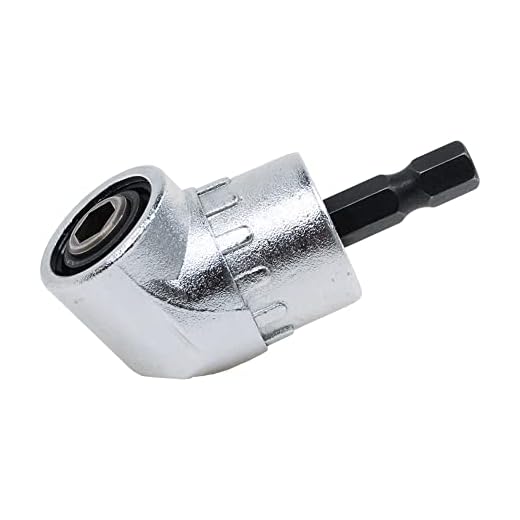
I keep a slim adapter like this in my toolbox when I expect to work in cramped cabinetry, inside appliances, or between joists. It’s meant to be used with 1/4" hex accessories and impact drivers, giving you a real alternative to stubby hand tools.
Why I like it
Its small footprint is the standout: I can get to screws I used to reach only with awkward hand maneuvers. The magnetic socket keeps bits centered and reduces the number of dropped fasteners in tight spots.
Practical limits
Because it’s so small and light, I don’t push it into high-torque chores or use it for heavy drilling. Expect it to shine on cabinet backs, appliance panels, and HVAC trim, but be gentle with the leverage or you may stress the housing over time.
Overall, consider it a daily-work accessory that makes a lot of tight-space jobs less frustrating.
AUTOTOOLHOME 105° Magnetic Right Angle Driver
A budget-conscious right-angle driver with magnetic bit retention that works well for many household and light professional tasks. It’s simple, compact, and gets screws started where a drill won’t fit.
Cheap, effective access to tight screw locations
I keep a small magnetic right-angle driver like this in my HVAC and cabinet tool bag. It’s not fancy, but the magnetic head and short reach let me start screws and drill small pilot holes in spots that otherwise need disassembly.
Everyday usefulness
This driver is a quick solution for installers and DIYers who need to reach screws behind ductwork, behind appliances, or inside framing. It’s especially handy when paired with a compact driver or drill and used at low speeds to maintain control.
Practical caveats
Because of the modest build quality, I oil the unit occasionally to keep the internals spinning freely and avoid binding. For very high torque tasks, add a second hand for support or use a more heavy-duty adapter to avoid stressing the housing.
Overall, it’s a practical, wallet-friendly tool that solves a lot of annoying access problems without breaking the bank.
Flexible Drill Extension and 105° Adapter Set
A small kit combining a bendable extension with a 105° right-angle adapter that’s handy for a range of awkward spots. It’s useful for light automotive, cabinet, and assembly work where flexibility trumps torque.
Compact flexibility for tricky jobs
I reach for a flexible extension when the screw or bolt sits behind an obstacle and I can’t get a straight line of approach. This kit’s S2 alloy bendable shaft plus a 105° right-angle head covers many of those awkward angles without the bulk of rigid adapters.
How I use it
It’s ideal for getting into automotive trim, recessed outlet boxes, or behind washing machine panels. The extension bends to the needed curve and holds shape long enough to transfer turning action from a driver into the fastener.
Limitations and handling advice
Because the extension is designed for reach rather than torque, I avoid pushing it with high-speed impacts. Some users report the extender falling out of the head when there’s no magnet, so check bit retention before starting. Use low speeds and keep steady pressure to reduce wobble.
For anyone who frequently hits odd angles, the kit is a small convenience that saves time — just don’t expect it to replace a rigid, impact-rated adapter.
EMUKOEP Steel 90° Right Angle Adapter
A right-angle adapter with quality internal metal parts and bearings that promise longevity, but the external casing and some design quirks can limit real-world durability. It’s best for someone mindful of its strengths and weaknesses.
Metal internals with a catch
What stands out to me about this adapter is the internal engineering: hardened drive shafts and double-bearing support promise good life under typical loads. But some users have reported the outer plastic shell cracking, so that’s a practical weakness to keep in mind.
Practical advantages
I like how the internals permit smoother torque transfer than purely plastic alternatives. If you treat it as a mid-range accessory for medium-duty use (cleaning, polishing conversions, light drilling), it performs well and feels solid where it matters: inside the housing.
Real-world limits and tips
Be careful when applying heavy lateral force; that’s where the plastic casing can fail. Also note this adapter reverses rotation relative to a standard chuck in some setups, so test direction with a scrap piece before locking into a delicate task. If you need a robust all-day impact-rated adapter, choose a metal-bodied alternative.
For the price, it’s a reasonable compromise if you mind the casing and avoid heavy abuse.
Orange 90° ABS Handle Drill Adapter
An inexpensive 90° adapter that gets the job done for light, infrequent tasks and home projects. It’s a practical spare for a toolbox but not built for heavy daily contracting work.
A cheap, straightforward right-angle adapter
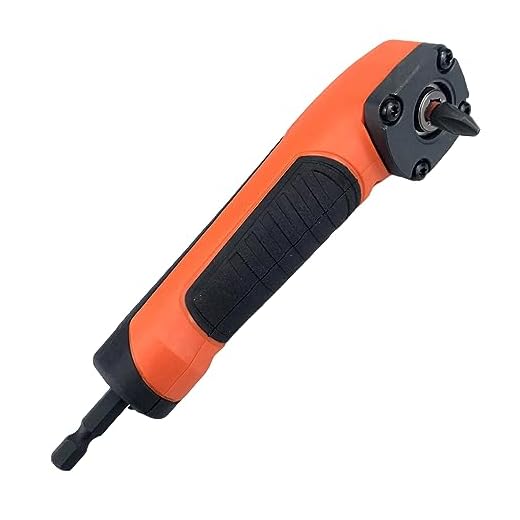
I view this orange ABS-handle adapter as a practical backup for homeowners or occasional users who need to drive screws or drill shallow holes in tight corners. It won’t replace a professional-grade impact-ready adapter, but it does the job for ad-hoc chores.
When it shines
This unit is useful for occasional furniture assembly, light cabinetry tweaks, or installing shelf brackets where space is tight but loads are light. For occasional use it’s a cost-effective solution that saves you buying a more expensive specialty tool.
Where it falls short
The plastic handle and lower-cost construction mean I wouldn’t use this for sustained or heavy work. Expect some flex under moderate torque and be cautious with stubborn screws to avoid stripping or breaking the housing.
If you need a cheap way to reach a tight screw once in a while, it’s fine. If you’re a tradesperson, budget for something more robust.
Final Thoughts
I recommend the Hougen HMD130 Low-Profile Fabricator Kit (9.2 out of 10) if you need real cutting power in tight metalwork. It’s a purpose-built low-profile mag drill that gives heavyweight performance in a shorter package — ideal for fabricators, structural steel, and anyone doing repeatable annular cutting where accuracy and torque matter. In short: choose the Hougen when you need serious capability in cramped spots and want clean, repeatable holes.
For most pros and serious DIYers who want a compact, durable solution to use with an impact driver, I’d pick the DEWALT 1.5" Impact Right Angle Adapter (9 out of 10). It’s small, metal-gear built, and impact-rated, so it handles everyday trade work in tight spaces without stripping bits or falling apart. In short: pick the DEWALT for general trades, maintenance, and tight-access fastening where portability and reliability matter.







Lol at the orange ABS handle being “best cheap option” — I bought one for a single IKEA-procrastination project and it lasted about 3 screws before wobbling. 😆
But honestly, for light household use it’s fine. Don’t expect pro-level durability.
Fair point — those low-cost ABS adapters are best treated as a temporary convenience. The roundup calls them out as a cheap spare for occasional use rather than daily contractor gear.
Same experience. Kept it in the junk drawer for quick fixes. For anything structural, toss it and get the Milescraft or DEWALT.
Quick question for the crowd: how do people decide between the flex-shaft (DEWALT DWARAFS) and a rigid right-angle adapter? I can see the flex for reach, but does it lose too much torque? Any real-world tradeoffs?
Good question. Flex shafts trade a bit of torque and feel for reach and accessibility. They’re excellent for long, narrow cavities where a rigid adapter can’t reach. For high-torque tasks (large screws/bolts) a rigid metal-geared adapter will transmit torque more efficiently and feel more solid.
Used the DEWALT flex for HVAC work — it does lose some torque, but if you’re doing pilot holes or smaller screws it’s a lifesaver. For anything heavy, swap to a rigid.
Also worth noting: flex-shafts have more moving parts so keep them clean and don’t kink them — that’s the main maintenance issue.
Great roundup — thanks! The Hougen HMD130 getting top marks isn’t a surprise. I’ve used an HMD115 years ago and the power was unreal for its size.
Two quick questions: how does the HMD130 compare weight-wise to a full mag drill for portability? And is it overkill for occasional structural bolt prep, or should I stick to something lighter?
Also curious if anyone has tried the HMD130 on thicker materials (like 1/2″ plate) with consistent results.
If you care about travel weight, consider whether you actually need annular capacity. For just drilling bolt holes, the DEWALT impact-rated adapter + quality bit might be enough and way lighter.
Thanks Laura — good questions. The HMD130 is notably lighter than a full-size mag drill but still heavier than simple right-angle adapters. It’s meant for repeatable annular cutting, so for occasional bolt prep it’s a bit of a premium choice, but it will outperform smaller options on thicker steel. If you only do a handful of holes occasionally, a smaller system could save money and weight.
I second what admin said — used the HMD115 for 3 years. For 1/2″ plate it’s solid but you need good cutters and a steady setup. Portability is OK in a truck, but not a pocket tool 😂
I grabbed that Flexible Drill Bit Extension set (11.7″) for a cabinet install and wow — total game changer. 👍
No more awkward contortions. Just be gentle with torque and it’s golden.
Minor nit: the 105° adapter can be a little loose with some cheaper bits, but overall 10/10 for household projects.
Glad it worked for you, Emily! Good call on torque control — flexible extensions are great for access but not for heavy torque applications.
Same here. For cabinet hinges, saves soooo much time. I carry one in my van now.
Picked up the JNB Pro slim adapter for my Miata restoration — small, light, and it actually fits behind the brake caliper where nothing else would.
Two caveats: magnetic socket is strong but don’t expect to torque heavy bolts with it. Also, the slim profile means less metal to absorb shock — so be gentle.
Overall: perfect little specialist tool.
Agreed — saved me on a motorcycle project. Just remember to back off torque settings or finish with a proper wrench/impact if needed.
Great use-case, David. That’s exactly where a slim adapter shines — automotive work in tight bays. And yes, treat it as a positioning/starting tool rather than a full-torque driver.
Really helpful list — I’m torn between the DEWALT impact-ready DWARA120 and the Milescraft Drive90PLUS.
A few things I care about:
– Impact compatibility (I use a 20V impact driver daily)
– Ergonomics for overhead work
– Bit retention under heavy torque
Anyone been using either of these for long periods? How do they hold up when you’re driving long screws overhead? Any issues with gear stripping?
Thanks in advance — would appreciate real-world pros/cons.
If you worry about bit retention, look at the JNB Pro too — magnetic socket is tiny but surprisingly reliable in tight spaces.
I’ve used the Milescraft for a year on framing jobs. The grip makes a difference when you’re up on ladders. No gear stripping yet, but I avoid hammering through really stubborn screws with it — switch to a full impact for those.
Both are solid choices. DEWALT’s metal gear construction gives it an edge on long-term impact compatibility; it’s compact which helps overhead. Milescraft focuses on ergonomics and improved gearing, so it feels more comfortable during extended use. For heavy, repetitive overhead driving I’d lean DEWALT for durability, Milescraft for comfort — your priority decides it.
Sophie — for overhead work I prioritize the shortest reach. The DWARA120 is shorter, so it’s less awkward when you’re above your head. Just make sure to use impact-rated bits.
I like the idea of the Tight Fit Tools kit — having extras is tempting. But can anyone comment on the accessory quality? Do the included bits and adapters hold up, or will I end up buying better bits right away?
Also, does the kit include any sort of carry case that’s actually usable on a jobsite?
Thanks — this helps. I’ll buy the kit for the adapters and upgrade the bits separately. Sounds like the most economical move.
The Tight Fit Tools kit is marketed as a professional all-in-one. The core adapter seems robust (aircraft-style materials), but the included bits are often mid-tier — many pros swap them for higher-grade bits. The kit’s case is decent for storage but not as rugged as a dedicated contractor case; treat it as a handy organizer rather than a drop-proof jobsite box.
Yup. Kit = great starter. Upgraded bits = long-term sanity.
I got the kit last year. Bits were okay for a few jobs, but I replaced the driver bits after heavy use. Case is compact and neat but don’t expect it to survive being tossed from scaffolding 😂
One more tip: if you plan to use it daily, invest in a small set of S2 or premium bits to swap in. The adapter itself is the real value.
Noticed the EMUKOEP got dinged for casing issues — I bought one because the metal internals sounded promising. The bearings are nice, but the shell started to crack after a few drops. 🤦♂️
Anyone else have longevity problems with the casing? Is it worth reinforcing or should I just move up to a Milescraft or DEWALT?
You’re not alone — EMUKOEP tends to have solid internals but less robust externals. If your work is rough and tools get dropped/abused, it’s safer to step up to Milescraft or DEWALT for better overall durability. Reinforcing the casing is possible but often not cost-effective.
If budget is tight, keep the EMUKOEP for light, careful use and have a sturdier backup for daily heavy jobs.
Agree with Zoe — temporary fixes work but trading up is less hassle long-term.
Had a similar issue. Ended up epoxy-reinforcing the weak spots as a short-term fix, but ultimately upgraded. Lesson learned: buy a bit more upfront and save headaches.