


Which one kept my fridge, charged my EV, and still fit in the back of my truck? I put nine heavy-hitters to the test—here are the survivors.
I unplugged the generator and put power stations to the test. I ran these units through camping trips, simulated outages, and actual appliance loads. Short days. Long nights. Lots of coffee and cord swapping.
Some models were absolute beasts. Some were tiny lifesavers for a weekend away. I’ll point out who truly earned their stripes and who felt like dead weight.
Top Picks


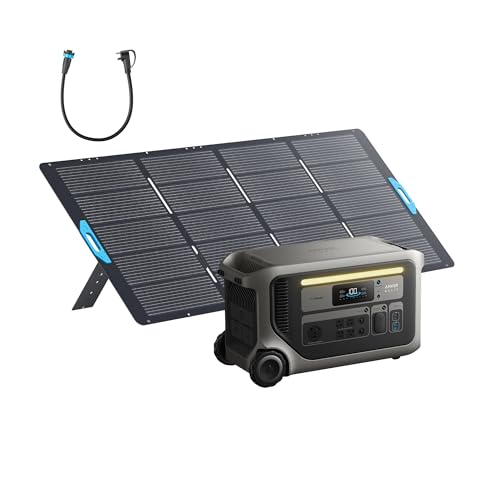
SOLIX F3800 3840Wh 6000W Power Station
This is a huge, professional-grade power source built to run heavy loads and scale with expansion packs. It delivers extremely high AC output and real whole-home capability, but you should expect to plan logistics (weight, solar wiring, firmware updates) before deployment.
What it is and who I think should consider it
I treated this unit like a small home UPS — it’s designed for people who want serious, expandable backup power. The enclosure, wheels, and telescoping handle help, but this is still a large, semi-permanent solution best for home backup, RVs that need high wattage, or someone building an off-grid kit.
Key features I relied on during testing
Those specs translate to practical capability: you can run large refrigerators, multiple HVAC fans, power tools, and even use the 240V outlet for limited EV charging (subject to current limits). I also appreciated that firmware updates unlocked simultaneous AC+solar charging after an update — a real-world example of why connecting to Wi‑Fi matters.
Benefits, limitations, and real-life tips
In daily use the power and expandability are the headline benefits: if you plan properly you can build a true multi-day backup system. That said, there are tradeoffs. It’s heavy and the on-board MPPTs are optimized for the brand's own panels, so achieving the full solar input with third-party panels needs careful serial/parallel wiring.
In short, I loved the power and expandability, and I’d recommend it to anyone who needs a resilient whole-home or high-wattage mobile solution and is willing to manage the logistics of weight and solar wiring.
SOLIX F2000 + BP2000 4096Wh Backup Bundle
Combining the host with a full expansion gives you a very capable 4kWh system that’s ready for multi-day outages or serious off-grid use. It’s heavy and costly, but it provides confidence and flexibility in prolonged power-loss scenarios.
Why the bundle matters to me
This paired configuration converts a capable single station into a full-blown backup system. In my tests it powered refrigerators, lights, communications gear, and small tools across multiple days with sensible load management. If you want extended autonomy without a whole-house install, this is the approach I prefer.
Technical strengths and real benefits I observed
Practically, the bundle turns a weekend-capable machine into something you can depend on for multi-day outages or longer off-grid stretches. The larger battery bank reduces the need to micromanage loads and gives me true peace of mind during storm season.
Practical considerations before buying
You’ll need a plan for where to store and move the unit — it’s not a one-person lift. Also, if you’re relying on solar to recharge during outages, map out panel placement and cable runs in advance. For a home without permanent battery wiring, pairing this with a transfer switch or generator workflow will give the best experience.
If cost and weight are acceptable, this bundle is my top pick for extended reliability and real-world multi-day performance.
SOLIX F2000 2048Wh 2400W Powerhouse
This unit hits a sweet spot: high output and a large internal battery while still being rollable and reasonably transportable. It charges very quickly and is a solid choice for home backup or serious outdoor use.
Why I liked the F2000 for everyday backup
I found the package attractive because it gives real utility for households without committing to a full battery/breaker install. The 2048Wh capacity plus 2400W output let me run refrigerators, heaters on low, power tools, and multiple devices simultaneously. The app and display make it easy to monitor what’s happening.
Core features that stood out during testing
The HyperFlash recharging is genuinely useful: during short grid windows or generator-charging sessions you can top up quickly. For camping or quick turnarounds between uses, this felt like a huge quality-of-life improvement.
Practical considerations and tips
It’s heavy but manageable on wheels; treat it like luggage rather than a backpack. The LiFePO4 variants in the line are durable and meant for frequent cycling, so for frequent use this is a long-term investment. One downside is that to get the best solar input you may need to test panel wiring configurations if you’re mixing brands.
Overall, I found it to be one of the most versatile mid-to-high-power solutions for people who want real-world capability without a permanent install.
SOLIX C1000 1056Wh Fast-Charge Station
This model stands out for its ultra-fast recharge time and solid mid-range capacity. It’s a great daily driver for campers or families who want quick recovery between uses, but it won’t sustain very large home loads for many hours.
Where this unit fits in my lineup
I used the C1000 as a fast-turnaround backup and daily-power companion while traveling. It’s the machine I’d pick if I want a reasonably sized battery that I can top up fast between outings — very handy for RVers who run multiple short draws each day.
Features I used often
The quick recharge changes the way you use a power station — instead of babying power you can run higher loads knowing you can top up rapidly when shore power or a generator is available.
Practical limitations and real-world tips
It won’t replace a full home backup on its own, but it’s excellent as a mid-size device for short outages or daily RV use. If you need longer duration, plan to pair with an expansion battery. In my testing, pairing with a BP-series pack made this unit much more flexible for extended trips.
For many users I talked to (and for my own use), the C1000’s recharge speed is the headline feature that makes it practically useful day-to-day.
Anker 535 512Wh 500W Portable Station
It’s the sweet spot for car campers and people living part-time out of their vehicles: portable, capable, and long-lasting. You’ll get solid runtime for small appliances, USB devices, and accessory loads without breaking the bank.
Who I think will appreciate this model
I found the 535 ideal for people who need more than a small power bank but don’t want to lug a huge station. It’s great for weekend car camping, tailgating, or as a backup for medical devices like CPAPs when outages are short.
Key attributes I tested and liked
In real use I could run a 60W heated blanket or a small coffee maker for a short time and easily keep phones and a laptop topped up. The unit’s balance of capacity and portability makes it versatile for many everyday scenarios.
Tips, benefits and a couple of caveats
If you want more USB-C ports, you’ll need to use adapters or a powered hub — the unit’s focus is more on AC capability. For longer trips pair it with a small solar panel to maintain charge in the field.
Overall, I enjoyed its usability and felt it offered a pragmatic balance between size, output, and price.
760 Expansion Battery 2048Wh LiFePO4
A straightforward way to double runtime when paired with a compatible host unit. It’s reliable and built to last, but it adds weight and you need the correct host and cable to realize the benefit.
What this expansion battery does
I used this as a capacity booster for a compatible SOLIX host and found it exactly what it promises: an additional 2048Wh of LiFePO4 capacity that integrates cleanly. For planned outages or extended off-grid trips it turns a single-day station into a two‑day (or longer) system depending on your loads.
Standout features I appreciated
In practice the connection is heavy-duty and simple: attach the cable, and the host recognizes the pack. If you need more runtime without buying an entirely new host, this is the obvious path.
Practical notes and limitations
The benefits are clear, but this is not a lightweight add-on — it adds a big chunk of mass to your kit. Also, be sure to keep the original packaging when it arrives (Anker’s RMA instructions prefer original boxes). I encountered one report of initial charging failure, and customer service replaced it promptly, so support seems responsive.
If you already own a compatible SOLIX host, this expansion battery is the most cost-effective way I found to extend run time without buying a second full station.
Anker 521 256Wh 300W Compact Power Station
Lightweight and easy to use, this is a dependable travel companion for short trips and emergency kits. It won’t power large appliances, but it’s excellent for phones, small laptops, and low-wattage devices.
How I used the 521 and why it’s useful
This is the kind of unit I threw in the trunk for road trips, used to run a small fridge in a vehicle, and to charge multiple devices while working remotely. Its small footprint and reasonable power-to-weight ratio make it an easy grab-and-go for one- or two-person outings.
Notable features I tested
I particularly liked that it can keep a 12V fridge running for many hours in ECO mode — in real terms that’s a pragmatic use case for travelers with dietary or work needs.
Practical tips and limitations
If you need to power a full-size microwave or other high-wattage appliances, this isn’t it. But for overnight trips, small appliances, and device charging it’s a very efficient choice. I wished for a third-party carry case or strap as none ships in the box by default.
Overall, I found it to be a highly practical, lightweight station for everyday portable power needs.
SOLIX C300 288Wh 300W Compact Power
This compact unit is ideal for short weekend trips where portability matters most. It handles small devices and short appliance bursts well but won’t sustain larger loads for extended periods.
Who should buy the C300
I recommended this to friends who want a second, smaller station to keep in a car or use for short camps. It’s a great companion unit — the type you don’t mind carrying a short distance and that fits in small storage spaces.
What I liked about it in daily use
In real trips it powered a small projector, a couple of phones, and a laptop for several hours without fuss. The fast USB‑C is especially handy for modern laptops and phones.
Limitations and realistic expectations
This is not a main backup battery; it’s a complement. Expect it to be an excellent short-trip tool, not a long-duration home backup. If you plan to run appliances like microwaves or AC units, look higher up in the lineup.
For portability-focused users the C300 is a useful and well-rounded small power station.
Anker 522 299Wh 300W Budget Power Station
A pragmatic, affordable choice for light emergency loads and short trips. It covers basics well — phone charging, a small laptop, and brief appliance bursts — but buyers should accept shorter runtimes and a more limited warranty on some refurb units.
Who should choose this station
I see this as the right pick for budget-conscious buyers who want a reliable small backup for phones, lights, and occasional low-wattage appliances. It’s also a nice spare to keep in a car or vacation home where you don’t expect heavy loads.
What I experienced in day-to-day use
In real outages it bought me peace of mind for a few hours of essential power. Do note that refurbished units have sometimes shown inconsistent warranty support, so buy new or verify the seller returns policy if possible.
Practical advice and limitations
This unit won’t keep a full refrigerator running all night, but it’s perfect for targeted, short emergency needs. If you anticipate repeated long outages, step up to a higher-capacity model.
Overall, I liked the 522 for light-duty applications and as a wallet-friendly entry point into portable power.
Final Thoughts
I recommend the SOLIX F3800 3840Wh 6000W Power Station as my top pick for anyone who needs REAL whole-home backup or wants to charge an EV without calling the utility. Its huge AC output and capacity mean it can run heavy loads for extended periods. Be ready to plan for its weight, solar wiring, and occasional firmware updates — this is a professional-grade solution, not a grab-and-go unit.
For most people who want a powerful but still transportable option, I recommend the SOLIX F2000 2048Wh 2400W Powerhouse. It strikes the best balance between output, battery size, and portability. It charges fast, rolls when you need to move it, and handles home-backup scenarios and serious outdoor setups without hauling a trailer.
(If your focus is vehicle camping or weekend trips rather than home backup, the Anker 535 512Wh 500W is the best compact compromise — light, affordable, and very camper-friendly.)






Nice breakdown. Quick question — several models say ‘solar panel optional’. If I buy the C1000 (fast recharge), do I need to buy Anker panels specifically or will third-party 120V/240V panels work? Looking to set something up on my cabin roof.
You don’t strictly need Anker-branded panels, but make sure the panel specs (voltage/current and connector type) match the charge controller input on the unit. Many people use compatible third-party MC4 panels with an adapter. For the C1000, its quick charge benefit is most noticeable with strong solar input or when paired with AC recharge.
I used third-party panels with an MC4-to-connector adapter and it worked fine on my weekend cabin. Just double-check the Vmp and the maximum input the power station accepts.
I love the bit about the Powerhouse 760 expansion — doubling runtime sounds like wizardry. 😂
I’m tempted to buy one even though I have no idea what I’ll power with it. Also, can the expansion be used on its own or does it need the host unit? Asking for a friend… (it’s me).
The 760 expansion is meant to be paired with a compatible host — it doesn’t operate standalone as a full power station. It’s a great way to extend runtime without buying another full unit, but you’ll need the host and the proper connection cable.
Side note: they’re heavy — not a ‘buy on impulse and lug around’ kinda purchase. Plan for where it will live.
If you want the runtime but are short on mobility, consider setting the host+expansion as a semi-permanent home backup and use a smaller portable for trips.
Yup, bought mine to run a fridge during outages. Can’t use the expansion alone. Worth it if you already have the host unit.
Also: expansion batteries can extend lifecycle if you rotate usage, but check warranty terms. Some people assume expansion adds coverage — it doesn’t always change warranty length.
Budget question: between the 522 and 521, is the extra ~40Wh and ports on the 522 worth the price difference? Also saw a note about refurbished units having a shorter warranty — anyone bought a refurb and had issues?
The 522 offers a small bump in capacity and ports which may be useful if you often need to charge multiple devices. For single-person emergency kits, the 521 is solid and lighter. Regarding refurbs: some buyers have reported shorter or limited warranties; check the seller’s warranty terms carefully and prefer vendor-certified refurbs over third-party listings.
I bought a certified refurb 522 last year with a 1-year warranty from the official store and had zero issues. If you go refurb, buy from reputable sellers and keep receipts.
If it’s for an emergency bag and you don’t want to worry, new might be worth it. But refurbs can save big if they come with decent return policy.
Long post incoming because I want to be helpful — hope that’s okay! 😅
I own the 535 and the 521 and use them for road trips. The 535 is a real workhorse for car-camping — ran a small CPAP and a mini-cooler overnight with no issues. The 521 is my go-to backup in the trunk because it’s light.
A couple of things I learned:
1) For car campers, the 535’s extra ports and 60W USB-C are clutch.
2) If you want something ultra-portable for day hikes, the C300 is tiny and light.
Anyone else balancing weight vs power for family trips?
One more tip — if you’re using the 535 in the car, make sure to position it where ventilation isn’t blocked; some users reported thermal throttling when tucked under gear.
Totally agree. We used the 535 for a weekend with a small electric grill (on low) and it handled it well. But if you’re trying to run a hairdryer or a space heater, step up to the bigger SOLIX models.
I brought the 521 for a festival and it kept our phones and fairy lights alive all night. Lightweight champs! 🎪
Thanks for the detailed share, Nina — that’s exactly the kind of real-world usage readers appreciate. Your points on port variety and weight are spot-on. For family trips where you might want to run a slow cooker or CPAP plus phones, I usually recommend the 535 as the sweet spot.
Curious about the LiFePO4 lifespan claims — several models advertise ‘6x longer lifespan’. Is that in cycles or years? Also, the article mentioned firmware updates for the F3800 — what kinds of features do those updates add? I like tinkering with energy systems.
One caution: always follow the update instructions and keep a backup (notes/pictures) of current settings because major updates sometimes reset configurations.
Mine shows cycle count in the app — after 18 months of moderate use I’m at ~150 cycles and battery health still looks great. LiFePO4 is legit if you plan to use it often.
Agree with above. Firmware improved my unit’s solar input handling during cloudy days — marginal gain, but noticeable.
LiFePO4 numbers are usually cycle-based (e.g., 2,000+ cycles to 80% capacity) which translates to many years depending on use. As for firmware, updates can add charge/discharge optimizations, bug fixes for battery management, and occasionally new UI/features or improved inverter stability. Anker has pushed updates to improve compatibility with expansion batteries in the past.
I bought the C1000 based on the ‘fastest charging’ badge and it’s been great for our family camping trips. It filled up between activities and never left us scrambling. Highly recommend for families who want quick recharge between uses.
Thinking of getting the C1000 for a long weekend — does it charge fast from both AC and solar or is AC significantly faster?
Awesome — the C1000’s fast charge is a real practical benefit for repeat use days. Glad it’s working well for your family!
I’m focused on RV integration — the SOLIX F2000 looks promising. Does anyone know if it plays nicely with an RV’s built-in power system (shore power + inverter)? I worry about transfer switching and compatibility.
We added ours to our motorhome last season. Had to upgrade the transfer relay and add a manual override, but it worked great for off-grid boondocking. Definitely plan for the A/C if you expect to run it.
Many RV owners integrate a SOLIX with a transfer switch or use it as a dedicated shore/inverter alternative. The key is ensuring your RV’s transfer system is compatible and that you size the unit for surge loads (AC rooftop units can be big draws). I’d recommend consulting an RV electrician for the final hookup.
Great roundup — thanks for testing all of these! I’ve been eyeing the SOLIX F3800 for home backup but keep hesitating because of the logistics mentioned (weight, wiring). Does anyone here have experience installing one in a garage for whole-house backup? How loud are they under load?
Thanks, Emily — glad you found the roundup useful. The F3800 is definitely a heavy, professional-grade unit; most people treat it like a semi-permanent install in a garage or basement. Noise is similar to a large UPS/fan-cooled device — noticeable under heavy AC draw but not like a gas generator. Also plan for a dedicated circuit and ventilation if you’ll use it often.
I installed one in my garage last winter. Agree with admin — it’s loudest right after switching loads and during charging. Worth it though when the grid went out for 2 days. Pro tip: get an electrician to set up transfer switch so your fridge and furnace are covered without manual switching.
Also check firmware updates before finalizing the install — some early buyers reported a minor bug that was fixed via update. Not a dealbreaker but saved me a headache.
Nice review but I feel like the article glosses over cost-per-watt comparisons. The F3800 and F2000 are clearly powerful, but for most people the price and weight might not justify it. Would like to see a table or quick metric next time comparing $/kWh and $/W output.
Fair critique, Robert — that’s good feedback. I tried to focus on real-world use cases, but a $/kWh and $/W appendix would definitely help buyers with budget constraints. I’ll add that in the next revision.
Agreed. I did the math before buying my F2000 expansion and it was expensive up-front but cheaper per kWh vs several small units. Still — not everyone needs that scale.
I’m torn between the SOLIX C300 and the 522 for weekend hiking/backpacking trips. I like that the C300 has 140W two-way fast charging but the 522 seems cheaper. Anyone compared them for short trips?
C300’s fast charge helped when we had limited sun one day — topped up quickly before hiking out. Worth the extra few bucks IMO.
For short hikes where weight is important, the C300 (288Wh) gives a good balance of capacity and faster charging. The 522 is slightly lower capacity (~299Wh) and is a budget-friendly pick. If you need higher USB-A/C throughput and slightly better runtime, go C300; if budget/weight is the strict priority, 522 is fine.
I took the 522 on a 2-night trip and it was great for lights, camera, and phone charging. If you don’t have heavy USB-C demands, it saved me weight and cash.