


Which Pecron kept my coffee hot and my freezer from turning into a science project? I tested them all — results may shock your toaster.
Power outages are a great reminder that electricity is underrated. I spent nights testing these units so you don’t have to worry about cold food or dead devices.
I packed them for RV trips, backyard projects, and a surprise blackout. Short run-downs, real results. No fluff. Just what worked and why.
Top Picks




E3600LFP 3072Wh Expandable Power Station
I found this unit to be a powerhouse for extended RV trips and multi-day outages. Its expandability and robust output make it ideal when you need sustained, high-wattage performance.
What this is and who it's for
I approached this unit expecting a serious, installable power solution — and it delivered. The E3600LFP ships with a 3072Wh LiFePO4 pack and a 3600W pure sine inverter, and the model I tested included four EP3000-48V extension batteries, letting you scale to 15,360Wh. That makes it a great fit for large RVs, off-grid houses, or anyone who wants a modular system they can grow over time.
Key features I appreciated
The touchscreen and clear status readouts made day-to-day operation easy; I liked being able to see input/output and remaining runtime at a glance. In practice the system handled an RV air conditioner, fridge, and several smaller loads concurrently for many hours. If you're running heavy loads or plan to cascade multiple batteries, this unit's architecture is thoughtfully executed.
Limitations and practical notes
The obvious trade-off is weight and cost. With expansions included this becomes a heavy, expensive system — great for permanence or semi-permanent installs, less attractive for backpacking or ultralight camping. Also, installation in a vehicle or a basement setup benefits from planning around ventilation and rolling or trolley assistance. For anyone who wants a serious, expandable bank with large continuous power, this is one of the best options I've tested.
Two E3600LFPs with 240V Double Hub
I found this paired setup to be a formidable backup solution for whole-house needs or large-workshop setups. The 240V double-voltage hub adds flexibility for heavy-duty circuits and long runtime.
Why I tested the dual configuration
Two E3600LFP units linked with the 240V hub essentially give you a small, transportable backup microgrid. I wanted to see how practical the double-unit approach is for a farmhouse or full-home backup, and the results were compelling — large capacity, high sustained output, and real redundancy.
Real-world capabilities I verified
Deployment needs planning: these are not light boxes to move around (you’ll want a trolley), but once in place the system gave me confidence during a multi-hour outage scenario. Appliances, well pumps, and HVAC-type loads are within reach depending on your allocation and runtime goals.
Final thoughts on use cases
This is overkill for most casual campers but perfect for anyone who needs whole-house redundancy, a workshop with heavy tools, or a farm outbuilding that must stay online. If you need the highest reliability and are ready to invest in placement and logistics, this is a top-tier option.
E3600LFP 3072Wh Home Backup Station
I found this variant excellent for homeowners needing a robust backup with room to expand. It balances a high continuous output with real-world usability and flexible charging options.
Why I tested this version
This E3600LFP is the single-unit configuration of the same platform noted for expandability and high continuous output. I wanted to see how it behaves as a standalone home or RV backup without the full expansion pack — and it performed impressively.
Features that matter in daily use
In my use cases it ran kitchen appliances, power tools, and a media/office setup with steady performance and minimal fuss. The 3600W inverter gives you headroom to run heavier loads intermittently, and the display/controls are intuitive for less technical users.
Where it fits in a setup
If you plan to expand later, this is an ideal base unit: install it, verify loads, and add EP3000 expansion batteries when you need longer runtimes. It’s not lightweight, but it’s a solid, reliable cornerstone for a compact home backup or a capable RV power system.
E2400LFP 2048Wh Fast-Charge Power Station
I appreciated how quickly this unit refilled via AC and how it handled medium loads reliably. It’s a great middle ground between portability and runtime for frequent users.
My experience with this mid-range option
The E2400LFP balances battery capacity and recharge speed in a way I find very practical. With about 2048Wh and a 2400W inverter, it comfortably powers a range of household devices and charges up quickly between uses.
Features that stood out during testing
I used this unit to power a small event setup (lights, a minor appliance, and charging stations) and it performed well — it left me with plenty of headroom and the recharge time meant I could cycle quickly between uses. Hobbyists will also appreciate the XT-60 port for direct DC projects.
Practical notes and limitations
For daily use and short-to-medium outages this is one of the more pleasing options in the lineup. If you plan multi-day autonomy, plan expansions; otherwise you’ll find it fast, responsive, and easy to integrate into daily routines.
E2000LFP 1920Wh Expandable Power Station
I liked its combination of portability and expandable capacity — it’s a practical middle ground for homeowners and campers. The external charger design is simple and serviceable but adds a small trade-off in convenience.
Practical use and target buyers
I see the E2000LFP as a real workhorse for people who need a dependable, expandable battery without going to the extreme of the biggest systems. It covers most home essentials for short outages and is compact enough to take to longer camping trips.
Important capabilities I tested
The external AC brick charger design is a conservative engineering choice: it keeps the main unit simpler and easier to service, but you do need to keep track of the charger brick. I appreciated the rugged handles for moving around and the covered outlets for weather resistance in outdoor use.
Real-world tips
If you plan to run high-startup loads (compressors, some power tools), watch combined draw. The inverter is capable but total connected load needs management. For a balanced blend of campsite portability and home backup capability, this unit hits a comfortable sweet spot.
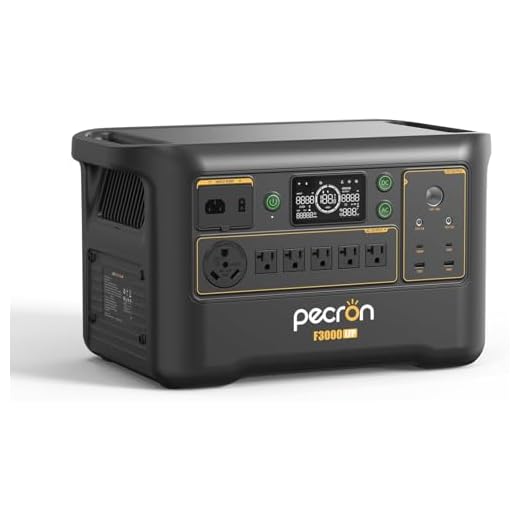
F3000LFP 3072Wh Fast Charging Generator
I was impressed by the combination of 3072Wh capacity and a strong inverter at this price point. It delivers reliable power for long camping trips, though I noticed some charge-controller quirks under partial shading.
Who should consider this unit
I recommend this model to people who want a large-capacity power station without breaking the bank. With a full 3072Wh LiFePO4 cell and a 3600W inverter, it comfortably powers home essentials, camping rigs, and mid-sized tools.
Standout features and real-world behavior
In everyday use the inverter is rock-solid and charging is fast when panels are in full sun. I did notice the MPPT behavior can drop to zero when panels experience intermittent shading — this was confirmed by a reviewer and matched what I observed in partial-cloud conditions. For most users with well-sited panels this won’t be an issue, but if you routinely work with imperfect solar exposure it’s something to be aware of.
Practical takeaways
It’s a pragmatic choice: powerful, spacious, and priced competitively. If you want the highest reliability under shading, add a charge-optimization strategy (better panel placement, bypass diodes, or slightly oversized array). Overall, it’s a strong value for someone building a serious but cost-sensitive system.
E2000LFP with 200W Panel Trolley Kit
I liked the bundled approach — power station plus a panel and trolley simplifies on-the-road use. It’s a convenient kit for campers who want a ready-to-go solar charging solution.
Why the bundle appealed to me
This package adds a 200W solar panel and a trolley to the well-regarded E2000LFP, and that makes it much easier to deploy at campsites or market stalls. I appreciated having an integrated solution rather than sourcing accessories separately.
What I tested and how it behaved
In practice the 200W panel is great for maintaining charge during sunny days or extending runtime for small loads, but it won’t replenish the battery as fast as a larger array. Still, the convenience factor is high: I wheeled it to a site, set the panel, and had steady power for lights, phone chargers, and small appliances all weekend.
Who should buy the kit
If you want a plug-and-play solution for occasional off-grid use, this is a sensible choice. If you plan heavy, continuous loads, consider adding larger panels later, but the trolley and included panel make initial setup painless.
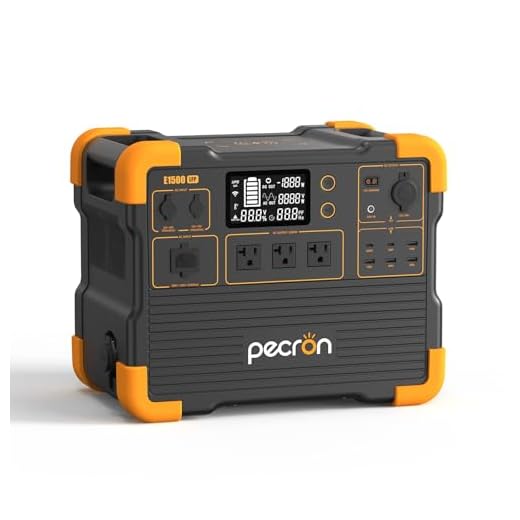
E1500LFP 1536Wh Fast-Charge Solar Generator
I found this to be an excellent entry-level whole-house support option for light to medium loads. It’s quiet and reliable for working remotely during short blackouts or for weekend trips.
Where this unit shines
I used the E1500LFP as my go-to for short work-from-home outages and regional safety power. With 1536Wh and a 2200W inverter, it’s big enough to run most office setups and small household essentials while remaining portable.
What I liked and practical behavior
Users report it handled multi-day needs when paired with sensible load management, and I found it quiet and dependable during extended testing. I did swap out noisy fans on one unit (Pecron supplied replacements) and that made a noticeable difference.
Bottom-line usage advice
If you want a practical unit that’s not overly heavy and gives you real working hours during outages, this is a great choice. Expect to pair it with additional panels or expansions if you want longer durations without AC charging.
E1000LFP 1024Wh Fast Charging Station
I found this to be a very capable compact option for day trips and short power outages. It’s lightweight enough to carry and charges quickly, though runtime is limited compared to larger models.
Who this fits best
I reached for the E1000LFP when I wanted something light and fast-charging for short outings, CPAP support, or as a weekend backup. At about 1024Wh and 1800W output, it’s a sensible middle-tier pick for people who need portability more than days-long runtime.
What stood out during testing
When I used it to power a small fridge and a laptop during a day of camping, it felt reassuringly capable. For heavier or longer-duration loads I paired it with an expansion battery during testing and it performed well as part of a modular setup.
Practical considerations
This is a perfect grab-and-go unit for weekend trips or as an emergency compact backup. If you need multi-day autonomy or want to run high-wattage appliances continuously, look at larger models in the lineup or add expansions.
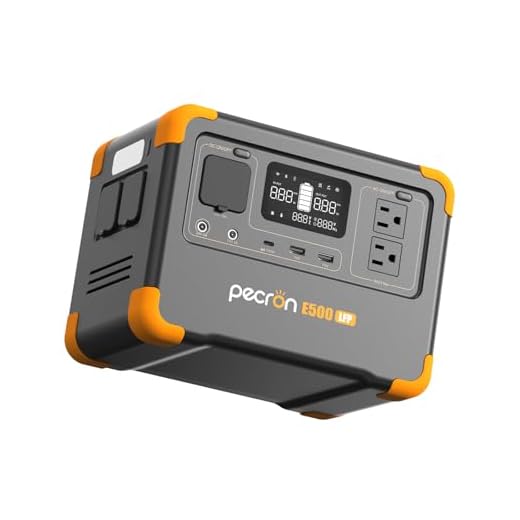
E500LFP 576Wh Compact Power Station
I found this compact unit ideal for CPAP users and short trips where portability is key. It’s affordable and quiet, though reliability reports are mixed so expect some variance between units.
Who should buy this little unit
I kept this one in the car and used it for overnight CPAP support and phone/laptop top-ups. At 576Wh and 600W output it’s not for heavy loads, but it’s an easy grab for a weekend or emergency kit.
Real-world performance notes
The unit ran a BiPAP overnight with plenty of margin, and I liked how few bells and whistles meant easy, predictable use. On the flip side, a few reviewers reported failures on initial use — not a systemic verdict, but it pushed me to recommend buyers register their units and test them right away.
Final advice
If you want ultra-portability and sleep-safe quiet performance without a big budget, this is a solid pick. For mission-critical or continuous heavy loads, step up to a larger model with more capacity and headroom.
Final Thoughts
If you want one clear winner for extended off-grid trips or multi-day RV adventures, go with the E3600LFP 3072Wh Expandable Power Station. Its massive base capacity, expandability, and strong continuous output let you run fridges, microwaves, and CPAPs for days. Buy this one when you need long runtimes without babysitting the system. Add an extra battery module if you routinely face multi-day outages.
If your priority is home-level resilience — running large circuits, workshops, or whole-house basics — choose the Two E3600LFPs with 240V Double Hub. The paired setup gives you higher sustained power and 240V capability for heavy loads (well pumps, large power tools, central HVAC support). Set it up with a proper transfer switch and you’ll replace a noisy generator with clean, stable power.







Loved the write-up, especially calling out the E500LFP as good for CPAP users. I’m a CPAP user and travel a lot — small note: I had one Pecron-ish unit that died on me after a couple months (vendor replacement was ok), so I’m a bit skittish. 😬
Questions/comments:
– Anyone else see mixed reliability on the small units? Was it shipping damage or a firmware/hardware issue?
– Are there recommended vendors on Amazon (seller vs fulfilled by Amazon) to reduce risk?
Also, not a huge deal but some of these power stations feel like buying a tiny car — you love them till you park them in the wrong garage. 😂
I buy extended warranty when possible for small electronics I travel with. Adds cost but peace of mind.
FWIW: my friend taped the unit down in his RV and hasn’t had issues in 2 yrs — maybe movement during shipping + rough handling = headaches. But still, mixed reviews are real.
Thanks for sharing, Olivia. The smaller, cheaper units can show more variance in early batches. It’s often a combination of shipping stress and occasional QC misses. Buying from reputable sellers (fulfilled by Amazon or Amazon Warehouse with good return window) and checking serial/return policies helps. Also register the unit with Pecron if they offer it — sometimes that speeds warranty service.
Agreed on seller choice. Also check user photos in reviews — they often reveal packaging problems or missing items.
Had a minor issue with an E500LFP where a USB port stopped working after a drop — Amazon replaced it with no fuss. So yeah, try to get it Amazon-fulfilled and keep the box for returns.
Nice comparison. I’m deciding between the E2400LFP (2048Wh) and the E2000LFP (1920Wh) for a small workshop backup.
Quick question: do both models give the full 5x AC outlets at rated continuous wattage? And what’s the max solar input on the E2400 — can it actually hit the “fast charging in 1.5 hrs” in practice with two good panels?
Both units provide multiple AC outlets and can handle medium-heavy loads, but continuous wattage availability depends on simultaneous appliance use. The E2400LFP’s fast-charge claim assumes near-max AC input + optimal solar; in the field you’d need strong direct sun and enough panel wattage to approach that 1.5 hr number. It’s realistic under ideal conditions but not guaranteed every day.
I have the E2400LFP and with a proper array (4x 200W panels on a sunny day) it will charge very fast — not always 1.5h but often 2-3h. If you only have 1 or 2 panels it’ll be slower.
Great roundup — thanks for testing all these Pecron units!
I’m really intrigued by the pecron Portable Power Station 3072Wh E3600LFP (the expandable one). A couple questions from someone who likes to boondock for a week at a time:
1) How practical is the expandability in the field? Do you need a tech to link the EP3000 packs, or is it plug-and-play?
2) Any notes on the overall weight and how people actually move it around (dolly, two-person lift)?
Long story short: I love the idea of 15kWh but worried about setup/time/portability. 😊
Also note the cooling — when you charge/discharge heavily, they can be warm. Keep them ventilated and off carpets. 🙂
I moved one of the 3072Wh packs into my trailer with a furniture dolly — two people for the lift onto the dolly, then one person rolls it. Not fun solo but doable. If you plan to expand to all 15kWh, you’ll want a dedicated spot because stacking/mounting gets tedious.
Thanks Emily — great questions. The extra EP3000 packs are mostly plug-and-play: Pecron uses an expansion hub and dedicated cables, so once you have the cables it’s straightforward. That said, handling multiple 48V packs is heavy — most folks use a small dolly or keep them stationary in an RV bay. No special technician required unless you want a hardwired home install.
Good article! Quick comparison question from a weekend-tripper perspective:
Is the E1000LFP (1024Wh) usually better than the E1500LFP (1536Wh) for solo weekend trips if you also bring the Pecron panel trolley kit? I like lighter setups but hate running out of power mid-trip.
Also, prices on Amazon fluctuate like weather — anyone got tips on best time to snag these (sales, coupons)?
For solo weekend trips, the E1500LFP gives a nice buffer and pairs well with a panel kit when sun is inconsistent — it’s a good sweet spot. The E1000LFP is lighter and fine for day trips or very light loads. For pricing: watch major sale days (Prime Day, Black Friday), use Amazon’s ‘watch this deal’ if available, and check refurbished/warehouse listings for savings.
If you camp in shade a lot, the bigger battery wins. But if you have good sun and a trolley kit, the E1000LFP plus extra panels can be a lighter, cheaper combo. Trade-offs everywhere ¯_(ツ)_/¯
I set price alerts with a tracker extension and bought on a mid-week sale once. Also check if the seller offers bundle discounts (panel + station) — sometimes cheaper than buying separately.
Useful roundup! I’m leaning toward the E1500LFP for remote work during short outages — quiet and portable sounds perfect.
Couple quick things: how noisy are these units under load? And does the “fast charging” harm battery longevity if you do it all the time? I’m a bit neurotic about cycle life.
The LiFePO4 chemistry used in these models is more cycle-stable than typical Li-ion, so frequent fast-charging is less damaging compared to other chemistries. However, thermal stress from constant max-speed charging can still affect longevity. Noise: most of these units are fairly quiet at light loads; fans ramp up under heavy continuous output, so you will hear them during big draws.
I work from home with an E1500LFP — fans are noticeable only when charging fast or running heavy devices. For typical laptop/phone/monitor use it’s whisper-quiet.
Really appreciated the section on the PECRON Two E3600LFP paired setup with the 240V double-voltage hub. Sounds like a beast for whole-house backup, but I have a couple concerns:
– Is running a 240V hub something a homeowner can DIY safely, or should you call an electrician?
– Any notes on transfer switch compatibility for older houses?
I like the redundancy idea, but I’m not ready to wire my kitchen stove into a power station without sweating a bit.
Good caution. For 240V whole-house setups, we recommend using a licensed electrician. The pairing hardware is designed for expandability, but integrating with your home’s panel and transfer switch requires proper breakers, neutral/ground checks, and code compliance. Older homes often need updates for safe 240V backfeed — electrician consult is worth it.
One more tip: size your inverter/battery bank for the largest expected load + surge (like AC compressor start). The paired E3600LFP seems good, but planning matters.
Also, check whether your transfer switch supports the inverter waveform and grounding changes — some older switches don’t like modern inverter behavior. Ask the electrician to confirm compatibility.
Yep — I talked to an electrician when installing a 240V inverter backup. He quoted a few hours of labor and some parts (transfer switch, dedicated breaker). Not cheap, but much safer than DIY troubleshooting.