

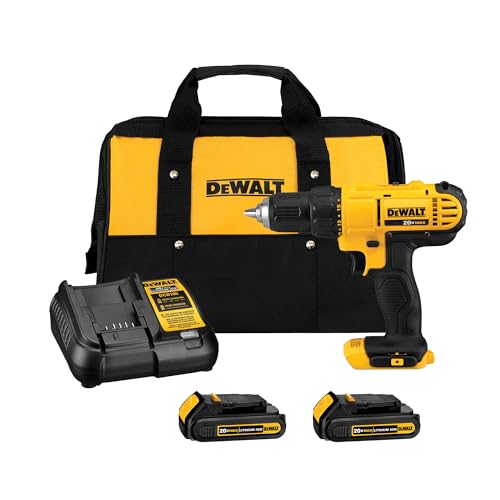
If you’ve ever found yourself scratching your head trying to decide between an impact driver and a drill driver, you’re in the right place! Choosing the right tool for the job can make all the difference in your DIY or professional projects, so let’s break down the differences between these two powerhouses to help you make the best decision for your next task. Let’s get you equipped with the right knowledge to tackle any project with confidence!
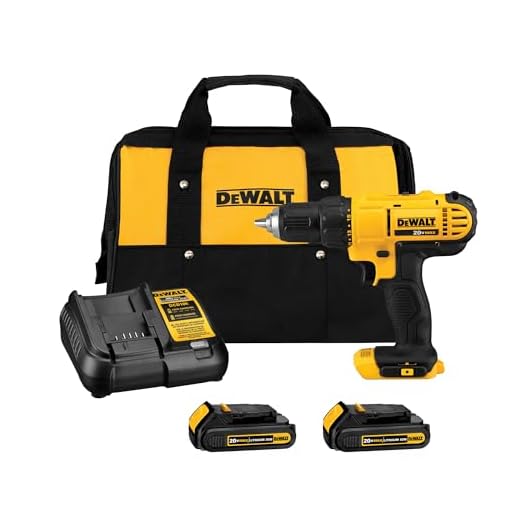


Understanding Impact Drivers vs. Drill Drivers
When it comes to power tools for woodworking, construction, or any DIY project, impact drivers and drill drivers are two essential tools that offer distinct functionalities designed to make your tasks easier. Let’s dive into the primary functions and typical uses of each tool, highlighting their key differences:
Impact Drivers: Power for Tough Jobs
- Primary Function: An impact driver is specifically designed for driving screws and fasteners quickly and efficiently.
- Typical Uses:
- Inserting large screws into tough materials like hardwood or metal.
- Assembling furniture, cabinetry, or deck frames.
- Installing lag screws or bolts.
Brands like DeWalt DCF887B and Makita XDT16Z offer powerful and durable impact drivers that can handle even the most demanding tasks with ease.
Drill Drivers: Versatility in Drilling
- Primary Function: A drill driver serves the dual purpose of drilling holes and driving screws.
- Typical Uses:
- Drilling holes for various sizes of screws, bolts, or fasteners.
- Driving screws into softer materials like drywall or softwoods.
- Light-duty tasks around the house or for general DIY projects.
Popular models such as the Bosch DDS181-02 and Milwaukee 2407-22 are well-regarded for their versatility and reliability as drill drivers.
Key Differences Between Impact Drivers and Drill Drivers
Power and Torque:
- Impact Driver: Offers high torque for heavy-duty applications, making it ideal for demanding projects.
- Drill Driver: Provides more control and precision, making it suitable for a wider range of tasks.
Speed and Efficiency:
- Impact Driver: Delivers quick, repetitive impacts to drive screws swiftly, minimizing effort and fatigue.
- Drill Driver: Offers variable speed settings for precise drilling and driving, allowing for more delicate operations.
Versatility:
- Impact Driver: Specialized for specific tasks requiring high torque and efficiency.
- Drill Driver: A more versatile tool suitable for both drilling and driving applications.
By understanding the unique features and applications of impact drivers and drill drivers, you can choose the right tool for your project needs, whether it’s the robust power of an impact driver or the versatility of a drill driver.
Power and Torque in Impact Drivers vs. Drill Drivers
When it comes to choosing between impact drivers and drill drivers, understanding the differences in power and torque is crucial for optimal performance in various applications. Let’s delve deeper into how power and torque capabilities influence the effectiveness of these tools.
Impact Drivers: Power and Torque
What Makes Impact Drivers Stand Out?
- Impact drivers are designed for high-torque applications, making them ideal for heavy-duty tasks.
- They deliver rotational blows that significantly increase torque, allowing for quicker and more efficient fastening.
- An excellent example of a powerful impact driver is the DEWALT DCF885C1 20V Max Impact Driver, known for its exceptional torque capabilities.
Impact Driver Benefits:
- Fast driving speeds due to high torque output.
- Reduced strain on wrists and arms during prolonged use.
- Ideal for driving long screws or lag bolts into tough materials like hardwood or metal.
Drill Drivers: Power and Torque
Understanding Drill Drivers
- Drill drivers are versatile tools that combine drilling and screwdriving capabilities.
- They offer variable speed settings, making them suitable for a wide range of applications.
- An exemplary drill driver known for its power is the Makita XFD131 18V LXT Lithium-Ion Brushless Cordless 1/2 In. Driver-Drill.
Drill Driver Advantages:
- Precise drilling control for delicate tasks.
- Versatility for both drilling and fastening applications.
- Effective for drilling into various materials such as wood, plastic, and metal.
Power and Torque in Action
To better illustrate the impact of power and torque, let’s consider a practical scenario where a professional contractor needs to drive large lag bolts into a wooden beam:
- Using an impact driver like the Milwaukee M18 Fuel 1/4-Inch Hex Impact Driver, the contractor can effortlessly drive the lag bolts with high torque, completing the task quickly and efficiently.
- In contrast, a drill driver such as the Bosch DDB181-02 18V Compact Drill/Driver Kit may struggle with the high-torque requirement, resulting in slower progress and potentially increased strain on the user.
Impact Drivers vs. Drill Drivers: Unleashing Versatility and Precision
Precision and versatility are key factors to consider when selecting the right tool for the job. Impact drivers and drill drivers are two popular choices, each offering distinct advantages depending on the task at hand. Let’s delve into a detailed comparison to help you make an informed decision.
Versatility: Adapting to Different Needs
Impact Drivers:
- Usage: Impact drivers are ideal for driving screws and fasteners into tough materials like metal and dense wood.
- Features: They deliver high rotational torque, making them suitable for heavy-duty tasks.
- Example Product: The DEWALT DCF887B 20V MAX XR Impact Driver is known for its power and efficiency, perfect for professional use.
Drill Drivers:
- Usage: Drill drivers excel at drilling holes in various materials, making them versatile for a wide range of projects.
- Features: They offer adjustable speed settings and clutch settings for precision control.
- Example Product: The Makita XPH07Z 18V LXT Lithium-Ion Brushless Cordless 1/2″ Hammer Driver-Drill is renowned for its versatility and robust performance.
Precision: Achieving Accuracy in Your Work
Impact Drivers:
- Precision Limitation: Impact drivers may not provide as much control for delicate tasks requiring precise torque settings.
- Impact Driver Strengths: Perfect for applications that demand quick, powerful fastening tasks without the need for precise adjustments.
Drill Drivers:
- Precision Advantage: Drill drivers offer more control over speed and torque settings, enabling greater precision in drilling and driving tasks.
- Drill Driver Benefits: Ideal for tasks that require finesse and attention to detail, such as woodworking or installing delicate fixtures.
In the end, the choice between an impact driver and a drill driver ultimately depends on the specific task at hand. By understanding the nuances of each tool’s capabilities, you can ensure that your projects are executed with precision and efficiency.
Whether you opt for the brute force of an impact driver like the DEWALT DCF887B or the versatility of a drill driver like the Makita XPH07Z, selecting the right tool will empower you to tackle any project with confidence and skill.
Ease of Use and Ergonomics
User-friendliness and ergonomic design play a crucial role in enhancing the overall user experience. Let’s delve deeper into these aspects to understand how factors such as weight, grip, and comfort can make a significant difference in the efficiency and ease of using these tools.
Weight: Finding the Perfect Balance
One of the key considerations when evaluating the user-friendliness of impact drivers and drill drivers is their weight. A lighter tool can reduce user fatigue during prolonged use, while a heavier tool may offer better stability and control. Finding the right balance is essential for both comfort and performance.
Examples:
- The DeWalt DCF885C1 Impact Driver is known for its lightweight design, weighing only 2.8 lbs, making it easy to handle for extended periods.
- On the other hand, the Milwaukee M18 Fuel Drill Driver strikes a balance between weight and power, weighing 3.4 lbs, offering both maneuverability and stability.
Grip: Comfort and Control in Your Hands
The grip of a power tool is another critical factor that contributes to its user-friendliness. A comfortable and ergonomic grip can reduce hand strain and improve overall control, allowing users to work more efficiently and accurately.
Examples:
- The Bosch PS31-2A Drill Driver features a slim, soft-grip handle that provides exceptional comfort and control, reducing fatigue during use.
- For impact drivers, the Makita XDT131 Impact Driver is equipped with a rubberized grip that offers excellent traction and comfort, ensuring a secure hold in various working conditions.
Comfort: Enhancing the User Experience
In addition to weight and grip, overall comfort plays a significant role in how user-friendly a power tool is. Comfort features such as ergonomic design, vibration reduction, and reduced noise levels can make a difference in the user’s experience and productivity.
Examples:
- The Ryobi P235A Impact Driver features an anti-vibration system that minimizes hand fatigue and discomfort, allowing users to work for longer periods without strain.
- The Makita FD07R1 Drill Driver is praised for its quiet operation, thanks to a brushless motor design that reduces noise levels, providing a more pleasant working environment.
By considering these aspects of user-friendliness and ergonomic design, you can choose impact drivers and drill drivers that not only meet your power tool needs but also enhance your overall work experience. Selecting tools like the ones mentioned above can make a real difference in your productivity and comfort while tackling various projects.
Choosing the Right Tool for Your DIY Projects
In conclusion, understanding the differences between impact drivers and drill drivers is crucial for selecting the right tool for your project. Impact drivers excel at heavy-duty tasks and fastening applications, while drill drivers offer versatility for drilling holes and driving screws. Assess the specific demands of your project to determine whether you need the power and speed of an impact driver or the flexibility of a drill driver. Matching the tool to your needs will enhance efficiency and quality in your work.




As a beginner in DIY projects, I found the section on ease of use and ergonomics very informative. It’s crucial for new users to feel comfortable using these tools.
I’m pleased to hear that you found the section helpful. If you have any specific questions about using impact or drill drivers, feel free to ask!
I recently used an impact driver for a DIY project, and it made driving screws effortless compared to a drill driver.
I wish the article delved deeper into the types of projects where an impact driver would be more beneficial over a drill driver.
One issue I’ve faced with impact drivers is that they can be quite loud during operation, which may not be suitable for all environments.
That’s a valid point. Noise levels can vary between different models, so it’s essential to consider this aspect when choosing between impact and drill drivers.
Can you provide more information on the maintenance requirements for impact and drill drivers? It would be helpful to know how to prolong their lifespan.
Maintenance is indeed crucial for maximizing the lifespan of your tools. I’ll consider adding a section on maintenance tips in future articles. Thank you for the suggestion!
I appreciate the comparison between power and torque. It helped me understand the practical differences between impact and drill drivers better.
I’m glad you found the power and torque comparison useful. It’s crucial to match the tool’s capabilities with your intended tasks for optimal performance.
I’ve heard conflicting opinions about whether impact drivers are necessary for everyday home use. What are your thoughts on this?
Could you recommend any specific brands or models that excel in both power and precision for those looking to invest in a new driver?