If you’re looking to tackle snow removal efficiently, a skid steer mount snow blower is your best bet. This guide covers everything from understanding how these powerful attachments work to tips on installation, operation, and maintenance. Whether you’re a seasoned pro or just starting out, you’ll find valuable insights to help you master winter snow clearing.
Key Takeaways
- Skid steer mount snow blowers offer superior efficiency compared to traditional methods.
- Proper setup and understanding of your equipment are crucial for effective operation.
- Regular maintenance ensures your snow blower lasts longer and performs better.
- Safety checks can prevent accidents and keep you and others safe while operating.
- Advanced techniques can significantly improve your snow removal speed and effectiveness.
Why Choose a Skid Steer Mount Snow Blower
Benefits Over Traditional Snow Removal
Using a skid steer snow blower for sale is like having a snow-removal superhero. Unlike the old-school shovels and plows, these machines actually clear the snow, not just push it around. Trust me, your back will thank you.
Efficiency in Heavy Snowfall
When the snow piles up, a skid steer mounted snow blower makes quick work of those massive drifts. It’s built to handle the heavy stuff, so you won’t be stuck outside all day freezing your toes off.
Versatility for Different Surfaces
These snow blowers are like the Swiss Army knife of snow removal. Whether you’re dealing with a driveway, a sidewalk, or a gravel path, a hydraulic skid steer snow blower can tackle it all. Adjust the settings, and you’re good to go.
If you’re tired of struggling with winter’s worst, upgrading to a skid steer snow blower might just be the best decision you make this season. It’s not just about moving snow; it’s about reclaiming your time and energy.
Understanding the Basics of Skid Steer Snow Blowers
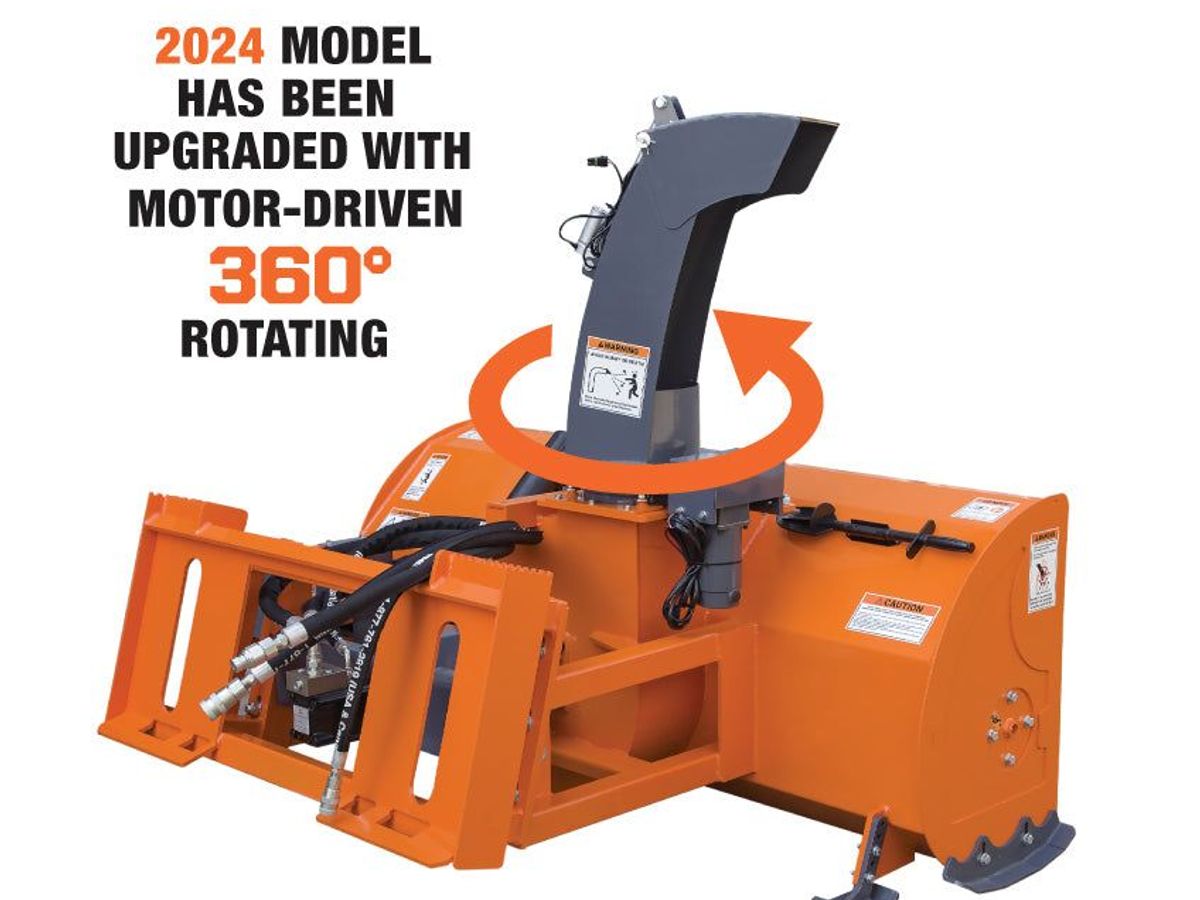
Alright, so let’s break down what makes these bad boys tick. First up, the auger. This is the part that chews through snow like it’s nothing, using these gnarly serrated teeth. Then there’s the impeller, which is like the snow-throwing champ, flinging that snow far away. And don’t forget the chute, which you can spin around to aim where the snow goes. Pretty neat, right?
Now, you might be wondering how all these parts come together to do their thing. Well, it’s pretty straightforward. The auger grabs the snow and pushes it towards the impeller. The impeller then takes over, throwing the snow out through the chute. It’s like having a mini snowstorm in reverse, but you control it.
Choosing the right snow blower for your skid steer is like picking the right tool for the job. You gotta think about how much snow you usually deal with and the type of surfaces you’re clearing. Some models are better for fluffy snow, while others can handle the hard-packed stuff. And if you need more help deciding, check out guides on stump grinders to understand how attachments can vary for different tasks.
Preparing Your Skid Steer for a Snow Blower Attachment
Checking Hydraulic Requirements
First things first, let’s talk hydraulics. Your skid steer needs to have the right hydraulic specs to work with a snow blower attachment. Make sure your skid steer matches the hydraulic flow and pressure required by the blower. This is super important to avoid any hiccups when you’re knee-deep in snow.
Ensuring Proper Mounting Interface
Next up, the mounting interface. You gotta make sure your skid loader snow blower fits snugly onto your skid steer. Check for compatibility with your skid steer model and ensure all connections are solid and secure.
Safety Checks Before Installation
Safety first, folks! Before you even think about hooking up that snow blower, do a thorough safety check. Look over your skid steer and the blower attachment for any wear or damage. Better safe than sorry, right?
Pro Tip: Always double-check your skid steer snow blower attachment setup before heading out. A little prep goes a long way in making sure everything works smoothly when the snow starts falling.
Step-by-Step Guide to Mounting a Snow Blower on Your Skid Steer
First things first, gather your tools. You’ll need a wrench set, a screwdriver, and a hydraulic fluid level checker. Make sure everything is within reach.
Alright, let’s get down to business. Start by aligning your skid steer with the snow blower attachment. Use the quick-tach coupler to connect them securely. Double-check everything is locked in place.
Avoid these rookie errors: not checking hydraulic levels, skipping the alignment step, and forgetting to lock the coupler. Always ensure everything is secure before using the equipment.
Take your time with each step. Rushing can lead to mistakes, and mistakes can be costly. Better safe than sorry!
Operating Your Skid Steer Snow Blower Like a Pro
Mastering Speed and Control
So, you’ve got your skid steer snow blower hooked up, and you’re ready to tackle the snow. First things first, get a feel for the controls. Play around with the speed settings to find what works best for the snow conditions. It’s all about finding that sweet spot where you’re moving fast enough to clear snow efficiently but slow enough to avoid missing spots.
Handling Different Snow Conditions
Snow ain’t just snow, right? You’ve got fluffy stuff, wet slush, and the dreaded ice. Adjust your blower’s settings based on the type of snow you’re dealing with. For light and fluffy snow, you can speed up a bit. But for heavy or wet snow, slow it down to let the blower do its thing without clogging.
Time-Saving Techniques
Want to get the job done quicker? Try these tricks:
- Pattern Planning: Start from the center and work your way out, especially in open areas.
- Multiple Pass Strategy: Do a quick first pass to clear the bulk, then go back for detailed clean-up.
- Work with the Wind: Let the wind help you by blowing snow in the same direction it’s going.
Getting the hang of these techniques will not only save you time but also make your snow clearing efforts way more effective. It’s like having a secret weapon in your winter toolkit.
Maintenance Tips for Your Skid Steer Snow Blower
Regular Inspection Routines
Keeping your snow blower in top shape means giving it a regular once-over. Check the oil levels and inspect the belts and blades before every use. This simple step can save you a world of trouble later.
Replacing Worn Parts
Parts wear out, it’s just a fact of life. Keep an eye on the cutting edges and skid shoes. Swap them out when they start looking rough to keep things running smoothly.
Off-Season Storage Tips
When the snow’s all melted, it’s time to store your blower right. Clean it thoroughly, grease up the moving parts, and keep it somewhere dry. This way, it’ll be ready to roll when winter hits again.
A little maintenance goes a long way. Trust me, taking care of your equipment now means fewer headaches down the road.
Troubleshooting Common Issues with Skid Steer Snow Blowers
Dealing with Hydraulic Problems
Alright, let’s dive into hydraulics. If your snow blower’s acting up, it might be the hydraulics. Check the hydraulic fluid levels first. Low fluid can mess things up, like making the blower sluggish. Also, inspect the hoses for any leaks or cracks. If you spot a leak, it’s time to fix it or call someone who can.
Fixing Chute Blockages
Chute blockages are the worst, right? Snow gets packed in there, and suddenly, nothing’s coming out. To fix it, shut off the machine and clear the blockage with a stick or similar tool. Never use your hands; it’s dangerous. Regularly clear the chute to avoid future jams.
When to Call a Professional
Sometimes, you just gotta admit defeat. If you’ve tried everything and your snow blower still isn’t working, it might be time to call a pro. Professionals have the tools and know-how to fix complex issues. Don’t wait too long and risk making the problem worse.
Safety Tips for Using a Skid Steer Snow Blower
Pre-Operation Safety Checks
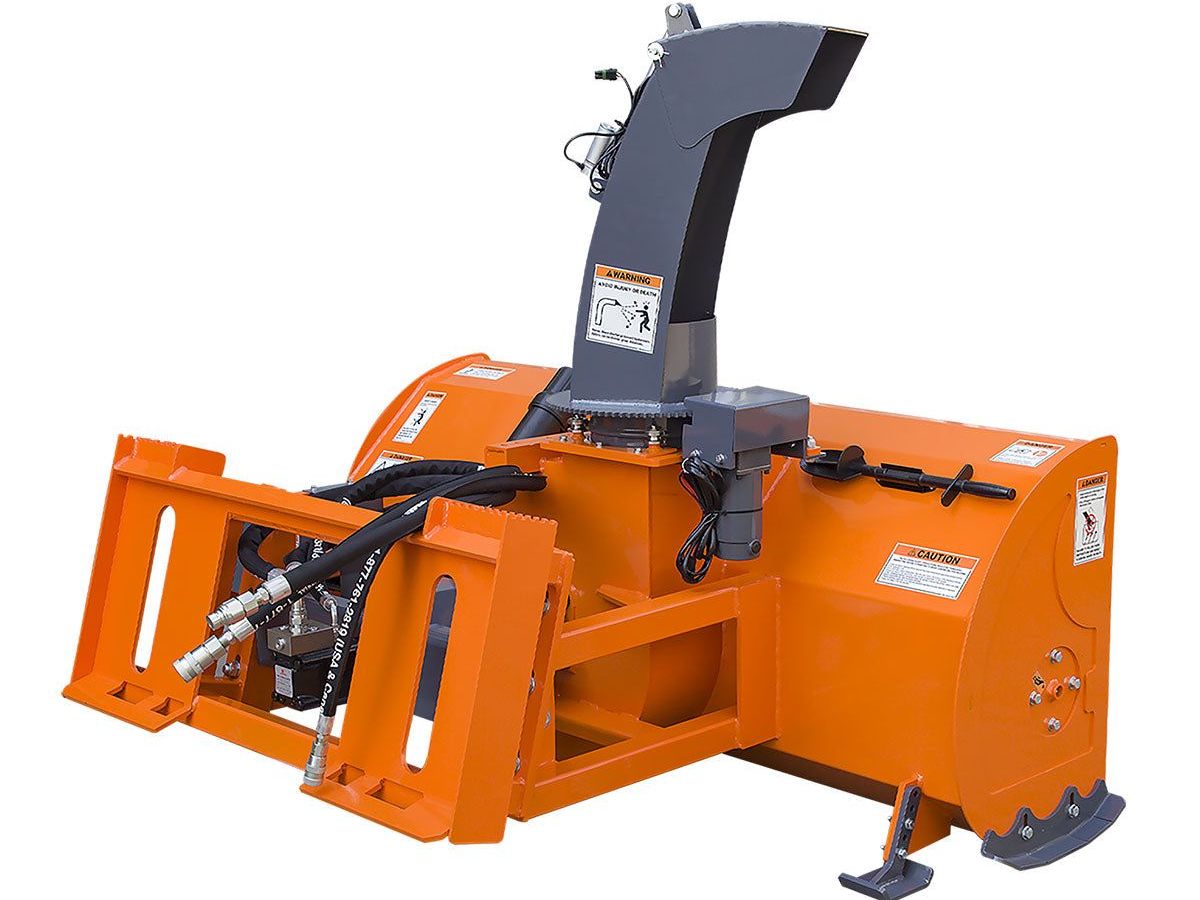
Before you even think about starting up your skid steer snow blower, give it a good once-over. Check those cutting edges and make sure all the hydraulic connections are tight. Verify that the chute rotation works smoothly—you don’t want any surprises once you’re out in the snow.
Operating in Low Visibility
Snowstorms can mess with your visibility big time, so it’s key to keep your lights on and your windshield clear. If you can’t see, you can’t work safely, and that’s a recipe for disaster.
Keeping Bystanders Safe
When you’re blowing snow, keep folks at a safe distance. Snow and debris can fly out fast, and you don’t want anyone getting hurt. Make sure the area is clear before you start working.
Safety first, always. It’s better to take a few extra minutes checking everything than to rush and end up with a problem. Stay alert and stay safe out there.
Maximizing the Lifespan of Your Skid Steer Snow Blower
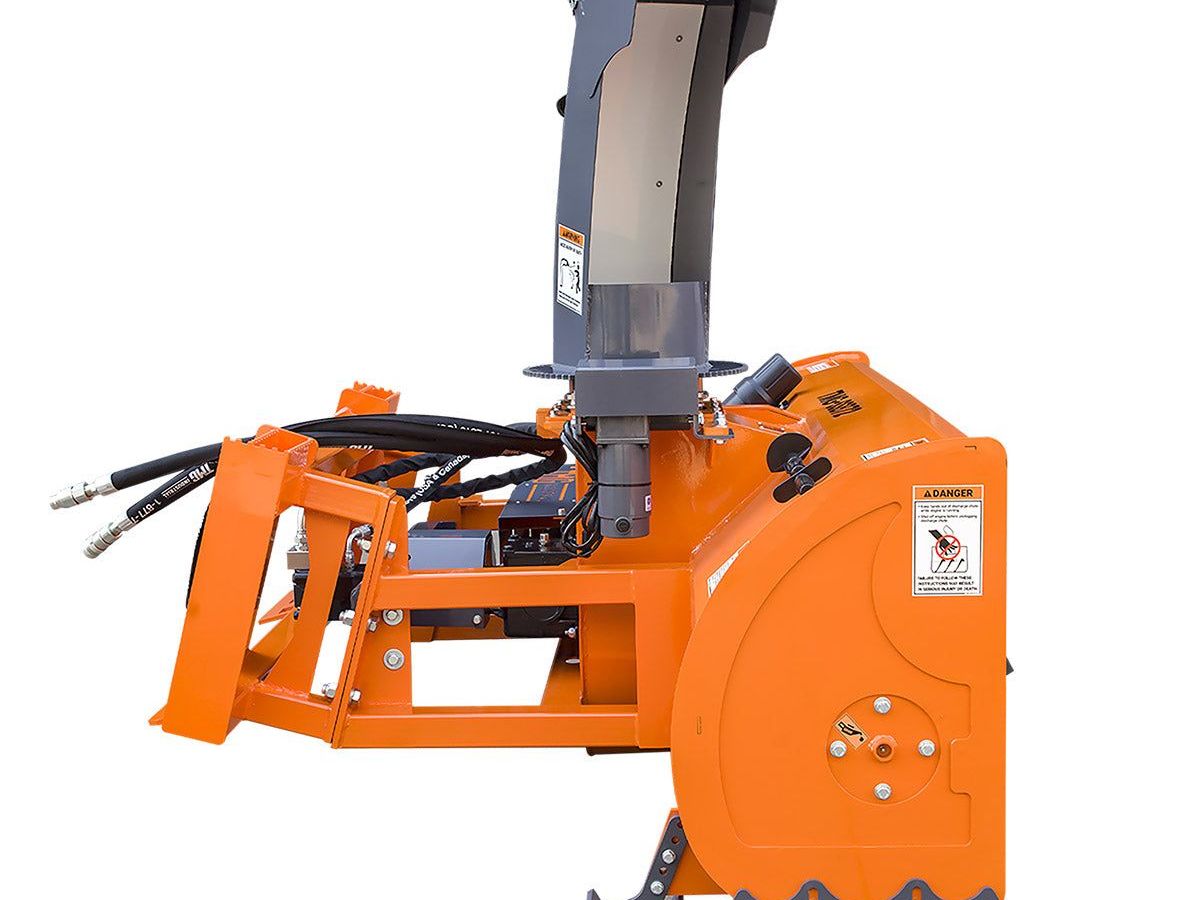
Using your skid steer snow blower the right way is key. Always keep the speed steady, and avoid overloading it with too much snow at once. Gentle use means longer life.
Pushing your snow blower to its limits can shorten its life. Give it a break during heavy use. This helps prevent unnecessary wear and tear.
Regular maintenance is your best friend. Clean it after each use and check for worn parts. Store it in a dry place when not in use to avoid rust.
Taking care of your snow blower isn’t just about keeping it running; it’s about making sure it lasts through many winters. A little effort now saves a lot of hassle later.
Advanced Techniques for Commercial Snow Removal
Pattern Planning for Large Areas
When tackling big spaces, starting from the center and working outward can be a real game-changer. It’s like mowing a lawn but way colder and snowier. Always plan your disposal zones ahead of time so you don’t end up with snow piles in awkward spots.
Using Multiple Pass Strategies
Don’t just go over the snow once and call it a day. Try a multi-pass approach. First pass clears the bulk, the second cleans up the edges, and the final pass is for detailing. It’s like cleaning your room – you gotta do it in stages.
Integrating with Other Equipment
Mixing and matching gear can save you loads of time. Pair your skid steer with a plow or salt spreader to get more done in one go. Think of it as a snow-fighting combo move.
Sometimes, the best way to handle snow is to team up your tools. A skid steer with a snow blower and a salt spreader is like having a snow-fighting dream team. It makes clearing big areas way easier and faster.
And there you have it, some pro tips to make snow removal less of a chore. Keep these tricks up your sleeve, and you’ll be clearing snow like a boss in no time.
Choosing the Right Accessories for Your Snow Blower
Types of Skid Shoes
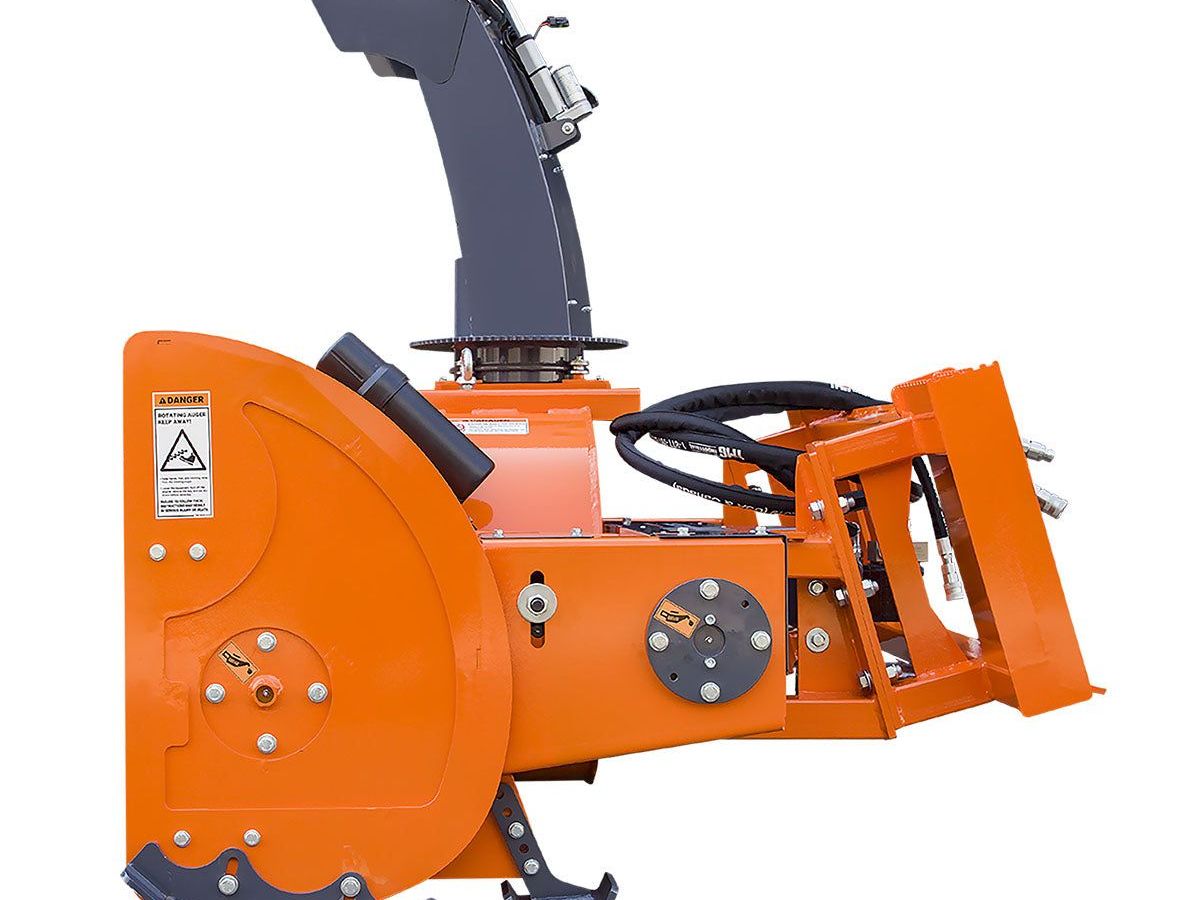
Alright, let’s talk skid shoes. These little guys are all about keeping your snow blower from scraping the ground. You want to pick the right type for your surface. For gravel, go for adjustable ones. On concrete, fixed might do the trick.
Selecting the Best Cutting Edge
Next up, cutting edges. These are the blades that slice through the snow. Think about what you’re dealing with—ice, slush, or just fluffy snow. Steel edges are tough, but poly edges are gentler on surfaces.
Enhancing Performance with Add-Ons
Now, let’s boost that performance with some add-ons. Consider drift cutters if you face big snow drifts. Tire chains can help with traction. And don’t forget about a cab enclosure to keep you nice and dry.
Picking the right accessories isn’t just about making your snow blower work better; it’s about making your life easier during those harsh winter months.
When it comes to snow blowers, picking the right accessories can make a big difference in how well your machine works. Whether you need extra blades or a better chute, the right tools can help you clear snow faster and easier. Don’t wait until the snow piles up! Visit our website today to explore the best accessories for your snow blower and keep your winter worries at bay!
Wrapping It Up: Your Go-To Guide for Snow Blowers on Skid Steers
So there you have it! Mounting a snow blower on your skid steer can really change the game when winter hits. With the right setup and some practice, you’ll be clearing snow like a pro in no time. Remember, it’s all about knowing your machine and using it wisely. Keep up with maintenance, follow safety tips, and you’ll keep your equipment running smoothly for years to come. Don’t let snow slow you down—get out there and tackle it head-on!
Frequently Asked Questions
What is a skid steer snow blower?
A skid steer snow blower is an attachment for skid steers that helps clear snow quickly and efficiently.
How do I choose the right skid steer snow blower?
Look for a snow blower that matches your skid steer’s horsepower and meets your snow clearing needs.
What maintenance does a skid steer snow blower need?
Regularly check the blades, hydraulic system, and overall condition. Clean it after use to prevent rust.
Can I use a skid steer snow blower on gravel?
Yes, but adjust the height of the skid shoes to avoid damaging the surface.
How do I attach the snow blower to my skid steer?
Align the attachment with the mounting plate, secure it, and connect the hydraulic lines.
What safety checks should I do before using a skid steer snow blower?
Inspect the attachment, check hydraulic connections, and ensure you have a clear area to work.
Is it hard to operate a skid steer snow blower?
No, with some practice, you can learn to operate it effectively and safely.
What should I do if the snow blower gets clogged?
Stop the machine and clear the blockage carefully, following safety procedures.