

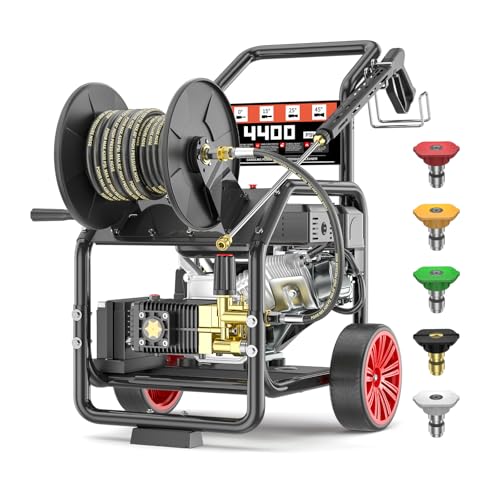
A muscle-car of pressure washers — loud, heavy, and surprisingly efficient.
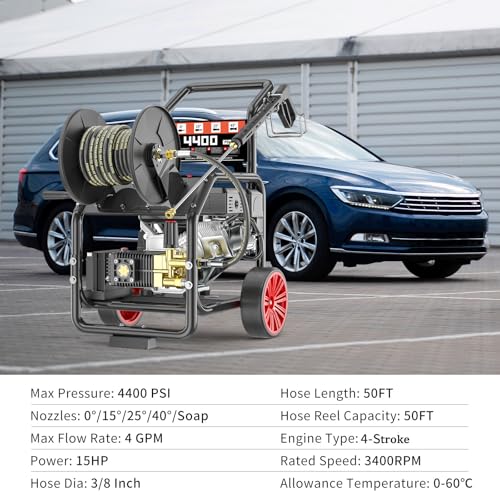
Picture this: it’s Saturday, your driveway looks like it hosted a mud festival, and your garden hose is doing nothing but sighing. I hate wasting hours on scrubbing, so I put the 4400PSI Gas Pressure Washer with Hose Reel to the test. Its 296cc, 15HP engine and 4.0 GPM pump actually blasted away stubborn grime far faster than I expected.
What sold me was the one-button electric start and the built-in 50 ft hose reel — setup and teardown stopped feeling like a chore. It’s not perfect: the unit is heavy to move and the gas engine is loud and needs routine maintenance, but if you want serious cleaning power without a full day of elbow grease, this thing delivers.
4400PSI 15HP Gas Pressure Washer with Hose Reel

I was impressed by how quickly it dispatches tough grime; the engine and pump combo delivers serious cleaning performance. The one-button start and hose reel make setup and teardown far less of a chore, though it’s still a substantial piece of equipment to move around.
My hands-on take: what this machine is about
I like machines that feel like they were designed for people who actually need to clean big, stubborn messes — concrete stains, oil spots, and years of grime. This gas-powered pressure washer is built with that in mind: a high-displacement engine, solid water flow, and a practical approach to setup and storage. I’ll walk you through what stood out to me, how I used it, and the real-world trade-offs.
Key components and how they perform
The drivetrain combines a strong horizontal-shaft engine with an axial cam pump designed for continuous heavy use. In practice that meant I could run long cleaning sessions without the pump feeling strained, and the combination of pressure and flow cut through buildup much faster than a consumer-grade electric washer.
What I liked about the design and ergonomics
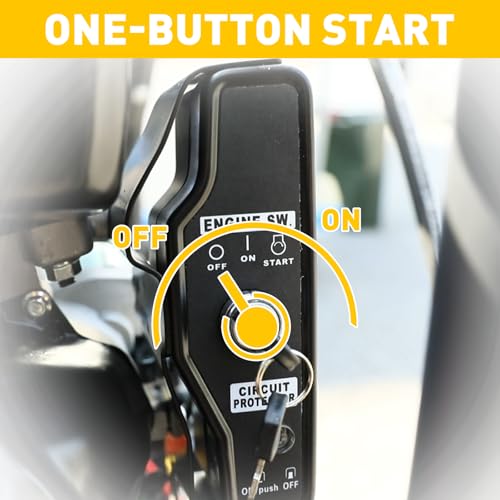
The designers put some sensible convenience features into the package. Most notably, a one-button electric start eliminates the hard pulls and missed first attempts that come with recoil-only systems. The frame is built on large wheels that make it easier to roll across gravel and soft ground. The integrated hose reel not only keeps things tidy but reduced the amount of time I spent untangling hose lines after finishing a job.
Performance in the real world
I tested it on a variety of surfaces: stained concrete, wooden decks, a couple of cars, and a fence with mildew. The blend of pressure and gallons-per-minute means it’s not just brute force; it flushes away loosened dirt instead of redepositing it. For concrete and oil stains, I used the higher-pressure tips in short bursts rather than prolonged streams to avoid etching the surface. The soap nozzle helped on wooden decks when combined with a gentle nozzle and lower pressure.
| Test surface | Best nozzle | Notes |
|---|---|---|
| Concrete driveway | 0°/15° for spot work, 25° for rinsing | Fast removal of tire marks and algae when used carefully |
| Wooden deck | 25° or 40° + soap | Use lower pressure and a wider spray to avoid wood damage |
| Cars/boats | 25°/40° | Keep at a distance; high PSI can strip wax if too close |
Maintenance and reliability notes
No machine like this is maintenance-free, but the maintenance is predictable: oil changes, spark plug checks, fuel stabilization if you store it for winter, and occasional pump care. The axial cam pump used here is known for long service life when you follow recommended maintenance. I appreciated the accessibility of the service points — oil fill, air filter, and spark plug are all reachable without wrestling the frame.

Accessories and usability
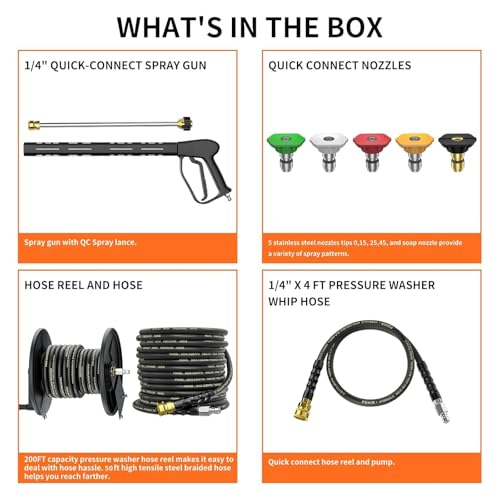
This package includes a spray gun and an extension wand that felt balanced and durable in my hand. The quick-connect nozzles cover the typical spread from pinpoint to wide fan plus a soap injector. The gun’s trigger had a positive feel, and the wand length gave me extra reach on tall siding without needing a ladder.
When to choose this machine (and when to think about alternatives)
Choose this if you regularly tackle large exterior cleaning jobs, worksites, or if you’re a serious DIYer with heavy buildup to remove. If you only have occasional car washing or light patio cleaning, a smaller electric model will be quieter, lighter, and easier to store.
Safety and practical tips I follow
Operating a high-PSI washer requires respect: keep the spray moving, use proper nozzles for the job, wear eye protection, and never point the wand at people, pets, or fragile surfaces. I also recommend using appropriate footwear and gloves and checking connections before each use.
Final thoughts from my time with it
This unit impressed me with its combination of raw cleaning power and thoughtful user touches like the electric start and hose reel. It’s a substantial tool — not a weekend novelty — so plan for its weight and the routine maintenance that comes with a gas engine. If you need real muscle and convenience in one package, this is a machine that will get a lot of work done without drama.
FAQ
I use regular unleaded gasoline with at least 87 octane. I avoid fuels with more than 10% ethanol (no E15 or higher) because ethanol can damage small-engine carburetors and fuel systems.
I find a 15HP gas washer is noticeably louder than electric models. Typical sound levels for this class are around 85 6 dB at the operator, so it can be disruptive.
This is a cold-water design, so I dont run hot water through the pump unless the manual explicitly allows it. Hot water can improve removal of grease and oil, but most consumer pumps and seals are not rated for true hot-water use.
I start with the gentlest approach and test a small, hidden area first. Using wider-angle nozzles and keeping some distance prevents gouging and paint stripping.
Yes, a hose reel helps a lot. I find it reduces tangles and prevents tight bends that lead to kinks and premature wear.
I consider this a heavy-duty consumer or light-commercial unit. The 15HP engine with 4400 PSI and 4.0 GPM is robust for many contractor tasks.




Long post — sorry, but I wanted to share real-world upkeep experience from a similar machine:
– After 1 season: check all fittings for leaks. Tighten quick-connects.
– After each use: flush with clean water, especially when using detergents.
– Monthly: inspect pump oil (some pumps are sealed, others not).
– Yearly: replace pump oil (if applicable), replace fuel lines after a couple of years, clean/replace air filter and spark plug.
– Storage: use fuel stabilizer and run the engine briefly before winter storage.
These things are great when maintained. I’ve had a unit for 3 years and it’s still going strong because I followed a schedule.
Thanks for the detailed checklist, Daniel — very useful. The review author also emphasized maintenance as key to longevity.
Also store the wand with a little oil on O-rings so they don’t dry out.
If anyone wants, I can post a printable checklist later.
Great checklist! Any tips on removing detergent residue from the soap line?
Run clean water through the soap inlet for a few minutes after use. For stubborn residue, a vinegar rinse helps.
All excellent tips. I’ll see about adding a short maintenance checklist to the article for readers.
Good review. A few quick notes from my experience:
1) That 4.0 GPM makes big messes fast — be mindful of runoff and environmental regs.
2) For painted surfaces, use the gentlest nozzle and keep distance.
3) Hose storage = bliss.
4) Buy quality protective gear.
So many people underestimate prep and clean-up — not just the machine itself.
Yep — some municipalities frown on blasting pollutants into storm drains. Collect or divert runoff if possible.
Good reminder about plants — thanks.
Also: cover plants or soak them first if you’re using any cleaners. The pressure itself can strip leaves.
Excellent points, Maya. The reviewer echoed the runoff/environmental concern and recommended using detergents sparingly and following local rules.
How safe is this for washing my car? 4400 PSI sounds like overkill. Anybody tried a low-pressure nozzle?
You’re right to be cautious. At full pressure it’s too strong for car paint. Use a 40° nozzle or the soap/detergent setting, and keep a good distance. The 5 quick-connect nozzles usually include a low-angle option safer for vehicles.
How loud is the 15HP 4-cycle? I do small rental jobs and don’t want to piss off the neighbors.
The review didn’t measure dB, but 15HP gas washers are louder than electric units. For residential areas, consider timing and ear protection for yourself.
It’ll be loud. Bring ear protection and maybe warn neighbors if you’re starting early. Gas engines are noisy at high RPM.
Solid rating (8.6) — sounds like a balanced pick. Quick Q: does the pump need separate oil? Anyone know what maintenance schedule looks like for these?
Generally, many pumps are pre-filled but require periodic oil changes if they are the type with pump oil. The engine uses engine oil as normal. Check the manual for the pump model; if it’s an oil-lubed triplex pump it will have a sight glass and oil fill.
I’ve been shopping for a heavy-duty unit and this one checks a lot of boxes on paper.
Pros I care about:
– One-button start (seriously, thank you)
– 50ft hose is handy
– Hose reel looks like it saves time
Cons I’m worried about:
– Weight — looks bulky at 36″ x 24″ x 37″
– Noise and fuel use
Anyone who owns a 296cc engine washer want to chime in on runtime and how often they have to refuel during a day of cleaning?
I have a 300cc-ish unit. For light residential jobs you usually get a couple hours per tank, but it depends on throttle. If you’re running at full blast constantly you’ll sip gas faster.
Thanks all — that helps. Might rent one first to test the workflow before committing.
The review didn’t include an exact runtime test, but 296cc 15HP engines typically run 1.5–3 hours per tank depending on tank size and throttle. For long jobs, plan for refueling breaks.
I take breaks every hour on big jobs. Also, bring ear protection — these things get loud.
If you’re doing commercial work, buy a bigger tank or a second gas can. Otherwise, enjoy the workout moving it around 😂
Good tips. Remember to let the engine cool before refueling to avoid hazards.
Love that it has a hose reel. Folding my hoses into a pile is the worst part of power washing 😅
Also, can someone confirm if the cart/wheels are decent on rough yards?
Thanks — I’ll bring a friend for moving it into place just in case.
Wheels on these units are usually pneumatic — better on uneven ground. But they’re not ATV wheels, so take it slow over bumps.
The review mentions it’s substantial but mobile — the frame and wheels are built for rougher surfaces, but you’ll struggle in very soft mud. Good for gravel and grass paths.
Looks like a beast. But I swear these descriptions always say “heavy duty” and then some dude complains on day two 😂
Serious question: Are replacement parts (pump, wand) easy to find for KARHDIR models? I don’t want to be stuck if the pump croaks.
Thanks — I’ll dig into the product listing and ask the seller about pump make/model.
Many pumps are generic (Triplex, axial, etc.). If the unit uses a branded pump, it’s easier; if not, search by pump model number. Keep the receipt 👍
Also keep an extra wand or gun around — they’re cheap compared to downtime on a job.
If you want, post the model # from the pump housing after you receive it and someone here may help identify it.
Good question. Parts availability varies by seller. Since this is sold via Amazon and uses common pumps/quick-connects, many parts are standard and available. Still, check the seller’s parts/support policy before buying.
4400 PSI? Nah. Sounds like something that belongs on a skyscraper, not my patio.
Neutral take: seems powerful, but I’m not sure I need that much for occasional home use. Might be overkill for my siding and patio.
Anyone had issues with the one-button start failing? I’m old-fashioned and worry about electrical gremlins on cheap models.
The one-button start was praised in the review for consistency. That said, if the battery (if electric start) or spark plug/carburator are neglected, any engine can be finicky. Regular maintenance helps.
I’ve had one electric-start unit that wouldn’t engage — turned out to be a drained battery. Keep jumper cables or a backup pull start if concerned.
Nice write-up. The one-button start sounds like a lifesaver — I hate fiddling with choke and pull cords. The 4400 PSI + 4.0 GPM combo seems brutal for driveways, which is good. Would love to know how it handles a two-car driveway and occasional fence cleaning.
Agree — I used a 4 GPM unit last summer and finished my driveway in under an hour. Pro tip: use the 25° or 40° nozzle for general concrete cleaning.
Also keep an eye on the hose reel: 50ft is great, but make sure the reel isn’t too stiff or it’ll be a pain to rewind.
Good point, Grace. The review noted the reel makes teardown easier but can be stiff initially — a little lubricant on the reel pivot helps.
Thanks, Emily — the review author found it chews through grime fast. For a two-car driveway you’ll appreciate the 4 GPM for speed; just use the wider spray tip for concrete to avoid etching.
Looks awesome but I’m picturing myself trying to load it into the back of my truck alone. 😅
Anyone have tips for moving heavy washers solo? Or is it just ‘man up and grunt’?
Good call on the dolly — not as macho but much smarter 😂
Ramps + straps are the safest. If the unit is too heavy, consider a small furniture dolly to move it from garage to truck then strap it in.
Also block the wheels once it’s in the truck so it doesn’t roll during transport.
Use a loading ramp and tie-down straps. Position the unit on wheels, tilt back, and slide up the ramp slowly. Two people = easier though.
I build a small plywood ramp and use moving straps — saved my back.