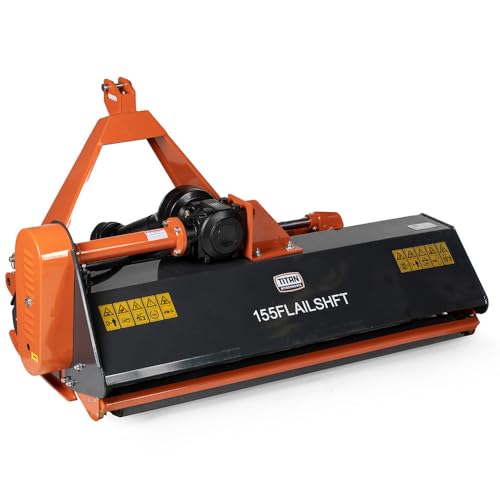
I remember the first time I saw a drum plug aerator in action. The transformation it brought to my neighbor’s compacted, struggling lawn was nothing short of amazing.
Your lawn is literally gasping for air right now, and you might not even know it.
Think about it – every time you walk on your lawn, drive over it, or let your kids play on it, you’re compressing the soil underneath. This compression creates a barrier that blocks water, nutrients, and oxygen from reaching the roots.
I’ve spent years helping property owners revive their lawns, and I’ve discovered that a drum plug aerator is often the game-changing tool they’ve been missing.

Key Takeaways
- A drum plug aerator helps reduce soil compaction by removing small plugs of soil.
- Aeration improves water absorption and promotes strong root growth.
- Timing your aeration is crucial for the best results, ideally during peak grass growth periods.
- Regular maintenance of your aerator ensures it works efficiently when you need it.
- Aeration can have positive effects on the environment by promoting healthy soil and reducing water usage.
Why Your Lawn Deserves a Drum Plug Aerator
Understanding Soil Compaction
Ever walked across your lawn and felt like you’re walking on a brick? That’s soil compaction for you. It’s like your grass is wearing a straightjacket.
A drum plug lawn aerator is your lawn’s best buddy here. It pokes holes in the ground, letting the soil breathe. Think of it like giving your lawn a deep tissue massage.
Benefits of Aeration
Aeration is like a magic trick for your lawn. It helps water, nutrients, and air reach the roots. This means healthier grass that looks lush and green.
Plus, it helps break down thatch and reduces soil compaction. In short, a lawn drum plug aerator is what your grass needs to thrive.
Signs Your Lawn Needs Aeration
How do you know if your lawn is crying out for help? Look for these signs:
- Water puddles up after a rain.
- Grass looks thin and patchy.
- The soil feels hard when you poke it with a stick.
If your lawn’s not looking its best, a drum plug aerator could be the answer. It’s like giving your grass a breath of fresh air.
Using a drum plug lawn aerator can be a game-changer for your yard. It’s not just about making it look good, but keeping it healthy too.
How Drum Plug Aerators Work Their Magic

The Science Behind Aeration
Alright, let’s get into the science part. A drum plug aerator, like the ones you can pull behind a tractor, works by pulling out small plugs of soil.
This is called core aeration. Why does this matter? Well, it opens up space for air, water, and nutrients to reach the grassroots.
Imagine your lawn breathing a sigh of relief. It’s like giving your lawn a deep tissue massage.
Core vs. Spike Aeration
Now, you might have heard of spike aeration too. So, what’s the difference? Core aeration removes plugs, while spike aeration just pokes holes.
Removing plugs is better because it relieves soil compaction more effectively. Think of it like this: a plug drum aerator is like a dentist cleaning your teeth, while spike aeration is just flossing.
Both are good, but one digs deeper.
Impact on Grass Health
Using a drum plug aerator can transform your lawn’s health. With better access to nutrients and water, your grass grows stronger and greener.
It’s like feeding your lawn a vitamin boost. Plus, it helps reduce thatch buildup, which is like a layer of dead grass that chokes your lawn.
So, if you’re looking for a drum plug aerator for sale, remember it’s a long-term investment in your lawn’s health.
A healthy lawn isn’t just about looks; it’s about creating a thriving ecosystem right in your backyard. And with a pull behind drum plug aerator, you’re not just maintaining your lawn—you’re giving it a chance to flourish.
Choosing the Right Drum Plug Aerator for Your Lawn

Residential vs. Commercial Models
So, you’re thinking about getting a drum plug aerator, huh? First thing to decide is whether you need a residential or commercial model.
For most home lawns, a residential model does the trick—it’s smaller and easier to handle. But if you’re dealing with a huge space or plan to use it for business, go for a commercial one.
They’re built tougher and can handle more wear and tear.
Key Features to Look For
When picking an aerator, you gotta look at the features. Check if it has adjustable penetration depth.
This lets you tweak how deep those plugs go, which is handy depending on your soil. Another thing is the weight.
A heavier aerator usually means better soil penetration. And don’t forget about the compatibility with your tractor if you have one.
Budget Considerations
Alright, let’s talk money. Aerators come in all shapes and sizes, and prices too. You don’t wanna blow your budget on something with features you won’t use.
Think about how often you’ll use it and what your lawn really needs. Sometimes renting can be a smart move if you only need it once in a while. Keep it simple and practical.
Timing is Everything: When to Aerate Your Lawn

Best Seasons for Aeration
Okay, so let’s talk about timing. Aeration isn’t just a random chore; it’s got its own perfect seasons. For cool-season grasses, early fall is the sweet spot.
The temperatures are just right, and the grass has time to heal before the winter chill. If you’ve got warm-season grass, late spring to early summer is your go-to.
The grass is growing like crazy, which means it’ll bounce back faster from all those little holes you’re poking in it.
Weather Conditions to Consider
Weather plays a big role in how well your aeration goes. You want the soil to be moist, but not soaking wet.
Think of it like this: if you can easily stick a screwdriver into the ground without making a mud pie, you’re good to go.
Avoid doing it when the ground’s bone dry or super soggy. Also, keep an eye on the forecast. You don’t want to aerate just before a big storm or during a heatwave.
Frequency of Aeration
Now, how often should you be doing this whole aeration thing? Once a year is usually enough for most lawns, especially if your soil’s not too compacted.
But if your lawn’s the neighborhood playground, you might need to do it twice a year. The key is to watch how your grass is growing and adjust as needed.
If it seems like it’s struggling, it might be time to bring out the aerator again.
Preparing Your Lawn for Aeration Day
Alright, folks, before you go all in with that aerator, let’s get your lawn ready. First off, mow your lawn a bit shorter than usual.
This helps the aerator do its thing without getting tangled up in long grass. Next, if you’ve got leaves or debris lying around, rake ’em up.
Clean slate, right? And if you’ve got any stubborn spots, maybe give them a bit of a water sprinkle, but don’t go overboard.
Okay, here’s the deal with soil moisture: you want it just right. Not too dry, not too soggy. An easy trick? Grab a screwdriver and poke it into the ground.
If it slides in smoothly but doesn’t make your shoes a mud bath, you’re golden. Moist soil makes the aeration process a breeze, so keep an eye on that.
Safety first, always. Before you fire up that aerator, check for any hidden obstacles like rocks or sprinkler heads that might cause a hiccup.
Wear some sturdy shoes and gloves—you don’t want any mishaps. And if you’re using a machine, make sure you know how to handle it, or get someone who does. Better safe than sorry, right?
Getting your lawn prepped for aeration is like prepping for a big game. You want everything in place so you can score big with a healthy, lush lawn. Take your time with these steps, and your lawn will thank you later.
Mastering the Aeration Process
Step-by-Step Aeration Guide
Alright, let’s dive into this. First thing, get your drum plug aerator ready. Make sure it’s clean and all parts are in good shape.
Check the plugs – they gotta be sharp and intact. Now, start your aerator and move it slowly over your lawn.
Overlap your paths a bit to make sure you cover everything. Don’t rush it, let the machine do its thing.
Common Mistakes to Avoid
I’ve messed up a few times, so learn from me! Don’t aerate when the soil is bone dry or too soggy. You want it just right, like Goldilocks.
Avoid going too fast, or you’ll miss spots. Lastly, don’t skip maintenance on your aerator. It needs love too!
Post-Aeration Lawn Care
After aerating, your lawn looks like a mess, but it’s a good mess. Leave the soil plugs where they fall; they’ll break down and feed your lawn.
Water your grass lightly to help it recover. And hey, this is a great time to add some fertilizer or overseed if needed. Your lawn will thank you later.
Aerating is like giving your lawn a breath of fresh air. It’s not just about poking holes; it’s about setting up your grass for success. Keep it simple, don’t overthink it, and your lawn will be the envy of the block.
Maintaining Your Drum Plug Aerator
Cleaning and Storage Tips
Keeping your drum plug aerator in top shape is like keeping your car clean. After every use, make sure to wash off dirt and grass.
If you let it sit, it can rust or clog. Dry it well before storing, or you’ll regret it next season.
Replacing Worn-Out Plugs
Just like tires, the plugs on your aerator wear out. Check them regularly. If they’re looking dull or chipped, it’s time for a change.
You don’t want to be halfway through aerating and realize you need new plugs.
Troubleshooting Common Issues
So, the aerator’s not working right? First, check the plugs. If they’re fine, look at the drum. Sometimes dirt gets stuck.
If all else fails, consult the manual or call a pro. Don’t let a small issue turn into a big headache.
Real-Life Success Stories with Drum Plug Aerators
Before and After Transformations
So, I gotta tell you about my buddy Jake’s lawn. It was a total disaster, like a patchy green mess. Jake tried everything, but nothing worked.
Then he got himself a drum plug aerator. Man, the change was unreal! His lawn went from sad to lush in just a few weeks. It’s like the grass just woke up and decided to party.
Testimonials from Happy Homeowners
I’ve heard from folks who swear by these things. One guy, Tom, said, “It’s like my lawn could finally breathe again.”
Another person, Lisa, mentioned how her backyard became the envy of the neighborhood. They all agree, using a plug aerator really makes a difference.
Expert Tips from Lawn Care Professionals
Here’s a little secret I picked up: Timing is everything. The pros say to aerate when the soil is moist but not soaked.
Also, make sure you go over the lawn in different directions to really get those plugs out.
“Your lawn is like your skin. It needs to breathe, and aeration is the way to do it.” That’s what my lawn guy always says.
Honestly, seeing these results makes me want to grab an aerator and get to work. If Jake can do it, so can you!
The Environmental Impact of Lawn Aeration
Reducing Water Usage
Aerating your lawn can seriously cut down on water waste. By poking holes in the soil, water gets where it needs to go, instead of just running off.
Less water runoff means more water for your grass and less for your water bill. It’s like giving your lawn a big drink without wasting a drop.
Promoting Healthy Soil
Healthy soil is like a happy home for your grass. Aeration helps break up compacted soil, letting air and nutrients in.
This makes the soil more fertile and ready to support lush growth. It’s like giving your lawn a breath of fresh air, literally!
Supporting Local Ecosystems
When your lawn is healthy, everything around it thrives too. Aeration supports micro-organisms in the soil, which are crucial for breaking down organic matter.
This means your lawn isn’t just pretty to look at, but it’s also a small ecosystem that supports local wildlife. It’s a win-win for you and nature!
Frequently Asked Questions About Drum Plug Aerators
How Often Should I Aerate?
So, you’re wondering how often to aerate, huh? Well, it kinda depends on your lawn’s condition. If your lawn feels like concrete, maybe twice a year is the way to go.
But for most lawns, once a year is usually enough. Spring or fall is ideal, when the grass is growing like crazy.
Can I Rent an Aerator?
Renting an aerator is actually a pretty smart move if you don’t want to buy one. Most garden centers or equipment rental places have them.
Just make sure you know how to use it before you leave the store. Trust me, it’s not as easy as it looks.
What Size Aerator Do I Need?
Picking the right size aerator is key. For small lawns, a smaller model will do just fine. But if you’re dealing with a larger area, you might want to go bigger.
A 50-inch model is a sweet spot for most residential lawns. Bigger isn’t always better, but it sure saves time.
Getting the right size is like choosing the right tool for a job. Too small, and you’re working all day; too big, and you might end up causing more harm than good.
Innovations in Drum Plug Aerator Technology
Latest Features and Upgrades
So, what’s new with drum plug aerators? Well, let me tell you, there’s a lot going on! Modern models are now boasting features like adjustable plug depths and more efficient coring mechanisms.
This means you can tackle even the toughest patches of soil without breaking a sweat.
Plus, some models are now equipped with smart sensors that adapt to soil conditions on the fly. Talk about high-tech lawn care!
Smart Aeration Tools
Okay, let’s get into the smart stuff. Imagine having a Drum Plug Aerator compatible with Category 1 tractor that syncs with your smartphone.
Yep, it’s happening! These smart aerators can give you real-time feedback on soil conditions and even suggest the best times to aerate. It’s like having a lawn care pro in your pocket.
Future Trends in Lawn Care
What’s next for lawn care enthusiasts? Expect to see more eco-friendly designs and energy-efficient models.
The focus is shifting towards reducing carbon footprints while keeping lawns lush and green.
Also, innovations like the Drum Plug Aerator compatible with Category 2 tractor are making it easier for everyone to maintain their lawns without needing a degree in horticulture.
Lawn care is getting smarter every day, and it’s about time we embrace these innovations. Keep an eye out for these trends, and your lawn will thank you!

Wrapping It Up: Your Lawn’s New Best Friend
So there you have it! A drum plug aerator can really change the game for your lawn. By pulling out those little plugs of soil, it helps your grass breathe and drink better.
This means healthier roots and a greener lawn. Remember, timing is key—make sure to aerate when your grass is growing strong.
With a little care and the right tools, your lawn can go from blah to beautiful. So grab that aerator and get to work! Your lawn will thank you.
Frequently Asked Questions About Drum Plug Aerators
How often should I use a drum plug aerator on my lawn?
It’s best to aerate your lawn once a year, ideally during the growing season for your grass type.
Is it possible to rent a drum plug aerator?
Yes, many garden centers and equipment rental shops offer drum plug aerators for rent.
What size drum plug aerator is best for my lawn?
For most residential lawns, a 50-inch aerator works well. Larger lawns may benefit from a wider model.
Can I aerate my lawn myself?
Absolutely! If you have the right equipment and follow the steps carefully, you can aerate your lawn yourself.
What should I do to prepare my lawn before aerating?
Make sure to mow your lawn short, water it a day before, and check for any obstacles.
Will aerating my lawn improve its health?
Yes, aerating helps reduce soil compaction, allowing air, water, and nutrients to reach the roots better.
Can I use a drum plug aerator on all types of grass?
Most types of grass benefit from aeration, but it’s best to check your specific grass type for optimal timing.
How long does it take for my lawn to recover after aeration?
Typically, your lawn will start to recover within a few weeks, especially if you follow up with proper care.