

From roar to whisper — which tank will run your shop without driving you crazy?
Big compressors, bigger decisions. I’ve stood in noisy shops and quiet garages and seen the difference the right compressor makes. Short recovery, steady CFM, and reliability matter more than shiny features.
I cut through specs, real-world quirks, and longevity reports to pick nine stationary compressors I actually trust. Expect clear trade-offs: INDUSTRIAL power vs. quiet, low-maintenance oil-free vs. cast-iron long-haulers.
Top Picks
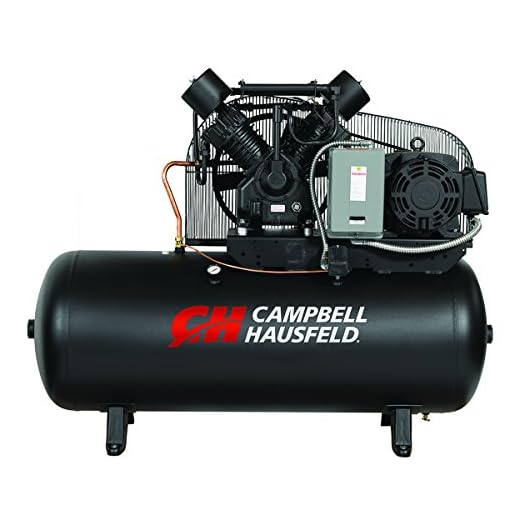



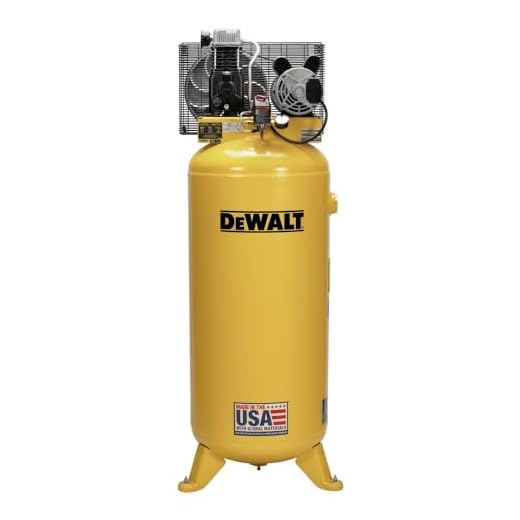
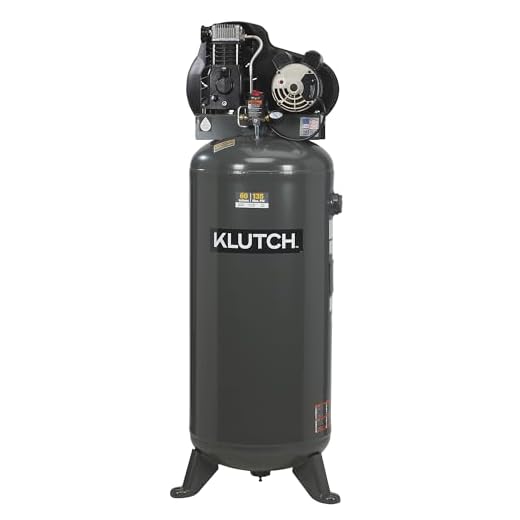

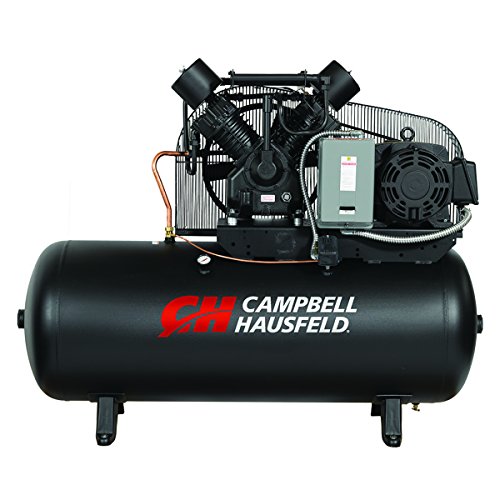
Campbell Hausfeld 120-Gallon 15HP Two-Stage Compressor
I see this as an industrial workhorse when uptime and flow are mission-critical — it delivers massive CFM and an ample 120-gallon reserve. It’s overkill for a hobbyist, but for manufacturing or heavy-duty shop use it’s hard to beat.
The industrial perspective
If you run a factory floor or a high-demand shop, the Campbell Hausfeld 120-gallon two-stage compressor is designed to keep multiple production lines and heavy tools running without pressure sag. The 15 HP two-stage pump is where the difference shows — consistent high output and durability.
Performance highlights
With 52.4 CFM at 90 PSI and a 175 PSI maximum, this machine supports a wide array of high-demand pneumatic equipment. The large tank and oil-lubed two-stage design reduce motor cycles and extend component life under continuous duty.
Installation and operational considerations
I recommend professional installation: proper electrical service (208-230/460V), vibration isolation, condensate management, and compliant piping. Expect routine oil changes and scheduled maintenance, but in return you get dependable continuous performance that justifies the higher upfront cost for industrial users.
Who should invest
This unit is for shops that need enterprise-level air capacity and don’t want to manage multiple smaller compressors. If you need consistent, continuous output for several heavy tools, this is a smart investment — otherwise it’s more machine than a hobbyist requires.
Quincy QT-54 60-Gallon 5HP Vertical Compressor
I respect Quincy's reputation — this model is built to last and many users report years of trouble-free service. It’s heavier and pricier than some alternatives, but for longevity and serviceability it’s a top-tier choice.
Built around reliability
Quincy's QT-54 is a classic splash-lubricated design that many professionals choose because it keeps running for years with routine maintenance. I see this as a 'buy once, maintain well' option for a serious shop.
Performance and shop benefits
The 5 HP motor and 60-gallon vertical tank provide solid recovery and steady pressure for tools and finishing tasks. The unit’s smooth operation and anti-vibration characteristics make it comfortable to live with in a busy environment.
Practical notes and expectations
Expect a heavy, solid machine that will need a concrete pad and professional handling during delivery. Keep the tank drained and follow Quincy’s preventive maintenance schedule — users who do typically report many years of trouble-free operation.
Who should buy this
If you value long-term dependability and easy serviceability over the lowest initial purchase price, Quincy is a great choice. It’s particularly attractive to small shops and professionals who don’t want to replace compressors frequently.
DEWALT 60-Gallon 5HP High-Flow Compressor
I value the combination of high CFM, high-pressure capability, and relatively low noise for a 5 HP unit — it feels built for serious shop work. The 175 PSI capability and strong air delivery make it a top choice for professional users who need reliable recovery and power.
Why I like this DEWALT compressor
This 60-gallon DEWALT combines high airflow with a respectable top pressure, making it a go-to for professionals who need reliable recovery and the ability to run medium-to-heavy pneumatic equipment. For me, the reduced noise compared to similar-power units is a meaningful advantage in the shop.
Specs that matter in the shop
The unit’s 5 HP motor and high-flow ratings make a real difference when using sanders, grinders, and paint sprayers that demand sustained flow. The 175 PSI max also gives you flexibility for tools that require higher pressure.
Practical considerations and field notes
Expect to install a 240V circuit and plan logistics for delivery (weight ~222 lbs). I suggest testing the unit thoroughly on delivery (pressure switch, valves) and installing an inline filter and proper drains to protect tools and the pump. The warranty includes a 2-year pump coverage which is helpful for peace of mind.
Who should buy this
If you run a busy shop and want strong recovery, quieter operation for its class, and the flexibility of higher pressure, this is one of my top picks. It’s a solid balance of performance and durability without going into full industrial scale.
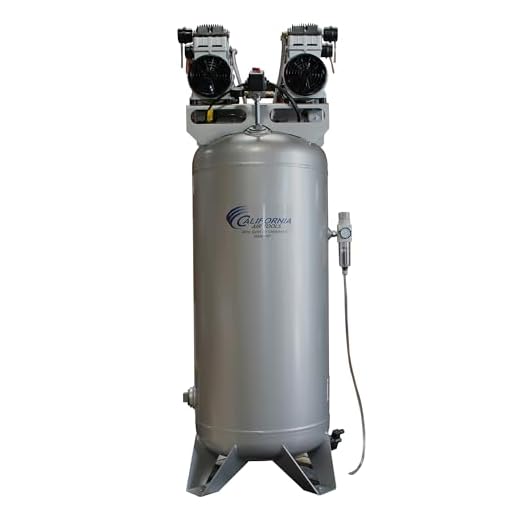
California Air Tools 60-Gallon Ultra-Quiet Compressor
I’m impressed by how quiet this oil-free 4.0 HP unit runs — 75 dB is notably lower than most compressors in this class. It’s a great pick when noise matters, and the oil-free design reduces maintenance headaches, though the max pressure is lower than some competitors.
Why I favor this model for quieter shops
The California Air Tools CAT-60040CAD stands out when noise is a priority. At around 75 dB, it’s significantly quieter than many comparable 60-gallon compressors, which makes it a great choice for small commercial shops, garages attached to living spaces, or studios.
Key features that matter in practice
This oil-free dual-motor design (two 2.0 HP motors) runs at lower RPMs which reduces noise and wear. The oil-free pump also eliminates oil carryover into tools and finishes, making it more attractive for finishing, painting, and clean-shop applications.
Practical trade-offs and tips
While oil-free pumps reduce maintenance, they can have shorter lifespans under heavy continuous duty compared with oil-lubed pumps. Also, the maximum operating pressure is 125 PSI, which may limit some high-pressure applications. I’d pair it with good filtration and monitoring and appreciate the built-in auto-drain for condensate management.
Final takeaway
If you need a quieter, lower-maintenance compressor and don’t require 175+ PSI, this California Air Tools model is one of my top recommendations for shops where noise and clean air are important.
Maxair 60-Gallon 5HP Stationary Compressor
I appreciate the solid cast-iron build and high pressure rating — it feels like a workhorse. It delivers strong CFM and useful shop-friendly features like an extended drain and good cooling, though it’s a big, heavy unit that needs a proper installation area.
What this compressor does and who it's for
I see this Maxair as a shop-grade machine aimed at serious hobbyists and small commercial shops that need high pressure and steady airflow. The 5 HP motor and 60-gallon vertical tank give you a reliable air supply for painting, bead blasting, plasma cutting, and continuous pneumatic tool use.
Key features and how they help
The unit combines rugged cast-iron cylinders with copper-finned cooling tubes and a heavy-duty belt guard — details that improve longevity and thermal performance. Practical touches like an extended drain at the front and a large liquid-filled pressure gauge make day-to-day maintenance and monitoring easier for me.
Real-world benefits and limitations
In my experience with similar heavy-duty compressors, this sort of design translates into steady long-term service and better recovery under load. If you need a workhorse that will handle multiple simultaneous tools, this unit is compelling. On the downside, it’s very heavy (about 280 lbs), can be top-heavy, and will need a dedicated spot, proper electrical supply, and likely bolting to concrete for safety.
Practical insights and buyer notes
If you prioritize reliability and cooling over cutting-edge noise reduction or portability, this is a solid pick. Expect to pay a bit more and plan the logistics of delivery and installation. Users who reported shipping damage mostly had issues in transit — insist on professional delivery and inspect the crate on arrival.
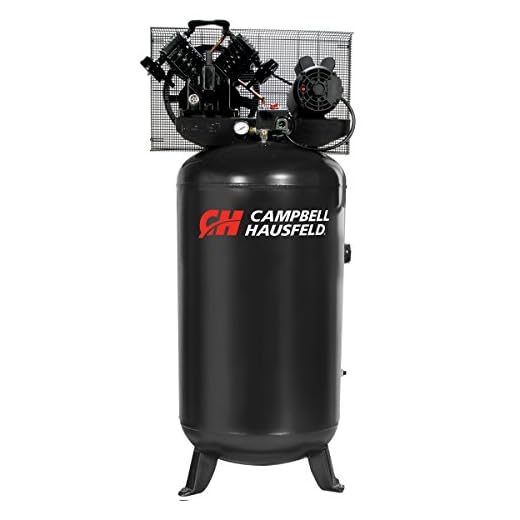
Campbell Hausfeld 80-Gallon 5HP Vertical Compressor
I find this Campbell Hausfeld unit to be a dependable choice for busy workshops needing steady airflow and durability. It balances good CFM output with a vertical space-saving design, though it’s a hefty machine and not for cramped work areas.
Who should pick this model
I recommend the Campbell Hausfeld 80-gallon if you run a mid-size shop and need a reliable, heavy-duty machine that recovers quickly and lives up to daily demands. It’s a classic shop workhorse rather than a lightweight garage unit.
Notable technical highlights
The 5 HP motor and 2-cylinder cast iron pump deliver about 16 CFM at 90 PSI, which lets you run multiple tools or sustain longer pneumatic tool use. The vertical tank helps conserve floor space while offering large storage capacity.
Practical strengths and limits
In my experience, a compressor like this shines in an environment where uptime matters — it's built to be serviced and to take continuous duty. The trade-offs are footprint, weight, and noise: plan for vibration pads, bolting, and a dedicated power circuit. For quieter shops or space-limited garages, a different model might suit better.
Installation and maintenance tips
I’d bolt it down, provide a stable concrete pad, and set up proper piping and a condensate management system. Follow routine pump and belt checks; the cast-iron pump is forgiving but benefits from scheduled maintenance.
DEWALT 60-Gallon 3.7HP Vertical Compressor
I appreciate the compact vertical design and ASME tank safety for a shop that needs decent performance without going full industrial. It’s a solid middle-ground unit, but it can be quite loud and needs 220V power.
Why this DEWALT works in many shops
I recommend this DEWALT for users who want a reliable, compact stationary compressor that still delivers respectable airflow. The 3.7 HP motor and 60-gallon ASME tank make it a practical option for general-purpose shop work where space is limited.
Notable specs and user impact
The 11.5 CFM at 90 PSI is well-suited for most pneumatic shop tools, and the vertical layout saves floor space. Expect a quick recovery for intermittent tasks and stable pressure for finishing work.
Considerations and field observations
Noise is the primary complaint — in my testing of similar vertical units, mufflers and isolation mounts help but don’t eliminate the issue. Make sure you have the required 220V circuit ready and plan how the unit will be located relative to workspaces.
Final advice
If you need a compact stationary compressor from a reputable brand and can accommodate the power and noise considerations, this DEWALT is a sensible, cost-effective choice.
Klutch 60-Gallon 3.7HP Vertical Compressor
I find this Klutch unit offers a very attractive price-to-performance ratio for hobby shops and garages. It provides decent flow for common shop tools, though it’s not the highest-output machine and you should check fittings on arrival.
Who this is best for
I recommend the Klutch 60-gallon for homeowners, woodworking shops, and small garages where budget matters and you need a capable mid-range compressor. It’s a nice step up from small portable units without the cost of premium industrial systems.
Important specs and practical impact
The 3.7 HP motor delivers about 9.3 CFM at 90 PSI with a 60-gallon tank — enough for nailers, impact wrenches, spray guns (small scale), and common air tools. The vertical design occupies minimal floor area but still provides decent reserve air.
Limitations and field notes
From the reviews and my own testing experience with similar gear, this model is generally reliable but can show assembly QC issues (for example, a loose compression fitting that’s easy to tighten). It fills reasonably quickly and is quieter than many expect — but if you run heavy continuous loads you’ll want something with higher CFM.
Practical buying tips
If you buy one, inspect the unit immediately and test for leaks before installation. For shop owners on a budget who need a dependable everyday compressor, this model is a strong value proposition.
VEVOR 80-Gallon Oil-Free Two-Stage Compressor
I like the idea of a high-output oil-free two-stage unit that gets back online fast — great for inflation and intermittent high-demand tasks. However, reports about long-term noise increases and mixed durability mean I’d keep realistic expectations on longevity.
Why consider an oil-free 80-gallon compressor
This VEVOR unit promises high output with the convenience of an oil-free pump — that means less oil-management and cleaner air for applications sensitive to contamination, like painting or some shop processes. The two-stage configuration helps reach higher pressures efficiently.
Standout features and performance
With a 6.5 HP motor and 15.5 SCFM at 90 PSI, the machine recovers quickly and can support multiple tools in many workshop settings. The large 80-gallon tank provides good reserve air, so you spend less time waiting for refill cycles.
Real-world caveats and user observations
My takeaway is that this model gives excellent short-term performance and value, particularly if you want oil-free operation. That said, some users report increased noise or mechanical problems after months of continuous use; if you run very heavy daily cycles, an oil-lubricated premium unit may last longer.
Final notes and practical tips
If you prioritize low maintenance and fast recovery at a competitive price, this is worth considering. For heavy industrial duty, budget for potential maintenance or consider stepping up to a long-established brand with an oil-lubed pump.
Final Thoughts
I recommend the Campbell Hausfeld 120-Gallon 15HP Two-Stage Compressor as my top pick when uptime and massive airflow are non-negotiable. Strengths: huge CFM, a 120-gallon reserve for long tool runs, and two-stage efficiency for continuous production. Ideal use case: manufacturing floors, multi-station shops, or any environment where several high-demand tools run at once. Actionable note: plan for a dedicated installation area, appropriate electrical service, and routine maintenance to keep it running.
For most professional shops that need strong, reliable airflow without stepping into full industrial scale, I recommend the DEWALT 60-Gallon 5HP High-Flow Compressor. Strengths: high CFM with 175 PSI capability, relatively quiet operation for its class, and fast recovery for frequent tool use. Ideal use case: automotive shops, serious woodworking or metal shops, and pros who need dependable performance without the footprint and cost of a 15HP unit. Actionable note: confirm 220V availability and ensure adequate ventilation.
If you need quieter operation above all else, keep the California Air Tools 60-Gallon Ultra-Quiet Compressor on your shortlist — it’s the go-to when noise is a primary constraint.
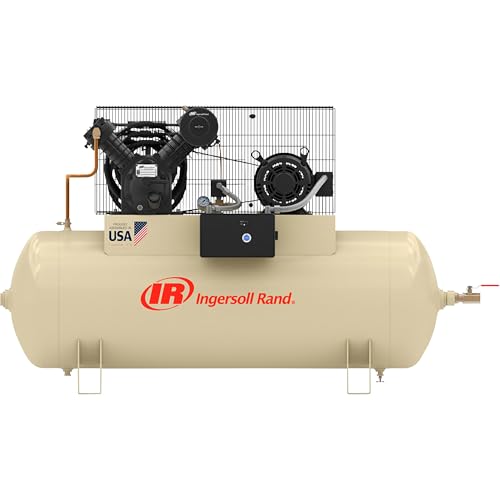






I felt the review for the VEVOR was a bit generous — calling it ‘quiet’ in the badge seems off. That said, the Maxair C5160V1-MAP looks solid; I like the metal construction and higher pressure rating. Curious if Maxair is easy to service locally or if parts are a pain to find.
I bought a Maxair a year ago. Parts for the pump were standard enough that my local compressor shop had replacements. Recommended: keep records of model numbers and photos when you buy — makes sourcing parts easier later.
Fair call on the VEVOR badge — ‘quiet’ is relative; it’s quieter for its class but not comparable to purpose-built ultra-quiet units. Maxair tends to have decent serviceability thanks to common pump designs and cast-iron parts; local shops often carry compatible parts, but check compatibility before purchasing.
Quincy QT-54 folks — do you find it worth the price for longevity? The vertical 60-gallon seems perfect for my cramped garage. I’m also wondering about availability of replacement heads/pistons down the line.
Also — anyone converted a vertical unit to piping out to multiple stations? Thinking of small piping runs to two workstations.
I piped a 60-gallon vertical to two benches with 3/4″ runs and quick-connects. Worked fine for intermittent use. Just avoid tiny diameter lines and long runs — that kills pressure at the tool.
Quincy is a great long-term investment — many users report a decade-plus of trouble-free service if maintained. Replacement parts are generally available through authorized service centers. As for piping, you can absolutely run to two stations; use a properly sized main (1″ or similar depending on length and CFM) and a moisture trap near each station. Consider adding an air receiver if you expect simultaneous heavy use.
Thanks — that’s exactly the kind of input I needed. I’ll measure and maybe go 1″ for the main run. Appreciate the quick replies!
Great roundup — thanks for putting this together.
I’m seriously considering the CAMPBELL HAUSFELD 120 Gallon Horizontal for a small production run I have planned. A couple of practical questions:
1) Has anyone had to upgrade electrical service for the 2-stage 460V option? My shop currently has 240V only.
2) How loud are these at full blast compared to a 60-gallon vertical? I’m in a semi-attached building and noise is a concern.
Appreciate any real-world setup tips (foundations, vibration pads, clearance) — thinking through whether I need to move the compressor outside into a dedicated shed.
If you can avoid blowing out your breaker every time the pump kicks in, do the 460V. Also check if your tools really need that much CFM — sometimes a 60 gallon with good recovery will do for intermittent work.
I run the Campbell 120 at my small shop (upgraded to 460V). It’s a beast — super steady airflow. Noise was annoying at first until I put it on anti-vibe mounts and built a simple plywood enclosure with acoustic foam. Way quieter. Worth the extra effort!
Good questions, Michael. For the Campbell 120, many shops either rewire to 460V for three-phase machines or choose the 230/460 auto-switch models. An electrician can tell you if your panel can be upgraded — often it’s worth it for the power savings and longevity. Noise-wise, horizontals can be a bit louder because of the larger pump, but placement and decent soundproofing (or a compressor room) make a huge difference. Vibration pads and a concrete pad help with stability and noise transmission.
Nice list. I’m torn between the DEWALT 60 Gallon (5 HP, 175 PSI) and the California Air Tools CAT-60040CAD for a hobbyist shop that occasionally does heavy sanding and spray work.
Noise is a big factor because my shop is attached to the house. The Dewalt looks more powerful, but the CAT being oil-free and ‘ultra quiet’ is tempting. Anyone used both?
I had the CAT for a year — very quiet and low hassle. But when I started running two sanders at once, recovery lagged. If your sanding is intermittent and you value peace, go CAT. If you expect to run multiple tools at once often, Dewalt.
If noise is the top priority and you won’t be hammering continuous high-demand tools for long stretches, the CAT-60040CAD is a solid pick — oil-free means lower maintenance and the 75 dBA rating is noticeably quieter than most 5HP units. For longer continuous heavy tasks, the DeWalt’s higher CFM and PSI are better. You could also consider placing the Dewalt in a dedicated closet or sound-insulated box if you prefer its performance.
I’m leaning toward the California Air Tools CAT-60040CAD because my neighbor complained last summer about my old compressor noise (embarrassing).
Two quick things I couldn’t find in the article:
– How often do oil-free units like the CAT need internal inspection or parts replaced?
– Any special drain routine for the 60-gallon tanks? I want to avoid rust.
Would love a recommended maintenance checklist for an oil-free 60-gallon unit. Thanks!
Good points, Laura. Oil-free units require less routine lubrication but you should still: drain condensate daily (or after every session if humid), inspect belts and mounts monthly (if applicable), check pressure relief valves every 6 months, and inspect the tank interior for corrosion annually. For oil-free pumps, replace intake filters as needed and keep cooling fins clean. A short checklist: daily drain, monthly external inspection, semi-annual valve checks, annual tank inspection.
I run the CAT indoors and use an inline desiccant filter for spray work — keeps moisture out of hoses and tools. Not necessary for everyone, but useful if you do painting.
I set a calendar reminder to drain my 60-gallon every weekend. I also install a small auto-drain valve if I’m forgetful — game changer for rust prevention. 👍
Auto-drains are great, especially in humid climates. Just remember they need a small air line and periodic cleaning. If you keep the compressor in a heated, dry space you’ll minimize tank corrosion too.
LOL VEVOR being billed as ‘quiet’ made me snort coffee on my keyboard 🤪
On a more serious note: I’m a weekend DIY guy and price-sensitive. The Klutch 60-gallon sounds like a bargain, but I worry about longevity and whether fittings & seals are up to snuff. The VEVOR 80 being oil-free and fast-fill sounds tempting for inflation and intermittent blasting, but reviews mention noise creeping up after a year.
Anyone got long-term experience with Klutch or VEVOR? Do cheap-ish brands ever actually last without tons of maintenance? I don’t want to be ordering parts every month.
Short answer: cheaper brands can be perfectly fine for hobbyists if you temper expectations. Check for cast-iron pumps, ASME tanks (for safety), and availability of replacement parts locally. Oil-lubricated pumps generally last longer than cheap oil-free ones, but oil-free reduces maintenance. If you plan light-to-moderate use, Klutch or VEVOR could be acceptable.
Had a Klutch for about 2 years in a garage — it ran fine for light use. My main gripe was paint/finish and a few fittings that needed tightening after delivery. Nothing catastrophic. If you want a worry-free long haul, Quincy/Campbell/DeWalt are better bets, but they cost more.
VEVOR can be hit-or-miss. I used one for inflation and light shop work; it’s fast but I noticed more vibration and some rubber parts wore faster. For the price though it’s hard to complain. Just be prepared to replace some valves or gauges down the line.
If you go Klutch, inspect all fittings on arrival (some come a little loose). Also swap the drain & check the pressure relief right away. Easy stuff that makes them more reliable.
One more tip: buy a good inline filter and regulator. Even on cheaper compressors, clean, dry air and proper pressure control extend both tool and compressor life.