


When it comes to precision jobs in framing, having the right tools can make all the difference. In this post, we will explore the top 4 pro-grade framing nailers that are designed to help you achieve precise and professional results with your projects. Let’s dive in and discover the best options to elevate your framing work.



Metabo HPT NR90ADS1 Framing Nailer
The Metabo HPT Framing Nailer NR90ADS1 is a standout tool for framing, flooring, and roof decking projects. With its lightweight design at only 7 lbs, you can work comfortably all day without fatigue. The selective actuation feature allows for quick switching between sequential and contact nailing, while the tool-less depth adjustment ensures precision in various materials. Accepting nails from 2″ to 3-1/2″ in length, this nailer is lauded for its ease of use and durability, making it a popular choice among users.
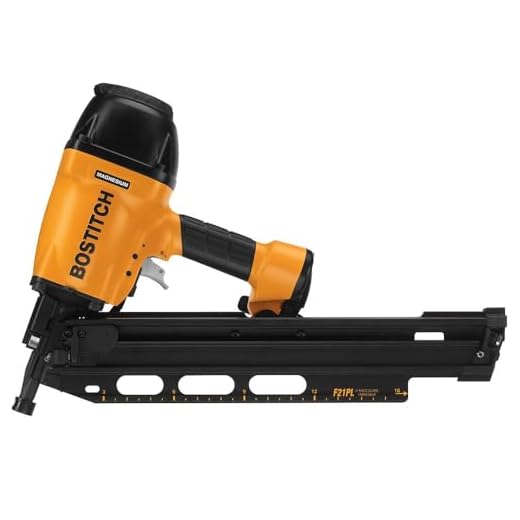
BOSTITCH F21PL Framing Nailer – Pneumatic
This BOSTITCH Framing Nailer is a versatile tool with two quick-change nosepieces for framing or metal connector applications. Its patented push-button adjustable depth guide ensures nails are set to your desired depths, and the lightweight magnesium design enhances durability. The adjustable rafter hook allows you to hang the tool conveniently. It drives plastic collated 1-1/2-inch and 2-1/2-inch metal connector nails (.131-inch – .148-inch diameter), making it a reliable choice for various projects. The sturdy construction and user-friendly features make it a top pick for both professionals and DIY enthusiasts alike.
NuMax SFR2190 21° Framing Nailer
The NuMax SFR2190 Pneumatic 21 Degree 3-1/2″ Framing Nailer is a versatile tool perfect for framing, subfloors, roof decking, and more. This durable nail gun features an anti-dry-fire mechanism and dual mode trigger for precision or speed, along with a comfort grip handle for reduced fatigue during extended use. With tool-free depth adjustment and a no mar safety tip, this framing nailer is ideal for DIYers and professionals alike, offering excellent performance and value. It’s a reliable choice that will help you tackle home improvement projects with ease.
Makita AN924 Framing Nailer 3-1/2
The Makita AN924 21º Full Round Head Framing Nailer is a durable and robust tool built for commercial framing applications. With a lightweight design at only 8.3 lbs, it offers maximum performance with a large capacity air chamber and the ability to drive nails up to 3-1/2″ X .148 in diameter. Despite some drawbacks mentioned in reviews, such as limited nail loading capacity, its solid construction and ease of use make it a favorite among users for speeding up the framing process. Overall, this Makita framing nailer is praised for its durability, balance, and efficiency.
Choosing the Best Framing Nailer: A Buyer’s Guide for DIY Enthusiasts
- Power source: Consider whether you prefer a pneumatic (air-powered), cordless (battery-powered), or electric (plug-in) framing nailer based on your project needs and portability preference
- Nail size and angle: Make sure the framing nailer can accommodate the size and angle of nails required for your specific framing job. Check the nail capacity and range of nail sizes the tool can handle
- Durability and features: Look for a framing nailer made of durable materials that can withstand the demands of your projects. Consider additional features such as depth adjustment, trigger options, anti-jam mechanisms, and ergonomic design for ease of use and efficiency
Frequently Asked Questions
Yes, a framing nailer can be used with different types of wood. However, it’s important to adjust the nailer’s settings based on the hardness and thickness of the wood you are using to ensure proper and effective nailing. Different types of wood may require different nail sizes and air pressure settings on the nailer for optimal performance. Always refer to the manufacturer’s instructions and recommendations for the specific type of wood you are working with.
When looking for a framing nailer, there are a few important safety features to consider:
- Depth adjustment: This feature allows you to control how deep the nails are driven into the material, reducing the risk of overdriving and ensuring a secure fit.
- Sequential trigger: A sequential trigger requires you to press the safety tip before pulling the trigger, helping prevent accidental firing. Some nail guns have a contact or bump trigger that can be more dangerous if not used properly.
- Anti-dry fire mechanism: This feature prevents the nailer from firing when there are only a few nails left in the magazine. This helps avoid damage to the nail gun and ensures safer operation.
- No-mar tip: A no-mar tip prevents the nail gun from leaving marks on the material’s surface, keeping your workpiece looking clean and professional.
By looking for a framing nailer with these safety features, you can work more efficiently and reduce the risk of accidents or injuries.
Framing nailers are typically powered by compressed air. Some models are powered by electricity or gas, but the most common power source is compressed air. This enables the tool to efficiently drive nails into wood while maintaining a consistent power output.
Yes, a framing nailer can be used for various tasks beyond just framing. It can be used for projects such as building fences, constructing decks, installing subflooring, and attaching siding. With the right nails and adjustment settings, a framing nailer can be a versatile tool for a range of construction and carpentry projects. Remember to always follow proper safety precautions and manufacturer guidelines when using your framing nailer for different tasks.
To properly maintain a framing nailer, you should follow these steps:
- Regularly oil the nailer: Apply a few drops of oil into the air inlet before and after each use to keep the internal components lubricated.
- Clean the nailer: Remove any debris or buildup from the nailer, especially around the magazine and exhaust vents. Use a clean cloth and compressed air to clean it thoroughly.
- Check for wear and tear: Inspect the nailer for any damaged or worn parts like O-rings, gaskets, and seals. Replace them as needed to ensure the nailer functions properly.
- Adjust nail depth and pressure: Depending on the project, adjust the nail depth and pressure settings on the nailer to ensure proper fastening without damaging the material.
- Store properly: When not in use, store the nailer in a clean and dry place to prevent rust or damage. Use a carrying case or cover to protect it from dust and moisture.
By following these maintenance tips, you can keep your framing nailer in good working condition and prolong its lifespan.
Yes, when using a framing nailer, there are specific regulations and restrictions that you should be aware of. Make sure to always follow the manufacturer’s instructions and guidelines for safe use. Additionally, some common regulations and restrictions may include wearing appropriate safety gear such as eye protection and hearing protection, ensuring proper training and certification if required, and following local building codes and regulations. It is important to read and understand the user manual and any safety precautions provided by the manufacturer to prevent accidents and ensure safe operation of the framing nailer.
Some common problems people encounter when using a framing nailer include nail jams, misfiring, depth adjustment issues, and issues with nail feeding. It’s important to follow proper maintenance procedures and ensure you are using the correct nails for your nail gun to avoid these issues. Regular cleaning and lubrication can also help prevent problems with your framing nailer.
In a framing nailer, 3 1/2-inch-long nails are commonly used. This size is ideal for framing and structural work due to their length and strength.
When choosing a framing nailer, you should consider factors such as:
- Power source: Decide whether you want a pneumatic, cordless, or electric framing nailer based on your portability and power requirements.
- Nail size: Make sure the nailer can accommodate the nail sizes you commonly use for framing projects.
- Nail capacity: Consider how many nails the magazine can hold to reduce reloading frequency.
- Weight and ergonomics: Choose a framing nailer that is comfortable to use for extended periods to minimize user fatigue.
- Depth adjustment: Look for a nailer that offers easy depth adjustment to control nail depth based on the material you’re working on.
- Trigger type: Decide between a single or sequential trigger, depending on your preference for safety and efficiency.
- Brand and warranty: Opt for a reputable brand with a good warranty to ensure quality and reliability.
By considering these factors, you can choose the best framing nailer for your needs and projects.
Some well-known brands that are known for manufacturing high-quality framing nailers include DeWalt, Bostitch, Hitachi, Paslode, and Makita. These brands are recognized for their durable construction, reliable performance, and precision in the tools they produce. It’s always recommended to read reviews and do some research to find the best framing nailer that suits your specific needs and budget.
A framing nailer is typically used for larger construction projects to secure heavier materials like framing lumber and plywood, using larger nails, usually 2 to 3 1/2 inches in length. On the other hand, a finish nailer is used for more delicate trim work and finishing touches, working with smaller nails, usually 1 to 2 1/2 inches long. So, the main difference lies in the size of nails they accommodate and the types of projects they are best suited for.
A framing nailer is a powerful tool primarily used in construction to quickly and securely drive nails into wood or other materials for framing, fencing, decking, and other structural projects. It saves time and effort compared to traditional hammer and nail methods, making it an essential tool for professionals and DIY enthusiasts alike.
To properly load nails into a framing nailer, follow these steps:
- Make sure the nailer is disconnected from any power source.
- Open the nail magazine or nail strip on the nailer.
- Insert the nails with the nail heads facing up and the pointed ends facing the direction of nail firing.
- Close the nail magazine securely.
- Reconnect the nailer to the power source and test it on a scrap piece of wood before use to ensure proper loading.
Following these steps will help you safely and effectively load nails into your framing nailer.
There are primarily three types of framing nailers available on the market:
- Pneumatic Framing Nailers: These are powered by an air compressor and are commonly used for heavy-duty framing tasks due to their power and efficiency.
- Cordless Framing Nailers: These nailers are powered by a rechargeable battery, offering more portability and convenient use, especially in areas where air compressors are not readily available.
- Gas-Powered Framing Nailers: These nailers use a fuel cell and battery pack to drive nails into the material. They are known for their power and versatility, making them suitable for various framing applications.
Each type of framing nailer has its own set of advantages and considerations, so you can choose the one that best fits your specific needs and preferences.









I appreciate the detailed descriptions of each nailer, it helps in making an informed decision.
I have been looking for a pro-grade framing nailer, this article is really helpful.
Great list, these framing nailers seem perfect for precision work!
Precision is key in my line of work, these nailers seem like a good investment.
I wonder if any of these nailers come with additional features like depth adjustment.
Overall, a well-researched article that has helped me narrow down my framing nailer options.
I wish there was a comparison chart for these nailers to see how they stack up against each other.
Are there any budget-friendly options among these top 4 nailers?
The article could benefit from including customer reviews of these nailers for real-world insights.
The durability of these nailers is crucial for long-term usage, does the article mention anything about it?