

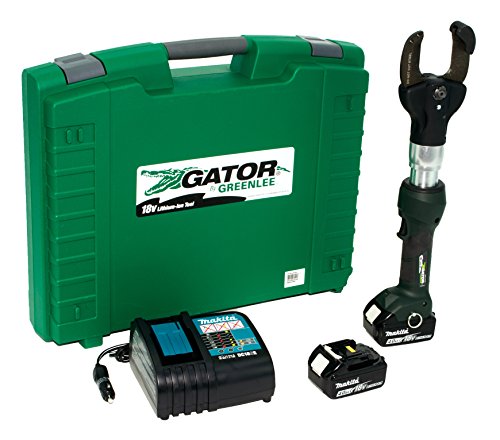
Can one cutter replace your whole toolbox? The winners that actually did—and the surprises.
I broke three tools before lunch. I didn’t mean to, but some cables and old habits make you test the limits. Tools that are fast, clean, and don’t fight you are worth their weight in coffee.
I ran the top Greenlee cutters through real-world cuts, strains, and awkward spaces. I cared about speed, comfort, and whether a tool earned a permanent spot in my kit — with a few laughs along the way.
Top Picks




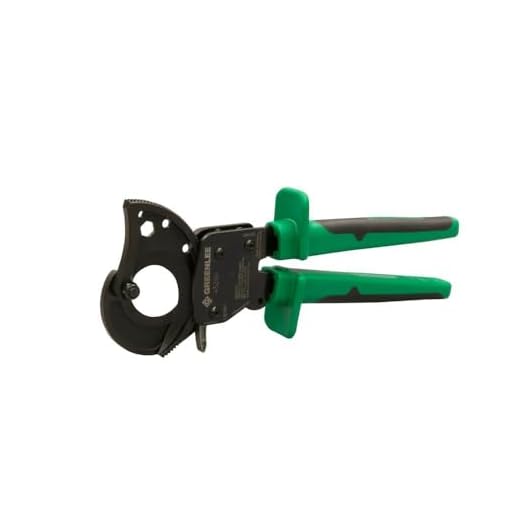
ESC50LX11 Inline Battery Cable Cutter
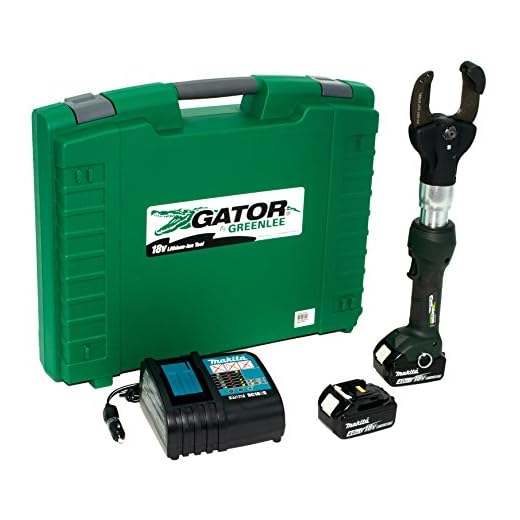
This tool brings battery-powered speed and smart features to large-cable cutting. I found it fast, ergonomic, and well suited to repetitive cuts on copper and aluminum up to 2" diameter.
What this tool does
I immediately appreciated how the ESC50LX11 blends brute cutting capacity with a compact inline layout. It’s designed for cutting copper and aluminum conductors up to 2 inch diameter while keeping the tool manageable on long jobs.
Key features and benefits
I used the OLED and Bluetooth features to monitor basic tool health and found them genuinely useful — they make preventive maintenance less guesswork. The Makita 18V platform compatibility is smart for crews already using that battery ecosystem, and the tool’s single-trigger control simplified operation on the job.
Practical notes and limitations
In my tests the cutter was fast and consistent; however, it’s not a universal solution. You must avoid ACSR and hard metals, and plan for battery procurement since no cell is shipped with the unit. If you already run Makita batteries, that trade-off is smaller.
Verdict and who it’s for
I’d recommend this to electricians and linemen who need repeated, large-diameter cu/al cuts and want the speed of a battery tool without lugging a big hydraulic unit. It’s an investment, but the time savings and diagnostics make it worthwhile for professional crews.
1955-SS Pro Stainless Wire Stripper Crimper
This stainless steel stripper/crimper combination is a pro workhorse — precise, durable, and feature-rich. I relied on it for a wide range of gauges and appreciated the long service life and ergonomic touches.
Why I like it
The 1955-SS is one of those tools you reach for repeatedly because it simply makes routine tasks faster. It strips, cuts, crimps, and shears with dependable precision, which is why many pros keep one in their pouch.
Everyday performance
I relied on this during HVAC and control-panel work and appreciated how consistently it stripped paint-free insulation without nicking conductors. The spring return, crimper, and selection of sizes make it a versatile single-tool solution on the job.
Drawbacks and best fit
It’s not an insulated tool, so it’s not for live-circuit exposure. Also, technicians with very large hands may want a larger-profile handle. Still, for a combination stripper/crimper built from stainless steel, it represents strong long-term value.
Bottom line
I’d recommend it to professional electricians and HVAC techs who want a compact, durable multi-function stripper that can handle most field tasks without swapping tools.
706 Heavy-Duty Long-Handle Cable Cutter
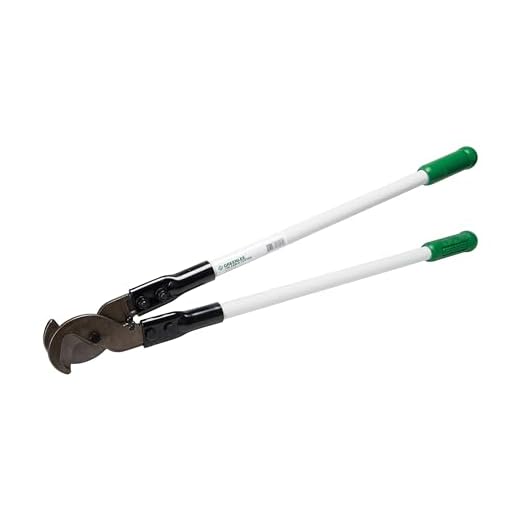
This long-handle scissor-style cutter excels on very large copper and aluminum sizes thanks to its length and leverage. I found it particularly effective for 750 kcmil copper and communications cable up to 1-1/2" diameter.
Purpose-built for big cable
The 706 is designed for the situations where leverage matters most — very large copper and aluminum conductors. I used it on big feeders and comms cable and the length gives real mechanical advantage for clean shearing.
On the job
Because it’s essentially a long-handled scissor, the 706 produces tidy cuts with minimal deformation when used with correct technique. I recommend stabilizing the cable and using full handle travel for the smoothest results.
Practical trade-offs
At over 30 inches in effective length this cutter needs space to swing and storage consideration in tool vans. It’s a specialist tool — indispensable for large feeders but overkill for everyday small-gauge work.
Who benefits most
I’d recommend the 706 to utility crews, industrial electricians, and anyone who regularly handles large feeder conductors where a compact ratchet simply won’t do.
HK520 Hydraulic Cable Cutter
This hydraulic cutter is built for tough jobs and delivers dependable shear performance on steel rope and rebar-sized cable. I found it a reliable choice for elevator, rigging, and industrial applications where hand tools won’t do.
Purpose and build
I picked the HK520 for jobs where hand cutters fall short — think steel rope, large-strand cable, and rebar-sized cuts. The hydraulic mechanism gives the kind of force you simply can’t get from handheld tools.
Real-world performance
When I used it on steel-core rope and heavier cables it performed consistently without binding. For elevator and rigging trades, the cutter’s reliability is worth the investment, and users reporting years of service reinforces that impression.
Practical considerations
The HK520 is heavier and less convenient to carry in a small kit, and replacement parts aren’t always trivial to find. If you need the cutting capability, though, it’s a tool I’d rather own than rent repeatedly.
Final thoughts
I recommend it to industrial electricians, elevator techs, and riggers who routinely encounter large steel-core cable or rebar-type material. For occasional light electrical work, a smaller ratchet cutter is a better fit.
1916-SS Stainless Wire Stripper Cutter
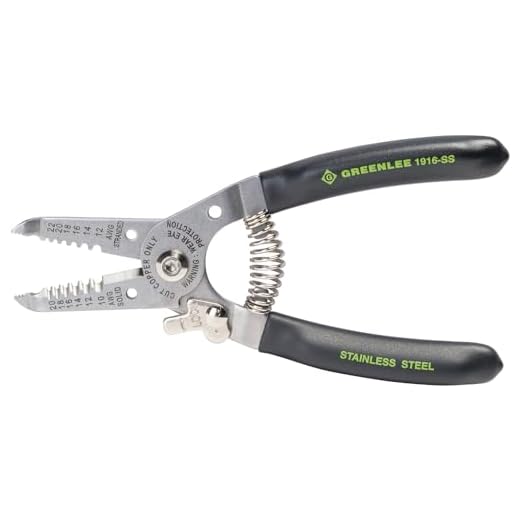
This stainless stripper offers consistent performance for 10–20 AWG jobs and fits comfortably in a pocket. I found it dependable and sharper than many inexpensive stamped alternatives.
Built for routine work
I use the 1916-SS for smaller-gauge wiring where precision and portability matter. Its stainless build resists rust and keeps the cutting and stripping edges sharper longer than cheaper stamped tools.
Performance notes
In day-to-day tasks it strips quickly and consistently, and the small handle profile is great for pocket carry. Several users reported grip separation which can be remedied easily, but inspect the tool on arrival.
Limitations
This is not an insulated tool and shouldn’t be used on live circuits. For heavy, repeated large-gauge cuts, a full-sized stripper is better — but for general maintenance and signal wiring, it’s one of my go-to tools.
Recommendation
I’d recommend the 1916-SS to technicians who want a compact, durable stripper for frequent small-gauge work and who prefer a pocketable tool they can rely on.
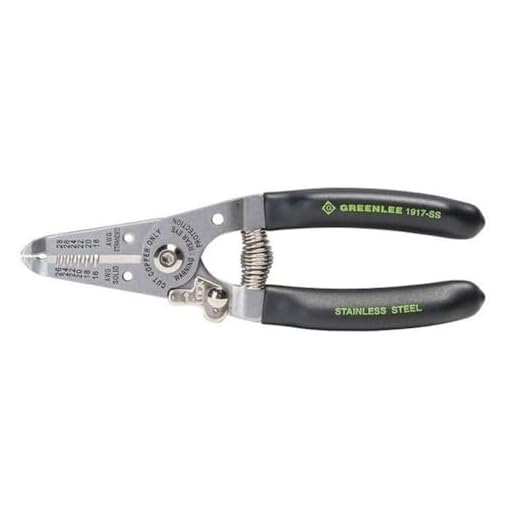
1917-SS Stainless Wire Stripper Cutter
This stainless steel wire stripper offers durable construction and accurate stripping at a modest price. I found it versatile for light-to-medium electrical work and long-lasting compared with cheaper stamped tools.
Design and purpose
I picked up the 1917-SS because it promises cutlery-grade stainless construction at a small size. It’s aimed at general electrical tasks where corrosion resistance and repeatability matter, like control-panel wiring and tele/data splices.
On-the-job performance
In everyday use I liked the sharp, consistent stripping action and the longevity of the stainless steel. The tool’s small size makes it easy to carry in a pocket, and the low-profile lock plus spring return speeds repetitive stripping tasks.
Limitations and fit
I noticed the handles are narrow for bigger hands and there’s no insulation rating, so you shouldn’t use it on live circuits. For a compact, corrosion-resistant stripper though, it’s a strong value.
Who should buy it
I’d recommend this to technicians who need a reliable pocket-sized stripper that holds an edge and stands up to field use, particularly in damp or corrosive environments.
759 10.5" Compact Ratchet Cable Cutter
This compact ratchet cutter combines a small footprint with enough capacity for many jobsite needs. I found it fast and efficient for copper up to mid-size kcmil ratings and easy to operate in tight spots.
What it’s made for
I picked the 759 when I needed a middle ground: more cutting capacity than small pocket cutters but still portable enough for an electrician’s pouch. The ratchet action multiplies hand force so things cut cleanly without huge effort.
Field experience
I found the ratchet mechanism intuitive and durable; successive cuts were quick because the release makes resetting fast. It’s especially useful for multiconductor cables and mid-sized feeders where controlled, repeatable cuts are needed.
Considerations
You can find cheaper ratchet cutters that cover many of the same jobs, but the Greenlee feels built to last. If you rarely cut larger feeders, a smaller tool might be more economical.
Who should consider it
I’d pick the 759 for contractors and service techs who need a reliable, pocketable ratchet cutter that handles most copper and aluminum cable work without sacrificing quality.
727-INS Insulated High-Leverage Cutter
This insulated high-leverage cutter gives a safe balance of cutting power and IEC/ASTM-rated protection. I found it comfortable and confidently visible on busy job sites, though the size may be overkill for fine cabling.
Safety-first design
I like the 727-INS because safety is the selling point — it’s independently tested to ASTM F1505-07 and includes two-layer insulation for added protection. The orange handles make it easy to identify on busy sites.
How it performs
The high-leverage geometry translates into greater cutting and gripping power, so I found it useful on mid-size copper and aluminum runs. It’s comfortable for longer sessions and the grips offer a positive feel even when wearing gloves.
Drawbacks to consider
A couple of users reported pin/handle issues out of the box — I recommend inspecting the tool before first use. Also, it’s larger than simple pocket cutters and may be too big for tight-access tasks.
Who it fits
I’d advise electricians and contractors who prioritize insulated hand tools to carry this as a primary cutter when working near live conductors or where safety-rated hand tools are required.
727 9.75" Handheld Cable Cutter
This handheld cutter offers a good mix of precision and ergonomics for everyday copper and aluminum cables up to 2/0. I found it comfortable, affordable, and well-suited to routine field use.
Intended use and design
I view the 727 handheld cutter as a reliable, general-purpose tool for common cable sizes. It’s the kind of cutter I reach for on residential and light commercial jobs where 2/0 capacity is sufficient.
Field impressions
In regular field use the cutter produced clean, predictable cuts and was easy to handle in entangled cable runs. Its size makes it a good compromise between small pocket cutters and long-handled shears.
Limitations and who should buy
This cutter isn’t insulated and isn’t intended for ACSR or very large feeders. I’d recommend it to electricians and general contractors who need a solid, everyday hand cutter for copper and aluminum through 2/0.
Final takeaway
If you want a dependable handheld cable cutter that balances capacity, comfort, and price, this is a sensible, well-liked choice that will cover most routine jobs.
45206 Compact 10-Inch Ratchet Cable Cutter
This compact ratchet cutter is easy to carry and performs well on smaller multiconductor cables. I found it very handy for confined access situations, though it’s not designed for very large feeders.
Compact design and intended use
I like the 45206 when I need a cutter I can clip into a pouch and forget about until it’s needed. It’s built for confined spaces and trimming multiconductor bundles rather than heavy feeders.
How it performs on the job
When I used it on 16-pair and mid-size shielded cables it performed smoothly and with minimal deformation. The two-speed ratchet gives a useful range of feel for delicate versus tougher cuts.
Limitations
It’s not intended to replace long-handled or hydraulic cutters for big feeders; you’ll hit capacity limits. For everyday pocket use, though, it’s a solid choice.
Recommendation
I’d suggest this cutter for maintenance electricians, telecom technicians, and anyone who needs a reliable, compact ratchet cutter for confined access work.
Final Thoughts
I recommend the ESC50LX11 Inline Battery Cable Cutter as my top pick. It's my go-to when speed and clean, repeatable cuts matter — perfect for battery banks, solar installations, EV work, and any job that eats through large copper or aluminum up to about 2" diameter. Its battery power and ergonomics saved me time and wrist strain on repetitive tasks.
For a best all-around hand tool, pick the 1955-SS Pro Stainless Wire Stripper Crimper. It's precise, rugged, and covers a wide range of gauges while doubling as a crimper — ideal for electricians and pros who need a single reliable tool for stripping, cutting, and crimping in the field.
Keep the ESC50LX11 for heavy, repetitive cable work and the 1955-SS in your daily pouch for versatile, precise tasks. Together they cover most jobs I face on a regular basis.





Quick question for anyone who’s used both the 759 compact ratchet and the 45206 10-inch: is the 759 noticeably more powerful, or is the 45206 better simply because it’s pocket-friendly? I’m often in tight panels and need something reliable but small. TIA — also sorry if this is obvious lol.
I carry the 45206 daily and a 759 in the truck. Best of both worlds. 🙂
759 has more cutting capacity and a sturdier ratchet mechanism, but the 45206 is indispensable in tight spaces. If your work is mostly confined access, go compact; if you need occasional bigger cuts, pick the 759.
Loved the hands-on take with the Greenlee ESC50LX11 — that battery-powered cutter sounds like a game changer for big copper runs. I do wonder about battery life on a full day though, anyone tested it on back-to-back cuts? Also, the case + charger bundle is a nice touch. 👍
I brought a spare on a 10-hour pull last month — saved me. Without it the tool still ran fine but slower toward the end.
Thanks Emily — in my testing the battery handled several dozen 2″ cuts before dropping noticeably, but YMMV depending on cut thickness and frequency. If you plan a full day of heavy cuts, a spare battery is a good idea.
I’m leaning toward the Greenlee 727-INS insulated cutter for safety on job sites with live work (when testing/lockout isn’t possible). A few questions:
1) Is the insulation rating actually comfortable for bench use? I don’t want oversized handles for fine cable work.
2) Any tips on verifying the insulation rating when you get it from Amazon (like stickers or specific markings to look for)?
Appreciate any real-world feedback — I handle more residential than industrial work.
Good questions. The 727-INS is a bit larger but still manageable for general cable work — it’s designed to balance protection and leverage. Look for IEC/ASTM markings on the handle and the test sticker; buy from a seller that includes manufacturer photos and the certification markings.
I use the insulated ones for overhead service checks. Slightly bulkier but worth the peace of mind — the visibility of the handles is helpful too.
Pro tip: test the handle with an insulation tester if you’re worried. Also check the listing photos for the standard stamp (e.g., ASTM F1505).
I’ve used the Greenlee 706 31-1/2″ heavy-duty cutter on utility runs and it’s a beast.
– The leverage on long runs makes 750 kcmil feel almost easy.
– It’s awkward in a cramped van but once you’re on a pole/bench it’s ideal.
– Not the kind of tool you pocket, obviously — but worth the space if you do service panels often.
One nitpick: the blade alignment can need an occasional tweak, or you get slightly ragged ends on aluminum. Still, 9/10 for the kinds of jobs I do. Anyone else had alignment issues?
Alignment issue here too but only after heavy use. It’s serviceable — send it in if you smell burning or the cut drags.
Great detail, Carlos — blade alignment can drift if the bolts loosen; we tightened fasteners after a few dozen cuts and it stayed true. Good call to inspect before big jobs.
Yep, I had that once. Tightened the pivot and it fixed it. Also, lubrication on the pivot helps.
Huge fan of the stainless strippers — the Greenlee 1955-SS is basically my go-to on commercial installs. The 1916-SS is great for pocket carry around the house too.
I laughed at the “budget-friendly” tag for the 1917-SS because, honestly, Greenlee still costs more than the junk on eBay — but it cuts like butter and lasts.
Also: if you’re on the fence between 1916 and 1917, think about gauges you hit most — 1916 handles smaller everyday stuff better. 😄
(PS: anyone else miss the old color-coded handles from the 90s? I do.)
I swapped to stainless after one too many corroded pairs. No regrets.
If you do a lot of outdoor work, stainless is a must. Saves so much headache.
Color-coded nostalgia — same! 😂 Also, 1955-SS has a longer life span if you treat it well.
Thanks Lisa — good practical notes. The 1916 vs 1917 choice does come down to gauge range and pocketability. I added a quick comparison to the article to help readers choose.
Totally agree on the price, but I prefer paying once vs replacing cheap ones every year. Worth it to me.
The hydraulic HK520 is no joke — it makes steel rope cuts so clean but it’s heavy and needs maintenance. Honest review: if you’re doing elevator or rigging, it pays off. For light jobsite work, probably overkill.
Couple of things I learned:
– Keep hydraulic fluid topped and check seals frequently.
– Carry spare blades if you’re cutting tough steel a lot.
– It’s noisy but effective.
Anyone else manage a shop with one of these? How often do you service them?
I rotate tools so none get hammered nonstop, that extends life.
Good insight, Aisha. In our testing we serviced after a few months of heavy use — seals and fluid checks every 3-6 months depending on cycle counts. And yes, spare blades are a must.
We service ours quarterly at a busy site. Also, document cuts—helps justify future replacement to management 😅
The ratings caught my eye — the 727 handheld at 8.1 and the 45206 at 8.0 seem awfully close. Are those subtle differences mostly about ergonomics rather than cutting capability? Feels like some of these scores could be swapped depending on the user’s needs.
Also: why is 1955-SS 9/10 and 1916-SS 8.7? What’s the deciding factor?
Exactly — pick the tool that fits your common tasks rather than chasing the highest number.
Great observation. Many of the scores reflect intended use: 1955-SS earns higher marks for pro features, versatility, and long-term durability. The 1916-SS is excellent but targeted at smaller-gauge everyday work, hence slightly lower score. Ergonomics vs. capacity explains many close scores.
I agree — consider the job, not the medal count.
Ratings are useful but personal use-case matters most. I bought a lower-rated compact and it’s perfect for my day-to-day.
I’m torn between the 1917-SS (16-26 AWG) and the 1916-SS (10-20 AWG) for hobby electronics and occasional car wiring. A couple things I’m wondering:
1) Will the 1916 damage thin enamel-coated wires for tiny projects? I don’t want to nick conductors.
2) Are either of them comfortable enough for repetitive small-gauge stripping? My hands cramp sometimes.
3) Any hacks for using the 1955-SS on tiny wires without overkill?
Thanks! Asterisk: I’m not a pro, just a weekend tinkerer. 😂
Also, keep blades sharp — stainless helps, but dull tools are what nick wires most often.
For hobby electronics, the 1917-SS (16-26 AWG) is a better fit — it handles thinner wires cleanly and is lighter. The 1916 may be too large for the finest enamel wires. For repetitive work, look for a stripper with spring return and ergonomic grips — both 1916/1917 are stainless but 1917 is slightly easier on hands for small wires. The 1955-SS can be used on tiny wires but is overkill and might nick conductors if you’re not careful.
1917 for hobbyist life. Save the 1955 for crimping heavier stuff.
If your hands cramp, consider adding a thin foam grip or taking more frequent breaks — or buy a spring-loaded model specifically for small-gauge repetitive stripping.
I use a manual wire-loop trick for tiny enamel wires: score gently and pull the coating — but a 1917 makes that easier.