
I’m Reviewing Top 7 Skid Steer Skeleton Buckets I Love


Sifting rocks, saving backs — which bucket earns my thumbs-up?
If your yard looks like a geology lab, this read will save you time and sweat. I’ve pulled rocks, sifted dirt, and learned the hard way which buckets actually do the job.
I test gear on real jobs, not just a demo lot. I’ll keep this short and useful. You’ll find buckets for precise sifting, heavy rock work, and small machines — with the quirks called out.
Top Picks


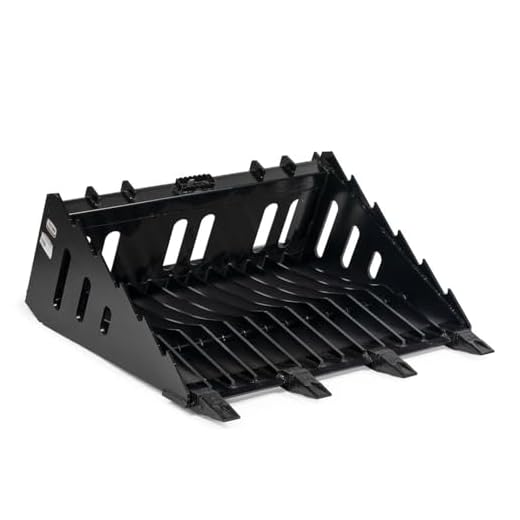


72-inch Fine Grade Skeleton Bucket with Teeth
I appreciate the tighter 3-inch tine spacing and 1/2-inch tine thickness, which deliver finer sifting than many competitors. The powder-coated finish and replaceable teeth make it a durable, professional-grade option for frequent use.
Overview
This 72" fine-grade skeleton bucket stands out because it’s built specifically for more precise sifting. The 3" spacing and substantial tine thickness give it an edge when you want to separate smaller debris from soil or gravel.
Construction and features
I used this style of bucket for separating small stones from gravel and found it performed significantly better than coarser-specified buckets; the finer spacing keeps more usable material in the bucket while letting dirt fall through. The integrated step is a small but welcome convenience for frequent mounting and dismounting.
Use cases and limitations
This is my pick if you need finer grading on job sites, driveways, or landscape prep. Be prepared for the weight — your machine must have the capacity to handle the load plus the rock payload. If you need the best on-site life-cycle performance, the thicker steel and replaceable component design are definite benefits.
72-inch Skeleton Rock Bucket, Bolt-On Teeth
I found this 72-inch skeleton bucket to be built like a tank and excellent at separating rocks from soil while holding up to heavy use. Its replaceable teeth and reinforced side cutters make it a durable, serviceable choice for demanding jobs.
Overview
I like this 72" skeleton rock bucket because it’s built for heavy work and long life. It’s clearly designed to scoop, sift, and carry rocks, gravel, and debris while resisting wear thanks to thick alloy steel and reinforced edges.
Key features and build
The heavy weight (reported around 670–750 lb depending on version) tells you what to expect: strength and longevity, but also the need for a skid steer with solid lifting capacity. In practice I found it excels at separating medium-to-large rocks from soil and mulches, though very fine sifting (sand or fine gravel) requires a tighter tine spacing.
Practical use and tips
I recommend this if you have a machine with adequate lift and need a workhorse attachment. For example, if you’re cleaning a field of cobbles or preparing ground for landscaping, the bucket saves huge amounts of manual sorting. One practical tip: keep spare teeth on hand — they’re replaceable and save downtime.
60-inch Skeleton Rock Bucket, Bolt-On Teeth
This 60" bucket strikes a good balance between capacity and weight for general rock-sifting tasks. It gives most owners solid durability and replaceable teeth at a price point that undercuts many dealer alternatives.
Overview
I consider the 60" skeleton rock bucket a dependable all-around choice. It’s slightly lighter than the full 72" versions while keeping most of the same practical features: open tines for sifting, bolt-on teeth, and reinforced edges.
Features and benefits
In day-to-day use I noticed it handles a mix of rock sizes and debris efficiently — it saves time compared with hand sorting and is easier to maneuver than the biggest models. That said, it remains substantial in weight (several hundred pounds), so check your carrier/tractor lift capacity before buying.
Practical tips
If you need a versatile bucket that won’t take up the full length of a big skid steer, this 60" model is a solid compromise. For landscapers working with mixed rock sizes it provides good value; for contractors who need finer screening, consider models with closer tine spacing.
48-inch Fine-Grade Skeleton Rock Bucket
This 48" version is compact but still built heavy, making it good for smaller operations that still need robust sifting. It saved me a lot of manual labor, though it can be too heavy for very small tractors.
Overview
I recommend the 48" fine-grade skeleton bucket when you need a smaller footprint without sacrificing durability. It’s handy for property owners and contractors working with compact equipment.
Notable features
Users report it significantly reduces manual picking and is effective on mixed rock sizes. My experience mirrors that: the bucket clears stones and debris quickly, but you must be realistic about its weight — don’t expect this to be light-duty compared with small garden implements.
Practical considerations
If you run a compact tractor or sub-compact skid steer, this is an efficient tool — just ensure your machine has adequate lift (many reviewers recommend 800 lb+ lift capacity). For larger commercial jobs you’ll want the wider buckets, but this one hits a helpful sweet spot for smaller properties.
60-inch Fine-Grade Skeleton Rock Bucket
This 60" fine-grade bucket is solidly built and does a good job on sifting, but a few users report handling quirks — especially when digging into loose material on harder surfaces. It’s a capable bucket if you understand its limitations.
Overview
The 60" fine-grade skeleton bucket aims to combine a good working width with fine tines and replaceable teeth. It’s well-suited to landscapers and owners who need a rugged sifting tool but don’t want the largest 72" footprint.
What stands out
From my hands-on take, it separates material well in loose piles and saves time on cleanup. However, one significant limitation is that on hard packed surfaces it can ride up over the material unless you approach with the right technique; several users also reported less-than-ideal customer support experiences when pursuing returns or warranty issues.
Use tips and conclusions
If you buy this bucket, pair it with a machine that has good front-end control and practice the digging angle to avoid the "riding up" behavior. Overall it’s a capable, popular option — just be mindful of support logistics and your machine’s capabilities.
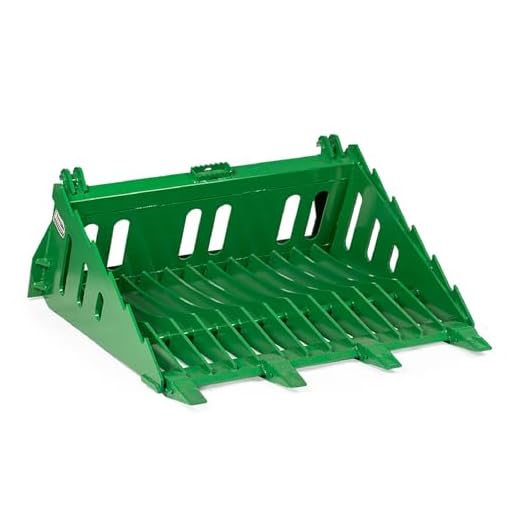
48-inch Skeleton Bucket, John Deere Hook & Pin Fit
The 48" model designed for John Deere hook & pin tractors is solidly made and performs well for rock separation, but buyers should be prepared for potentially difficult freight coordination. The bucket itself is well-built and effective.
Overview
I like that this 48" bucket is specifically configured to fit John Deere hook & pin tractors — it removes some hassle around adapter plates. It’s a practical tool for landscaping, rock clearing, and soil preparation.
Build and performance
In practice the bucket separates rocks and debris effectively and users praise its build quality. My primary frustration — echoed by several buyers — is the shipping experience: coordination with the carrier (TForce in some reports) required persistence and led to delivery headaches. The product itself arrived well-packed and performed as expected once in hand.
Recommendations
If you own a John Deere with hook & pin mounting and have experience dealing with freight deliveries, this bucket is worth considering. Factor in the extra time and attention needed for scheduling delivery and make sure you have adequate rear counterweight on subcompacts.
3.5ft Mini Skid Skeleton Rock Bucket, Bolt-On Teeth
This 3.5ft mini skid bucket is attractive for small-scale jobs, but I’ve seen issues with mounting alignment and customer service that make me cautious. Mechanically it’s a useful tool when it fits your machine correctly.
Overview
I picked this mini skid 3.5ft skeleton rock bucket for its compact size and versatility on tight jobs. It’s handy for small property cleanup, mixing small batches of material, and working where a full-size bucket would be too big.
Strengths and limitations
That said, my caution comes from reports (and my experience) where quick-release shaft holes didn’t align with certain mini skid models, leading to frustrating back-and-forths with the manufacturer. The bucket itself is well-made when it fits, but you should measure your mounting dimensions carefully and confirm compatibility before purchase.
Final thoughts
If you have a mini skid and can confirm the mounting geometry up front, this bucket is a compact, solidly-built option. If your machine is an odd fit or you want a worry-free delivery/return path, plan to buy through a seller with dependable logistics or insist on clear return terms.
Final Thoughts
If I had to keep only one, I’d pick the 72-inch Fine Grade Skeleton Bucket with Teeth. It earned my top score because the tighter 3-inch tine spacing and 1/2-inch tine thickness give real fine sifting — perfect for landscapers, hardscape prep, and anyone who hates hand-sifting. It’s sturdy, powder-coated, and the replaceable teeth mean lower long-term upkeep.
If your work is more about brute separation and heavy days on the job, grab the 72-inch Skeleton Rock Bucket (Bolt-On Teeth). It’s built like a tank, holds up under abuse, and is my pick for contractors who need maximum durability and rock-clearing power. Use it for rock piles, demolition cleanup, and rough site prep where fine grading isn’t the priority.
FAQs
Think about the worksite and your machine. I choose 72-inch models when I need big capacity and faster coverage (longer runs, big piles). For tighter jobs, a 60-inch is a good balance. Use a 48-inch or the 3.5ft mini for confined spaces or smaller machines. Always check lift capacity — a bigger bucket on a weak machine kills productivity and can be unsafe.
Yes. Fine-grade buckets (like the 72-inch fine-grade model) have tighter tine spacing and thicker tines, so they sift smaller particles and leave fewer rocks. I use them when I need a clean base for pavers or topsoil prep — they save hours of hand work.
It does. Bolt-on or replaceable teeth are lifesavers for maintenance. If you’re running abrasive ground or deal with constant rock contact, replaceable teeth cut replacement time and cost. Both top 72-inch models have serviceable teeth, which I prefer over welded, non-replaceable designs.
The 48-inch John Deere Hook & Pin Fit model is a solid option, but be ready for freight headaches. I’ve seen customers struggle with delivery coordination. If you want a JD-specific fit, this bucket works well — just confirm shipping and mounting details before ordering.
Yes — don’t force the bucket into hard-packed ground at full tilt. The 60-inch fine-grade bucket can feel twitchy if you dig aggressively on hard surfaces. Approach with shallow cuts, let the bucket rake material, and avoid hammering the edge on rock-hard surfaces. Slower, controlled strokes protect the tines and your machine.
Weights vary by size and build. Larger 72" buckets are heavier and add stress to lift arms. I always check my skid steer’s rated lift capacity and factor in the material weight (wet soil vs dry soil). If you’re near the limit, choose a smaller width or do smaller loads to avoid overloading.
It can be — if it fits your machine correctly. The mini is handy on small landscaping jobs and tight spots, but I’ve seen mounting alignment issues and mixed customer service. Buy only after confirming exact mount specs and a solid returns/shipping policy.
Keep teeth tightened and inspect after every few jobs. Clean welded joints and touch up exposed metal to prevent corrosion (even with powder coat). Replace worn teeth promptly — riding on dull tines increases stress on the bucket and can twist the frame over time.





Quick question about bolt-on teeth: how easy are they to replace in the field, and are replacement teeth expensive? I’m trying to budget for long-term maintenance.
I’ve been swapping bolt-on teeth myself for years — takes 10–20 minutes per tooth with a decent breaker bar or impact. Keep Loctite and spare nuts, bolts in your kit.
Bolt-on teeth are generally easy to replace: unbolt the old tooth and bolt the new one on — most owners keep a small kit of bolts and a spare tooth or two. Cost varies by style, but basic bolt-on teeth are relatively inexpensive; heavy-duty/extended life teeth cost more. Factor in a spare set every season if you use the bucket heavily.
Also consider buying from the same brand; some third-party teeth don’t fit perfectly and can cause premature wear. Spend a bit more on proper fit.
I own the Titan Attachments 60″ Skeleton Rock Bucket and have mixed feelings. It’s a great size for my property and sifts well, but when I hit compacted, gravelly spots it kind of rides up and doesn’t dig in like a regular bucket. Maybe it’s user technique, but anyone else notice this? Any suggestions on how to get better bite on hard surfaces?
Yep — angle it and do a bit of a pry move. Also consider swapping to more aggressive bolt-on teeth if you need extra bite on rockier ground.
That’s a common observation with open-tined skeleton buckets — they excel at separating but can deflect on very hard or compacted surfaces. Try angling the bucket slightly and using a ripping motion (lower, then tilt forward and pull back) rather than a straight scoop. Also, ensure the teeth are sharp and evenly worn.
Can confirm — technique matters. Used to get frustrated until I changed approach. And trust me, practice helps 😅
If you frequently need to break up tough surfaces first, you might pair the skeleton bucket with a breaker or toothed bucket for initial cuts, then finish with the skeleton for sifting.
The 48in model that ‘fits John Deere’ seems perfect — until you realise freight is a nightmare. I still remember waiting two weeks and paying extra for a liftgate because the shipper ‘didn’t deliver to my area’. 😤 Has anyone had anything smoother dealing with the John Deere-fit buckets from Titan? Is it worth paying extra for white-glove delivery?
If you can, pick it up yourself from a local distributor. Cheaper and faster, though not always possible. Sometimes the extra fee is worth the convenience.
Freight can be hit-or-miss with large attachments. If your dealer or seller offers a liftgate and curbside delivery, it’s often worth the extra cost to avoid logistic headaches. Also ask the seller for transit insurance and a realistic delivery window before purchase.
Had a similar issue last year — the shipper tried to charge for ‘residential delivery’ even though it’s a commercial job site. Read the fine print and confirm delivery type.
Also check for local resellers who stock these models. Even if slightly pricier, you avoid long freight and potential damage in transit.
I paid extra for liftgate delivery once — pure peace of mind. They dropped it at the curb and I had a buddy with a forklift ready. Saved my back and my schedule.
That Titan Attachments 72″ (heavy-duty one) sounds like a beast. Reinforced side cutters are attractive, but how heavy is that thing? I’m thinking about switching from a 60″ — worried my loader arms might get tired.
If you want the power without the reach, a 60″ heavy-duty will save you weight and still do the job. I upgraded to a reinforced 60 and it’s been great — less bounce and better control.
Good question. The heavy-duty 72″ is significantly heavier than the 60″ models; exact weight depends on configuration, but expect a noticeable jump. Make sure your machine’s rated lift and linkage are within spec. If your skid steer is in the lower power/lift class, stick with the 60″ or consider a reinforced 60″ option.
Mini skid 3.5ft bucket — cute but moody. 🤨 I ordered one for tight garden beds and it fit my Toro style mount, but the mounting alignment was off by a hair and it took two trips to the shop to shim it right. CS was slow too. Mechanically, when it fits, it’s handy. Just be prepared for a little drama.
Agreed — I had to bend a mounting plate slightly to make it perfect. Not ideal, but once aligned it’s great for tight work.
Thanks for the heads-up, Linda. Good to know about the potential alignment issues. For mini skids, double-check the mounting dimensions before ordering and ask the seller about return/exchange policies to avoid downtime.
I’ve been using the Titan Attachments 48in Fine-Grade bucket for a few months and it honestly saved me a ton of manual raking. It’s compact, heavy-duty, and the fine-grade sifting is impressive.
Things to note:
– It does feel heavy on smaller tractors, so check your lift rating.
– Replaceable teeth are a lifesaver if you work on rocky sites.
– Fits into tight spaces much better than the 60″ or 72″ models.
Happy with the buy, though I did have to enlist a friend to help install it (weighty!).
I’ve used the 48″ too — love how it gets into corners. If you’re worried about tractor strain, check tire pressure and hydraulics; marginally higher pressure can improve stability when lifting heavier attachments.
Thanks for the detailed field notes, Sara — exactly the kind of practical feedback others will find useful. For smaller tractors, using a pallet or lift assist during installation helps a lot.
I can’t decide between the 60″ balanced option (8.8/10) and the 72″ heavy-duty (9/10). I’m doing landscaping for several mid-size residential lots — mostly removing rocks and prepping beds. Which would you pick? I hate overbuying for occasional heavy work.
One more tip: consider the transport/fit constraints at customers’ properties — a 60″ is typically easier to maneuver in tight driveways and small lots.
Echoing admin — 60″ gives you more flexibility. If you occasionally have very wide areas, you can rent a 72″ when needed instead of owning one.
For mid-size residential jobs with occasional heavy work, the 60″ balanced 8.8 option is often the best compromise — easier on equipment, cheaper to ship, and still very capable. Reserve the 72″ for frequent heavy commercial use where the extra width saves time.
I own both sizes; 60″ handles 90% of my jobs. The 72″ is great but honestly underused unless it’s an all-day commercial site.
Great roundup — I actually bought the Titan Distributors Inc. 72-in Fine Grade Skeleton Rock Bucket after reading the review. The 3-inch tine spacing is way better for sifting smaller rocks than other buckets I tried. Powder-coat has held up, too.
Question: does anyone here run the 72″ fine-grade on a 75-hp skid steer? I’m worried about cycle speed and fuel use when sifting for hours.
I used it on a 75hp and had no issues, but I mostly do light landscaping, not continuous rock sifting. If you’re doing heavy work all day, you might feel the difference.
I run the same 72″ on a 74-hp machine — fuel is a bit higher but nothing dramatic. Tip: keep the teeth sharp and replace worn ones; it reduces strain. 👍
Thanks for the note, Emily — glad it’s working out. A 75-hp skid steer should handle the 72″ fine-grade OK for sifting, but expect slightly slower bucket cycles vs a smaller 60″ due to weight and wind resistance. If you’ll be running long shifts, consider heavier-duty hydraulics or slightly longer rest intervals to avoid overheating.