Portable sawmills are handy machines that help turn logs into lumber right where the trees are. They come in many types, from simple manual ones to advanced models with powerful engines. This article explores how to choose, set up, and maintain the best portable sawmill for your needs, along with tips for improving efficiency and safety while working with wood.
Key Takeaways
- Portable sawmills allow you to make lumber on-site, saving time and trips to the store.
- Choosing the right sawmill depends on your budget, needs, and the types of projects you plan to tackle.
- Setting up your sawmill on a level surface is crucial for accurate cuts and better results.
- Regular maintenance and proper log preparation can extend the life of your sawmill and improve lumber quality.
- Offering additional services, like custom cutting and wood storage, can help grow your sawmill business.
Understanding the Basics of Portable Sawmills
What Makes a Sawmill Portable?
So, what makes a sawmill portable? It’s all about mobility. These mills can be moved to where the logs are, instead of hauling logs to a stationary mill. That’s a game-changer for many folks. You can set it up in your backyard or take it to a remote location. Just imagine the freedom of cutting your own lumber wherever you need!
Key Components of a Portable Sawmill
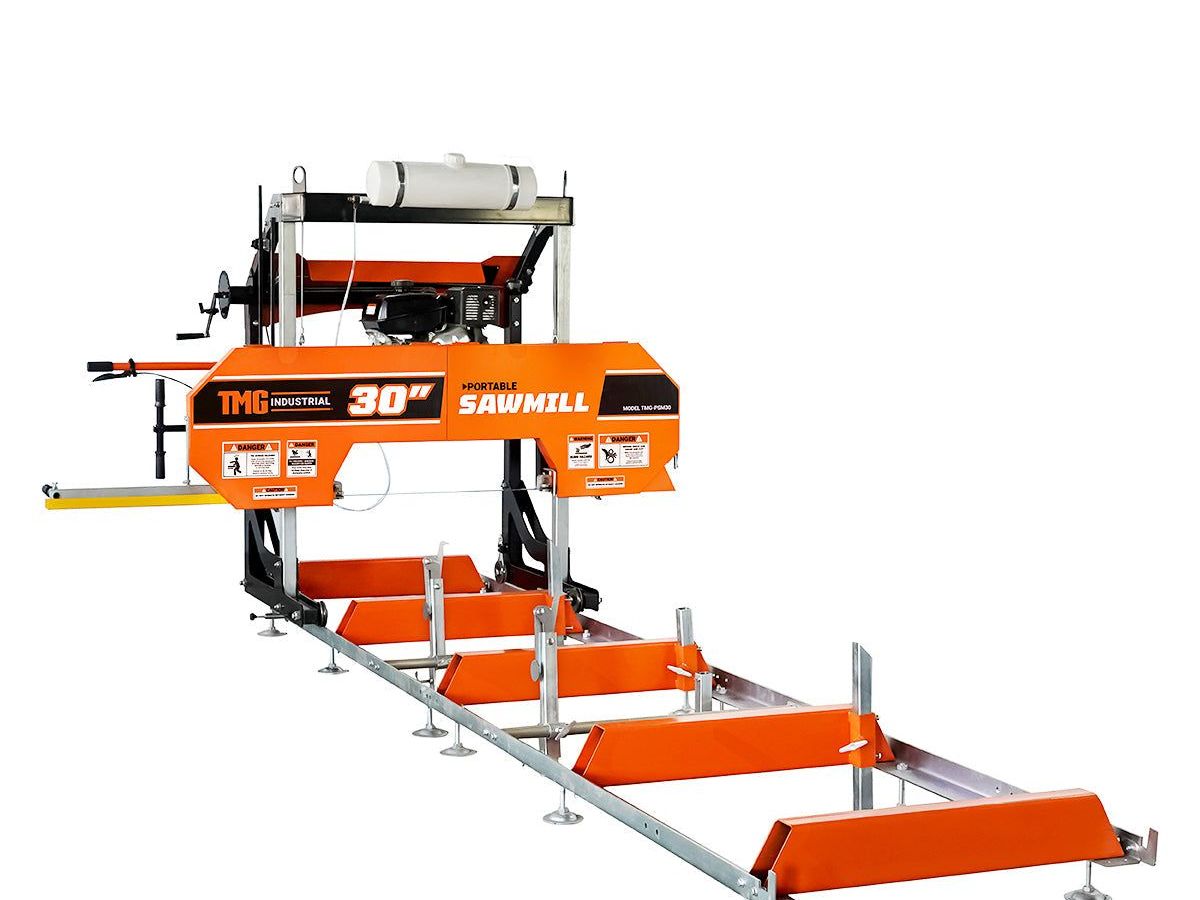
Let’s break down the parts. You’ve got the engine, the track, and the saw head. The engine powers everything, while the track guides the saw head along the log. Some sawmills even come with a trailer package for easy transport. It’s like having a mini lumber factory on wheels!
Different Types of Portable Sawmills
There are several types of portable sawmills. You’ve got manual mills, which are great if you’re on a budget and don’t mind some elbow grease. Then there are hydraulic mills, offering more automation and less physical labor. Finally, there are fully automated mills for those who want maximum efficiency with minimal effort. Each type has its own pros and cons, so it’s all about what fits your needs best.
Owning a portable log mill means you can turn fallen trees into valuable lumber right on the spot. No more wasted wood!
Choosing the Best Portable Sawmill for Your Needs
Factors to Consider When Buying
So you’re looking to buy a portable sawmill, huh? First thing’s first, think about what you’ll be using it for. Are you just tinkering around or planning some serious lumber work? Consider the size of logs you’ll be cutting and the power you need. Don’t forget to think about portability if you plan to move it around often. Some mills are easier to set up and transport than others.
Comparing Popular Models
There’s a whole bunch of portable saw mills for sale out there. Check out popular portable sawmill brands like Wood-Mizer and TimberKing. Each has its own perks and quirks. Some models are more suited for beginners, while others cater to the pros. Look for reviews from folks who have actually used them. Real-world experiences can tell you more than any spec sheet.
Budget vs. Features
Finding the best portable sawmill for the money is like balancing on a seesaw. You want good features but don’t want to break the bank. Decide which features are must-haves and where you can compromise. Sometimes spending a bit more upfront on the best portable saw mills can save you headaches down the road. Remember, the best portable sawmill isn’t always the priciest one; it’s the one that fits your needs just right.
Don’t rush into buying the first mobile saw mill for sale you see. Take your time to weigh the options and think long-term. It’s not just about the initial portable sawmill prices, but the value you get from it over time.
Setting Up Your Portable Sawmill for Success
Importance of a Level Foundation
Getting your sawmill on a flat surface is like the unsung hero of good milling. I learned the hard way when my cuts kept coming out all wonky. A level foundation makes a massive difference. I use concrete blocks and adjustable feet to make sure everything’s stable.
Tools and Equipment You Need
Before you start, make sure you’ve got all the gear. A solid wrench set, a level, and some clamps are essentials. Don’t forget safety gear like goggles and gloves. Having the right tools handy saves you a ton of headache later.
Common Setup Mistakes to Avoid
I’ve been there, setting up in a rush and missing key steps. Here’s a quick list to dodge common pitfalls:
- Skipping the level check – trust me, it’s worth the extra few minutes.
- Not securing logs properly – you don’t want them rolling mid-cut.
- Forgetting blade tension – loose blades mess up your lumber and can be dangerous.
Setting up your sawmill right from the start saves you time and frustration down the road. It’s all about getting the basics right so you can focus on the fun part – cutting those logs!
Mastering Cutting Techniques for Maximum Yield
Understanding Cutting Patterns
Cutting patterns are like solving a puzzle with each log. The right pattern can boost your yield by up to 25%.
Tips for Efficient Log Processing
Efficient log processing starts with a clean, well-prepped log. Dirt and metal can really mess up your blades.
Avoiding Common Cutting Errors
Avoiding common cutting errors is key to maximizing your yield. Keep your blades sharp and your cuts straight.
Pro Tip: A sharp blade is your best friend. It makes cutting smoother and your yield better.
Maintaining Your Portable Sawmill for Longevity
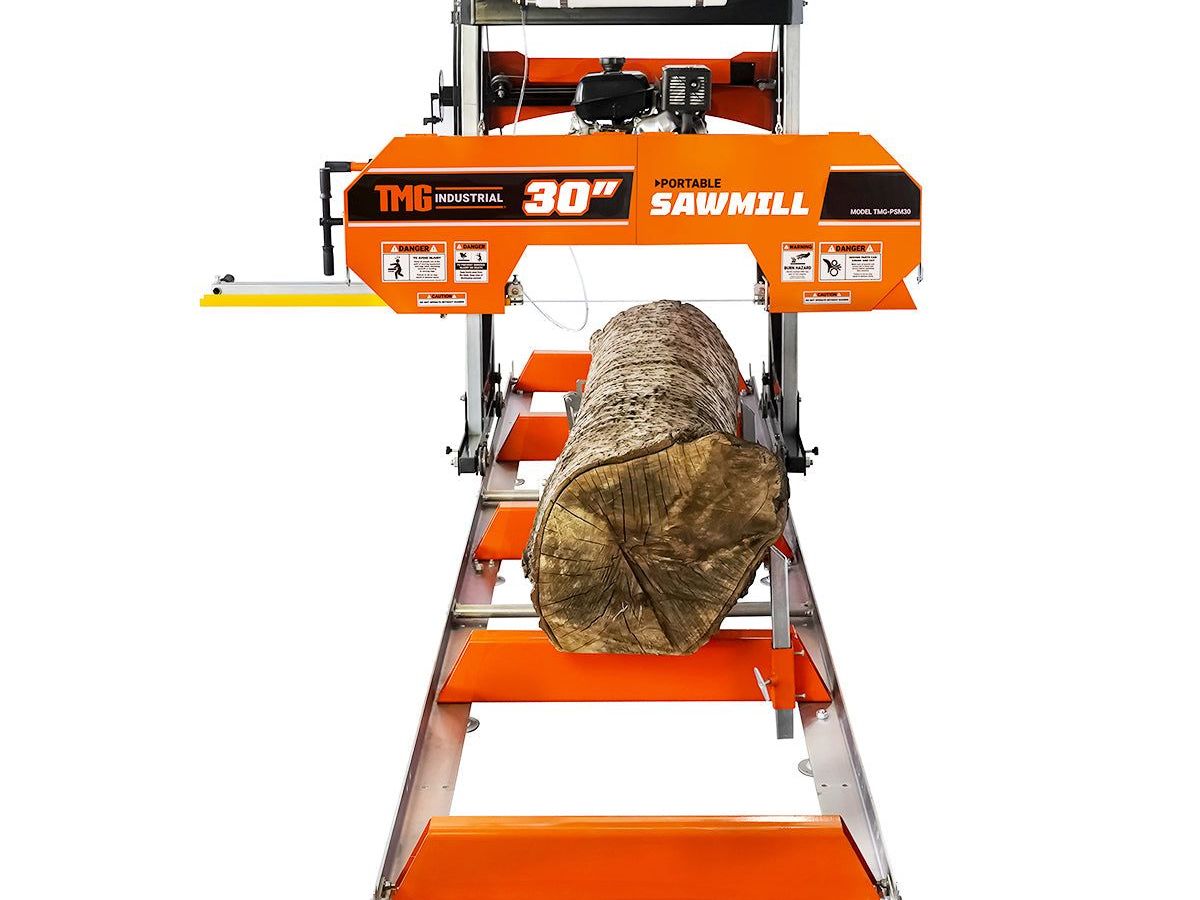
Keeping your portable sawmill in top shape is like brushing your teeth—absolutely necessary. Regular oiling and cleaning are key. After every use, I make sure to wipe down the blades and apply a bit of oil to keep rust away.
Sometimes things go wrong, and that’s okay. If your cuts start looking wonky, it might be time to check the blade alignment. I’ve found that adjusting the tension often solves the problem.
There are times when DIY just won’t cut it. If the engine’s making weird noises or you’re seeing smoke, it’s probably best to call in the pros. Trust me, it’s better than making things worse.
Optimizing Production Rates with Your Sawmill
Tracking Your Production Metrics
Keeping tabs on how much you’re producing is key. I jot down numbers after each session. It helps to see patterns and spot where I can do better.
Improving Efficiency with Better Techniques
Efficiency isn’t just about speed; it’s about doing things right. I’ve learned that planning my cuts and organizing logs saves loads of time.
Balancing Speed and Quality
Rushing can mess things up. I aim for a steady pace that keeps the quality high. It’s all about finding that sweet spot between speed and doing a good job.
I’ve found that balancing speed and quality is like walking a tightrope. Too fast, and you lose control; too slow, and you waste time. It’s tricky, but worth mastering.
Enhancing Lumber Quality with Proper Log Preparation
Cleaning and Inspecting Logs
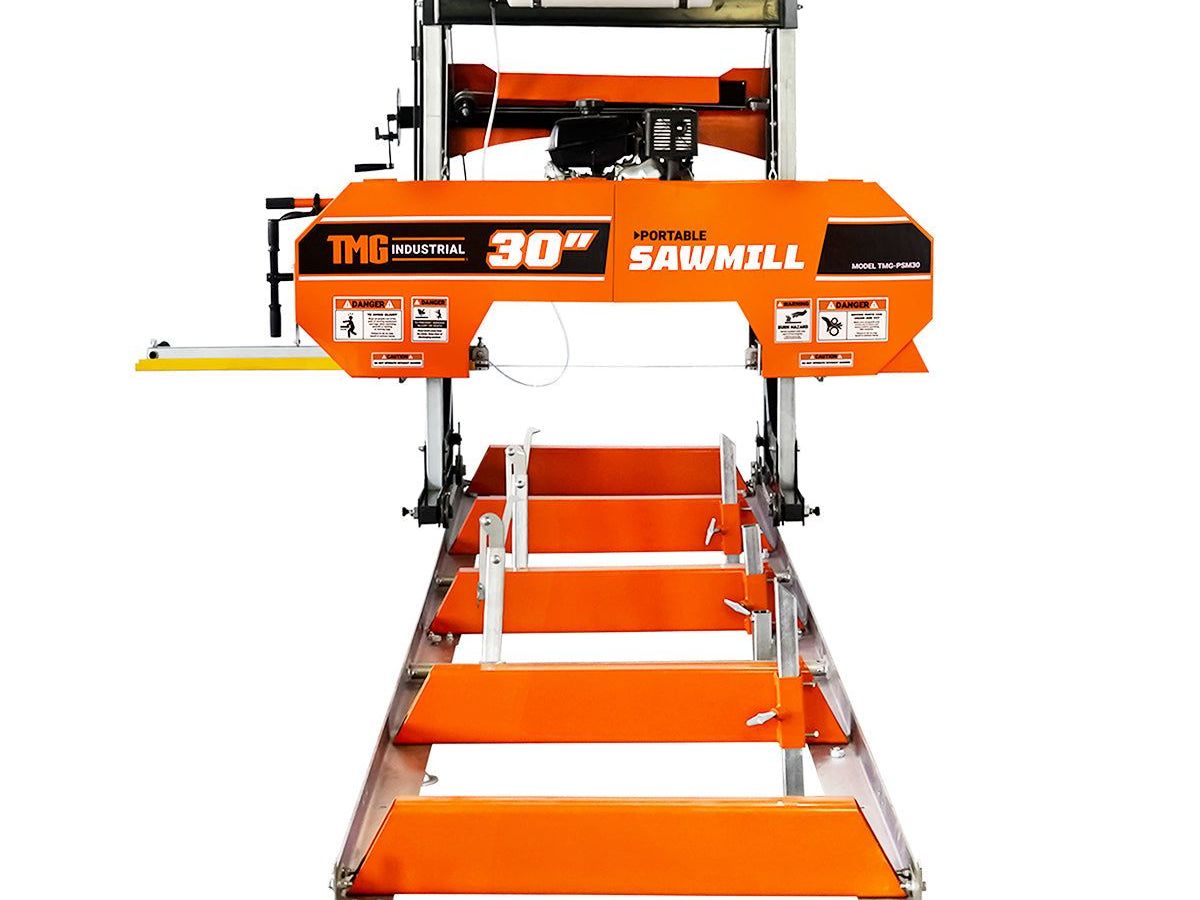
Alright, let’s get into it. First up, cleaning your logs. Seriously, don’t skip this step. Dirt, rocks, and even random bits of metal can mess up your saw and the wood. I always keep a metal detector handy. Trust me, it’s saved my blades more times than I can count. Plus, a clean log makes for better lumber.
Choosing the Right Logs for Your Project
Now, picking the right logs is like picking the right tool for a job. You gotta think about what you’re making. Is it a table? A chair? Each project might need a different type of wood. I like to check for straightness and check the grain. The better the log, the better the final product.
Impact of Log Quality on Final Product
Here’s the deal, the quality of your log totally affects the end product. If you start with a crummy log, you’ll end up with crummy lumber. It’s just how it goes. High-quality logs mean fewer defects and a smoother finish. So, always go for the best logs you can find.
Exploring Value-Added Services for Extra Income
Offering Custom Cutting Services
So, you’ve got your portable sawmill, and you’re thinking, "How can I make some extra cash with this thing?" One way is by offering custom cutting services. People love having wood cut to their specific needs, whether it’s for a special project or just because they can’t find the right size at the store. Custom cutting can really set you apart from the big guys.
Providing Drying and Storage Solutions
Another way to boost your income is by offering drying and storage solutions. Wood needs to dry properly before it’s used, and not everyone has the space or time to do it themselves. By providing this service, you’re not just storing wood; you’re making sure it’s ready to use when your customers need it.
Consulting and Project Planning
If you’ve been in the sawmill game for a while, you’ve probably learned a thing or two. Why not share that knowledge? Offering consulting and project planning services can be a great way to help others while also making some extra money. You can guide folks through the process of selecting the right wood, planning their projects, and even setting up their own sawmill operations.
"Adding these services to your sawmill business isn’t just about making more money; it’s about building a community and helping others succeed."
Building a Sustainable Sawmill Business
Staying in the loop with market trends is key. Right now, there’s a big push for locally sourced materials and eco-friendly products. Keeping an eye on these trends can help you adapt your business to meet new demands.
Building strong relationships with customers is essential. I always keep a gallery of past projects, which helps clients see what I can do. Repeat customers are a gold mine, often spending more over time.
To ensure your business lasts, focus on flexibility. Markets change, and so should you. Offering unique services like custom cutting or using sustainable timber can set you apart. Stay open to new ideas and keep learning to stay ahead.
Safety Tips for Operating a Portable Sawmill
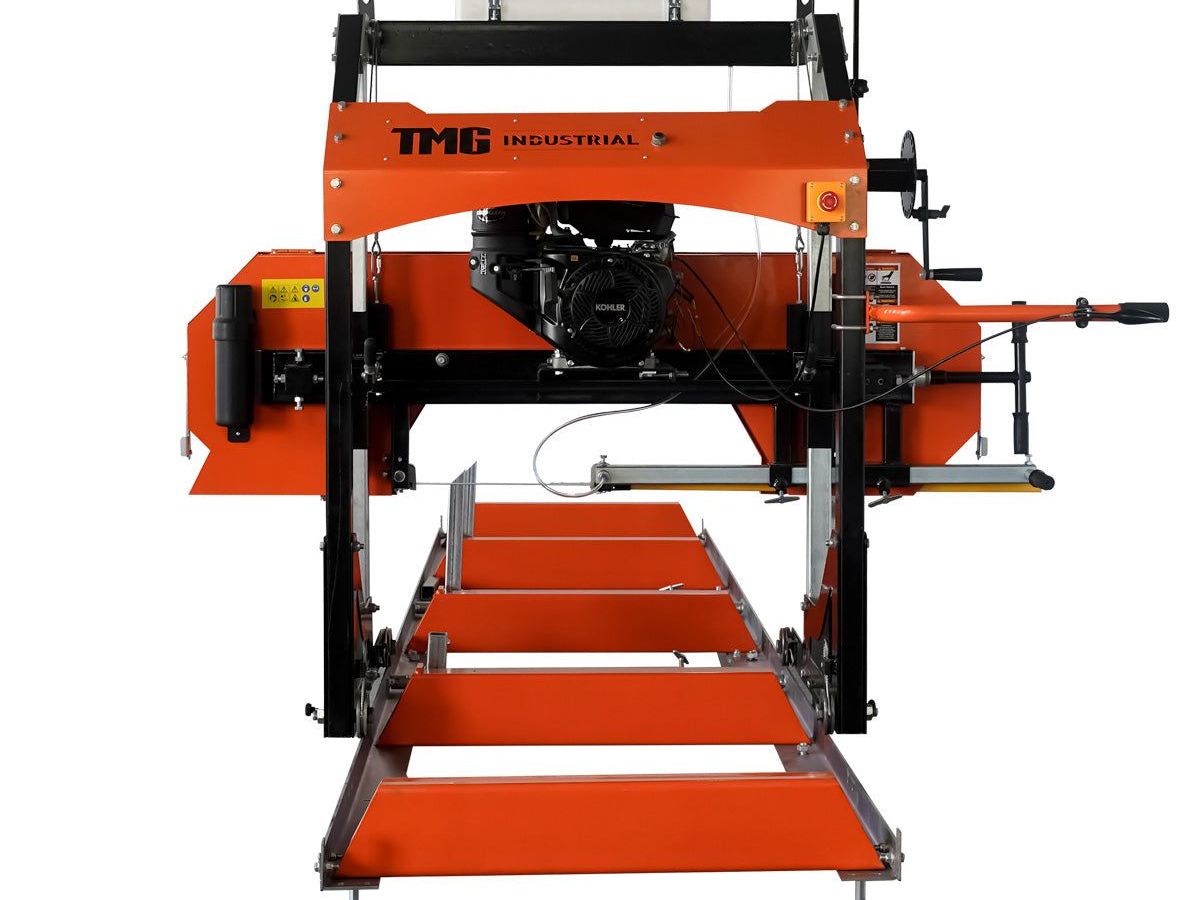
Before firing up your portable sawmill, make sure you’re decked out in the right gear. Hard hats, safety glasses, and steel-toed boots are non-negotiables. Ear protection is a must too because these machines can get loud.
Always keep your work area tidy, and never operate the mill when you’re tired. Double-check that all safety guards are in place before you start cutting. It’s a good idea to have a buddy around, just in case something goes sideways.
Know your emergency procedures like the back of your hand. If something goes wrong, you need to act fast. Have a first aid kit within arm’s reach and a plan for getting help if needed. Remember, it’s better to be safe than sorry.
When using a portable sawmill, safety should always come first. Make sure to wear protective gear like gloves and goggles. Keep your work area clean and free of obstacles to avoid accidents. Always check your equipment before starting to ensure everything is in good condition. For more tips and to explore our range of sawmills, visit our website today!
Wrapping It Up: Your Journey with Portable Sawmills
So there you have it! Using a portable sawmill can really change the game when it comes to turning logs into lumber. Whether you’re a hobbyist or running a business, these machines let you work right where the trees are. Remember, it’s not just about having the best equipment; it’s also about how you use it. Keep your setup level, clean your logs, and think about your cutting patterns. With a little practice and care, you can make the most out of your sawmill. Plus, you’ll be helping the environment by using wood that might otherwise go to waste. So, get out there, have fun, and start creating with your portable sawmill!
Frequently Asked Questions
What is a portable sawmill?
A portable sawmill is a machine that cuts logs into lumber right where the trees are. This makes it easier to use fresh wood without needing to transport heavy logs.
How do I choose the right portable sawmill?
When picking a portable sawmill, think about how much wood you need, your budget, and what features are important for your work.
What are the main benefits of using a portable sawmill?
Portable sawmills save time and money by allowing you to cut wood on-site. They also help reduce waste by using local trees.
Can I use a portable sawmill for commercial purposes?
Yes, many portable sawmills are designed for commercial use. They can help businesses produce lumber efficiently and quickly.
What maintenance do I need to do on my sawmill?
Regular maintenance includes checking the blade, cleaning the machine, and lubricating moving parts to keep everything running smoothly.
How can I improve my lumber yield?
To get more usable lumber, plan your cuts carefully and make sure your logs are clean and dry before cutting.
What safety gear do I need when using a portable sawmill?
Always wear safety glasses, gloves, and ear protection. It’s also smart to have a first aid kit nearby.
Can I make money with a portable sawmill?
Yes, many people earn extra income by offering custom cutting services or selling their lumber. It’s a great way to turn a hobby into a business.