Hydraulic Flail Systems: Professional Mowing Solutions

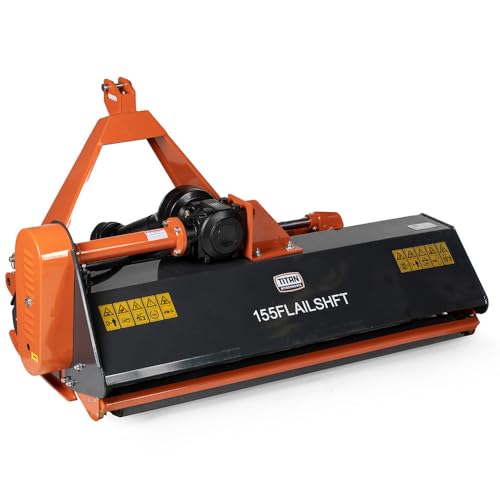
Hydraulic flail systems are transforming the way we manage vegetation.
These powerful machines, equipped with unique features, offer a range of benefits that make them stand out from traditional mowers.
In this article, I will explore what hydraulic flail mowers are, how they work, and why they are the go-to choice for professional mowing solutions.
Key Takeaways
- Hydraulic flail mowers use hammer-like blades to mulch vegetation into fine pieces, promoting faster decomposition.
- The hydraulic side shift feature allows for easy maneuvering in tight spaces, saving time and effort during mowing.
- These mowers can handle thick materials up to 3 inches in diameter, making them ideal for heavy-duty tasks.
- Regular maintenance of the hydraulic system is crucial for optimal performance and longevity of your mower.
- Investing in a hydraulic flail mower can lead to lower maintenance costs and better land management over time.
Understanding Hydraulic Flail Systems
What Makes Them Unique
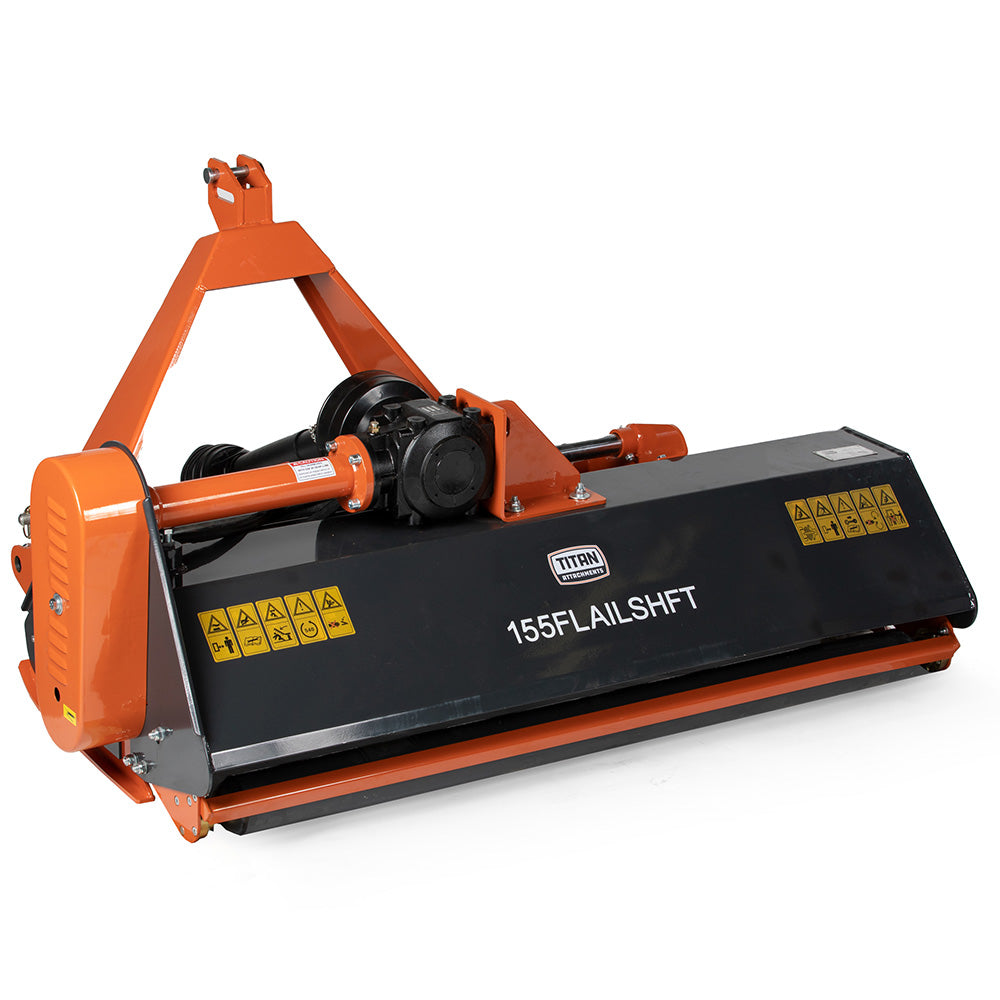
Hydraulic flail systems stand out because they offer a different kind of mowing experience. These machines use a horizontal rotor with multiple blades, which pulverizes vegetation instead of just cutting it. This method creates finer mulch that breaks down quicker, enriching the soil. Plus, they’re way quieter than your typical rotary mowers.
How They Work
So, here’s the lowdown. The hydraulic flail system uses a rotor shaft that spins at high speeds, powered by your tractor’s hydraulic system. The blades attached to the rotor swing freely, striking and shredding plants into small pieces. This setup reduces the risk of debris being thrown around, making it safer for everyone.
Benefits Over Traditional Mowers
- Safety: Reduced debris throw means fewer accidents.
- Efficiency: Cuts and mulches in one go, saving time.
- Versatility: Handles everything from grass to thick brush.
Once you try a hydraulic flail, you might not want to go back to your old mower. It’s like swapping out a flip phone for a smartphone—everything just works better.
Hydraulic flails are the future of mowing, blending efficiency with eco-friendliness. They’re a solid choice for anyone serious about land maintenance.
Choosing the Right Hydraulic Flail Mower
Factors to Consider
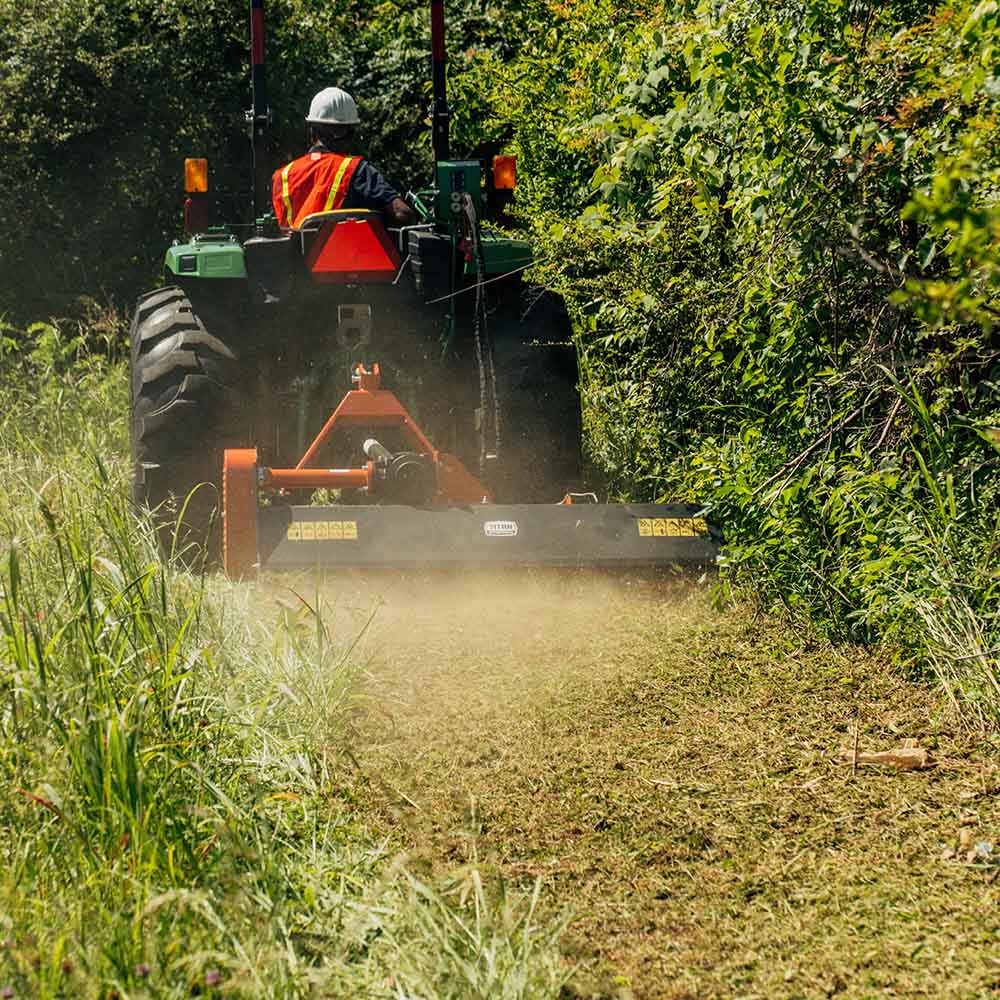
Picking a hydraulic flail mower ain’t rocket science, but you gotta think about a few things. First, what kind of land are you dealing with? If it’s a small patch, you don’t need a massive machine. Your land’s size and type really matter. Are you dealing with flat fields or bumpy hills? This affects the mower’s performance big time.
Size and Power Requirements
Size does matter, folks! For properties under 10 acres, a 60-inch cutting width is your best buddy. Got a bigger place? Go for 72 inches. Also, check your tractor’s horsepower. You need at least 40 HP for the smaller mowers and up to 55 HP for the big guys. Underpowered tractors just won’t cut it, literally.
Budget-Friendly Options
Let’s talk money. You don’t have to break the bank for a decent mower. There are budget-friendly options that still pack a punch. Look for models that offer the basics without all the fancy extras. Sometimes, less is more, and your wallet will thank you.
Choosing the right mower is like picking the perfect pair of boots. It needs to fit your needs and last through the tough times.
Disclosure
This post contains affiliate links. If you make a purchase through these links, we may earn a small commission at no extra cost to you.
The Magic of Hydraulic Side Shift
Why It’s a Game-Changer
Alright, so here’s the deal. You’re mowing along your fence line, and there’s that annoying strip you just can’t reach with a regular mower. Enter the hydraulic side shift. This thing lets you slide the mower left or right, all while chilling in your tractor seat. No more awkward angles or missed spots. It’s like having an extra set of hands to get those tricky areas without even breaking a sweat.
How to Use It Effectively
Using a hydraulic side shift? It’s a breeze. First, make sure your mower is properly attached to your tractor. When you’re ready to mow, just use the controls to slide the mower to the side. Tackle those hard-to-reach spots like a pro. Remember, you can adjust on the fly, so keep an eye on what needs trimming as you go. It’s all about making your life easier, one pass at a time.
Real-Life Applications
So, where does this really shine? Think roadside ditches, fence lines, or anywhere that’s a pain to mow straight on. With the side shift, you’re not just mowing; you’re conquering those awkward areas with ease. It’s perfect for folks with lots of land or anyone who’s tired of doing the same patchy job. The Remet F2-200 79″ Flail Mower with its 15.75″ hydraulic side shift is a prime example, turning a tough job into a smooth ride.
Maintenance Tips for Longevity
Routine Checks
Alright, let’s keep it simple. Regular maintenance is key to keeping your hydraulic flail mower running smoothly. Think of it like brushing your teeth; you wouldn’t skip that, right? So, here’s what you do:
- Check the hydraulic fluid: Make sure it’s at the right level and looks clean. If it’s dark or smells funny, change it.
- Inspect the blades: Look for wear and tear. If they’re dull, it’s time to sharpen or replace them.
- Tighten loose bolts: Give your mower a once-over and tighten anything that’s coming loose.
Common Issues and Fixes
Stuff happens, right? But don’t worry, most problems have simple fixes:
- Uneven cutting: Check your rotor speed and blade alignment. Sometimes, it’s just a quick adjustment.
- Vibrations: This could be due to unbalanced blades or loose parts. Balance the blades and tighten everything up.
- Hydraulic leaks: Look for any leaks around hoses and fittings. Replace any damaged parts.
Expert Advice
Here’s a little nugget from the pros: Keep a maintenance schedule. Seriously, it saves you headaches down the line. Use a calendar or an app to remind you when it’s time for a check-up. A little effort now means you avoid big problems later.
Keeping your mower in top shape isn’t just about avoiding breakdowns; it’s about making sure every mow is as efficient as the last. Regular care means your mower will last longer and perform better, saving you time and money.
Safety First: Operating Your Flail Mower
Essential Safety Gear
Alright, let’s talk safety gear. Before you even think about starting up your flail mower, gear up properly. You’ll need:
- A sturdy pair of gloves to protect your hands.
- Safety glasses or goggles to keep debris out of your eyes.
- Ear protection, because these machines can get loud.
- Steel-toed boots to keep your feet safe from any mishaps.
Safe Operating Practices
Now, onto the operating part. Always check your surroundings before you start mowing. Look for rocks, sticks, or anything else that could become a flying hazard. Make sure all guards and shields are in place on your mower. When you’re mowing, keep a steady pace, and avoid sharp turns. Don’t forget to disengage the PTO before you get off the tractor.
Emergency Procedures
Accidents happen, so be prepared. Know where the emergency shut-off is on your equipment. If something goes wrong, turn off the machine immediately. It’s also smart to have a first-aid kit nearby, just in case. And remember, if you’re ever in doubt, call a professional for help.
Safety isn’t just a checklist—it’s a mindset. Take it seriously every time you operate your flail mower.
Maximizing Efficiency with Your Mower
Time-Saving Techniques
So, you want to save time mowing, huh? Well, here’s the deal: plan your mowing path before you start. This way, you’re not zigzagging all over the place. Stick to straight lines or a circular pattern, whatever fits your land best. Also, don’t forget to keep your mower blades sharp. Dull blades slow you down and mess up your lawn.
Optimal Cutting Strategies
Now, let’s talk cutting strategies. First, adjust your mower to the right height. Cutting too low can stress the grass and slow you down in the long run. Next, mow when the grass is dry. Wet grass clumps and can jam up your mower. Finally, vary your mowing pattern each time. This helps prevent soil compaction and keeps your grass healthier.
Enhancing Performance
To get the best out of your mower, regular maintenance is key. Check the oil, clean the air filter, and give the blades a once-over before each use. If your mower’s got a side shift feature, use it to reach those tricky spots without having to reposition everything. Trust me, it makes a huge difference.
Keeping your mower in top shape isn’t just about performance. It’s about making your life easier and your mowing sessions quicker.
So there you have it. With these tips, you’ll be mowing like a pro in no time. And remember, a well-maintained mower is your best friend in the yard.
Environmental Impact of Hydraulic Flail Mowers
Eco-Friendly Features
Alright, so let’s talk about the green side of hydraulic flail mowers. These bad boys are not just about cutting grass; they’re about doing it in a way that’s kind to Mother Earth. First off, they mulch as they mow, which means you’re turning grass into natural fertilizer right on the spot. No need to bag up clippings and haul them off. Plus, this mulching action helps keep the soil healthy and happy.
Reducing Carbon Footprint
Now, about that carbon footprint. Hydraulic flail mowers are designed to be efficient, which means they use less fuel compared to some of those old-school mowers. Less fuel means fewer emissions, and that’s a win for everyone. It’s like getting more done with less gas. Also, because they chop things up finer, you get quicker decomposition, which is another tick in the eco-friendly column.
Sustainable Land Management
Using these mowers isn’t just about keeping your lawn looking sharp; it’s also about sustainable land management. They help maintain the land without stripping it of nutrients. By chopping and dropping, you’re feeding the soil. It’s like giving your land a little snack every time you mow. So, you get a neat yard and a pat on the back from the environment. Pretty sweet deal, right?
Keeping it green while keeping it clean. That’s what hydraulic flail mowers are all about. They make sure your mowing game is strong and sustainable.
Hydraulic Flail Mowers vs. Other Mowers
Performance Comparison
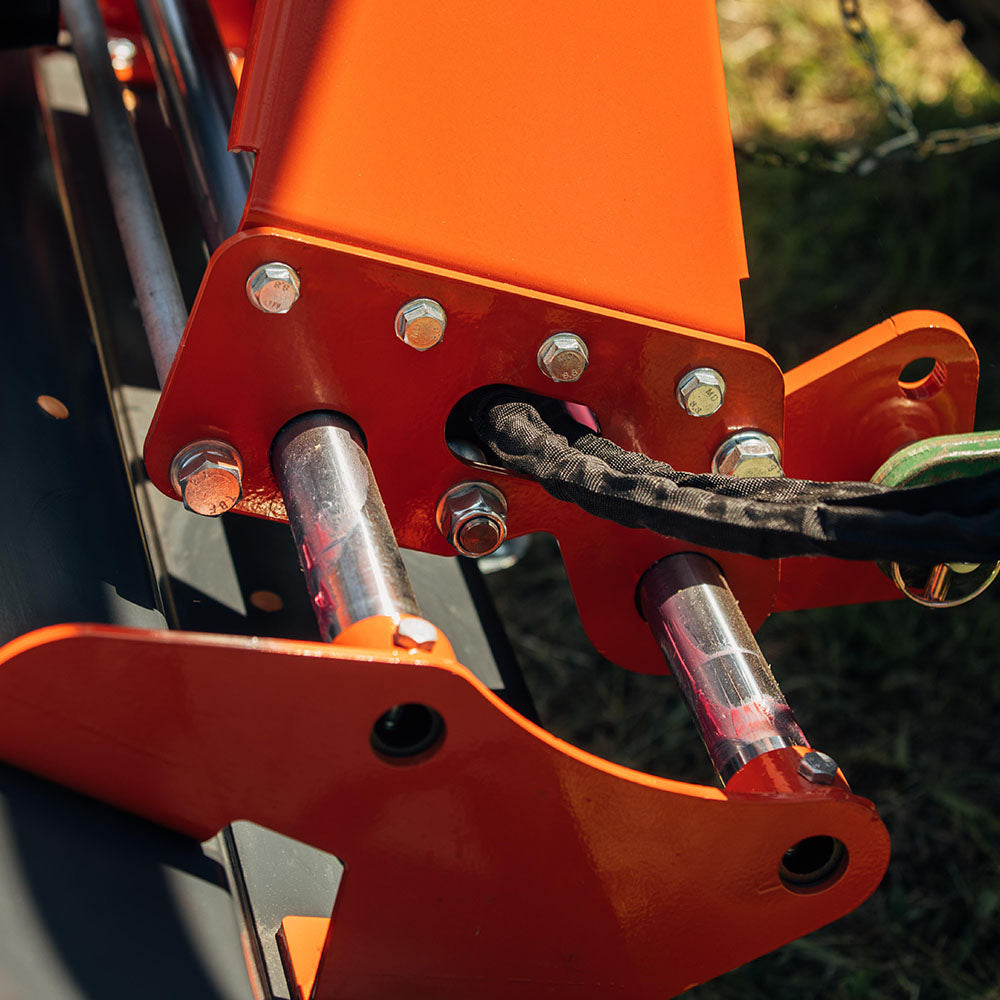
Alright, let’s dive into the nitty-gritty of why a flail mower hydraulic is a beast compared to other mowers. First off, the flail mower is like the Swiss army knife of mowing. It doesn’t just cut; it pulverizes. You get this fine mulch instead of chunky debris. This is thanks to the rotor shaft spinning at 540 RPM, creating a hammer-like action. So, while a regular mower just chops, a flail mower turns vegetation into a natural fertilizer.
Cost Analysis
When we talk dollars and cents, the hydraulic flail mower for sale might look pricey upfront, but hang on. Over time, these mowers save you cash. How? They have lower maintenance costs and a longer lifespan. According to the Equipment Management Association, flail mowers with hydraulic features show 45% lower maintenance costs over five years compared to standard brush hogs.
Disclosure
This post contains affiliate links. If you make a purchase through these links, we may earn a small commission at no extra cost to you.
User Experiences
Now, if you ask folks who’ve used both, the hydraulic flail mower for excavator users often rave about how versatile it is. The side shift flail mower feature is a game-changer, letting you slide the mower side to side, making those hard-to-reach spots a breeze. Plus, less debris flying around means a safer operation. It’s like moving from a machete to a wood chipper.
Switching to a hydraulic flail mower skid steer was like night and day. I used to dread mowing, but now, it’s almost fun!
So, if you’re pondering whether to go for a flail mower with side shift or stick with the old rotary, think about the ease, the savings, and the sheer efficiency. The choice seems pretty clear, right?
Innovations in Hydraulic Flail Technology
Alright, let’s talk about the cool stuff in hydraulic flail mowers these days. Smart monitoring systems are popping up everywhere. Imagine your mower telling you when the blades are dull or when it’s time for a check-up. It’s like having a mechanic in your pocket!
Future Trends
What’s coming next? Well, folks are buzzing about materials like carbon-fiber and ceramics making these mowers tougher and lighter. And, who knows, maybe we’ll see more AI tech, helping these machines work even smarter.
Industry Insights
From what I’m hearing, the industry is all about making these mowers more efficient and eco-friendly. There’s a big push to cut down on emissions and make them easier to use for everyone. It’s all about getting more done with less hassle.
“The future of mowing is not just cutting grass; it’s about doing it smarter and greener.”
Real-World Success Stories
Case Studies
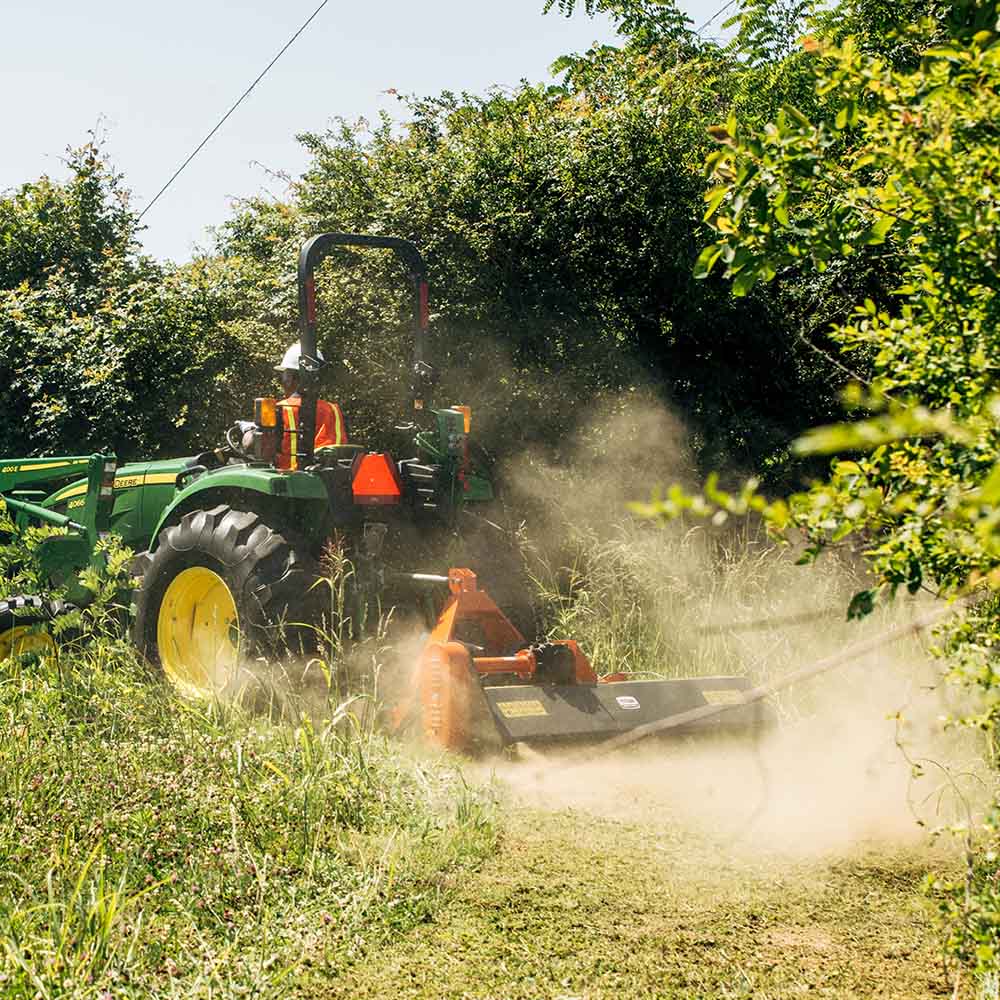
I’ve seen some pretty cool stuff with hydraulic flail mowers. Take this one guy who had a massive property with overgrown brush everywhere. He was using a regular mower and it was a nightmare. Then he switched to a flail mower, and bam! He cleaned up the whole place in no time. It was like night and day!
User Testimonials
Folks are always sharing their stories. One user, Robert from Tennessee, said he couldn’t believe how fast his flail mower worked. He went from spending hours mowing to just a quick pass and done! Another guy, John, said he loved how it mulched everything so fine, it was like free fertilizer for his land.
Lessons Learned
So, what have we learned from these stories? First, flail mowers save you a ton of time. Second, they do a better job at mulching, which is awesome for your soil. And third, once you go flail, you never go back. Seriously, it’s like upgrading from a flip phone to a smartphone. You just can’t imagine going back to the old way of doing things.
Troubleshooting Common Problems
Identifying Issues
Alright, so your flail mower isn’t acting right? Let’s break it down. First, listen for weird vibrations. A steady rhythm might mean uneven blade wear or bent rotor bits. If it’s all over the place, check for loose parts or maybe something got stuck in there.
Quick Fixes
Got a problem? Here’s how to tackle it:
- Check the rotor speed. Most uneven cuts start there.
- Look at the belt tension and make sure it’s tight.
- Inspect the blades for wear and tear.
When to Call a Professional
Sometimes, it’s just too much. If you’ve tried the quick fixes and things are still off, it might be time to dial a pro. Especially if you’re dealing with hydraulic issues or major structural problems. Better safe than sorry, right?
Remember, regular maintenance can save you a ton of headaches down the road. Don’t wait for something to break before you give your mower some love.
Understanding Your Investment
Cost-Benefit Analysis
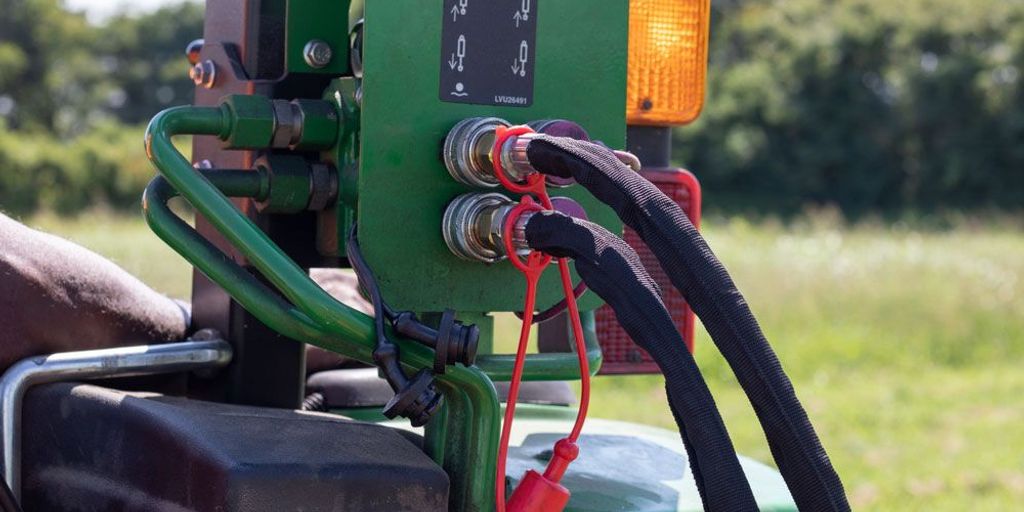
So, you’re thinking about getting a hydraulic flail mower, huh? Let’s break down the numbers. You might pay a bit upfront, but the long-term savings are where it’s at. These mowers mulch better, so you won’t need as much fertilizer. Plus, less maintenance means more time for you to kick back.
Long-Term Savings
Over time, you’ll notice you’re spending less on replacement parts and labor. That mower keeps on giving with higher resale value, too. It’s like investing in a good pair of boots—pays off in the long run.
Resale Value
When it’s time to upgrade or sell, a well-maintained flail mower can fetch a nice price. Keep it in good shape, and you’ll see a return on your investment. It’s about making smart choices now for benefits later.
Think of it this way: the right mower isn’t just a purchase; it’s a partner in your land management journey. Choose wisely and reap the rewards.
Wrapping It Up: Why Hydraulic Flail Mowers Are a Smart Choice
So, there you have it! Hydraulic flail mowers with side shift are a total game-changer for anyone dealing with overgrown land.
They don’t just cut; they mulch and turn debris into fertilizer, making your yard healthier.
Plus, the side shift feature means you can reach tricky spots without moving your whole tractor.
It’s all about saving time and effort while getting the job done right.
If you want to keep your property looking sharp and tidy, investing in one of these mowers is a no-brainer. Happy mowing!
Frequently Asked Questions
What is a hydraulic flail mower?
A hydraulic flail mower is a machine that cuts and mulches grass and brush using hammer-like blades. It can handle thick materials and turns them into small pieces that decompose quickly.
How does the side shift feature work?
The side shift feature allows the mower to move left or right without moving the tractor. This helps in reaching tough spots like along fences or in ditches.
What are the benefits of using a flail mower instead of a regular mower?
Flail mowers chop vegetation into smaller pieces, which helps it break down faster. They also do a better job of mulching and can handle thicker materials.
Can I use a flail mower on uneven ground?
Yes, flail mowers are designed to work well on uneven surfaces. They have adjustable parts that help maintain a consistent cutting height.
How often should I sharpen the blades?
You should sharpen the blades every 50 to 60 hours of use. This keeps the mower cutting effectively.
Is it safe to use a flail mower?
Yes, flail mowers come with safety features like rear rollers and safety chains to prevent debris from flying out. Always wear safety gear while operating.
What type of tractor do I need for a hydraulic flail mower?
You need a tractor with at least 40 to 50 horsepower to use a hydraulic flail mower effectively. Make sure it has a three-point hitch for attachment.
How do I maintain my hydraulic flail mower?
Regular maintenance includes checking the hydraulic fluid, sharpening the blades, and cleaning the mower after use to keep it in good working condition.