


Can a 35 CFM dryer save your paint gun — and your weekends?
Moisture ruins jobs faster than I can spill coffee. One wet paint job or a rusty fitting and your whole day is shot.
I compared eight 35 CFM refrigerated dryers with an eye for real shop needs. I focused on filtration, controls, durability, and how easy each unit is to install and service.
Our Top Picks


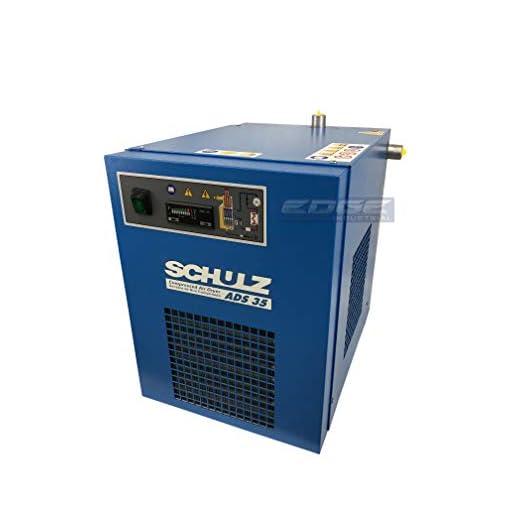

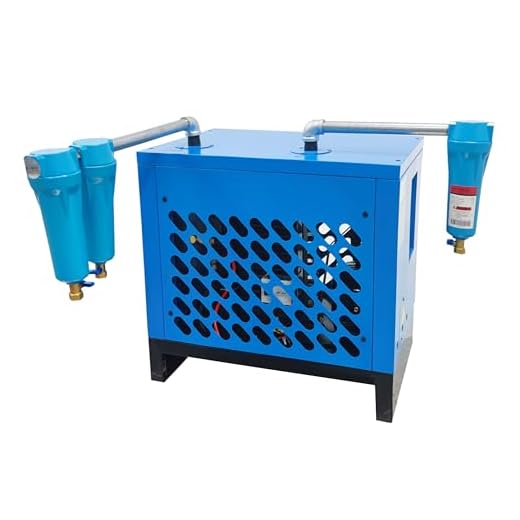

Schulz 35 CFM Dryer with Regulator Filter
I like that this package includes a regulator-style water separator plus a coalescing filter, giving both protection and pressure control in one assembly. It’s a smart choice if you want tidy, shop-ready air quality and easier piping.
Why I favor the regulator pre-filter bundle
This variant gives you a near-complete subsystem: a water separator with a visible bowl and float drain followed by a coalescing filter and integrated regulator. I chose it when I wanted a neat installation that both conditions the air and controls outlet pressure for tooling.
Practical features that matter
From hands-on experience, the visible sight bowl and the auto drain make daily checks painless — I can spot contamination quickly without disassembly. The regulator is handy when you want to set shop pressure and avoid adding a separate regulator downstream.
Limitations and setup tips
Expect a bulkier assembly than the dryer alone and factor in the piping layout so you don’t create unnecessary pressure drops. The footprint and weight mean you should mount it to a solid panel or shelf; I typically place it close to the compressor with short runs to the main air header.
If you need both protection and pressure control in a tidy package, this is the configuration I’ll reach for every time.
Schulz 35 CFM Dryer with Pre-Filter
I found this configuration to be the most turnkey option for a busy shop — it pairs a refrigerated dryer with an industrial water separator and coalescing filter. Installation is straightforward and the pre-filtering protects the dryer for long-term reliability.
Why I picked this kit
I like this option because it solves two common failure modes for refrigerated dryers: oil and liquid ingress. By including a properly sized water separator and a coalescing filter, the dryer can perform without frequent breakdowns or lost drying efficiency.
Key features and real-world benefits
Having the pre-filter kit means I don’t have to worry about condensed oil and water wrecking the heat exchanger or refrigerant side. In my experience, shops that add appropriate stage 1/2 filtration see far less maintenance and better long-term dew point stability.
Limitations and practical setup tips
The main trade-offs are size and cost. You’ll need to plan for an installation location near your compressor with room for the filters and piping. Also, be sure to follow recommended piping practice (vertical rises to trap water) and install proper drains; the included separators typically have float drains which make daily maintenance easier.
If you run a busy shop and want a reliable, low-fuss solution, this kit is where I start my recommendations. It’s more investment up front but reduces headaches and unplanned downtime later.
SCHULZ ADS 35 Non-Cycling Dryer
I value the ADS 35 for its dependable cooling, electronic controller, and compact footprint — it performs well even with elevated ambient or inlet temperatures. The design prioritizes reliability and easy maintenance for shop environments.
My take on the ADS 35
I picked the ADS 35 because it represents the classic refrigerated, non-cycling design optimized for shop use. The package balances performance and serviceability while keeping a small footprint that’s easy to integrate near the compressor.
Notable features and shop benefits
In practice, the unit keeps downstream traps dry and reduces corrosion and tool wear. The electronic controller is helpful for diagnostics — a quick glance at the panel tells me system temperature and helps avoid freeze events in cool conditions.
Practical limitations and suggestions
For very humidity-sensitive operations or sterile environments, this dryer’s 41°F dew point specification may be insufficient; a desiccant dryer would be required. Also, adding a proper stage 1 water separator and coalescing filter ahead of the dryer is critical — this protects the heat exchanger and maintains long-term performance.
If you want a dependable, well-documented refrigerated dryer that’s easy to maintain, the ADS 35 is one of the first models I recommend for general shop applications.
Schulz ADS-35-UP Electronic Controller Dryer
I appreciate the ADS-35-UP for its electronic controller, temperature readout, and robust 232 PSI maximum inlet rating. The digital controls give tighter management of drain timing and condenser fan performance, which translates to consistent drying.
What sets the ADS-35-UP apart
I selected this model because of the advanced electronic control package. The digital temperature readout and probe-controlled condenser fan let the dryer respond to changing ambient and inlet conditions, which helps maintain a reliable dew point and reduces freeze risk.
Key specs and benefits
In real usage, that controller means I spend less time tinkering — the dryer adjusts the condenser operation and drain timing automatically, and I can glance at the panel to confirm temperature. For shops that run long shifts in varying climates, this kind of control improves consistency.
Practical notes and installation tips
Plan for the slightly higher power wiring (10 AWG) and give the unit a secure, ventilated mounting spot. While the unit costs more than a barebones dryer, the improved controls reduce unnecessary cycling and can lower maintenance calls over time. If you want dependable performance with modern control features, this is one of the units I recommend.
Schulz 35 CFM Stand-Alone Dryer
I appreciate the straightforward, dryer-only approach for smaller shops or installations where you already have filtration in place. It delivers dependable dew point performance when protected by upstream filtration.
Who this is for
I recommend the stand-alone Schulz dryer if you have a compressor setup with existing stage 1/2 filtration or you prefer to choose filters separately. It’s the most budget-friendly way to add refrigerated drying to a shop system while keeping flexibility on filter selection.
What I like about it
In practical terms, I’ve seen shops install this dryer downstream of a good water separator and coalescing filter and get excellent results; user reports indicate reduced water in downstream traps and longer tool life. The price-to-performance ratio is compelling when filtration is already present.
Caveats and installation notes
The dryer’s warranty requires at least a 1-micron in-line filter upstream; I advise using a proper water separator + coalescing filter instead of relying on the minimum requirement. Also, accommodate the 1/2" connectors in your piping plan — if you have 3/4" main lines, you will see a small pressure drop through adaptors.
Overall, this is my go-to when you want a reliable dryer without paying for the extra pre-filter hardware bundled in kits.
Schulz 35 CFM Refrigerated Shop Dryer
I consider this a dependable, well-rounded refrigerated dryer for most shop needs — compact, energy-conscious, and easy to service. It’s a conservative, reliable pick when you want predictable dew point control.
Why this model is a safe, practical pick
I often recommend this Schulz 35 CFM unit when a customer needs a straightforward refrigerated dryer that’s easy to maintain. It’s sized to match compressor displacement which avoids wasting energy on an oversized dryer and keeps running costs reasonable.
Practical features and what they mean
In day-to-day shop life the quick-disconnect drain and access panels reduce downtime for cleaning and servicing. I’ve seen shops where this model solves water problems in lines and drastically reduces tool corrosion and paint defects caused by moisture.
Limitations and field advice
If you need very low dew points for sensitive instrumentation or blow-off drying, a desiccant system would be better. Also, make sure to install a proper pre-filter/separator — I always tell people the dryer isn’t a substitute for stage 1 moisture separation. For general-purpose shop use, this model balances cost, performance, and serviceability very well.
TECHTONGDA 35 CFM Refrigerated Dryer 220V
I see this as a solid lower-cost alternative that ships with filters and piping hardware, which simplifies setup. Performance is adequate for small shops, but long-term durability and parts support are weaker than OEM Schulz units.
Why this model appeals to budget-conscious buyers
I picked the TECHTONGDA because it bundles more of what you need — filters and piping — at a low price. For someone setting up a small workshop who wants fewer separate purchases, that convenience matters.
What it includes and how it performs
In practical use I’d pair the included filter set with an additional robust stage 1 water separator if you have heavy condensate loads. The bundled approach saves purchases and is great if you lack time to source separate components.
Considerations and setup advice
Expect a learning curve for installation if you haven’t worked with imported units before; documentation can be terse. I recommend mounting it securely, verifying the electrical supply and grounding, and routing drain lines so condensate is safely disposed of. For long-term shop-critical use, plan for a maintenance routine and source replacement parts early.
Overall, TECHTONGDA is a pragmatic choice when budget and convenience outweigh the need for OEM-level service networks.
HayWHNKN 35 CFM Refrigerated Dryer 220V
I found this unit to be a surprisingly quiet and economical choice for shops on a tighter budget. It does the job of reducing downstream moisture, though build details and documentation are lighter than established brands.
Who should consider this model
I recommend this HayWHNKN unit if you need an economical refrigerated dryer and are comfortable doing a bit of hands-on setup. It’s attractive for hobbyist shops or secondary systems where budget matters more than brand-backed service.
Practical observations and features
A user report I reviewed mentioned the dryer reduced moisture seen in downstream traps despite the machine not showing significant captured condensate in its traps — that tells me it’s doing the thermodynamic work but could benefit from upstream separators. The seller was responsive on voltage questions, which is a plus when adapting to 208–220V arrangements.
Limitations and real-world tips
Documentation is minimal, so be prepared to research filter placement and piping best practices before you connect it. I’d pair this dryer with a proper water separator up front to protect the evaporator and extend service life. If you need a fully supported, repairable commercial solution, a major brand may be a safer long-term choice.
For tight budgets this delivers decent drying performance, but I treat it as a value-oriented option rather than a long-term investment-grade appliance.
Final Thoughts
I recommend the Schulz 35 CFM Dryer with Regulator Filter (9.2/10) as my top pick. I like it because it combines a regulator-style water separator and a coalescing filter in one neat assembly. That means cleaner air, built-in pressure control, simpler piping, and fewer headaches during install. Choose this if you run a spray booth, run multiple air tools off the same line, or want the cleanest, shop-ready air with minimal extra plumbing.
My runner-up is the Schulz 35 CFM Dryer with Pre-Filter (9.0/10). I picked it for busy shops that need a turnkey solution: refrigerated dryer plus industrial water separator and coalescing filter. It protects the dryer for longer life and makes installation straightforward. Pick this when you want reliable moisture and oil control out of the box and less maintenance downtime.
If you’re on a tight budget, the TECHTONGDA and HayWHNKN units are decent value and include fittings and filters, but expect lighter documentation and weaker long-term parts support compared with the Schulz models.






Quick question — anyone used the TECHTONGDA 35 CFM (220V) vs the Schulz 115V units? I run a 220V shop and the price difference is pretty tempting on the TECHTONGDA, but I’m worried about long-term support and parts. Any real-world longevity reports? 🤔
I had a similar dilemma. Went with the TECHTONGDA for a secondary bench line and it’s been ok for light use. For daily production I wouldn’t risk it — spare parts and manuals were the pain points when I needed a replacement valve.
Good question. I noted in the roundup that TECHTONGDA is a solid budget pick and ships with filters/hardware, but OEM Schulz units typically have better parts support and build quality. If you have a heavy-duty schedule and want longer service life, Schulz is the safer bet. If budget is tight and you can live with potential parts sourcing later, TECHTONGDA can work fine.
Really helpful roundup. I’m trying to decide between the Schulz package that includes the regulator-style water separator + coalescing filter (Best for integrated filtration and regulation) and the standalone Schulz dryer (Stand Alone Dryer). My use-case: a woodworking shop with intermittent compressed-air use (sanding tools, blow-off, occasional spray finishing).
Questions:
1) Is the integrated kit overkill if I already have a small particulate filter upstream?
2) Will the regulator-style separator help with inconsistent pressure spikes from my 10HP compressor starting/stopping?
3) Any tips on placement — dryer close to compressor or closer to the pressurized plant piping?
Thanks — trying to avoid buying twice!
Thanks all — I do have a basic particulate filter but no coalescer. Sounds like the kit is the safer option. Admin, I’ll DM the existing filter specs — would love your take before I pull the trigger.
Great questions, Evelyn. In short:
1) The integrated kit isn’t necessarily overkill — the coalescing filter removes oil that a particulate filter won’t. If you already have good oil removal upstream, the standalone dryer can be fine.
2) The regulator-style separator helps with large condensate loads and gives you pressure control; it won’t eliminate electrical/pressure spikes from the compressor but it smooths out short transient pressure drops at the dryer inlet.
3) Best practice: place the dryer close to the compressor so inlet piping is as short as possible, reducing inlet temp and moisture load. If your plant piping is long, consider a point-of-use micro-filter near critical tools.
If you want, tell me what filters you already have and I can recommend which Schulz configuration fits best.
Also add a condensate drain with an auto drain valve. Saved me from manual draining every week. Small investment, big convenience.
Perfect — send the specs and I’ll recommend the best match. If you can include compressor duty cycle and approx run-hours per day, that helps too.
Evelyn — for woodworking I’d lean toward the integrated kit. Spray finishing hates oil and water in the lines. The extra upfront cost saved me headaches later.
I bought the HayWHNKN 35CFM because it was cheap and “quiet” per the review. Two winters in and the noise is still low, but documentation is next-to-none and a small fan bearing failed last month. Customer service was slow and I ended up ordering a third-party fan. Kinda annoying.
If you buy imports, budget in spare parts and expect to tinker. On the flip side: if your main goal is to keep humidity down on a budget, it does the job. So mixed feelings.
Mark: great tip, thanks — I should’ve done that earlier. Admin: yeah, hobbyist/backup usage only for me now. For critical lines I’ll stick with Schulz from now on.
Thanks for sharing, Priya. Your experience highlights what I mentioned in the verdict — good value and quiet, but weaker support. Would you recommend it for hobbyists and DIY folks only?
Yup — I keep a small stock of common spares (fans, pressure switches, o-rings) for the cheaper units. Saves downtime. Also check local HVAC shops; sometimes they can source compatible fans quicker than the seller.
Good takeaway. I’ll add a small note to the article recommending buying common spares for imported dryers and pointing readers to suggested parts to keep on hand.
Loved the write-up — the ‘regulator pre-filter’ idea sounds like witchcraft that actually works. I’m old school but will admit I want tidy piping and fewer leaks 😅
Tom: same, tidy piping is life. I installed the Schulz kit with pre-filter and it made routing and maintenance way easier.
Ha — it’s not magic, just saves a lot of elbow grease during installation. The regulator-style water separator keeps piping cleaner and makes the dryer work less hard.
Great roundup — thanks! I ended up buying the Schulz ADS 35 (non-cycling) for my small auto shop based on your notes about reliability.
So far it’s been rock-solid: compact footprint, quiet enough, and the electronic controller actually helps with the drain timing. I did pair it with a coalescing pre-filter like you recommended and that seems to keep oil and gunk out of the dryer.
One thing to call out for other readers: plumbing it in with a condensate trap made a big difference. Happy to share pics or a short parts list if anyone wants it.
Thanks for the feedback, Laura — glad it’s working well for you. If you share the parts list that would be super helpful for other readers. A quick photo of the installed layout would also be great (if you have one).
Derek — I’m seeing around 35°F dew point at the outlet with my setup (shop ambient ~65°F). Not lab-perfect but plenty dry for spray guns and pneumatic tools.
Nice tip on the condensate trap — saved me a headache last winter. Curious: what dew point are you seeing in your lines after the dryer?