

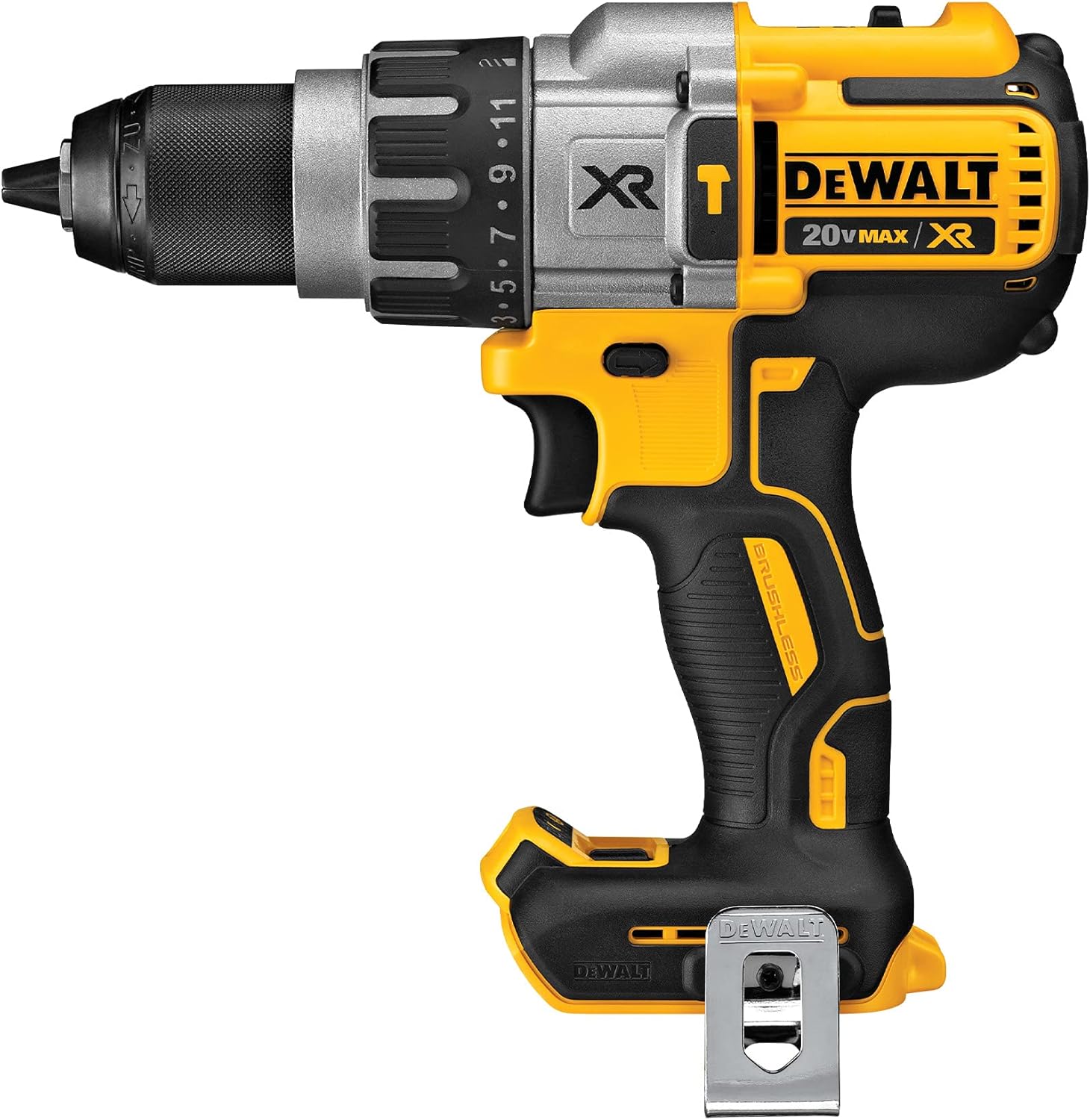
Hey there! If you’ve ever found yourself face-to-face with a tough home improvement project, the choice between a hammer drill and a regular drill can be quite confusing. In this blog post, we’re diving into the world of power tools to help you understand the differences between a hammer drill and a regular drill. Whether you’re a seasoned DIY enthusiast or just starting out, we’ve got you covered with all the essential information you need to make the right choice for your next project. Let’s drill down into the nitty-gritty details together!
What is a Hammer Drill?
When it comes to tackling tough drilling tasks, a hammer drill is a powerful tool that can make the job easier and more efficient. In this blog section, we’ll explore the functions and features of a hammer drill, and how it differs from a regular drill.
Functions of a Hammer Drill
A hammer drill combines rotary drilling with hammering action to power through hard materials like concrete, stone, brick, and masonry. The hammering action, also known as the hammer drill’s percussion mechanism, provides rapid and short hammer thrusts while rotating, allowing the drill bit to break through tough surfaces more effectively.
Key functions of a hammer drill include:
- Drilling: The primary function of a hammer drill is for drilling into hard materials that a regular drill might struggle with.
- Hammering: The hammering action enables the drill to chip away at tough surfaces, creating holes efficiently.
- Impact Control: Some hammer drills offer adjustable impact settings, allowing users to match the force to the material being drilled.
Features of a Hammer Drill
1. Versatility
Hammer drills are versatile tools that can switch between standard drilling and hammer drilling modes, making them suitable for a wide range of applications.
2. Power
Equipped with more power than a regular drill, hammer drills can handle demanding jobs with ease.
3. Comfort and Control
Ergonomically designed handles and vibration control features make using a hammer drill comfortable and precise even during prolonged use.
4. Chuck Type
Hammer drills come with either keyed or keyless chucks for securing drill bits, each offering its own advantages in terms of convenience and security.
How a Hammer Drill Differs from a Regular Drill
- Percussion Mechanism: A regular drill lacks the hammering action necessary for drilling into tough materials effectively.
- Power: Hammer drills are more powerful, making them better suited for heavy-duty tasks.
- Efficiency: Due to their hammering action, hammer drills are more efficient when working with hard surfaces.
In conclusion, a hammer drill is a versatile and powerful tool designed for challenging drilling tasks that a regular drill may not be able to handle effectively. By understanding its unique functions and features, users can choose the right hammer drill for their specific needs and projects.
When it comes to drilling through tough materials like concrete, a regular drill might not always get the job done efficiently. That’s where a hammer drill comes in to save the day. In this blog post, we’ll dive into the benefits of using a hammer drill over a regular drill, exploring its unique features and advantages.
Drilling Power
One of the standout advantages of a hammer drill is its superior drilling power. Unlike a regular drill that relies solely on rotational force, a hammer drill combines rotational motion with a hammering action that helps to power through tough surfaces like concrete effortlessly. This feature makes hammer drills a must-have tool for professionals and DIY enthusiasts tackling challenging projects.
Versatility
While a regular drill may struggle when faced with concrete, a hammer drill excels at drilling through a wide range of tough materials, including brick, stone, and masonry. This versatility makes hammer drills a valuable addition to any toolbox, offering the convenience of tackling various projects without the need for multiple specialized tools.
Speed and Efficiency
Thanks to its hammering action, a hammer drill can deliver faster drilling speeds and increased efficiency compared to a regular drill. This enhanced performance is particularly beneficial when working on time-sensitive projects or large-scale construction tasks where speed is of the essence. Brands like Bosch, DeWalt, and Makita offer high-quality hammer drills known for their speed and reliability.
Ease of Use
Despite its powerful capabilities, a hammer drill is surprisingly easy to use, making it suitable for both beginners and seasoned professionals. With features like ergonomic grips, variable speed settings, and adjustable depth stops, brands like Hilti and Milwaukee prioritize user-friendly designs that enhance comfort and control during operation.
Key Takeaways
To recap, here are some key advantages of using a hammer drill over a regular drill:
In conclusion, a hammer drill offers a winning combination of power, versatility, speed, and ease of use that makes it a valuable tool for a wide range of construction and renovation projects. Whether you’re a professional contractor or a DIY enthusiast, investing in a high-quality hammer drill like the Bosch RH328VC, DeWalt DCD996P2, or Makita XPH07Z can take your drilling capabilities to the next level.
Limitations of a Regular Drill
When it comes to choosing the right tool for your DIY projects or professional tasks, having a good understanding of the differences between a regular drill and a hammer drill is crucial. While a regular drill is a basic power tool that can handle a variety of drilling tasks, it does have its limitations. Let’s delve deeper into the shortcomings of a regular drill when compared to a hammer drill, focusing on versatility and power.
Versatility
Regular Drill:
Hammer Drill:
Example Scenario: Imagine you need to install shelves in a concrete wall. A regular drill might struggle to make clean holes, leading to frustration and inefficiency. In contrast, using a hammer drill like the Bosch Bulldog Xtreme 1-Inch SDS-Plus D-Handle Rotary Hammer would make the job quicker and smoother.
Power
Regular Drill:
Hammer Drill:
Example Scenario: When working on a project that involves drilling through thick concrete slabs, using a powerful hammer drill like the DeWalt D25263K D-Handle SDS Rotary Hammer ensures efficient and accurate results without straining the tool.
In conclusion, while a regular drill has its place in basic drilling tasks, its limitations become evident when compared to the versatility and power of a hammer drill. Understanding the differences between these tools can help you choose the right tool for your specific needs, ensuring successful and efficient completion of various projects.
Choosing the Right Tool for the Job
When it comes to drilling into tough materials like concrete, stone, or masonry, choosing the right tool can make all the difference in the success of your project. Hammer drills and regular drills each have their own strengths and are designed for different tasks. Understanding when to use a hammer drill versus a regular drill based on project requirements and materials is essential for achieving professional results.
Hammer Drill: When to Use
Projects Requiring Drilling into Hard Materials
- Use Cases:
- Drilling into concrete, brick, stone, or masonry
- Installing anchors or screws in tough surfaces
- Example Product: DEWALT DCD996B 20V MAX XR Hammer Drill
Key Features and Benefits
- Hammering Action: Provides a pulsating force that aids in drilling through hard materials
- Higher Impact Energy: Enables faster drilling progress in tough surfaces
- Compatibility: Some models offer a drill and hammer drill mode for versatility
- Example Brand: Bosch GBH2-28L 1-1/8-Inch SDS-plus Bulldog Xtreme Max Rotary Hammer
Comparative Advantages of Hammer Drills
- Efficiency: Quicker drilling in harder materials due to hammering action
- Versatility: Can switch between standard drilling and hammer drilling modes
- Quality Results: Reduced effort required for drilling into tough surfaces
Regular Drill: When to Use
General Drilling Projects on Standard Materials
- Use Cases:
- Drilling into wood, plastic, metal, or soft surfaces
- Assembling furniture or hanging lightweight items
- Example Product: Makita XFD10R 18V Compact Lithium-Ion Cordless Driver-Drill Kit
Key Features and Benefits
- Compact Design: Ideal for tight spaces and light-duty tasks
- Variable Speed: Suitable for a wide range of drilling applications
- Reliability: Known for precision and accuracy in standard drilling tasks
- Example Brand: BLACK+DECKER 20V MAX Cordless Drill/Driver
Comparative Advantages of Regular Drills
- Ease of Use: Lightweight and user-friendly for everyday projects
- Precision: Perfect for drilling into softer or non-demanding materials
- Affordability: Cost-effective option for basic drilling needs
By understanding the specific roles of hammer drills and regular drills, you can make informed decisions when selecting the right tool for your drilling requirements. Whether you’re working on a home improvement project or a professional construction job, choosing the appropriate drill will ensure efficient and precise results tailored to the materials at hand. Utilizing the features and benefits of each type of drill can elevate your drilling experience and enhance the quality of your workmanship.
Final Thoughts
In conclusion, when choosing between a hammer drill and a regular drill, it’s important to consider factors such as the type of project, materials, and your level of experience.
For simple tasks around the house like hanging pictures or assembling furniture, a regular drill would suffice. However, if you’re working with tough materials like concrete or masonry, or tackling more heavy-duty projects, a hammer drill would be the better choice due to its impact mechanism for drilling into hard surfaces.
Ultimately, the decision between a hammer drill and a regular drill comes down to understanding the task at hand and picking the right tool for the job to ensure efficiency and success in your projects.
Hammer Drill FAQ
Yes, hammer drills are generally more expensive than regular drills. This is because hammer drills are designed to drill into tougher materials like concrete and masonry, so they have more power and additional features compared to regular drills. The increased power and functionality of hammer drills result in a higher price point.
A regular drill and a hammer drill are designed for different tasks. A regular drill is suitable for basic drilling tasks like making holes in wood, plastic, or metal. On the other hand, a hammer drill is specifically designed for drilling into hard materials like concrete or masonry. It uses a hammering action in addition to rotating to help break up the material as it drills. While you could use a regular drill for simple tasks in soft materials, it may not be effective for more demanding tasks that require a hammer drill.
The main difference between a hammer drill and a regular drill is that a hammer drill is specifically designed for drilling into hard materials like concrete, bricks, or stone. It has a hammering function that delivers rapid impacts while rotating, making it more efficient at breaking through tough surfaces. On the other hand, a regular drill is suitable for drilling into softer materials like wood, plastic, and metal but may struggle with harder surfaces. If you’re working on projects that involve drilling into tough materials, a hammer drill would be the better choice for the job.
You should use a hammer drill instead of a regular drill when you need to drill into harder materials like concrete, brick, or stone. The hammer action of a hammer drill delivers rapid, short hammer thrusts to help drill through tough surfaces more efficiently. Regular drills may struggle with these materials due to their lack of impact force. So, if you’re working with tough materials, a hammer drill is the way to go to get the job done effectively.




I had no idea about the advantages of using a Hammer Drill until reading this article. It would be great to know more about specific brands that offer quality Hammer Drills.
I recently used a Hammer Drill for installing concrete anchors, and it made the job so much easier. Would love to hear more success stories from others who have used this tool.
After reading this article, I feel more confident about choosing the right drill for my upcoming projects. Are there any books or resources you recommend for further reading on this topic?
I’m glad the article helped you feel more confident about your tool choices! For further reading, you might find ‘The Complete Guide to Power Tools’ by Paul Anthony a valuable resource.
I disagree with the article’s emphasis on the limitations of a Regular Drill. I think a Regular Drill can still handle most tasks effectively without the need for a Hammer Drill.
I found this article very insightful. It would be great if you could delve into specific projects where using a Hammer Drill is essential for success.
I wonder if there are attachments available to convert a Regular Drill into a Hammer Drill for occasional tougher tasks. That could be a cost-effective solution.
That’s an interesting idea! While attachments exist for some drills, they may not provide the same level of performance as a dedicated Hammer Drill. It’s worth exploring for lighter tasks though.
I appreciate the comparison provided in this article. It would be helpful to include a section on safety tips when using Hammer Drills to prevent accidents.
Safety is paramount when using power tools like Hammer Drills. I’ll definitely consider adding a section on safety tips in future articles. Thanks for the suggestion!
I’m glad you found the article informative! When it comes to quality Hammer Drills, brands like DeWalt, Makita, and Bosch are known for their reliable products.
I have been using regular drills for DIY projects, but after reading this, I see the benefits of investing in a Hammer Drill. Would love to hear about any budget-friendly options.
Switching to a Hammer Drill can definitely step up your DIY game! For budget-friendly options, consider checking out models from Black+Decker or Tacklife.