

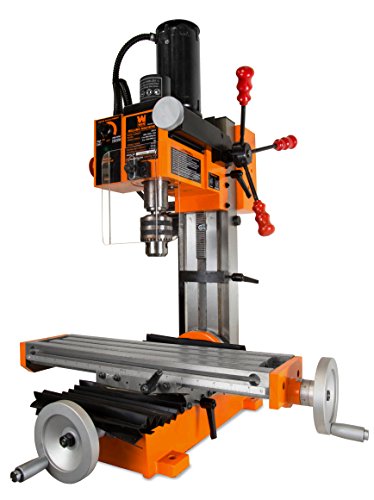
Are you looking to take your workshop to the next level? In this blog post, we’ll dive into the advantages of incorporating a Horizontal Milling Machine into your workspace. Discover how this powerful machine can streamline your machining operations, boost efficiency, and unlock a whole new world of possibilities for your projects. Let’s explore together the ways in which a Horizontal Milling Machine can revolutionize your workshop!


The Versatility of Horizontal Milling Machines
Horizontal milling machines stand out among machining tools for their exceptional versatility. Let’s delve into the myriad ways in which these machines excel in handling a wide array of cutting tasks.
Handling Various Workpieces
- With its horizontal spindle orientation, the Haas EC-1600ZT-5AX milling machine, for instance, can effortlessly accommodate workpieces of varying shapes and sizes.
- The Makino a61nx model is ideal for cutting tasks involving complex contours and intricate designs, offering precision and efficiency.
Increased Cutting Capabilities
- Horizontal machines such as the DMG MORI NHX 4000 are equipped to handle multiple cutting operations simultaneously, boosting productivity.
- The Matsuura H.Plus-300 offers high-speed cutting capabilities, making it a go-to choice for industries requiring quick and precise machining.
Enhanced Productivity and Efficiency
- The Doosan NHP 4000 is known for its rapid tool changeover, reducing downtime and enhancing overall efficiency.
- Models like the Toyoda FA1050S come equipped with advanced automation features, streamlining the manufacturing process.
Improved Surface Finish
Horizontal milling machines have become crucial in modern machining operations due to their ability to provide enhanced surface finish on machined parts. This article explores how the horizontal spindle orientation of these machines contributes to achieving higher precision and accuracy compared to vertical milling machines.
Horizontal Spindle Orientation
One of the key factors that make horizontal milling machines superior in achieving improved surface finish is the orientation of the spindle. By positioning the spindle horizontally, as opposed to vertically in vertical milling machines, manufacturers can benefit from:
- Consistent Chip Evacuation: The horizontal orientation of the spindle allows for better chip evacuation, preventing chip buildup and reducing the risk of cutting tool damage.
- Improved Tool Life: With better chip removal, tools experience less wear and last longer, resulting in cost savings for manufacturers.
- Enhanced Stability: Horizontal spindles offer greater stability during cutting operations, which translates to smoother surface finishes on workpieces.
Precision and Accuracy
When it comes to precision and accuracy, horizontal milling machines excel in delivering high-quality results. The orientation of the spindle plays a significant role in achieving:
- Tighter Tolerances: Horizontal milling machines are known for their ability to meet tighter tolerances, ensuring that machined parts adhere to strict quality standards.
- Better Surface Quality: The horizontal setup minimizes vibration and deflection, leading to smoother surface finishes and improved part quality.
- Increased Productivity: By consistently producing accurate parts with superior surface finishes, manufacturers can streamline their production processes and reduce the need for secondary finishing operations.
Brands and Models
Several renowned brands offer horizontal milling machines that are designed to optimize surface finish quality. Some notable examples include:
- Haas EC Series: The Haas EC Series of horizontal machining centers are equipped with advanced features that enhance surface finish quality and precision.
- DMG MORI NH Series: The NH Series of horizontal mills from DMG MORI are known for their versatility and high-performance capabilities, making them ideal for achieving superior surface finishes.
- Makino A-Series: Makino’s A-Series horizontal machining centers are widely recognized for their industry-leading accuracy and surface finish capabilities.
In conclusion, the use of a horizontal milling machine can significantly improve surface finish quality, precision, and accuracy in machining operations. By leveraging the benefits of the horizontal spindle orientation and investing in quality machines from reputable brands, manufacturers can enhance their overall productivity and competitiveness in the market.
Faster Material Removal
The speed and efficiency of material removal play a crucial role in determining the success of a project. Horizontal milling machines stand out for their exceptional ability to remove materials at a rapid rate, surpassing the capabilities of vertical milling machines in this aspect. Let’s delve deeper into why horizontal milling machines are the go-to choice when high material removal rates are essential.
Understanding the Superiority of Horizontal Milling Machines
Horizontal milling machines are designed with a horizontal spindle orientation, enabling them to handle heavy-duty cutting tasks with precision and speed. Here’s why they excel in material removal:
- Spindle Configuration: Horizontal mills feature a horizontal spindle orientation, allowing for smoother and more efficient machining operations compared to the vertical orientation of their counterparts.
- Multi-Axis Machining: Many horizontal milling machines offer multi-axis capabilities, enabling complex cuts and contours to be achieved swiftly and accurately.
- Chip Evacuation: With a horizontal setup, chips produced during the cutting process are expelled more efficiently, preventing workpiece damage and ensuring continuous operation.
Practical Examples of Faster Material Removal with Horizontal Milling Machines
Haas EC-1600 Horizontal Machining Center
- With its high-speed spindle and rapid tool change system, the Haas EC-1600 delivers unparalleled material removal rates, perfect for large-scale production runs.
Mazak HCN-5000 Horizontal Machining Center
- The Mazak HCN-5000 boasts advanced cutting technology and precision engineering, making it the ideal choice for intricate parts requiring rapid material removal.
Benefits of Using Horizontal Milling Machines for Material Removal
- High Productivity: Achieve faster production cycles and increased output with the rapid material removal capabilities of horizontal milling machines.
- Improved Surface Finish: Horizontal mills provide superior surface finishes due to their stable cutting operations, enhancing the overall quality of machined parts.
- Versatility: From roughing to finishing operations, horizontal milling machines offer versatility in tackling a wide range of material removal tasks efficiently.
By harnessing the power of horizontal milling machines, manufacturers can elevate their machining capabilities and meet the demands of modern production environments with ease.
Enhanced Rigidity and Stability
Horizontal milling machines are widely regarded for their enhanced rigidity and stability compared to other types of milling machines. This key feature plays a crucial role in improving cutting performance and overall machining quality. Let’s delve deeper into how the rigidity and stability of horizontal milling machines contribute to their effectiveness.
Rigidity: The Backbone of Precision Machining
Rigidity refers to the ability of a machine to maintain its shape and resist deformation during machining operations. When it comes to horizontal milling machines, their superior rigidity is primarily attributed to the following factors:
- Heavy-Duty Construction: Machines like the Haas EC-1600ZT, equipped with robust components and sturdy frames, offer exceptional rigidity that minimizes vibrations and ensures consistent cutting accuracy.
- Advanced Spindle Design: The Mazak HCN-6800 horizontal machining center utilizes a rigid spindle design, reducing tool deflection and allowing for precise cutting even at high speeds.
- Enhanced Guideway System: The DMG MORI NHX series features linear guideways that provide excellent support and stability, resulting in improved surface finish and dimensional accuracy.
Stability: Key to Optimal Cutting Performance
Stability in horizontal milling machines refers to their ability to maintain a steady position and absorb cutting forces without compromising performance. Here are some aspects that contribute to the stability of these machines:
- Machine Bed Design: The Okuma MA-600HII features a wide, boxway machine bed that enhances stability and dampens vibrations, ensuring smooth and accurate cutting operations.
- Multi-Point Support System: The Matsuura H.Plus-405 utilizes a multi-point support system that distributes cutting forces evenly, minimizing chatter and promoting stable machining processes.
- Advanced Control Systems: The Makino A500Z incorporates advanced control systems that monitor and adjust machine parameters in real-time, enhancing stability and optimizing cutting performance.
In conclusion, the enhanced rigidity and stability of horizontal milling machines significantly impact their cutting performance and machining quality. Investing in machines like the Okuma Genos M560-V ensures precision, efficiency, and reliability for a wide range of machining applications.
By highlighting specific brands and products like Haas, Mazak, DMG MORI, Okuma, Matsuura, and Makino, we have illustrated how these industry-leading horizontal milling machines excel in rigidity and stability, setting them apart as top choices for precision machining tasks.
Supercharge Your Workshop: Horizontal Milling Magic
Ever feel like your projects are stuck in first gear? Time to shift into overdrive with a horizontal milling machine. These bad boys aren’t just tools – they’re game-changers.
Why Go Horizontal?
- Speed Demon: Chews through materials faster than you can say “efficiency”
- Precision Beast: Nails those tight tolerances like it’s child’s play
- Multi-Tasking Marvel: Handles complex cuts that’d make other machines cry
Pro Tip: Pair your horizontal mill with smart fixturing, and you’re looking at setup times slashed by up to 50%. More making, less waiting.
The Money Math
Let’s break it down:
- Faster cuts = More parts per hour
- Better accuracy = Less scrap and rework
- Multi-sided machining = Fewer setups
It all adds up to more cash in your pocket.
But Wait, There’s More!
Horizontal mills aren’t just about speed. They’re about working smarter, not harder.
- Chip evacuation on point: Gravity’s your wingman here
- Tool life extended: Your cutters will thank you
- Ergonomics improved: Your back will too
The Bottom Line
Investing in a horizontal milling machine isn’t just an upgrade – it’s a workshop revolution. You’re not just buying a tool, you’re buying time, precision, and a whole new level of capability.
Ready to level up? Your future self (and your clients) will thank you.
Remember: In the world of machining, going horizontal isn’t just a direction – it’s a destination. And that destination is called Efficiency City, population: you. 😅😂😍




This article nicely outlines the benefits of a horizontal milling machine, providing valuable insights for workshop owners.
The comparison with vertical milling machines is helpful for readers to understand the advantages of choosing a horizontal setup. Great read!
I appreciate the practical examples used in the article to illustrate how a horizontal milling machine can improve precision and efficiency.