


This guide aims to assist users in determining whether their power grinder accessory needs replacement. It provides a step-by-step process to help users assess the condition of their accessory and decide if a replacement is necessary.
Inspect the Grinder Accessory for Wear
Examine the grinder accessory for any visible signs of wear such as cracks, chips, or missing pieces. Check all parts thoroughly for any damage before use. For instance, look for cracks along the edges, chips on the surface, or missing teeth on the grinder. If you notice any of these issues, do not use the accessory and replace it immediately to avoid any safety hazards during operation.
Check for Proper Functioning
Test the accessory by activating it to assess its performance. For example, if it’s a blender, blend different types of ingredients to ensure it operates smoothly without any strange noises or vibrations. If there are any unusual sounds, vibrations, or performance issues, troubleshoot them before regular use. Always make sure the accessory functions as intended to avoid any potential problems down the line.
Evaluate the Sharpness or Abrasiveness
Check the cutting accessories or grinding discs to assess their sharpness or abrasiveness properly.
To check cutting accessories: Place a sheet of paper on a flat surface, hold the accessory, and gently slice through the paper. If it cuts cleanly without tearing, it is sharp; otherwise, it may need sharpening or replacement.
To check grinding discs: Run your finger along the edge of the disc – if it feels smooth, it might be dull. Inspect the disc closely for any signs of wear or uneven surface, which could indicate that it needs replacing.
Look for Excessive Heat Generation
- Monitor the accessory while in use to gauge heat levels
- Compare the current heat output to previous instances
- Investigate any significant increases in temperature, as this may signal potential issues
- Take note of any unusual or excessive heat production and consider seeking professional advice if necessary.
Inspect for Wear Patterns
Inspect the accessory’s surface closely for any irregular wear patterns. Look out for signs such as excessive fraying, bald patches, or uneven abrasions that may indicate it is nearing the end of its lifespan. Carefully observe and note any areas that show these wear signs, as they could impact the performance and effectiveness of the accessory. Regularly checking for wear patterns will help you identify when it’s time to replace the accessory to ensure optimal functionality.
Check for Compatibility
Check the manufacturer’s specifications or manual for your power grinder model. Identify the accessory product number and cross-reference it with your grinder’s model number. Make sure the accessory is designed for your specific power grinder to prevent any compatibility issues during use. Confirming compatibility ensures safe and efficient operation of your equipment.
Consult Manufacturer Guidelines
Refer to the manufacturer’s recommendations on when to replace accessories based on usage or wear. Check the product manual or website for specific guidelines. Keep track of the duration of use or signs of wear and follow the manufacturer’s suggestions closely. When in doubt, contact the manufacturer directly for clarification.
Consider Performance Issues
- Evaluate any decrease in the accessory’s performance, such as reduced cutting or grinding efficiency.
- Take it as a signal for replacement and follow up with necessary troubleshooting measures.
- Identify the specific issues causing the decreased performance and address them promptly.
- Test the replacement accessory thoroughly to ensure optimal performance.
Assess Safety Risks
- Inspect all accessories for wear or damage before use.
- Identify any cracks, tears, fraying, or other signs of wear.
- Replace worn-out or damaged accessories immediately to prevent accidents or injuries.
Replace if in Doubt
Replace the accessory if you are unsure about its condition. Err on the side of caution to maintain optimal performance and safety. This will ensure the smooth functioning of your equipment. Remember to check periodically for any signs of wear and tear.
When to Replace Grinder Attachments
In conclusion, it is crucial to regularly inspect power grinder accessories for signs of wear and tear to maintain efficient and safe operation. By being vigilant and knowing when to replace worn-out parts, you not only preserve the performance of your power grinder but also safeguard yourself from potential hazards. Regular maintenance is key to extending the lifespan of your tools and optimizing your work results.
Necessary Equipment Checklist

Maintenance Guide: Power Grinder Accessories
Maximizing Performance: Tips and Techniques for Power Grinder Accessories
- Start by familiarizing yourself with the different types of accessories available, such as cutting wheels, grinding discs, and wire brushes
- Always wear appropriate safety gear, including safety glasses, gloves, and a face mask, when using power grinder accessories to protect yourself from sparks and debris
- Make sure the power grinder is unplugged before attaching or changing accessories to prevent any accidental start-ups
- Practice on scrap material first to get comfortable with the handling and control of the power grinder before working on your actual project
- Remember to let the accessories do the work – apply light pressure and let the grinder’s speed and the accessory’s design do the cutting or grinding for you
Accessory FAQs
The purpose of a backing pad when using a power grinder is to provide support and stable contact for the sanding or grinding disc. It helps distribute pressure evenly across the working surface and allows for smoother and more consistent results. Additionally, the backing pad serves as a buffer between the disc and the grinder, helping to protect both the tool and the material being worked on.
To select the correct size of grinding wheel for your power grinder, you need to refer to the specifications provided by the manufacturer of your grinder. The size of the grinding wheel is usually mentioned in the grinder’s user manual or on the wheel itself.
Make sure the diameter and thickness of the grinding wheel match the specifications recommended for your grinder. Using an incorrect size can be dangerous and affect the performance of your grinder. If you are unsure or cannot find the information, contact the manufacturer for guidance. It’s crucial to always follow the recommended guidelines for your safety and optimal grinding results.
When using power grinder accessories, it is important to follow these safety precautions to prevent accidents and injuries:
- Always wear appropriate personal protective equipment (PPE) such as safety glasses, a face shield, hearing protection, gloves, and a dust mask.
- Ensure that the power grinder and accessories are in good working condition before use. Check for any damage or defects that could cause safety hazards.
- Securely fasten the accessory to the grinder according to the manufacturer’s instructions, and make sure it is suitable for the task at hand.
- Prior to turning on the grinder, stand to the side and allow it to reach full speed to ensure stability.
- Maintain a firm grip on the grinder and use both hands to operate it, keeping a safe distance from the accessory and the workpiece.
- Do not force the grinder or the accessory through the material you are working on; let the tool do the work.
- Avoid reaching over the rotating accessory or removing guards while the grinder is in use.
By following these safety precautions, you can minimize the risk of accidents and ensure safe operation when using power grinder accessories.
Yes, power grinders have specific requirements for the type of accessories they can use. It’s important to refer to the manufacturer’s guidelines to ensure you are using compatible accessories. Using the wrong accessories can be unsafe and may lead to damaging the tool or workpiece. Always choose accessories that are designed for your specific power grinder model to ensure safe and effective operation.
To properly install and secure accessories onto a power grinder, first, make sure the grinder is unplugged or the battery is removed to prevent any accidents. Then, follow these steps:
- Read the manufacturer’s instructions for your specific grinder and accessories.
- Ensure the accessory is the correct size and type for your grinder.
- Use the provided wrench to securely tighten the accessory onto the grinder spindle.
- Check for any movement or wobbling of the accessory once it’s installed.
- Wear proper safety gear such as goggles, gloves, and a face mask when operating the grinder with accessories.
Always prioritize safety and follow the manufacturer’s guidelines to ensure the proper installation and securement of accessories on your power grinder.
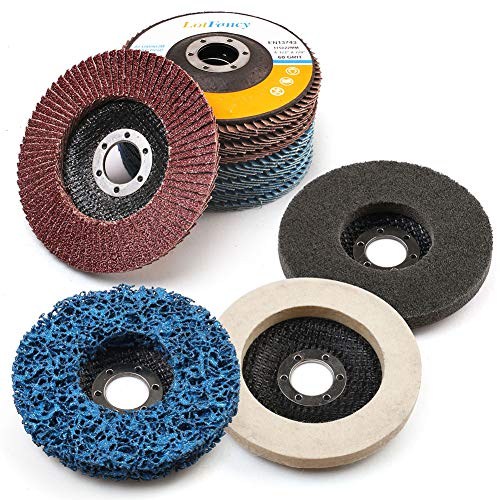
Different types of discs, such as cutting, grinding, and sanding discs, have a significant impact on the operation of a power grinder. Cutting discs are designed for making clean, precise cuts in materials like metal or masonry. They are thinner and have a serrated edge to slice through the material. On the other hand, grinding discs are abrasive and are used for shaping and smoothing surfaces. They are thicker and have a rough surface for grinding down materials. Sanding discs, as the name suggests, are used for sanding surfaces to achieve a smooth finish. They have a fine grit surface that removes material gently. Using the right disc for the task at hand ensures efficient and effective operation of the power grinder while also guaranteeing safety.
Grinding wheels differ in terms of materials and applications based on their composition and intended use. Here are some key points to consider:
Materials:
- Aluminum Oxide: Commonly used for grinding steel and ferrous metals.
- Silicon Carbide: Ideal for non-ferrous metals, like brass and aluminum.
- Diamond: Used for grinding hard materials like carbides, ceramics, and glass.
- Cubic Boron Nitride (CBN): Suitable for grinding hard materials at high speeds.
Applications:
- Metal Grinding: Aluminum oxide and silicon carbide wheels are often used for grinding ferrous and non-ferrous metals.
- Precision Grinding: Diamond and CBN wheels are preferred for precision grinding of hard materials.
- Tool Sharpening: Different materials are used depending on the tool being sharpened, such as carbide or high-speed steel.
- Surface Grinding: Each material is selected based on the surface finish required and the material being worked on.
Choosing the right grinding wheel material and type is crucial for achieving efficient and effective results in various applications. Always match the wheel to the material being ground for optimal performance and safety.
Yes, there are accessories that can help reduce vibration or noise when using a power grinder. One popular accessory is an anti-vibration handle that attaches to the grinder. This handle helps absorb some of the vibration produced during use, making it more comfortable to operate the grinder for longer periods without fatigue. Additionally, using ear protection such as earmuffs or earplugs can help reduce noise levels while using a power grinder.




Clear and straightforward guidelines, thanks for sharing.
Appreciate the detailed explanation on the importance of regular inspection.
Would be helpful to see some before and after images of worn-out accessories.
Great tips on extending the life of grinder accessories!
Good reminder to prioritize safety when working with power tools.
Could you include some recommendations on where to purchase replacements?
I never knew about these signs to look out for, very informative article.