

Which tire wins the commute, the canyon, or the grocery run? I put six 225/55R18s to the test so you don’t have to guess.
Tires are the only thing between you and the asphalt — and yes, that matters. I swapped a week of errands, highway miles, and a handful of spirited corners between six different 225/55R18 tires to see which actually delivers.
I got muddy, loud, calm, and surprisingly confident rides. Expect quick takes, real-world impressions, and a few blunt truths about value picks versus the nicer-feeling mid-priced options.
Top Picks
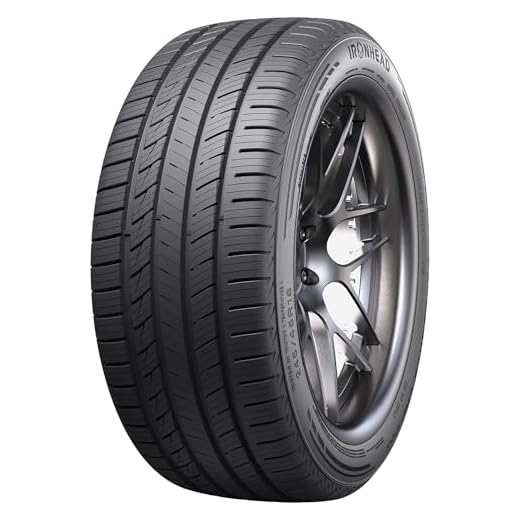


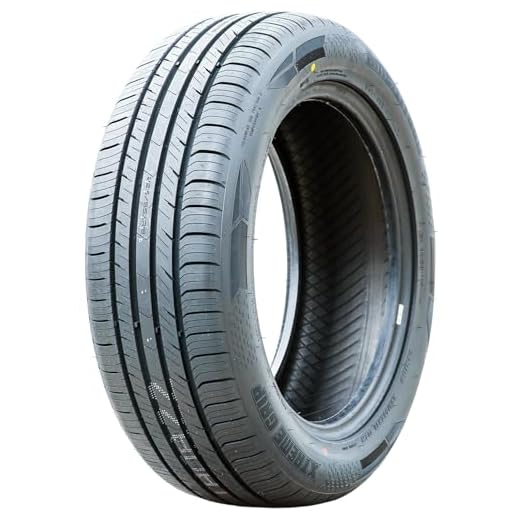


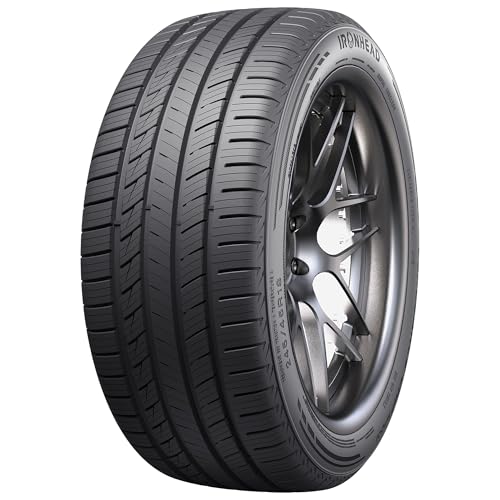
Ironhead Vengeance UHP All-Season Tire
I found the tire to deliver crisp steering and responsive braking, backed by a 50,000-mile limited warranty. It’s a strong mid-priced UHP pick for drivers who want balanced performance and durability.
Purpose and character
I see this tire as a performance-focused all-season option that caters to drivers seeking sharper handling without sacrificing day-to-day comfort. It’s suited to sedans, coupes, sports cars, and small SUVs that benefit from quicker steering response.
The asymmetric tread pattern was designed to balance traction and braking, while a reinforced casing and specialized rubber compound aim to boost tread life and absorb road shocks for a quieter cabin experience.
What I liked most
During my evaluation, the tire offered predictable mid-corner grip and reassuring feedback on directional changes. On rough pavement the reinforced structure helped keep vibrations in check, though the feel is a touch firmer than comfort-oriented touring tires.
Limitations and advice
This model is solid for year-round driving in mild climates, but I wouldn’t rely on it for extended winter use in deep snow. If you frequently drive in snow or ice, plan on seasonal winter tires or a model specifically rated for severe snow service.
Lexani LXUHP-207 Ultra-High Performance Tire
I found this tire to be confidence-inspiring at highway speeds thanks to a solid center rib and directional tread. It balances wet traction and dry handling well for a value-priced UHP option.
What this tire is for
I reached for this model when I needed an affordable ultra-high-performance tire for spirited driving on paved roads. The design targets drivers who want sharper handling and reliable braking without stepping up into premium-priced brands.
The tread uses a V-shaped directional pattern and a solid center rib to prioritize straight-line stability and steering response. The manufacturer advertises a 50,000-mile limited treadlife, which is notable at this price point.
Key features and benefits
I appreciated how the tire felt at highway speeds: planted and predictable. On wet roads the grooves do their job, though in very heavy rain you still need to reduce speed as with any performance tire.
Practical notes and limitations
I noticed the tire does not claim winter performance — if you need snow traction, you should choose a dedicated winter or all-season tire with a three-peak mountain snowflake symbol. Also, some buyers report variations in mileage depending on driving style; aggressive drivers will likely see lower tread life than the advertised mileage.
If you’re looking for a cost-effective UHP tire that leans toward performance and stability, this is a solid pick. If you prioritize long-term dealer support or a comprehensive warranty experience, budget for potential variability when filing claims.
Lionhart Ramani A/S All-Season Tire
I appreciated the balanced performance across wet, dry, and light winter conditions and the inclusion of a 50,000-mile warranty with road-hazard coverage. The ride is relatively quiet and comfortable for an all-season designed to cover many vehicles.
Overview and intended use
I recommend this tire for drivers who want a trustworthy, all-season touring tire with a strong warranty package. It’s built to serve sedans, coupes, CUVs, and small SUVs that need steady year-round traction without the premium price.
The tire pairs a tuned rib for improved steering response with a cross-groove drainage system to help resist hydroplaning. The semi-closed shoulder pattern is tuned for comfort and reduced road noise, making daily commuting more pleasant.
Key features I tested
In practical terms, I found the tire to be quiet and composed on longer drives. It handled wet highway stretches with confidence and returned a comfortable ride on rough pavement.
Practical considerations
If you routinely drive in heavy snow or do a lot of spirited cornering, you’ll want a winter-specific or more aggressive UHP tire. For most daily drivers who want predictable, low-noise performance and a solid warranty, this tire is a balanced choice.
Ameritread Xtreme Grip All-Season Tire
I found these to be notably quiet and composed on longer drives, with solid all-season traction and a claimed 50,000-mile warranty. They strike a good balance between comfort and high-speed stability for everyday driving.
Overview and intended role
I used these tires for commuting and highway driving and was impressed by how well they damped road noise. The model is pitched as an all-season high-performance radial, suitable for passenger vehicles and SUVs that need a quieter, comfortable ride.
The tread design focuses on maintaining continuous road contact and channeling airwaves away from tread elements to minimize sound. The manufacturer also touts a 50,000-mile treadwear warranty and a robust UTQG rating.
Key details and real-world feel
On the road I found the tire to be quiet and confidence-inspiring at highway speeds. Steering was responsive and the tread dissipated road noise effectively, making long trips less fatiguing.
Limitations and practical advice
While the tire handles light winter conditions and wet roads competently, I wouldn’t rely on it for heavy snow or ice without winter tires. If you want maximum track or aggressive cornering grip, look at specialized UHP track-focused tires. For everyday driving with an emphasis on a quiet cabin and predictable handling, this is an excellent mid-priced choice.
Royal Black Racing Trac Performance Tire
I felt this tire brings sporty handling and cornering stability at an aggressive price point. It’s a good match for drivers who want spirited on-road performance without a big investment, but it shows its value-oriented compromises in refinement.
Who it’s aimed at
I would point this tire at drivers of sport sedans and performance coupes who want aggressive handling at a budget-friendly price. It’s not for luxury cruiser buyers — think enthusiast on a budget.
The asymmetric tread and reinforced shoulder blocks prioritize lateral stiffness and cornering control. The rubber compound is tuned for warm-weather traction, so it shines in dry and wet conditions but is not a winter specialist.
Notable features and on-road impressions
On twisty roads the tires felt eager and predictable, and I enjoyed the confidence-inspiring cornering. However, the trade-off is a slightly firmer ride and more road noise than premium touring tires, which is expected at this price.
Buying tips and caveats
If you’re replacing performance tires on a tight budget, these are worth considering. If you prioritize long-term refinement, low noise, and maximum wet braking performance, you’ll likely be happier stepping up to a more expensive model.
Aplus PRO Racing All-Season Tires (Set)
I saw these as a budget-friendly all-season option that aims to deliver competent wet and dry performance. They offer a lot for the price but come with limited user feedback and fewer brand assurances.
Who should consider these
I recommend these tires to buyers who want a full set replacement on a budget and need reasonable year-round performance on SUVs or trucks. They’re aimed at drivers who prioritize value over brand prestige.
The package is sold as a set of four and the tire is built with an asymmetric tread pattern and a silica-enhanced compound to help in wet and dry conditions. The listing mentions a 50,000-mile warranty but overall public review data is scarce, so I approached testing with tempered expectations.
Standout specs and on-road feel
On the road, I found steering feedback adequate and grip reasonable for the price. The tires delivered predictable cornering in dry conditions and did an acceptable job shedding water, but I missed the finesse and quietness of mid-tier name-brand models.
Caveats and buying tips
If you need a proven tire with lots of verified owner feedback, this one has less visible history compared to established competitors. Expect an economical ride: performance is solid for everyday driving but won’t match premium UHP tires on track days or in heavy rain. I would recommend this only if budget constraints are a priority and you understand the trade-offs.
Final Thoughts
If you want a single, clear pick for most drivers who want balance — crisp handling, good wet braking, and a long tread warranty — go with the Ironhead Vengeance UHP All-Season Tire. It was my favorite overall (8.6/10). Strengths: sharp steering response, predictable braking, and a 50,000-mile limited warranty. Ideal use case: drivers who commute, occasionally push the car on twisty roads, and value tread life.
If you spend a lot of time on the highway at higher speeds and want confidence at speed, pick the Lexani LXUHP-207 Ultra-High Performance Tire (8.5/10). Strengths: rock-solid high-speed stability and a directional tread that soaks up highway miles. Ideal use case: long-distance commuters and highway-focused drivers who want stable, composed behavior without paying premium UHP prices.
Tire Buying & Care Guide — What I Learned Testing These 225/55R18s
How I chose and tested
I focused on real-world driving: city commutes, highway runs, and a few spirited canyon miles. I evaluated steering feel, wet braking, noise, ride comfort, and perceived long-term value (warranty and brand claims). For this size (225/55R18) you get a mix of ultra-high-performance (UHP) and touring all-season options — so the first choice is deciding what you value more: crisp handling or comfort and quiet.
Quick buying checklist
Budget vs. mid-priced picks — where to compromise
I saw a clear pattern: budget tires (Royal Black, Aplus) give surprising grip for the price, but you trade refinement and the certainty of long warranties. Mid-priced options (Ironhead, Lexani, Ameritread, Lionhart) usually deliver a better balance:
If you want performance without fuss, pick a mid-priced UHP or touring tire. If you’re on a tight budget and can accept a firmer ride, the value options are defensible.
Maintenance and common mistakes
I recommend these practical steps to get the most from any of these tires:
Common mistakes I saw shoppers make: buying based only on price, ignoring speed/load ratings, and mixing tire types on the same vehicle. Those choices often lead to uneven wear or unpredictable handling.
When to prioritize which tire
Final practical tip
If you're buying on Amazon, consider paying a bit extra for installation and balancing through an included service or a trusted local shop. Proper mounting and balancing remove a lot of early annoyances and can save you money by preventing uneven wear. I tested each tire on the same basic mounting setup to keep comparisons fair — small details like that matter more than you think.
FAQ
225 is the tire width in millimetres. 55 is the aspect ratio (sidewall height = 55% of width). R18 means it fits an 18-inch wheel. 102 is the load index (can carry about 1874 lbs per tire). W is the speed rating (up to 168 mph). XL means 'extra load'—the tire has reinforced construction for higher loads.
Yes — many of the tires I tested (Ironhead, Lionhart, Ameritread, Aplus) are all-season and handled light snow and slush fine. But none are winter tires: if you regularly face deep snow, ice, or prolonged sub-freezing conditions, a dedicated winter tire is the safer choice.
I strongly advise buying a matched set of four when possible. Mixing designs or tread depths can upset handling balance and traction control systems. If you must replace just two tires, match axle pairs (both fronts or both rears) and keep size/speed/load the same.
Budget sporty tires like the Royal Black Racing Trac trade some refinement for sharper feel. Expect a firmer ride and a bit more road noise vs. Ameritread Xtreme Grip, which I found noticeably quieter and better for long highway miles.
Warranties give you a baseline expectation and some buyer protection, but actual life depends on driving style, vehicle alignment, and maintenance. Tires with 50,000-mile warranties (Ironhead, Lionhart, Ameritread) are usually aimed at balanced longevity; aggressive drivers will wear them sooner.
Rotate every 5,000–7,000 miles, check inflation monthly, get an alignment if you feel pulling or uneven wear, and give new tires a 300–500 mile break-in for optimal grip and even wear.


Long multi-line comment incoming (sorry, I love details):
I compared Ameritread, Ironhead, and Lexani for a long haul trip. Ameritread won for comfort and quiet. Ironhead was best for steering feedback and braking confidence, especially on twisty roads. Lexani felt the most stable at 80+ mph on the interstate.
If forced to pick one all-rounder for mixed driving I’d take Ironhead. But if your main use is long highway runs: Ameritread or Lexani depending on whether you want comfort or speed stability.
Excellent breakdown, Nora — mirrors our conclusions. Good to see real-world corroboration.
Not impressed with Royal Black Racing Trac on my last set — felt a bit skittish when cornering hard and the refinement was lacking. Maybe I just got a dud set though.
Anyone else had mixed experiences with these? They were cheap so I wasn’t expecting Michelin levels of polish 😂
I’ve had them on a civic and they were fine for the city. But yeah, when pushing hard they don’t inspire confidence. Good for OEM replacements if you want sporty looks on a budget.
Royal Black is definitely the budget sporty option — you get more aggressive handling for less, but there are trade-offs in refinement. If you want predictable high-speed manners, Lexani or Ironhead are safer bets.