


Which grapple will make your skid steer feel like a superhero — and which one will just flex a little?
I once watched a skid steer turn a chaotic pallet pile into a neat stack in under two minutes. It was oddly satisfying. I love tools that make heavy work look easy.
If you want POWER, control, and fewer trips back to the pile, you’re in the right place. I’ll cut through the jargon and show what works for heavy duty, tight jobs, DIY setups, and budgets.
Top Picks on Amazon
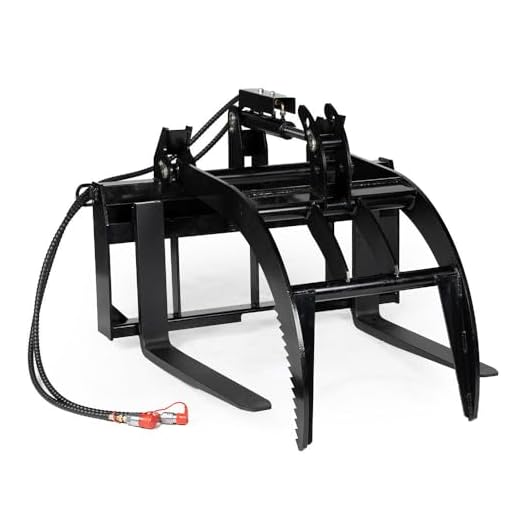


48-inch Hydraulic Pallet Fork Grapple V2
I find this model solidly built and ready for tough jobs, with a thick steel frame and a powerful 3,000 PSI cylinder that handles pallets, logs, and brush with confidence. It’s heavy and can be overkill for small tractors, and a few users reported hydraulic fitting and mounting stress issues to watch for.
Overview
I like this 48" V2 model when I need a rugged, no-nonsense grapple that will stand up to heavy work. The half-inch steel frame and SSQA universal quick-attach make it feel like it was built to last and to drop right onto most skid steers and loaders. The single 3,000 PSI cylinder gives confident clamp force for moving palletized goods, brush, logs, and irregular loads.
Key features and what they mean to you
I appreciate the flexibility the removable tines provide — I can pull pallets one minute and clamp a bundle of brush the next. Practical note: I’d pair this with a machine that comfortably handles a 400+ lb implement; otherwise the weight and torque at the hitch can be a problem.
Real-world use and limitations
In actual use the grapple performs exactly as advertised for heavy clearing and pallet work, but there are a few caveats. Several owners reported bent attachment points where the grapple meets their carrier under side-loads, and a few had trouble with hydraulic hoses or fittings arriving damaged. My takeaway is that the unit is overbuilt in steel, but some of the hardware and hose connections may benefit from pre-checking and, if you’re picky, upgrading to stronger fittings or flow-control valves.
Practical tips
Overall, I recommend this for users with medium to large skid steers who want a stout, functional grapple that handles serious work — just be ready to address hose and attachment hardware proactively.
42-inch Hydraulic Pallet Fork Grapple V2
I like this 42" version if you need much of the same strength as the larger model but with a slightly shorter reach and easier maneuvering. It retains the robust frame and 3,000 PSI cylinder, but the weight and some reported fitting issues mean it’s best matched to a mid‑sized loader.
Overview
This 42" V2 grapple feels like the practical middle ground — most of the heft and clamping power of the 48" model but with a slightly shorter footprint. I find it easier to work in tighter yards and around obstacles compared with the longer reach, while still retaining the half-inch steel frame and universal quick-attach convenience.
What it does well
In the field, I use a 42" unit when I want the power of a heavy grapple but need to thread between trees or around equipment. It excels at handling bundled brush and pallets where full-length forks would be awkward.
Limitations and user tips
A few owners reported arrival damage to hydraulic hoses or loose fittings, and one reviewer mentioned bending at the hitch point with certain carriers. To avoid surprises, check hydraulic couplers and mounting points immediately and consider reinforcing thin hose sections. If you need slower grapple motion, add an inline flow-control valve.
Overall, I recommend the 42" model for owners with mid-sized loaders who want a balance of power and easier handling in tighter spaces.
Hydraulic Skid Steer Pallet Fork Grapple Frame Only
I like this frame-first option if you plan to pair it with your own fork blades or want maximum customization. It gives the same heavy-duty frame and SSQA mounting but expects the buyer to manage fork selection and, occasionally, hardware upgrades.
Overview
This listing is essentially the frame-first option — the unit gives you the heavy 1/2" steel carriage and grapple cylinder with the ability to mount Class 2 pallet forks you select. I recommend it if you want to install custom-length tines or swap blades frequently.
Why choose the frame-only approach
When I use (or spec) a frame-only unit I like to think of it as a chassis that lets me match tines to the job — short tines for high maneuverability or longer ones when I need to reach farther. It’s a smart choice for users who already own a set of forks or want to prioritize flexibility.
Practical considerations
Because the package expects the purchaser to manage forks, make sure you pick blades rated for your carrier and the loads you’ll move. Also, inspect hoses and fittings on delivery; there are reports of damaged hoses and some customers upgraded fittings out of caution. If you need gentler grapple motion, plan to fit a flow control valve.
Overall, I’d recommend this to someone who wants a flexible, serviceable base for custom fork setups rather than a fixed-length fork/grapple combo.
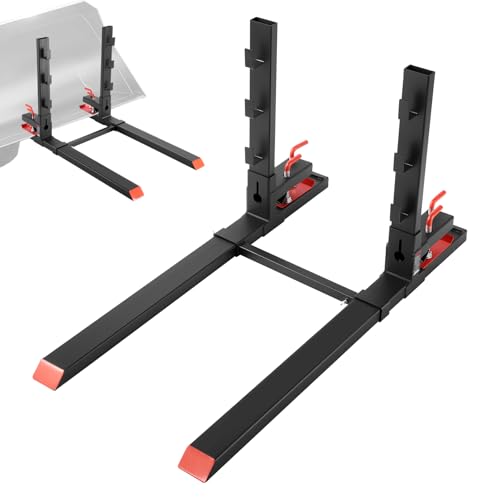
Fork-Mounted Adjustable Grapple with Clamps
I find this clamp-on grapple attractive for owners who want a lower-cost option that works with existing pallet forks and offers three height settings. It’s handy for hay, logs, and light debris, but build quality and hydraulic fittings are mixed based on user reports.
Overview
This fork-mounted grapple is the most budget-friendly option in the roundup and is designed to clamp to your existing pallet forks rather than replace the carriage. I like it as a quick way to add grapple function without investing in a full-size SSQA attachment.
Features that matter
In day-to-day use, this grapple is great for occasional handling of hay bales, branches, and palletized materials. Several owners call it a good value for the price and say the clamp approach works fine when the forks themselves are robust.
Limitations and user fixes
There are a number of customer reports around the clamp hardware — set screws that strip or bend — and some failures of couplers or fittings under higher pressures. I recommend checking and, if needed, upgrading the fasteners and hydraulic fittings before heavy use. A simple strap across the back of the forks can also prevent downward slipping in some setups.
If you need an inexpensive way to add grapple capability and you’re willing to do a few hardware upgrades, this is a sensible, cost-conscious choice. For heavy, continuous industrial use I’d still pick a dedicated SSQA-mounted grapple instead.
Final Thoughts
If you need raw lifting power and reach for big jobs, go with the 48-inch Hydraulic Pallet Fork Grapple V2. Its thick steel frame and 3,000 PSI cylinder handle pallets, logs, and brush with confidence. Use it for farm work, construction debris, and any heavy-duty material handling where reach matters.
If you're on a tighter budget or you already own good fork blades, grab the Fork-Mounted Adjustable Grapple with Clamps. It clamps to existing forks, gives three height settings, and is perfect for hay, light brush, and occasional log moving. It's not as rugged as the full hydraulic frames, but it's much easier on the wallet and simple to install.
How I Choose the Right Pallet Fork Grapple — A Practical Guide
I always start with machine capacity. Match the grapple weight and lift forces with your skid steer’s rated lift and hydraulic specs. The two hydraulic models here use a robust 3,000 PSI cylinder. If your skid steer’s hydraulic system isn’t rated for that, you risk slow operation or worse — blown fittings.
Reach vs Maneuverability
Think about where you work. Tight barn aisles favor the 42-inch. Open yards, demolition, and big deliveries favor the 48-inch.
Frame-only vs Complete Unit vs Clamp-on
| Option | Best for | Downsides |
|---|---|---|
| Frame-only | Custom setups; reuse existing forks | Requires selecting compatible forks and hardware |
| Complete hydraulic grapple | Plug-and-play, matched components | Heaviest and pricier |
| Clamp-on grapple | Budget-conscious users; quick install | Less robust, limited to lighter jobs |
I recommend the frame-only if you already own good forks or want to fine-tune blade length and rating. The clamp-on is my go-to for quick, cheap fixes and light farmwork.
Installation and Safety Tips
- Verify mount compatibility (SSQA vs machine plate) before purchase.
- Use new, rated hydraulic hoses and couplers. Replace any suspect hardware.
- Always test with small loads and slowly increase weight.
- Keep bystanders clear and use proper PPE when attaching or removing grapples.
Maintenance and Longevity
Grease pivot points regularly. Inspect welds and cylinder rods after heavy use. If you see bending or cracked welds, stop using the grapple and repair promptly. I also mark torque values and recheck bolts after the first few hours, then periodically after heavy seasons.
If you follow these checks and match the grapple to your machine and workload, you’ll save time, avoid headaches, and get the most out of whichever model you choose.
FAQs
Most of these units use standard SSQA-style mounts or clamp to existing forks. The hydraulic models assume your machine can handle the weight and has compatible pressure (the big frames run a 3,000 PSI cylinder). I always check my machine’s lift capacity and the attachment plate standard before buying.
Inspect hoses and couplers on arrival. Use proper-rated hydraulic hoses and torque fittings to spec. If you're not comfortable, have a tech swap the fittings or install a return-line filter. Tighten fittings gradually and test with light loads first.
Buy the frame-only if you already have high-quality fork blades or want to customize length/grade. It’s great for people who like to pick blades or retrofit older gear. Get a complete unit if you want plug-and-play convenience and matched components.
Yes — up to a point. The clamp-on Fork-Mounted Adjustable Grapple is ideal for hay, light logs, and brush. It’s not built for constant heavy-duty misuse. If you routinely move heavy, awkward loads, use a true hydraulic frame grapple.
Keep pivot pins greased, check welds for cracks, inspect cylinders and hoses for leaks, and retorque mounting bolts after the first 10 hours of use. A little preventive maintenance goes a long way.






I compared the 42″ vs 48″ for months before buying. Here’s my experience — maybe it helps someone:
1) 48″ = better for loading trucks and reaching pallets from the ground; heavier, needs more counterweight.
2) 42″ = easier in tight barns and around fences. Slightly less reach but almost identical grip strength.
3) Frame-only is great if you already have forks you trust.
4) Clamp-on budget grapple is excellent for light work and hay — not for construction debris.
For me, 42″ won by a hair. YMMV.
This helps a lot. I have a barn with narrow aisles — leaning 42″ now.
I agree — 42″ is the jack-of-all-trades. Save the 48″ for big properties or dedicated heavy-lift tasks.
Good point about resale. I kept that in mind when choosing my 42″ and it’s been easier to sell aftermarket parts locally.
Excellent breakdown, Nate. That’s the kind of practical comparison many readers are looking for. Thanks for sharing specifics.
Also consider resale — used market likes the 48″ for commercial buyers; might affect resale value if you plan to sell later.
Quick technical question: the Titan units list a 3,000 PSI cylinder on the larger models. Does that mean you can safely try to lift loads close to the machine’s rated capacity without risking cylinder failure? Or are there other weak points (pins, welds) to watch for?
Also wondering how the SSQA mounting holds up over time under heavy cyclical loads.
3,000 PSI indicates the hydraulic system operating pressure the cylinder was designed for, not a direct guarantee on safe load — safe lift depends on cylinder bore, ram size, and your machine’s lift rating. Pins and welds are common wear points; inspect them periodically. SSQA mounts are generally robust, but pay attention to pin wear and plate fatigue with heavy cyclical use.
I inspect pins every month when doing heavy logging. I replaced pins at 2 years—easy preventative maintenance.
If you plan constant heavy use, consider greasable pins and maybe an aftermarket heavier pin set.
One more note: if you start seeing play at the mount, don’t delay repairs — slop increases stress on welds and other components.
I use the budget Titan grapple mainly for hay and it’s been a lifesaver during harvest season. It’s not pretty, but it works.
One caution: when stacking bales, don’t push the grapple to the max — the clamps can slip if overloaded. Learned that the hard way lol 😅
Same here — I always double-check bale balance before lifting high. The cheaper clamps are fine for light loads but be cautious.
Happy to hear it’s working for hay; I thought it might just be a glorified paperweight. 😂
Good practical tip — knowing the gripe limits for clamping is important. Thanks for sharing your harvest experience.
I went cheap and got the Titan clamp-on adjustable grapple (the budget one). Pros: I didn’t have to switch out forks and it clamps on quickly. Cons: the hydraulic hoses they include felt kinda flimsy and the welds on the clamps looked meh. Still, for hay and lighter debris it’s perfect.
Am I being unfair expecting pro-level welds at that price? 🤔
Totally — I got the same model and it’s been fine for my seasonal cleanup. Just don’t expect commercial-grade durability out of the box.
Same experience here. Replaced hoses in the first month. Works great for seasonal hay; I wouldn’t beat it with rocks though 😂
Also check the height settings — having 3 adjustable heights is handy. Use it within its recommended load limits.
If you have a welder buddy, a quick reinforcement weld at stress points helps a lot. For the price, it’s a solid starting point.
Not unfair — budget units often trade off finish for price. If you plan heavier use, consider upgrading hoses and inspecting welds early. Many users report good function once they beef up a few components.
Small question for those who installed the clamp-on grapple: did the package include hydraulic hoses long enough for your midsize skid steer? I’ve seen mixed comments in the article.
I don’t want to order and then find I need extra fittings or longer hoses.
Some users reported the included hoses are a bit short depending on your machine. If you have non-standard hose routing or a larger frame, plan on buying slightly longer hoses or extensions.
I added 12″ extra length hoses and it solved routing problems on my lift arms. Better safe than sorry.
Quick tach compatibility question: are these TItan grapples compatible with older quick-attach systems, or do I need an adapter? I’ve got a 2012 mount.
I had to use a small adapter plate on my ’09 machine. Not expensive and solved the issue.
Check seller Q&A on Amazon — sometimes other buyers post exact pin/plate measurements which saves a lot of guesswork.
Most Titan units list SSQA (Skid Steer Quick Attach) compatibility but older machines can vary. Measure your plate and pin spacing and compare to the product specs; adapters are sometimes needed.
Great roundup — thanks! I’m leaning toward the 48″ Titan for heavy tractor work. The 3,000 PSI cylinder sounds beastly and exactly what I need for moving big logs and pallets. My only worry is the weight on my older skid steer. Has anyone noticed any handling or stability issues after mounting the 48″? Also curious about those reported hydraulic fitting stress problems — how bad are they in real life?
I run the 48″ on a ’10 skid steer. Handling was a little slower but manageable. Had a hairline leak at a fitting after a month — swapped to crimped hoses and it’s been fine. Weight is noticeable but worth it for heavy loads.
Good questions, Sarah. The 48″ is certainly beefy — expect added front weight which can affect lift height and travel speed a bit. For the hydraulic fittings, a few users reported leaks after heavy use; tightening and using quality hose sleeves helps. If your machine is older, double-check rated lift capacity before buying.
If you’re unsure, maybe go to the 42″ — still solid but less heavy. The extra 6″ on the 48″ is great for reach, but not always necessary.
I like the idea of the frame-only Titan option.
I’ve already got a set of quality fork blades and would rather put them on a heavy SSQA frame than buy a whole fork set that might be higher/wider than I want.
Has anyone swapped their own forks onto that frame easily?
And are the mounting holes standard or did people have to drill/modify?
Most folks report the frame-only option uses fairly standard mounting points, but you should compare measurements. Some users did minor mods (shims or new pins) to fit their specific forks. Overall it’s a good route if you’re comfortable with small fabrication tweaks.
I fitted my forks from an older set — had to elongate one hole by about 1/8″ to get perfect alignment. Not hard but requires a drill press or decent hand drill.
I love the mental image of a giant 48″ grapple trying to be subtle in a suburban backyard. 😂
Serious note: for folks using these for yard cleanup vs full-on logging, is the 48″ overkill? I don’t want to look like I’m driving a small tank around the flower beds.
Totally — I use the 42″ in my orchard and it’s nimble enough. The 48″ is more of a farm/industrial choice.
Haha, fair point. The 48″ is intimidating in small spaces. For yard cleanup, the 42″ or the adjustable clamp-on option might be more practical and less likely to crush the petunias.
Ok sold. I’ll spare the impatiens. 😅
If you want to impress the neighbors without crushing gardens: get the 42″. Less drama, still powerful.
Anyone tried the 42″ Titan with a compact loader? I have limited room in my yard and need something maneuverable. The article says it’s better for mid-sized loaders, but is it actually fine for compact ones? Thanks!
The 42″ tends to be the sweet spot for maneuverability while keeping similar strength. For compact loaders, pay attention to fork weight and total front load. You might be fine if your compact loader has adequate rated lift and you avoid stacking very tall pallets.
If your compact loader is under 2k lbs lift, maybe the frame-only option is better — lighter and you can pick lighter forks. But otherwise the 42″ is a smart choice.
Also check quick tach compatibility — some compact loaders have older tachs that need a plate adapter for proper fit.
I used the 42″ on a compact Bobcat clone — worked well in tight spaces. Just keep forks shorter and be mindful of tipping when lifting high.
Bought the 48″ last fall. It’s a tank. Moved hundreds of pallets and a ton of logs. The cylinder is powerful.
Negative: a hydraulic fitting cracked where the hose meets the cylinder under a heavy snag. Warranty handled the replacement but it was inconvenient.
Overall: 8/10 from me.
Did you replace with a braided hose or same spec? Thinking of preemptively upgrading hoses.
Good to hear Titan handled warranty. Thanks for sharing the real-world experience — that helps readers know what to expect.
I went with the frame-only Titan because I like customizing my setup. It was straightforward to add my forks, and now I can swap in different lengths depending on the job. Pretty happy with the flexibility.
How hard was the initial assembly? Any special tools needed?
Thanks for the feedback, Hannah — great to know the frame-only option works well for customization. That’s a selling point for DIYers.