

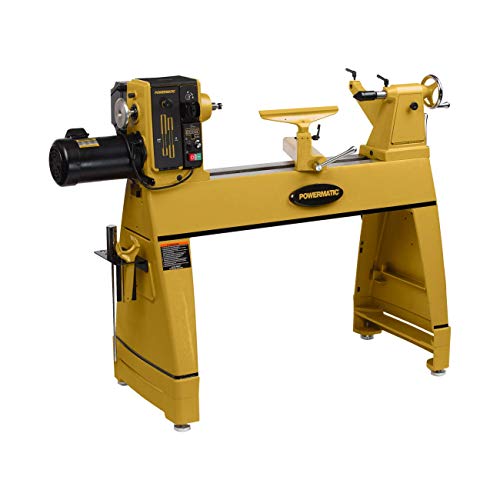
Big blanks, big thrills — which of these beasts will actually tame your next giant turning?
There’s nothing satisfying like sending a 20–inch blank into the middle of a lathe and watching it behave.
I’ve wrestled with short, cheap machines and I’ve learned what it takes to feel in control when the work gets big. These four heavy‑duty lathes each bring different strengths to the shop—so I tested for stability, power delivery, and real‑world usability, not just specs on a sticker.
Top Picks
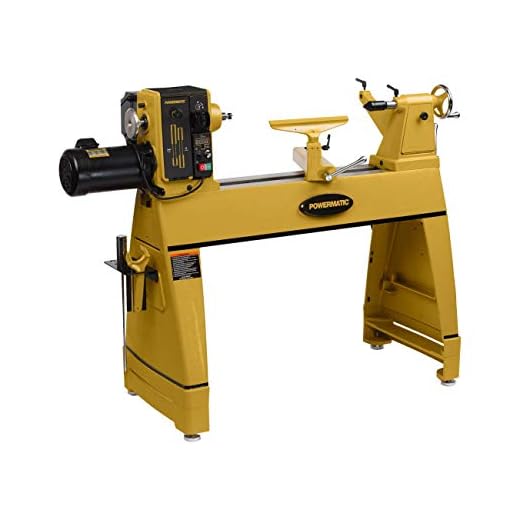


Powermatic 20" x 35" Professional Lathe
This machine feels engineered for professional and serious hobbyist shops — heavy, precise, and feature‑rich. The movable control box, riser options, and robust spindle/tailstock features make big work comfortable and repeatable, though the investment and 220V requirement are real considerations.
Overview
I view this Powermatic as a top‑tier shop lathe — built to withstand heavy daily use while delivering refined features that make serious turning easier. The 2 HP motor, moveable control box, and thoughtful ergonomics add up to a machine that reduces fiddling and increases productive turning time.
Standout features I use regularly
This lathe shines because it focuses on practical shop usability rather than gimmicks.
Those features let me handle very large bowls and long spindles, and the laser‑etched self‑ejecting quill is a surprisingly nice quality‑of‑life improvement when swapping centers.
Practical insights and considerations
If you run a small production shop or you’re a serious turner, the Powermatic reduces setup time and fatigue.
This machine is an investment. I recommend it if you want a lathe that will be the backbone of a busy shop and you’re willing to commit to the space, electrical work, and cost.
Who should buy it
If you frequently turn large work, need professional ergonomics and durability, and want features that save time and increase accuracy, this is one of the best choices on the market.
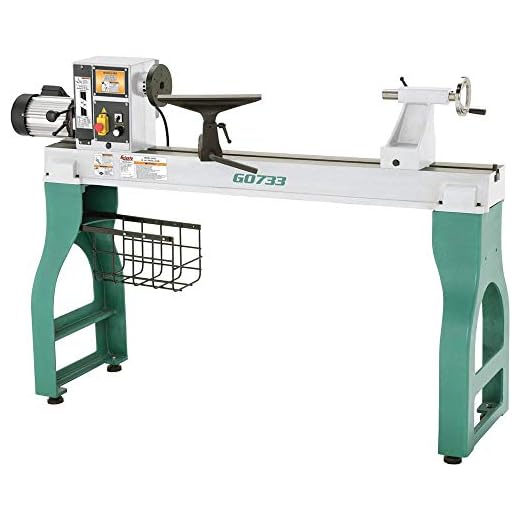
Grizzly 18" x 47" Heavy-Duty Lathe
I appreciate how stable and controllable this machine is for large blanks — the weight and cast‑iron construction make vibration a nonissue. The built‑in VFD and digital readout give a wide and usable speed range, although torque at the lowest speeds is noticeably reduced.
Overview
I found this Grizzly to be a workhorse for larger turning projects where stability matters. The heavy cast‑iron bed and legs noticeably damp vibration, and the VFD speed control with a digital readout makes dialing in RPMs simple and repeatable. For bowl turning and big spindle work it feels confidence‑inspiring once it's bolted in place.
Key features and how they help
The features I rely on most are the VFD speed range, the robust construction, and the straightforward control layout.
These let me start roughing large bowls at moderate RPMs and then accelerate for sanding without guessing. The reverse mode has saved me time when hollowing because it avoids reaching over the bed as much.
Real‑world benefits and limitations
In daily use I appreciated how the machine swallowed out‑of‑balance blanks and kept chatter down. A few practical points I learned from hands‑on time:
If you understand the torque limits of a VFD‑controlled motor and plan your roughing accordingly, this lathe delivers a lot of capability for the price.
Who I think should buy it
If you turn large bowls and want a stable, feature‑rich machine without paying premium pro prices, this is a strong value. If you need very high torque at dead‑low RPMs for heavy spindle roughing, consider a lathe with a direct high‑torque motor instead.
JET 14" x 40" Variable‑Speed Lathe
I like this lathe for its flexibility — sliding and pivoting headstock plus a useful variable speed range make it suitable for many projects. The mechanical speed pulley system feels dated compared to electronic controls, and the speed dial can be stiff to adjust.
Overview
I consider the JET JWL‑1440VS a versatile mid‑sized lathe that suits a wide range of turners. Its ability to slide and pivot the headstock, combined with a variable speed range, makes it an excellent choice if you want one machine that handles both spindle and faceplate work comfortably.
Features I value most
The design puts useful movement and control at the forefront without feeling overcomplicated.
These elements make it easy to reposition for long spindles or to angle the headstock for specialized tasks.
Hands‑on strengths and tradeoffs
In use, the JET rewards thoughtful setup but shows a few cost‑conscious choices.
If you value adaptability and a solid, well‑built mid‑sized machine, this model gives a lot of capability for the money. If you want the ease of electronic speed control, consider the budget for an upgrade or a different model.
Delta 12‑1/2" Variable‑Speed Midi Lathe
I found this midi lathe surprisingly quiet and punchy for its size — it rarely stalls under aggressive cuts. Some units experience control‑panel or wiring hiccups out of the box, so buy from a retailer with a straightforward return policy.
Overview
This Delta midi lathe is a compact, well‑engineered option if you want solid performance without the footprint of a full‑size machine. I was impressed by how it handles heavier cuts for its class while maintaining a relatively quiet and stable operation.
Practical features that matter
Delta focuses on user convenience and a dependable turning experience.
These features make it a satisfying daily driver for hobbyists and small shops.
Things I caution buyers about
Real‑world ownership shows a few recurring issues to be aware of.
I recommend buying from a retailer with easy returns or warranty support, and checking the control functions at delivery. For many users the combination of power, quiet operation, and value makes this a top choice in the midi class.
Final Thoughts
If you run a professional shop or you regularly turn VERY large blanks, the Powermatic 20" x 35" Professional Lathe is my top pick. It’s engineered for heavy work: heavy castings, a movable control box for comfort, riser options, and robust spindle/tailstock components that make long sessions repeatable and accurate. Note: this machine expects a shop power layout (220V) and a serious investment, but if you need pro‑level reliability and capacity it pays back in time saved and fewer headaches.
If you want nearly the same capability with exceptional vibration control for long, skinny or unbalanced blanks, choose the Grizzly 18" x 47" Heavy‑Duty Lathe. Its weight and cast‑iron construction make vibration virtually disappear, and the built‑in VFD and digital readout give you a very usable speed range. I recommend the Grizzly when your projects demand stability over raw rapid swing capacity—for example, long hollow vessels or tall tool handles where chatter ruins the finish.
How I Choose and Set Up Heavy‑Duty Lathes
When I evaluate large lathes I break the decision into clear, practical checkpoints. That keeps the choice from becoming emotional and keeps your projects on track.
1) Match machine capacity to your projects
2) Power, speed control, and torque
The big things that change real‑world performance are horsepower and how the lathe manages speed:
3) Rigidity, vibration control, and bed construction
A heavy cast‑iron bed and overall mass damp unwanted chatter. From my tests:
4) Chucking, accessories, and ergonomics
Good turning isn’t just horsepower—it's how you hold the work and how comfortable you are while working.
5) Setup, maintenance, and shop planning
Quick comparison (high level):
| Lathe | Strength | Best for |
|---|---|---|
| Powermatic 20" x 35" | Pro‑level rigidity, ergonomics | Professional shops, very large bowls/turnings (220V) |
| Grizzly 18" x 47" | Vibration control, VFD | Long hollow forms, tall spindles, chatter‑sensitive work |
| JET 14" x 40" | Versatility, mid‑sized capacity | Hobbyists wanting flexibility across many projects |
| Delta 12½" | Quiet, punchy | Quiet mid‑sized turning, small shop where space/noise matter |
I always recommend testing feel and controls in person if you can. But if visiting a showroom isn’t possible, prioritize the specs that map to your most common projects: swing for diameter, bed length for length, and VFD/torque for heavy cuts. With those boxes checked you’ll spend more time turning and less time fighting the machine.
FAQ
Large, heavy‑duty lathes like the Powermatic often require 220V service. The Grizzly may work on single‑phase 220V too depending on model. Smaller mid‑sized machines (like the JET and Delta) commonly run on standard 120V, but always check the specific model's electrical requirements before buying or planning your shop layout.
Both matter, but for different reasons. Swing determines the maximum diameter you can turn; bed length (or distance between centers) determines how long a blank you can handle. For bowls and large-diameter pieces pick higher swing; for platters, pens, or long spindles prioritize bed length. I usually list projects first, then pick the dominant spec.
Yes, usually. A VFD gives smooth speed changes and better low‑speed torque control, which is huge for large pieces. Mechanical pulleys are simpler and very durable, but they can feel clunky to adjust and give less fine control. The Grizzly’s built‑in VFD is a real plus for heavy work.
Start with a heavy, well‑supported lathe and maximize contact with the bed. Use steady rests for long, slender work. Balance the blank as much as you can and take conservative cuts until the work is running true. Heavy polycarbonate faceplates and well‑fitted chucks also help damp vibration.
They’re excellent for mid‑sized projects. The Delta 12½" is quiet and punchy and will handle aggressive cuts inside its capacity. But don’t expect it to replace a full swing 20" lathe for large bowls or very wide blanks.
Sturdy, accurately aligned tailstocks and tapered spindles with good bearings are crucial. Look for robust quill travel, reliable locking, and easy alignment checks. A sloppy tailstock will ruin turnings faster than anything else.





Comparing Powermatic vs Grizzly for a small commercial shop — anyone using both? My space is limited so footprint matters, but I also need vibration control and repeatability. The Powermatic’s features sound nice but that Grizzly price/size might fit better.
For a small commercial shop: Powermatic is the premium pick for repeatability and professional features; Grizzly is an excellent value with very low vibration. If footprint is tight, measure carefully — Grizzly’s bed length is generous but heavier. Think through the types of projects you’ll do most.
I ended up with a Grizzly second-hand for the vibration benefits and it’s been rock-solid. Saved money and have space for accessories. Only downside was slightly less low-end torque.
If you need the absolute best finish and heavy spindle work, go Powermatic. For most shop production, Grizzly is more than enough.
Measure your van door and entry dims before buying either — both are beasts to move in.
The review’s mention of movable control boxes and robust spindle/tailstock features on the Powermatic sold me. I’m always chasing better tailstock alignment. Does anyone have alignment tips for these heavy-duty machines?
Powermatic typically ships very well aligned, but regularly check with a dial indicator off the spindle and tailstock center. Use light shims for minor corrections and keep the ways clean. Also, check alignment after moving the machine — knocks can shift things.
I mark settings once dialed in and take photos. If I move the lathe or change the headstock position, I compare to my reference photos to get back quickly.
I have a JET JWL-1440VS and it really is versatile — headstock moves and the variable speed is useful. That said, the mechanical speed pulley feels like it’s from the Stone Age. The dial is stiff and takes two hands sometimes. Worth upgrading later? 🤔
If you’re handy, there are kits and tutorials to add an electronic control to these. Took me a weekend and now it’s way nicer to use.
Try lubricating the pivot points and checking belt tension. I loosened and greased mine and it helped a lot. Not perfect, but better.
You’re not alone — the mechanical system is reliable but can feel dated. Some folks swap to an electronic speed control later, but weigh the cost/benefit; if the rest of the machine does what you need, it might be overkill to upgrade.
I honestly like the pulley system — feels mechanical and predictable. But yeah, the dial can be stiff. YMMV.
Grizzly seems like a steal for big, vibration-free turning. 8.6/10 seems fair — I love the cast-iron feel. Does anyone notice a real loss of torque at the very low speeds, though? I’m thinking about hollowing big spindles and low RPM control matters.
The reviewer did note reduced torque at the lowest speeds. With a VFD and the weight of that lathe, you still get excellent control, but if you need heavy cuts at <200 RPM you might feel it. Sometimes the solution is to use a slower-cutting gouge or take shallower passes.
Yes, I noticed it on my G0733 when trying to take aggressive deep cuts at low RPM. Slower feed and sharper tools fixed most issues for me.
I’m torn — the Powermatic looks like the dream if you do big bowls and furniture, but that 220V requirement and price tag are real barriers for me.
I work in a one-car garage shop and would need an electrician. Worth it for longevity? The review makes it sound like a machine you buy once and keep forever, but I’m nervous about the upfront cost. Any owners here who made the jump?
If you’re on the fence, look for used Powermatics first. They pop up and are still worth a lot, so a used one is often a safe buy. 🙂
Good question, Sarah. For many shops the Powermatic is a one-time upgrade — it’s built like a tank and the movable control box plus riser options make heavy work less painful. If you can absorb the initial cost and install 220V safely, you’ll likely see the value over years of use. Consider also resale value: these hold up well on the used market.
I converted my garage to 220 — cost me about $400 with parts and an electrician. Best money I spent. The Powermatic replaced two old machines and I regret not doing it sooner.
Which would you pick for bowl turning large, off-center pieces — Powermatic or Grizzly? I’m also curious about riser options and how much they actually help with comfort during long jobs. Looking for practical advice from people who’ve done big bowls.
Both are strong choices. Powermatic’s riser options and movable control box make ergonomics easier for long, tall bowls. Grizzly’s bed and mass reduce vibration, which helps when turning heavy, off-center blanks. If you often do very tall pieces, Powermatic’s riser/comfort features tip the scales.
One more thought: safety. For off-center, unbalanced pieces, a heavier lathe reduces vibration but also makes mistakes less dramatic. Always use outboard support or steadyrests when needed.
If budget’s an issue, get the Grizzly and add a riser later. The mass of the Grizzly will help while you save up for Powermatic-level ergonomics.
I do lots of large bowls and added a riser to my setup — saved my back and made sanding/finishing so much easier. If you can afford Powermatic with riser options, it’s a real quality-of-life upgrade.
Grizzly with a heavy-duty faceplate and proper toolrest setup worked great for me. You can also custom-build risers for less money if you’re handy.
Noise-sensitive folks: the Delta being quiet is a huge selling point for me. I live in a townhome and don’t want to anger neighbours. Anyone sacrifice power for quiet and regretted it?
If you want both, try putting the lathe on a sound-dampening platform and use enclosures where possible. Not perfect, but helps.
Noise vs power is always a trade-off. Delta’s midi hits a sweet spot: quieter than big 2 HP machines but still punchy. If you only do moderate-sized work, you probably won’t regret prioritizing quiet. For constant heavy cuts on large blanks, you might wish for more raw power.
I chose quiet over raw HP and haven’t regretted it — sounds are much more pleasant and I can work later without complaints. Just plan cuts and be patient on bigger pieces.
2 HP? I want a lathe that could also, like, wash my car and do my taxes. 😂 But seriously, the Powermatic sounds like the BMW of lathes — pretty sure it judges my tool choices.
Ha — it’s definitely the ‘luxury car’ of lathes. It won’t do taxes, but it’ll make short work of big blanks and make you feel fancy while doing it.
Lol. I tell people it hums Beethoven when you turn it on. Real talk though, that extra power and build quality is noticeable.
If you want a practical tip: invest in good dust collection; these big machines throw a lot of chips and fine dust, which you’ll notice even with quieter motors.
If it did my taxes I’d buy two. Until then I’ll just enjoy the smooth RPM and reduced chatter. 😄
Delta 46-460 caught my eye because the review said it’s quiet yet punchy. I hate noisy machines (neighbors + thin walls), but the note about control-panel/wiring hiccups makes me nervous about buying online. Anyone had an easy Amazon return with this model?
Bought mine on Amazon and had to return one unit — Amazon’s return was straightforward, but you do have to pack and ship a heavy box. If possible, inspect at pickup or ask for assembly/testing by a local shop.
Delta’s midi can be hit-or-miss out of the box for electronics. Buy from a seller with a good return policy or directly from a retailer that does in-person service if possible. That said, many users report trouble-free operation after the initial setup.
FYI if the wiring hiccup is minor, a local electrician or appliance tech fixed mine for cheap. Not ideal, but cheaper than returning.
Short and sweet — the JET is my go-to for weekend projects. 1 HP is enough for most hobby stuff. No drama, just turns wood. 👍
Agreed. I have the 14×40 and it’s handled everything I’ve thrown at it. Just keep blades sharp.
Be mindful if you plan to do bigger stuff later; the 14″ swing limits very large bowls. But for pens, bowls, spindles, it’s solid.
Totally — the JET is a great all-rounder for hobbyists. If your projects stay mid-sized it’s a practical choice.
Technical question: the review says the Grizzly’s torque at the lowest speeds is reduced. Is this a VFD programming issue or motor sizing? Can a VFD reprogram solve it, or is it inherent to the motor?
Good question. Often it’s a combination — VFDs can reduce torque at very low Hz because of the motor’s torque curve and V/Hz control limits. Some VFDs with vector control maintain torque better, but the motor size and gearing also matter. Upgrading the VFD or tuning it helps, but won’t change physical motor torque limits.
I upgraded to a vector-capable VFD on a similar machine and saw improved low-end torque. Not a miracle fix, but enough for most hollowing tasks.
Also sharpening techniques and cutting approach can mitigate the issue — less aggressive cuts at low RPM = fewer stalls.
Amazon shipping for lathes is always a gamble. I’ve opened boxes with missing bolts and dented beds before. 😑 If you buy online, insist on visible inspection before accepting delivery — or get white-glove delivery.
Pro tip: ask the seller to schedule an appointment and bring a helper. We caught a dent once and got a replacement before they left.
Absolutely — with big machinery it’s worth the extra steps. Document everything with photos and refuse damage on delivery if it’s clearly bumped. White-glove or local pickup where possible reduces headache.
If you’re buying through Amazon, check the seller’s rating for heavy items specifically. Some are much better at crating and shipping machinery.