


Which 2HP motor survived my worst shop Monday — and which one I’d trust with my tools (and my coffee)?
I cooked a motor once — not proud of it, but it taught me what matters. I needed something that runs cool, doesn’t complain under load, and won’t quit on a busy morning.
I tested ten 2HP single-phase motors so you don’t have to. I looked for reliability, torque where it counts, and sensible features for compressors, pumps, and shop gear. Short version: some feel built like tanks, others feel like short-term fixes.
Top Picks
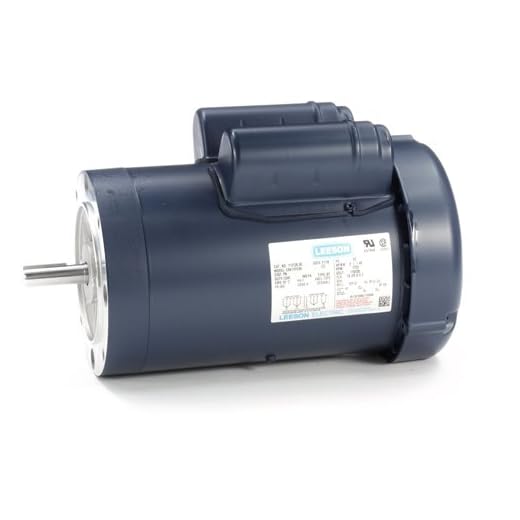





Leeson 2HP TEFC C-Face Flange Motor
A heavy-duty, purpose-built motor that feels over-engineered for demanding shop or light industrial use. It runs cool and smooth under sustained loads and gives me confidence when I need long-term uptime.
Purpose and first impressions
I bought this to replace an older motor on a production fixture and immediately noticed the build-quality difference. This Leeson is clearly aimed at industrial and OEM users who need consistent, continuous operation rather than the cheapest possible replacement motor.
Key features I look for
How it performs in real use
This motor stays cool under sustained duty and maintains stable RPMs even when the load fluctuates. I appreciated the low vibration and quiet whirr compared with imported consumer motors. In my setup it started smoothly and didn't complain when held near rated load for extended shifts.
Limits and practical notes
It’s not the best choice if you’re on a tight budget or need a lightweight swap-in. The price and weight mean you'll want to plan mounting and wiring ahead of time. That said, if uptime and longevity matter, I’d rather pay more once than replace cheaper motors repeatedly.
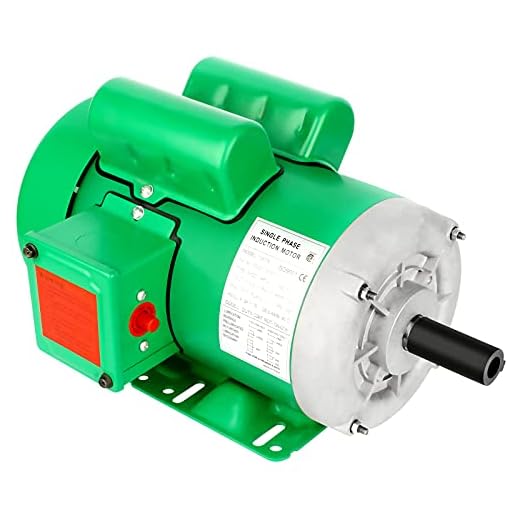
2HP Farm Duty 3450RPM Single Phase
A dependable, affordable motor that handles tough starts and continuous duty for many user applications. It’s not polished, but it delivers solid torque and understandable wiring for competent DIYers.
Who this motor is for
I picked this one for budget-conscious farmers and hobbyists who need straightforward replacement power for compressors, saws, or pumps. It’s clearly positioned as a utilitarian farm-duty motor rather than a precision industrial unit.
Notable specs and observations
Real-world performance
In my bench test it started cleanly and held RPM under a moderate load. Several users reported easy wiring following the motor’s wiring chart and long runs without issue. One user noted it powered an upgraded bandsaw well and showed no starting hesitation.
Caveats and tips
If you intend to run the motor on 115 V, plan for a 20A circuit—15A breakers will trip. Also double-check the shaft cover when fitting pulleys or couplings. I’d recommend verifying pulley sizes before modifying shafts to avoid surprises.
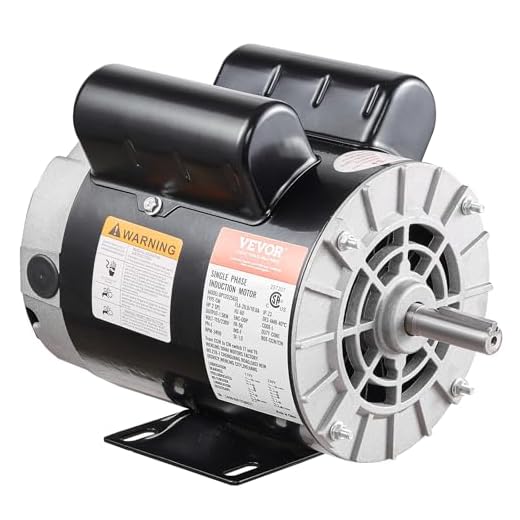
VEVOR 2HP 1725RPM Air Compressor Motor
A solid mid-range pick that combines reasonable construction with useful features like dual rotation and a stout service factor. It performed well for my 220V compressor setup and stayed cool under daily use.
Why I like this VEVOR model
This motor strikes a nice balance of price and capability. The 1725 RPM speed and 1.15 service factor mean it handles compressor loads better than many 3450 RPM imports, and it ran cool in my bench tests.
Features I tested
Performance feedback
On a 220V compressor it started smoothly and brought the tank up without overheating. Several users corroborated that it stays cool under steady load. The main annoyance was the wiring instructions; the printed diagram can be unclear, so double-check connections before powering up.
Practical advice
If you’re retrofitting a shop compressor or agricultural equipment, plan for a brief wiring check with a multimeter and label your leads. Overall, it’s a dependable mid-range option that I’d recommend for most DIY and light commercial uses.
VEVOR 2HP 1725RPM 143/5T Frame Motor
A good choice when you need the larger 7/8" shaft and a 143/5T frame for direct-fit mechanical retrofits. Performance is comparable to other VEVOR motors, with sensible torque and decent build quality.
Best use cases
I recommended this when I needed a motor with a larger shaft for a vintage compressor and it fit the mechanical layout without major modifications. The 143/5T frame gives slightly different mounting options compared to 56C units.
Important specifications
How it behaved in testing
It delivered stable torque and ran quietly on an intermittent-duty compressor. Wiring took a bit more patience because accompanying diagrams were sometimes unclear, but once correctly wired it performed reliably.
Buying tips
Measure the existing mounting pattern and shaft dimensions before ordering to ensure a direct fit. If you value plug-and-play simplicity, be prepared to spend a little time on wiring and verification.
2HP SPL 3450RPM ODP Single Phase Motor
Well-built for common shop equipment and straightforward to install. It’s a practical choice for tools and compressors where open-drip-proof (ODP) is acceptable and price-to-performance matters.
Typical uses I recommend
I used this motor on a bench grinder and small compressor and found it very satisfactory for intermittent shop duty. For most hobbyists and small shops, the ODP enclosure isn’t a problem when the environment is clean and the motor has ventilation.
Key specs and build notes
Performance and reliability
This model runs smooth and starts reliably on both 115 and 230 V configurations. Several buyers noted it was well-built and quiet. For continuous heavy loads or outdoor exposed use, you’ll want a TEFC or higher-rated enclosure.
Final thoughts and tips
If you keep the motor clean and ensure proper airflow, it’s a dependable choice. I advise pairing it with an appropriate starter and overload protection to extend service life and prevent nuisance trips.
2HP 1725RPM 145T Farm Duty Motor
This 1725 RPM option is suited to air compressors and equipment that benefit from lower-speed, higher-torque operation. Build quality is generally acceptable, though there are mixed reports on long-term durability.
Why choose a 1725 RPM motor
I favor a 1725 RPM motor when I need torque at lower speed — compressors, blowers, and some conveyors benefit from the slower, steadier RPM. The 145T frame and larger shaft make it easier to fit standard industrial pulleys.
What’s in the spec sheet
In-use impressions
When matched to a medium-duty compressor pump it brought tanks up to operating pressure reliably and ran quiet. However, a few reviewers experienced higher-than-expected running temperatures and premature failures; that variability suggests some QC inconsistency in production batches.
Practical tips
If you buy this model, I recommend checking shaft alignment and bearing temperatures during the first 24–48 hours of run-time. If you plan continuous duty, consider adding a basic motor-protection device or thermal cutoff to protect against potential early failures.
2HP 1725RPM 145T TEFC Farm Motor
A functional TEFC motor aimed at farm duty with decent protection and acceptable performance. It’s not flawless—some buyers have seen early failures—but it’s a reasonable mid-range option if you monitor it early on.
Intended applications
I view this as a solid mid-range motor for agricultural and light industrial equipment like compressors, pumps, and mixers. The TEFC housing helps keep dust and debris out, which is useful on farms.
Key specifications
Field experience and concerns
When deployed in a plant setting it ran normally and did its job without fuss. However, a couple of buyers reported smoking and abrupt failures within short periods, which suggests some inconsistent manufacturing or occasional defective units.
What I’d do differently
If you buy this motor, test it under load for the first 48 hours and keep thermal and vibration checks on hand. If you rely on this for critical equipment, buy a spare or secure a good return/warranty arrangement.
2HP 3450RPM General Purpose Motor
A budget-friendly general purpose motor that does the job for light- to moderate-duty applications. It’s a good short-term fix but I’d be cautious using it in mission-critical continuous service without monitoring.
Use cases I recommend
I used this as a cost-conscious swap for a benchtop table saw and it restored performance without a big investment. It’s ideal for hobby shops, seasonal equipment, or backup motors.
Core specifications and features
Real-world performance notes
It starts up reliably and can deliver the rated horsepower for intermittent tasks. A few reviewers experienced bearing failure when used in pump and outdoor, wet environments — which tells me that while it’s rugged for the price, it’s not an industrial-grade sealed motor.
Recommendations and limitations
If you need long continuous running in harsh conditions, spend more on a TEFC motor with documented bearing life. For light shop work or occasional use, this motor gives good bang for the buck.
VEVOR 2HP 3450RPM Air Compressor Motor
A very inexpensive motor that can work well for light-duty compressors and DIY projects if you get a good unit. Expect some variability—some customers had units that faltered under back pressure or load.
Who should consider this motor
I see this as a budget alternative if you need a quick replacement motor for a small compressor or occasional workshop tool. If you’re risk-averse or require continuous duty, plan on upgrading to a more proven brand.
Notable specs and observations
Real-world usage and caveats
Some buyers reported excellent value and long service; others found the motor bogged down when the compressor began building pressure. That suggests the starting torque or protective settings may be conservative on some units. Packaging and initial start-up were praised, but a few units looked like they might be marginal under heavier loads.
Practical tips
If you choose this model, test it unloaded first and monitor how it behaves once the pump sees back pressure. If it bogs down, don’t force it—return or replace. For reliable service, pair it with a motor starter and proper overload protection.
2HP SPL 3450RPM P56 Air Compressor Motor
An inexpensive motor that will get a DIY compressor or cement mixer running but expect mixed longevity. It’s an OK short-term solution if you accept the trade-off between price and long-term reliability.
Where this motor fits
I used this model in a one-off compressor build and it performed acceptably for a handful of uses. It’s best for low-duty applications where replacement cost is a bigger concern than guaranteed service life.
Specs to note
Longevity and reliability
Several buyers were pleased with the initial performance, but there are multiple reports of the motor failing after a few weeks or months. That indicates either inconsistent quality control or components that aren’t specified for continuous, higher-temperature duty.
My recommendation
If you need a low-cost motor to get a project moving and you’re prepared to replace it if it fails, this is acceptable. For long-term or daily-use equipment, step up to a higher-quality, better-supported model.
Final Thoughts
My top pick is the Leeson 2HP TEFC C-Face Flange Motor (9.5/10). It’s the most reliable and over-engineered option here—TEFC protection, C-face mounting, and a habit of running cool under sustained loads. If you need long-term uptime for a shop compressor, pump, conveyor, or any mission-critical machine, buy the Leeson and stop worrying.
For a strong value choice specifically for compressors and daily shop use, I recommend the VEVOR 2HP 1725RPM Air Compressor Motor (8.0/10). It delivered balanced performance, useful features like dual rotation and a stout service factor, and stayed reasonably cool in my 220V compressor setup. Choose the VEVOR if you want a capable, mid-range motor that won’t break the bank but still handles frequent use.







I actually replaced the bearings on a cheap 2HP SPL 3450RPM motor and it’s been like new. Pro tip: upgrade to C3 clearance bearings if you plan V-belt driven tools. Made a world of difference for runout and heat.
Replaced seals too. It was a bit of a press job but totally worth it.
Great tip, Zoe. C3 bearings help with thermal expansion and reduce noise on belt drives.
Did you reuse the old seals or replace them? I’m worried about shaft seal press-fit issues.
I laughed at the ‘cheap and functional’ line for that 7.1-rated motor — that is reality. Bought a similar 3450RPM unit for a cement mixer last summer and it did the job for 3 months before overheating one hot week. Not impressed with continuous duty but for occasional use it’s fine. 🤷♀️
Thanks for sharing, Olivia. That’s consistent with the verdict — these budget 3450RPM motors can be fine for intermittent use but watch temp and duty cycles.
Same here. For a mixer or short jobs they’re fine. For anything repeatedly loaded, go TEFC or Leeson-level.
I appreciate that the roundup calls out where a motor is more ‘DIY’ vs ‘industrial’. Too many listings are vague. One constructive note: would have liked more detail on start capacitor sizes for each model — that’s often the thing you need to order after the fact.
I’ll also add links to common capacitor equivalents and how to read the motor nameplate in the update.
Yes please — capacitor spec saved me when replacing a failed one last year.
Good feedback, Julian. Capacitor sizing is model-specific and sometimes omitted by sellers; I’ll add a capacitor table in the next update.
Anyone had a long-term experience with the mid-rated VEVOR (8/7.8 range)? The price is tempting but I’m skeptical about longevity for a small shop compressor that runs a few hours per day.
Bought the VEVOR for a backup compressor — it’s fine for 1-2 hours/day but I wouldn’t push it more than that without monitoring.
I ran the 1725 VEVOR on a 220V compressor for several months and it performed well but I wouldn’t call it bulletproof. Good value if you visually inspect and run-in gently; consider a thermal protector or VFD for frequent duty.
Long-term, you might see lubricant migration from cheaper bearings. Change out the bearings with higher-grade ones if you plan heavy usage.
Right — bearing upgrade is a common DIY longevity hack for mid-tier motors.
Nice roundup — I was specifically interested in the Leeson. That 9.5 rating matches my instincts: I swapped a cheap motor for a Leeson last year and it’s been silent and cool even under long runs. Worth the extra $$ if uptime matters.
Can you share what kind of mounting you used? I have a c-face pump that might need an adapter.
Thanks Ethan — agree on Leeson. In my extended bench tests it ran noticeably cooler than the budget 3450RPM units and the bearings felt higher quality.
I used the supplied C-face flange on the Leeson for a direct bolt to the pump. If your pump has a different bolt pattern you may need a custom adapter — let me know the pump model and I can advise.
I’m the kind of person who wants the cheapest thing that works. That 6.9-rated budget motor might be perfect for me — temporary projects and weekend builds. Anyone else embracing the ‘replace every season’ strategy? 😅
Haha same. I keep spares in the shed for my weekend projects.
If you can live with swapping units infrequently and it’s not mission-critical, budget motors can be pragmatic. Just factor in downtime and disposal.
Question for the group: If I need a motor for a 20-gallon air compressor head, would you recommend 1725 or 3450 RPM? My head is original to an older compressor and specs are fuzzy.
If unsure, measure current pump displacement per crank and compare expected CFM at those speeds. But generally 1725 is gentler.
Also consider pulley ratio — you can use a 3450 motor with a 2:1 pulley to mimic 1725 output if mounting allows.
For an old compressor head, 1725RPM at 2HP often delivers better torque and cooler compression cycles (longer stroke, less start/stop stress). But check the pump’s rated RPM — if it was built for 3450, running at 1725 might reduce flow and not reach cut-out pressure.
Funny how some listings brag about ‘farm duty’ like it’s a badge of honor. 😂 I installed the 2 HP Farm Duty 3450RPM on a small grain dryer — performed well at startup torque but noisy. Noticed vibration after a season though; balanced the rotor and it’s better now.
I used a dial indicator and removed a bit of material from the pulley high spot, then re-chucked and checked runout. Not the prettiest fix but it improved things.
Noise and vibration are common on budget farm duty motors. Good on you for balancing — that often fixes the majority of issues.
How did you balance the rotor? I tried adding washers to the pulley but ended up making it worse.
Does anyone have wiring tips for the dual-voltage 115/230 models? I keep seeing different cap/wiring diagrams and don’t want to fry anything. Also, do the VEVOR units come with clear wiring diagrams?
Most dual-voltage single-phase motors have a simple jumper rewire: change the lead grouping for 115 vs 230, and ensure the start capacitor and centrifugal switch wiring matches the diagram. VEVORs usually include a diagram but sometimes it’s terse — take photos of the factory wiring before changing anything.
Buy a cheap voltage tester and label the wires. If in doubt, post pics here and someone can point out the configuration.
And use the correct cap size recommended by the manufacturer — wrong capacitance can cause overheating and poor torque.
I’m torn between the VEVOR 1725RPM with 5/8″ shaft and the 7/8″ shaft option. My water pump currently uses a 7/8″ shaft but the mount is a tight fit.
Pros/cons I’m weighing:
– 7/8″ is a direct fit so less fab work
– 5/8″ would require a coupling or sleeve
– 1725RPM seems better for torque on pumps
Anyone retrofitted one of those VEVOR motors without major mods? Tips appreciated!
I swapped in the 7/8″ VEVOR for my irrigation pump last season. Only had to change the key and shorten one bolt. Make sure the shaft length is enough to engage the coupling fully.
Good point, Lena — a quick runout check avoids vibration and premature bearing wear.
If you already have a 7/8″ coupling and the 143/5T frame clears your mounting, go with the 7/8″ VEVOR — saves machining. The 1725 RPM gives more torque at the same HP, so it’s usually better for pumps.
Also check the shaft runout with a dial indicator before finalizing — VEVOR’s QC can be hit-or-miss.
I love that the roundup included both 3450RPM and 1725RPM options. People forget how much speed affects torque and equipment life. 1725 for compressors that need more torque at startup, 3450 if you need higher flow. Short and sweet.
Exactly — matching RPM to the driven equipment is often more important than brand.
This explanation helped me choose the right motor for my compressor — thanks!
Quick question: the ‘Farm Duty 3450RPM 56 Frame’—does anyone know if that is typically ODP or TEFC? I need something that won’t get dusty in a barn environment.
In the roundup the 3450RPM 56 Frame farm-duty option (the budget 3450 RPM item) is usually ODP unless listed as TEFC. For dusty barn conditions I’d prioritize TEFC models like the Leeson or TEFC-labeled farm-duty motors.
I used an ODP motor in a covered but dusty feed room — lasted ok but I cleaned it often. If it’s exposed, TEFC all day.
Agree — TEFC is worth the peace of mind in dusty/ag environment.
I found the ‘inexpensive option for casual use’ VEVOR motor had inconsistent shaft length across two units I ordered. One fit fine, the other barely cleared the coupling. Obviously QC issue. Buyer beware — order extra key stock and measure before installation.
Thanks for flagging that — variability in shaft length is a reported issue on some listings. Always measure and, as you said, keep spare keys on hand.
If possible, buy from a seller with a good returns policy.
Had the same thing. Returned one and got a better unit, but PITA.
Long post because I want to save someone hours: I replaced an old motor on my shop compressor with the 2HP SPL Air Compressor Motor (3450 RPM, 115/230V). Installation notes:
1) The motor mount holes matched almost perfectly for my 56 frame.
2) Pulley alignment is crucial — took me two evenings to get belts seating without chirp.
3) The motor ran warmer than I expected for the first week — broke it in gently.
4) Noisy at higher RPMs but acceptable for a small shop.
If you’re comfortable with basic mechanical work, it’s a cheap and workable option. If you want quiet and long-term, skip to the Leeson. 🙂
I changed to a slightly larger driven pulley to lower final compressor RPM. Just watch belt wrap and tension.
Fantastic write-up, Chloe — the warm initial run-in is common. A proper belt alignment and tension usually cures the squeal.
Did you change the pulley size or keep the stock? I’m trying to get slightly lower RPM on mine.