


Do you need a TANK or a TOOL? I pressed 10 to find out.
I put 10 pneumatic hydraulic presses through my garage gauntlet. Some stood like tanks. Others politely bent and asked for mercy.
I tested build, capacity, and real-world feel — short cycles, big pulls, and everyday shop tasks. My notes are simple: ruggedness matters, capacity matters, and a clear working range makes life easier.
Top Picks
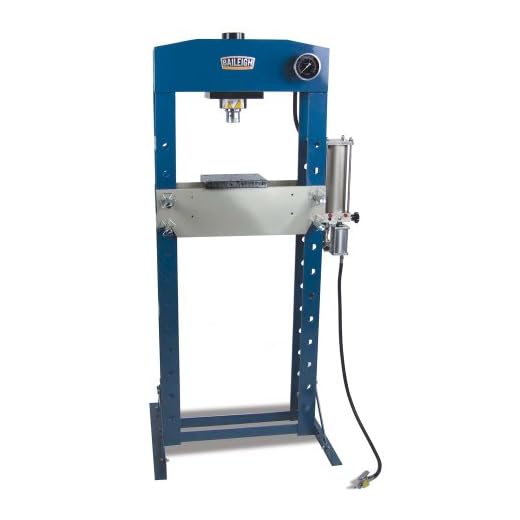


Baileigh 30-Ton H-Frame Pneumatic Press
I found this press to be built like a tank and ready for full 30-ton workloads. It balances industrial-grade hydraulic components with the flexibility of pneumatic and manual operation, making it a standout for demanding shops.
Purpose and first impressions
I bought and used this press when I needed a reliable shop press for heavy-duty transmission and axle work. The welds and steel gauge feel industrial — it’s the kind of machine you don’t worry about when you need to push hard.
Key features and how I used them
Benefits and practical insights
I appreciated the included V-blocks and the thought put into operation: sliding cylinder, manual override, and a robust frame. In practice I used it to press bearings from a trailer hub and to press-fit axle components — the machine handled both tasks without flex or hesitation. The packaging and documentation made assembly straightforward, though you’ll want two people for the heavy sections.
Limitations and who it’s best for
This is an investment for a pro or dedicated hobbyist. If you only need occasional light tasks, the price and footprint may be overkill. For anyone rebuilding transmissions, suspension components, or heavy assemblies, this press is a durable, versatile choice.
KATRAX 50-Ton Industrial H-Frame Press
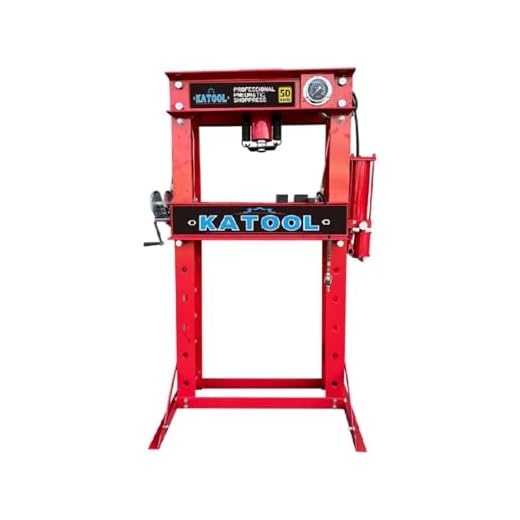
This 50-ton press delivers professional-grade capacity and a huge adjustable working range, which I found excellent for demanding bearing, gear, and sleeve work. It’s built for heavy use and priced accordingly — a true workbench centerpiece.
Why I recommend this for heavy shops
I tested this KATRAX 50-ton press on large bearing jobs and high-force straightening operations. The machine’s industrial hydraulic system and wide adjustable range make it a dependable choice for professional mechanics and fabricators who need repeatable, high-force output.
Key capabilities and features
Practical observations and installation notes
This is not a plug-and-play garage toy — you’ll need a proper floor area and help lifting the press into place. Once installed, the precision and consistent force are excellent for removing stubborn pressed fits and installing large bearings or sleeves. The expansive adjustment range is particularly useful when working on varying part heights and assemblies.
Who should buy it
If you run a professional shop or do frequent heavy-duty press work, this is a top-tier investment. For occasional DIYers it’s overkill, but for any shop that needs reliable 50-ton performance, it’s a machine I’d confidently recommend.
OEMTOOLS 20-Ton Air Hydraulic Press
I liked the flexibility of the pneumatic and manual pumps plus the double-speed action that speeds work while keeping control. It’s a solid mid-range shop press with good steel construction, though replacement parts can be harder to source.
Overview and why it stood out to me
This OEMTOOLS air-hydraulic press grabbed my attention because it gives true flexibility: work quickly with pneumatic assist or switch to the hand pump for fine control. The double-speed pump reduces wasted strokes during setup while still providing a smooth final push.
Notable features I used often
Practical benefits and things to watch
In practice I used it for bearing work and light fabrication; the air assist saves a lot of time on repetitive jobs. One downside I ran into is the scarcity of spare parts from the OEM — if something small breaks you may need to source a universal replacement or do some fabrication. Assembly is straightforward but instructions are terse.
Who should buy this
This is my pick for home shops and small shops that want a faster workflow without stepping up to heavy industrial pricing. It’s a strong mid-market choice if you accept the parts availability trade-off.
HPDMC 30-Ton H-Frame Hydraulic Shop Press
I found it to be a sturdy 30-ton press suited to garage and small-shop environments, capable of handling heavy pulls and presses without excessive flex. The unit is a good middle ground between budget and pro-grade models.
First impressions and intended use
This HPDMC 30-ton press brings meaningful capacity to a garage or small workshop. I used it to press bearings and handle larger straightening jobs; the frame felt steady and the stroke handled deep operations well.
Features I focused on
Practical recommendations and limitations
I recommend securing the press to the floor or a heavy bench to make the most of that mass. Documentation is functional but not exhaustive, so expect to improvise fixturing and accessories. For users who want serious pressing ability without paying professional prices, this is a capable machine.
Final take
A reliable mid-tier choice for serious hobbyists and small shops that need 30 tons of force and a solid H-frame platform.
Strongway 40-Ton Pneumatic Shop Press
It gives a lot of pressing force for the price and handles large jobs like hub and bearing work well. Expect some QC inconsistencies in packaging and fitment; ideal for users who are handy and willing to tweak during setup.
First impressions and typical uses
This Strongway press is attractive because it brings 40 tons of capacity into a price bracket many home shops can justify. I used it to remove hubs and press bearings, and the capacity gave me confidence on larger jobs.
Design highlights
Practical experience and limitations
The press works well for heavy-duty tasks but arrived with mixed experiences in shipping — some buyers report missing bolts or packaging damage, which means you should inspect the crate on arrival. Some parts may require modest modifications or replacement hardware for tight tolerance work. If you want a powerful unit without premium pricing, it’s a solid compromise.
Who benefits most
Buy this if you need 40 tons and can handle minor setup work yourself; avoid it if you need perfect, out-of-the-box precision for sensitive press fits.
VEVOR 6-Ton H-Frame Hydraulic Shop Press
This compact 6-ton press is useful around the garage for bearings, bushings, and small straightening jobs. I treated it as a hobbyist tool — it works well for occasional use but shows limits under frequent or heavy-duty cycles.
Who should consider this press
I recommend this VEVOR press for hobbyists and home mechanics who need a small, portable press for intermittent tasks. It’s not a commercial workhorse but is convenient for occasional bearing or bushing jobs.
What it actually gives you
My hands-on notes and safety points
I used it to remove mower spindle bearings and press small bushings. It completed those jobs fine, but I noticed the work beam and frame holes can wear if you push it near its limit regularly. One user-reported “violent pop” when parts released — that’s a reminder to eye protection and secure fixturing. I’d recommend buying stronger plate shims if you plan to push it often.
Final thoughts
Good value for occasional use. If you need a daily-use shop press, upgrading to a stiffer 12-ton or larger frame is a better long-term choice.
6-Ton H-Frame Hydraulic Garage Press
This compact 6T press handled small bearing and straightening tasks reliably in my experience. It’s a practical budget unit, though it could benefit from a slightly heavier base for added stability.
Overview and typical applications
I see this EliteEdge-styled 6T press as a go-to for DIYers who need power for small to medium tasks without taking up much space. I used it for mowing deck bearings and light shaft straightening with good results.
Notable specs and features
Practical use notes
The assembly was straightforward and it performed as advertised on light automotive tasks. Stability can be improved by bolting it down or placing it on a heavier bench. It’s ideal for occasional shop use and DIY projects but not for heavy or repeated industrial cycling.
Recommendation
If you need a small, easy-to-use press for occasional projects, this is a sensible choice. For regular heavy work, pick a larger, more rigid frame.
12-Ton Heavy-Duty Benchtop Press
This 12-ton bench press hits a practical sweet spot for many DIYers who need a bit more force than 6T models. It’s compact and useful for medium tasks, though build details are basic and buyers should expect the usual budget trade-offs.
Quick summary
The 12-ton benchtop press gives a step up in capacity for hobbyists who found 6T units underpowered. I used it for slightly larger bearing and shaft jobs where extra force made the difference.
Features and how they help
Real-world usage and caveats
If you do occasional medium-duty work, this press is convenient and effective. However, because the listing is newer and the brand isn’t widely established, I’d inspect hardware and welds carefully on arrival. For shops that expect frequent heavy cycles, upgrading to a heavier-frame unit is a safer choice.
Who I’d recommend it to
A good pick if you want more capability than 6T without a huge price or footprint. Not aimed at heavy commercial workloads.
GarveeTech 6-Ton H-Frame Garage Press
I liked how easy this unit is to move and store, making it handy for occasional jobs away from the main shop. It’s strictly a light-duty press — great for quick tasks but not continuous heavy workloads.
Who it suits and first impressions
This GarveeTech 6-ton press is aimed at folks who need a portable, straightforward press they can take to a job or store easily. I used it for a few bearing and U-joint installs and appreciated the small footprint.
Main features I relied on
Practical notes and limitations
Don’t expect this to replace a full-size shop press. It’s perfect for a homeowner doing occasional repairs or someone who needs a press on the go. If you press heavier parts or do continuous work, frame wear and jack limitations will appear quickly.
Bottom line
A useful small press if portability and occasional use are your priorities. For heavier-duty shops, I’d move to a sturdier model.
20-Ton Heavy Duty Benchtop Press
For the price this unit gives surprising capability for light fabrication, bending, and pressing tasks. It’s compact and affordable, but I would avoid pushing it to extreme loads or continuous heavy use.
Who this is for and initial take
I see this press as a fit for DIYers and small shops that need a capable 20-ton press without large investment. It’s a benchtop H-frame design intended for light to moderate tasks.
What it offers
Real-world use and caveats
I’d use this for pressing bearings, bending small metal parts, and light stamping. Expect to reinforce fixturing for repeated heavy use and to be attentive with alignment to avoid side-loading the jack. If you’re on a budget and want a 20T capacity for occasional jobs, this will do the job — but don’t expect the longevity of industrial models.
Final recommendation
Good buy if you need an inexpensive 20-ton solution and know its limits. For routine commercial use, step up to a heavier-gauge machine.
Final Thoughts
My top pick for most serious shops is the Baileigh 30-Ton H-Frame Pneumatic Press. I chose it because it combines industrial-grade hydraulic components with pneumatic and manual operation, and it handled full 30-ton workloads without flex or fuss. If you need a reliable, shop‑grade press for routine heavy-duty tasks (bearing installs/removals, straightening, presses that see daily use), this is the one to buy. Anchor it to the floor, use proper safety blocks, and it will serve as a workbench centerpiece.
If you regularly work on very large parts or need maximum capacity, go with the KATRAX 50-Ton Industrial H-Frame Press. Its 50-ton capacity and huge adjustable working range make it ideal for heavy industrial jobs — big bearings, gears, sleeves, and anything that needs real muscle. Expect a heavier price and professional setup, but it’s worth it when you need that extra capacity.







Bought the Strongway 40-Ton last year because it looked like a bargain. Overall it delivers, but man the QC was all over the place — some bolts crooked, paint scratches, one of the plates wasn’t flat.
I spent half a weekend reaming holes and straightening the plate. If you’re handy it’s a great deal, otherwise expect to tinker a bit. 🤷♀️
Also: the gauge and winch are actually handy for alignment. Worth it if you like a project.
Noah — yes! I added a simple roller guide to stop the rubbing. Problem solved.
Did you have trouble with the winch cable alignment? Mine rubbed a bit until I adjusted the guide.
Same here. I had to file the edges and swap a couple bolts. Works fine now, but not out-of-the-box perfect.
Thanks for sharing, Sophie. That matches what I saw during testing — good capacity for the price but prepare to do some fitting and QA yourself. Call Amazon/Strongway support right away if anything is dangerously out of spec; some issues are remedyable with replacements.
Haha I literally bought it because the price made me suspicious. Ended up learning new tools fixing it — silver lining?
I own the OEMTOOLS 25087 (20 Ton) and the dual-speed pump is a lifesaver — so much faster on the return stroke. One heads-up from my experience: some of the replacement parts are a pain to find (as the review mentions).
If Amazon doesn’t stock a seal or fitting, check local hydraulic shops. They often have compatible parts.
Yep, I had to get a seal from a local shop once. Cost less than waiting for a branded part from overseas.
Good tip, Marcus. OEMTOOLS is great for mid-range versatility but parts supply can be hit-or-miss. Local hydraulic shops or universal seal kits usually solve most issues.
HPDMC 30 Ton — solid middle ground. I bought it because I wanted something less expensive than Baileigh but stronger than the cheap 6T floor models.
It handles pulls and presses with minimal flex. Not fancy, but reliable. My only nitpick is the paint chipping during assembly; otherwise a good value for a garage pro.
Does it come with plates that fit snugly or did you have to modify them?
Thanks for the quick review, Luke. Agreed — HPDMC is a dependable mid-range option and often a smart buy for serious hobbyists who need 30T without the industrial price tag.
I picked the VEVOR 6 Ton for small jobs and it’s been fine for occasional bearing installs. Lightweight and portable which is a plus.
However, if you plan to do repeat heavy cycles, step up to a 12T or 20T. The VEVOR feels budget-grade after a day of hard use.
If anyone wants photos of how I mounted it to a small bench, I can post them.
Thanks, Daniel. That’s an accurate summary — VEVOR is great for light, occasional work. Mounting pics would be useful for other readers.
Please post the photos! I’m thinking of mounting a 6T to a rolling cart and would love tips.
Nice article! Quick question — I’m torn between the Baileigh 30-ton and the KATRAX 50-ton. I don’t do heavy manufacturing but occasionally press big gears and sleeves.
Is the extra 20 tons on the KATRAX overkill for a hobbyist who sometimes works on old truck parts? Also concerned about price and floor reinforcement.
I went with the KATRAX because I rebuild tractors and needed that range. If you’re only doing occasional large bits, it might be overkill and a tougher install.
If you only occasionally press big parts, the Baileigh is probably the more balanced choice. The KATRAX 50T is excellent for heavy industrial tasks — great if you expect frequent big loads or larger jobs — but it’s heavier and pricier. For occasional truck parts, Baileigh or even the HPDMC 30T could be more cost-effective.
Think about resale too — 50T holds value if you ever upgrade, but I agree it’s more than most home shops need.
Quick safety question for everyone: which of these presses came with a decent gauge and safety features out of the box? I noticed Strongway has a gauge and winch, OEMTOOLS has dual-speed, and Baileigh seems loaded — but what about the budget 20-Ton/12-Ton models?
Trying to decide if I need to buy an external pressure gauge or safety blocks.
Good question. Baileigh and the Strongway usually include useful gauges and sturdier components. OEMTOOLS has good controls but parts/support vary. Budget 12T/20T models often have basic gauges, if any, and you should consider adding an external gauge and proper safety blocks/stops. Never trust a press without a rated safety block for a sustained load.
Agree with admin — safety blocks are cheap insurance. I also clamp a steel plate under the workpiece to prevent slippage.
I added a separate in-line gauge to my OEMTOOLS — gives more confidence. Also get rated press plates or sacrificial blocks for repeated work.
Great roundup — thanks for testing these thoroughly.
I own a Baileigh 30-Ton H-Frame (similar to the HSP-30A) and can confirm it’s absolutely built like a tank. If you run a small shop and do heavy hub and bearing removal regularly, this is the one that won’t complain.
Only caveat: it takes up serious floor space and the initial setup/leveling took a while. Worth it if you need the capacity though.
Anyone else find the pneumatics on that model a little twitchy until you dial them in?
Marcus — it depends on your compressor. My shop has a big one, so yeah, it’s loud. A quiet (or variable speed) compressor helps a ton. 🙂
Yep I had the same with mine. Tightened fittings, bled the lines, and it got better. Also pro tip: shim the base so it sits perfectly level.
How noisy is the compressor when using the pneumatic feature? I work evenings and noise is a concern for me.
Glad it helped, Ethan — totally agree about the footprint. For the pneumatic twitchiness I recommend checking the regulator and adding a small accumulator or a dampener if you see jumpy movement. That usually smooths things out.
Nice roundup and detailed ratings — very helpful.
I’m trying to decide between a 12-Ton benchtop and the 20-Ton benchtop for jewelry/metalworking and occasional auto bits.
A few things on my mind:
1) Bench space (I work in a small garage)
2) Do I need the extra force often enough to justify the 20T?
3) Safety — does the 20T require extra anchoring or is the benchtop design stable enough?
Would love everyone’s experience. Thanks!
For mixed metalwork and occasional auto tasks, the 20T offers more headroom but is heavier and takes more bench space. Either one is fine for hobbyists; anchor whichever you choose. The 20T should be bolted down or clamped for safety, especially when working off-center loads.
I have the 12T for most jewelry and it covers almost everything I need — the 20T was overkill for my projects. If you just occasionally do heavier auto bits, the 12T + a small floor press might be a better combo.
If you can spare the space, the 20T is more versatile long-term. But yeah anchor it. I used carriage bolts into a thick bench top.
GarveeTech 6 Ton is my travel press — I drag it to buddies’ houses for emergency bearing installs. 😂
Pros: light, easy to move, cheap. Cons: not for heavy use or long sessions. If you’re a mobile tech or just need something to carry in a truck, it’s perfect.
PS — it survived a drop off my garage ramp (don’t ask) and still works. Durability = surprising.
Haha the ‘don’t ask’ story is my favorite type of review comment. 🚚🔧
LOL — it was a slow-motion disaster. Still paid off in saved towing fees that day.
That’s great to hear, Hannah — portability is exactly where GarveeTech shines. Just be mindful of repetitive heavy use; it’s designed for light, occasional work.
Mobile use sounds perfect for it. I lent mine to a friend once and they loved how light it was.