


Which 6×48 sander will make your shop sing — and which will make you swear?
Sanding can make or break a project. One wrong machine and a smooth board becomes a sanding nightmare.
I tested and compared eight 6×48 belt sanders for 2026. I kept an eye on build, tracking, power, and real-world usability — with a little humor (and a few curse words) along the way.
Our Top Picks


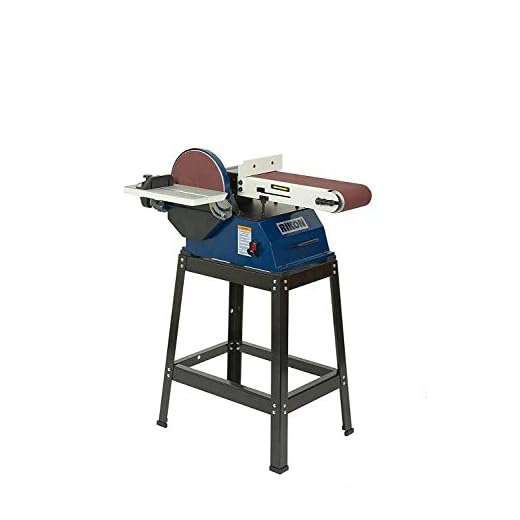


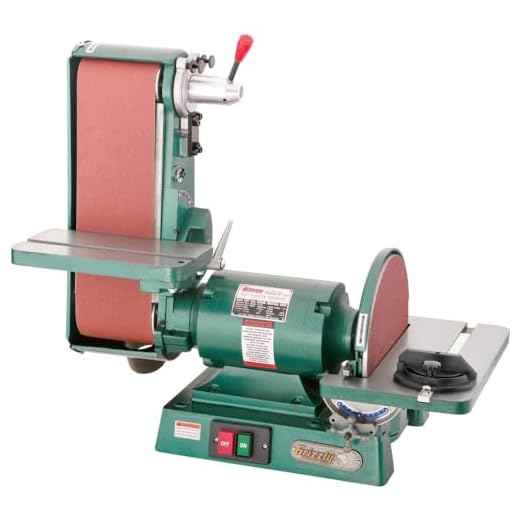

Powermatic 6x48 Belt & 12" Disc
This Powermatic is one of the most solid combo sanders I've used — heavy castings, great tracking, and a user-focused feature set. It’s well-suited to pros and serious hobbyists who demand long-term reliability and precision.
Overview
I recommend the Powermatic 31A when you want the best compromise of longevity, precision, and serviceability. The machine is built like a tank and the attention to machining and fit-and-finish shows in daily use.
What I like most
Real-world trade-offs
This is a substantial investment: the unit is heavy and will arrive via freight, and you'll want a stout bench or wheeled base to move it. While it’s costly up front, the long service life and low-maintenance build justify the cost if you use it regularly.
Practical advice
I set mine up with a 3HP dust collector and high-quality abrasives; the difference in finish and shop cleanliness is immediate. If you expect long-term daily use, the Powermatic pays for itself in uptime and reduced headaches.
JET 6x48 Belt & 12" Disc Benchtop
This JET benchtop combo brings 1.5 HP of real sanding muscle and precision cast-iron tables. It's a great fit for small shops that need a compact but powerful machine with professional features.
Overview
I view the JET JSG-6DC as a compact professional machine — it packs a 1.5 HP motor into a benchtop form that still feels industrial. If you need power and accuracy in a smaller footprint, this model hits that sweet spot.
Key strengths
Practical performance and limitations
The machine is stable and runs smoothly, making it suited to detailed work and longer sessions without bogging down. The trade-offs are size and cost; it needs a dedicated bench or stand and represents a step up in investment compared with entry-level units.
Real-world advice
I recommend pairing this sander with a good dust collection system and using quality abrasives — both dramatically improve finish and lifespan. It's an excellent choice if you want near-industrial performance but don't have space for a floor model.
JET 6x48 Belt & 9" Disc Combo
I found this to be a well-rounded combo sander with a useful closed stand and solid dust control. It balances power and footprint for dedicated hobbyists who want a reliable all-in-one sanding station.
Overview
I appreciate the JET JSG-96CS because it feels like a thoughtful middle-ground machine — more heavy-duty than an entry-level benchtop, but not as large or expensive as an industrial floor model. The 3/4 HP motor is enough for typical woodworking tasks, and the included closed stand makes it feel like a proper shop fixture rather than a tabletop afterthought.
Key features and what they do
Benefits and practical trade-offs
The combo's strengths are its usability and shop-friendly features: easy belt changes, good tracking once set, and a stable platform for repeatable work. However, I want to be candid: some buyers noted significant plastic on the sander base and occasional issues with disc run-out. That means while the machine sands well, you should inspect the disc for wobble when it arrives and be prepared to work around occasional QC anomalies.
My takeaway and real-world tips
If you want a durable, stand-mounted combo sander for a home or small shop, this is a solid choice — especially if you value a closed stand for dust management. I recommend using a straight edge to check the disc when you set it up, keep spare belts on hand, and consider greasing or servicing the wheel lock mechanism if it feels stiff. With those small adjustments it performs very well for cabinet parts, shaping, and general stock removal.
RIKON 6x48 Belt with 10" Disc
RIKON delivers a dependable 1HP combo sander with cast-aluminum tables and useful rack-and-pinion adjustments. It’s a sensible middle-ground option for woodworkers who want solid value and thoughtful details.
Overview
I appreciate the RIKON 50-122 for delivering sensible features without the premium price. Its 1 HP motor is a practical choice that balances power and electrical draw, and the unit's cast-aluminum table feels more accurate than many budget competitors.
Practical features worth noting
Limitations and user tips
If you order one, be mindful of packaging: several users reported transit damage, so inspect on delivery and test tracking immediately. Also, the 2" dust port may require an adapter for common 2.5" or 4" dust hoses. With a few minor adjustments — tighter belt tension and a quality dust adaptor — it becomes a dependable shop tool.
My conclusion
This is a practical, mid-range combo sander I’d recommend to small-shop woodworkers who want functionality and reasonable build quality without stepping up to industrial pricing.
WEN 6x48 Belt and 9" Disc
This WEN combo gives you a lot of capability for the price, with an approachable motor and sensible features. It's ideal for hobby shops where budget and usable performance matter more than industrial robustness.
Overview
I like the WEN 6508 because it gives hobby woodworkers a real combo sander for a sensible price. The machine is heavy enough to stay put and the included stand brings the sanding surface to a comfortable height, which is a practical advantage in a small shop.
Notable features
Performance, limits, and tips
In my experience it sands smoothly for cabinetry, trim, and small furniture parts, though the dust tends to escape unless you have a robust dust collection setup. I find the unit works best when fed consistently rather than pushed very hard; aggressive pressure will bog it down. For a workshop on a budget this is a great practical workhorse, but if you expect daily heavy-duty metalworking or continuous production you'll want to step up to a heavier industrial model.
Practical advice
Set it up on a stable surface and use adhesive or liquid nails to keep the rubber feet from slipping if you choose the steel base. Keep extra belts and high-quality abrasives on hand; better belts noticeably improve tracking and smoothness.
Hoteche 6x48 Belt and 9" Disc Sander
Hoteche delivers a competitively priced 7.9-Amp combo sander that matches many workshop needs at a friendly price point. It’s a sensible budget option if you want good RPM and included dust collection without spending a premium.
Overview
I view the Hoteche combo as an appealing budget-friendly alternative to mainstream brands. With a 7.9-Amp motor and advertised 3550 RPM, it brings respectable speed and the convenience of an integrated stand and dust collection for small shops or DIYers.
Features I pay attention to
Practical strengths and caveats
For the price, this sander gives you real capability: quick material removal, bench-mounted stability, and a usable disc/table setup. The caveat is long-term durability — it lacks the decades-long track records some other brands have. I recommend checking fasteners on arrival and initially running it lightly to confirm tracking and balance.
My recommendation
If you're shopping on a budget and want a capable combo sander that performs most shop tasks well, this is a reasonable option. For heavy daily commercial use, I’d step up to a more established brand, but for seasonal projects, prototyping, and home workshops, the Hoteche represents strong value.
Grizzly 6x48 Belt and 12" Disc
This Grizzly combo offers very high belt speeds and a robust footprint for quick material removal. Be aware that some units show tracking and quality-control issues, so inspect thoroughly on arrival.
Overview
I consider the Grizzly G1183 a machine for users who need speed and capacity more than finesse. Its belt velocity and large disc make it effective for rapid shaping and heavy material removal, which is useful if you do a lot of initial stock shaping or metalwork.
What stands out
Trade-offs and real-world notes
The main drawback is variability: some owners report belt-tracking problems and premature wear on bushings or bearings. If you buy one, I suggest inspecting the rollers and confirming good tracking before putting it into serious use. For a hobbyist willing to tweak and maintain their tools it can be a strong performer, but it isn't a "plug-and-play" premium unit.
Practical tips
If you encounter tracking issues, check drum crown and bore alignment and consider fitting quality bearings or replacing worn bushings. For light production work, pair this machine with a solid dust collector and routine maintenance checks.
Shop Fox Horizontal/Vertical Belt Sander
This Shop Fox model is a compact and affordable sander that works well for small projects, reshaping, and sharpening. It’s not a 6x48 machine, so it’s more suitable for hobbyists with limited space or light-duty needs.
Overview
I include the Shop Fox W1855 for folks who have limited space or who need a light-duty benchtop sander. It’s not a 6" x 48" machine — it uses a 4" x 36" belt and a 6" disc — but it offers useful functionality for sharpening, shaping small parts, and hobby projects.
Why consider it
Limits and who should avoid it
It’s not built for heavy production or large workpieces — the smaller belt and lower horsepower show their limits quickly. If you need wide-belt sanding or high stock removal, look at full-size 6x48 machines. But for model-makers, knife makers doing light work, or a small shop with little bench space, it’s a handy, economical tool.
Practical tips
Mount it securely to a heavy bench to maximize stability, and use a separate dust extractor if you plan to run it often — the small unit's dust handling is limited compared to larger combos.
Final Thoughts
My top pick is the Powermatic 6x48 Belt & 12" Disc (9.6/10). I chose it for its rock-solid castings, excellent tracking, and user-focused features. If you want long-term reliability and pinpoint precision for finish work or a pro shop, this is the one to buy.
Runner-up: JET 6x48 Belt & 12" Disc Benchtop (9/10). It packs 1.5 HP, cast-iron tables, and real sanding muscle in a compact footprint. Pick this if you need professional power in a smaller shop without sacrificing durability.
If budget matters more than pro-grade longevity, the WEN 6x48 Belt and 9" Disc is my best-value alternative — great for hobbyists who want usable performance without a premium price.






Nice list. Quick question: for those who have used the RIKON 50-122, does the 10″ disc make a noticeable difference vs the 9″ discs on other models? I’m mainly sanding chair parts and smaller furniture pieces.
The 10″ disc gives a bit more face area for flattening and bigger workpieces, so for chair parts it can help — especially if you need a slightly larger sanding surface. But the difference isn’t night-and-day for smaller pieces.
I have the RIKON and love the extra disc size for larger legs and rails. It’s just a small convenience, but when you’re working a lot it saves time.
Hmm, I appreciate the honesty about the Grizzly G1183 — “inspect thoroughly on arrival” is code for ‘we might ship you a lemon’ LOL 😅
I actually bought one last year because I wanted fast material removal. The belt speed was insane and it chewed through stock, but I had to re-track it and shim a motor mount on delivery. If you’re mechanically inclined it’s fine, but if you want plug-and-play, maybe skip it.
Also: anyone else feel like the Shop Fox description is a bait-and-switch in these lists? Not a 6×48, but included anyway.
Yep, had a similar Grizzly arrival — needed minor adjustments out of the box. Once tuned, it’s fast. But I wouldn’t recommend it to someone who wants zero setup.
Thanks for sharing your experience, Evelyn — that’s exactly the kind of user insight future buyers need. You’re right about Grizzly: great for aggressive removal but QC can vary. Shop Fox made the list as a compact alternative; we flagged it in the verdict so buyers wouldn’t confuse it with full-size 6×48 machines.
Thanks @admin and @Jordan — good to know I’m not the only one. Still love the speed, just wish they did better QC 🤷♀️
Shop Fox is cute for sharpening and little tasks. I used it in my tiny garage and it was perfect for what it is. Not a substitute for a 6×48, though.
Solid article. I’m leaning toward the WEN 6508 for budget reasons — seems like the best value for hobbyists. My main concern is dust collection efficiency; I don’t have a shop vac setup yet.
Anyone using the WEN with just the built-in system (no external vac)? Does it keep things reasonably clean or should I budget for a separate dust collector/small shop vac?
I use the WEN with a 5-gallon shop vac and it’s fine — not perfectly dust-free, but way better than nothing. If you do large stock removal, upgrade to a cyclone or dedicated collector.
For what it’s worth I left mine without a vac for the first month and regretted it. Dust sinks into everything. 😬 Budget for at least a small shop vac.
The WEN’s built-in dust port works OK for light work, but for consistent clean-up you’ll want a shop vac or dust collector. If you’re only doing occasional sanding, a decent shop vac tied into the port will be enough and is more budget-friendly than a full dust collector.
Adding: consider a simple blast gate and a short hose run to minimize suction loss. Even cheap setups benefit a lot from reducing hose length and bends.
Appreciate the tips — looks like a shop vac is the way to go. Thanks everyone!
Great roundup — really helpful breakdown. I’ve been torn between the Powermatic 31A and the JET JSG-6DC for my small cabinet shop.
The Powermatic’s build and precision sound fantastic (9.6!), but the JET seems like a more compact powerhouse for the space I’ve got. Curious if anyone’s used both and can comment on long-term reliability vs. initial value?
Also, does the Powermatic need any special wiring for the 115/230V model, or is that standard on most shop circuits? Thanks!
Good question — both are great. Powermatic usually feels a bit more ‘set it and forget it’ with heavier castings, while the JET is excellent if you need similar power in a slightly smaller footprint. For wiring, the Powermatic’s 115/230V models often ship with dual-voltage capability but check your local electrician for a proper setup if you plan 230V.
I swapped from a cheap benchtop to the Powermatic and it’s night/day. If you think you’ll be doing high-precision or production runs, go Powermatic. If it’s occasional cabinet doors, JET will do the trick.
I had the JET JSG-6DC for three years — zero drama. It tracked well and the table adjustments stayed true. If you don’t absolutely need that Powermatic weight, JET is a solid middle ground.
I ended up getting the Powermatic 31A after reading a lot of recommendations — absolutely no regrets. It’s heavy, sure, but the tracking and table stability make a noticeable difference when I’m doing veneer preps.
One tiny nit: make sure you get the right voltage. I accidentally ordered the single-voltage model and had to return it. Rookie mistake, lol.
Glad it’s working out, Sophie — great example of how the Powermatic rewards folks who do more detailed work. And yes, double-check voltage options before ordering!
Thanks for the tip — I’ll be careful about voltage when I buy mine. The Powermatic looks dreamy but big $$$, so I want to get it right the first time.