So, you’re thinking about getting a pull behind chipper shredder? Great choice! These machines are a real game-changer for tackling yard waste. They hook up to your ATV or tractor and make quick work of branches and brush. But before you dive in, there’s a bit to know about picking the right one, setting it up, and using it safely. Let’s break it down so you can get the most out of your new tool.
Key Takeaways
- A pull behind chipper shredder is perfect for turning yard waste into mulch.
- Hook it up to your ATV or tractor for easy mobility around your property.
- Choose the right model by considering engine power and chipping capacity.
- Always wear safety gear and understand the controls before operating.
- Regular maintenance keeps your chipper running smoothly and extends its life.
Getting Started with Your Pull Behind Chipper Shredder
Choosing the Right Model for Your Needs
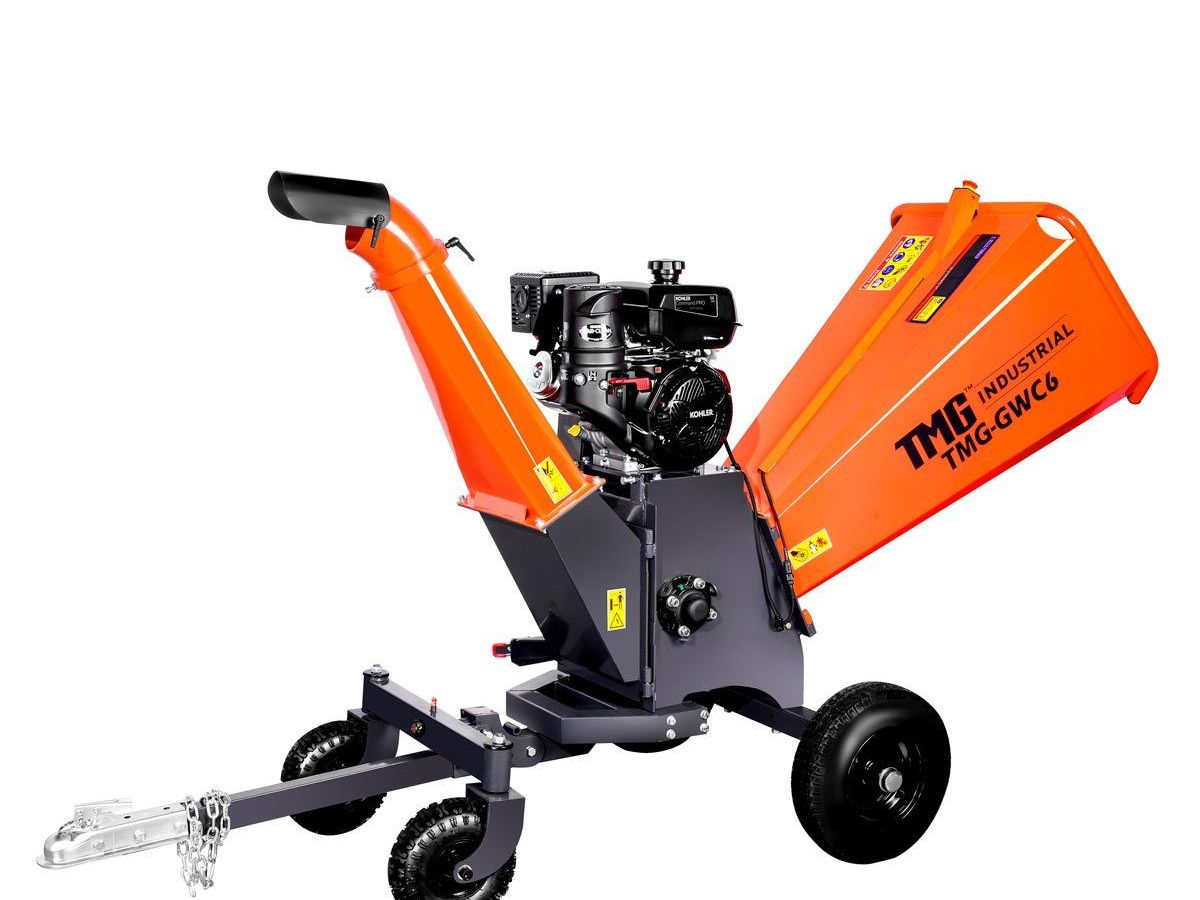
So, you’re thinking about getting a pull behind chipper? Choosing the right model is like picking the right tool for the job—it can make or break your experience. Think about what you’ll be chipping. Big branches? Maybe the PRO 420 chipper shredder with its 4″ chipping capacity is your best bet. Or perhaps you’re more into clearing smaller debris? Consider the size, power, and capacity. These details matter more than you’d think.
Understanding Key Features
Once you’ve got your model, it’s time to dig into the features. Some chippers come with fancy bells and whistles, like reversible blades or advanced safety features. But don’t let them overwhelm you. Focus on what’s essential for you. Is it the engine power? Or maybe the ease of towing? A solid electric wood chipper might be just what you need if you’re looking for something straightforward and efficient.
Initial Setup and Safety Checks
Alright, so you’ve got your best tow behind wood chipper, and you’re ready to roll. But hold up! Before you even think about turning it on, do a thorough safety check. Make sure all parts are secure, and nothing’s loose. Check the oil, fuel, and any electric connections. It’s like the first day of school—you want everything to be perfect. Safety first, always! And once you’re all set, give it a test run to see how it handles.
Hooking Up Your Chipper Shredder to Your Vehicle
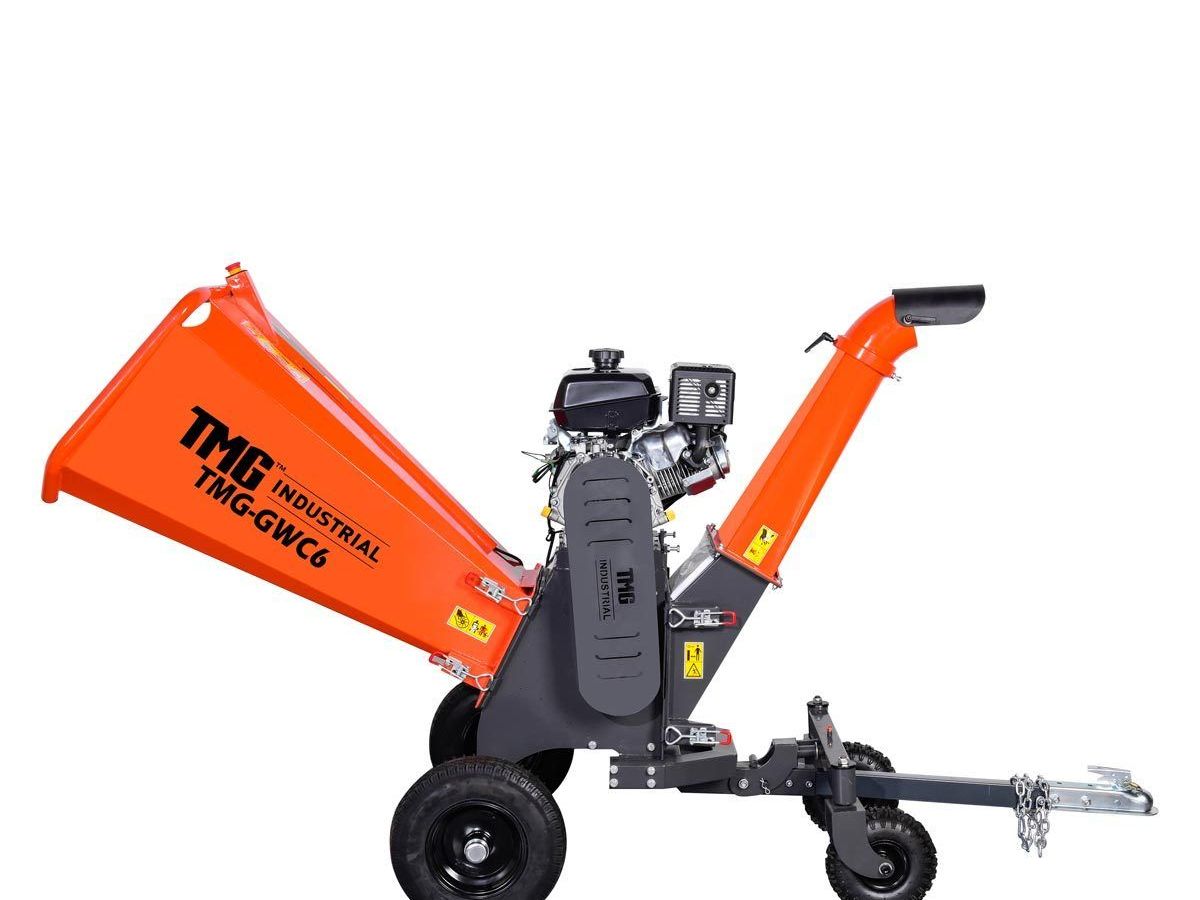
Choosing the right hitch is the first step in connecting your tow behind chipper to your vehicle. Make sure the hitch is compatible with your vehicle’s towing capacity. You don’t want to get stuck halfway through your yard work because the hitch can’t handle the weight.
Once you’ve got the right hitch, securing the connection is crucial. Double-check that all pins and locks are in place and tight. A loose connection can lead to accidents, and nobody wants their chipper rolling away unexpectedly.
Before you start chipping, test how your setup moves. Drive around a bit to see how the chipper follows your vehicle. It’s important to know how it handles turns and stops, so you’re not caught off guard when you’re out in the field.
A well-connected chipper is your best friend in property maintenance. Take the time to get it right, and you’ll save yourself a lot of headaches later on.
Operating Your Pull Behind Chipper Shredder Safely
Wearing Proper Safety Gear
Before you even think about firing up that pull behind chipper shredder, make sure you’re decked out in the right gear. Safety glasses and work gloves are non-negotiable—they’re your first line of defense against flying debris. And don’t forget about ear protection, because these machines can get loud. Earplugs or earmuffs will save your hearing in the long run. Trust me, you don’t want to skip this step.
Understanding the Control Panel
Getting familiar with the control panel on your tow behind chipper shredder is like learning the ropes of a new video game console. Spend a few minutes figuring out what each button and lever does before you dive in. This way, if something goes sideways, you’ll know exactly what to do. It’s all about being prepared and not fumbling in the moment.
Emergency Procedures and Stops
Knowing how to stop your machine in an emergency is just as important as knowing how to start it. Practice hitting that emergency stop button until it becomes second nature. If things start to go south, you’ll thank yourself for being ready. It’s always better to be safe than sorry when operating heavy equipment like a pull behind wood chipper.
Feeding Material into the Chipper Shredder
Best Practices for Feeding Branches
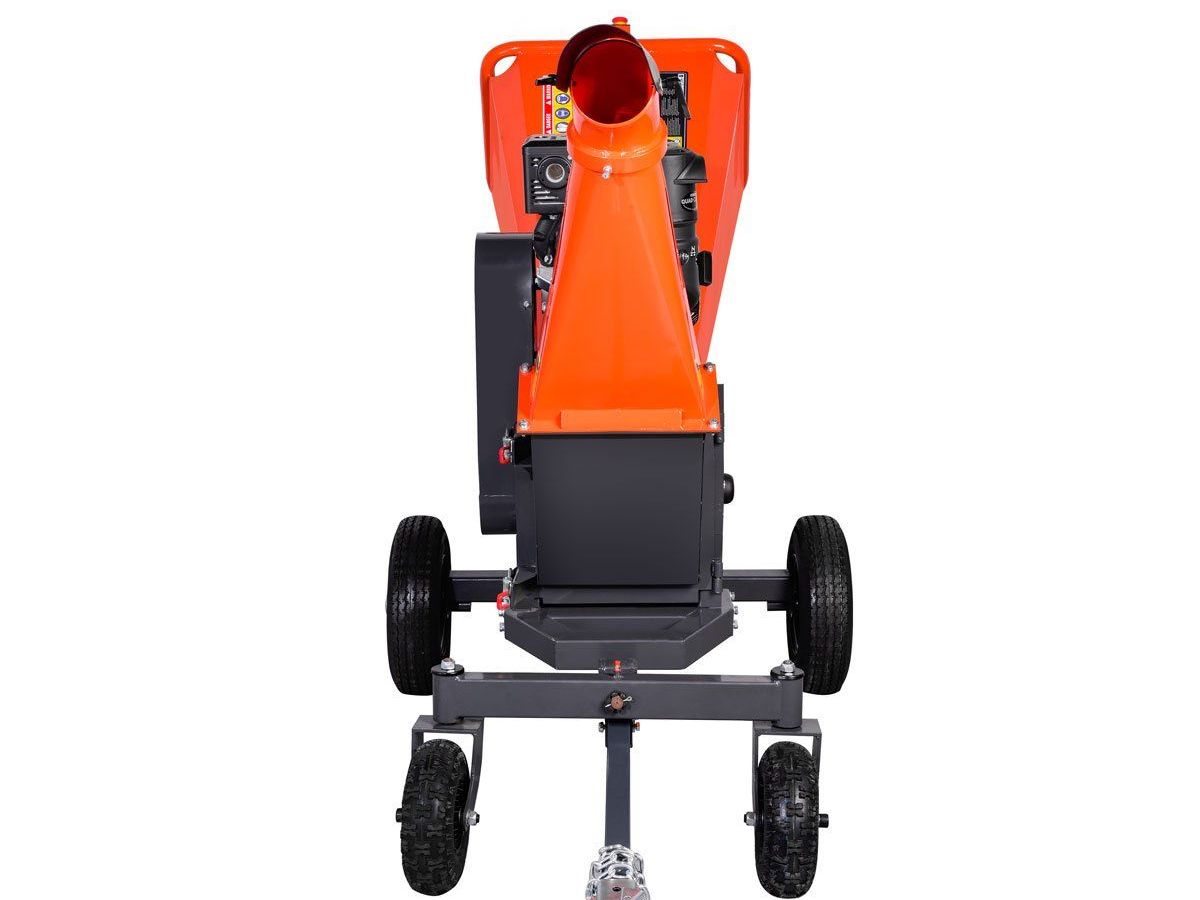
Feeding branches into your chipper shredder might seem straightforward, but there’s a bit of a knack to it. Always let the machine do the work. Don’t force the branches in; just guide them and let the chipper pull them through. When dealing with bigger branches, like 3 to 4 inches, hold them firmly and feed them gradually. This way, you can avoid any unnecessary jams.
Avoiding Jams and Clogs
No one likes dealing with a jammed chipper. To keep things running smoothly, make sure you’re not overloading the machine. If you hear the engine straining, slow down your feed rate. Also, check for any debris that might be stuck in the chute. A quick pause to clear things out can save you a lot of hassle later.
Listening to the Engine for Feedback
Your chipper’s engine is like its heartbeat, and it can tell you a lot about how things are going. A steady, strong sound means everything’s working fine. But if it starts to sound like it’s struggling, you might need to ease up on the branches. Listening closely can help you keep the machine running at its best.
Maintaining Your Chipper Shredder for Longevity
Regular Cleaning and Inspection
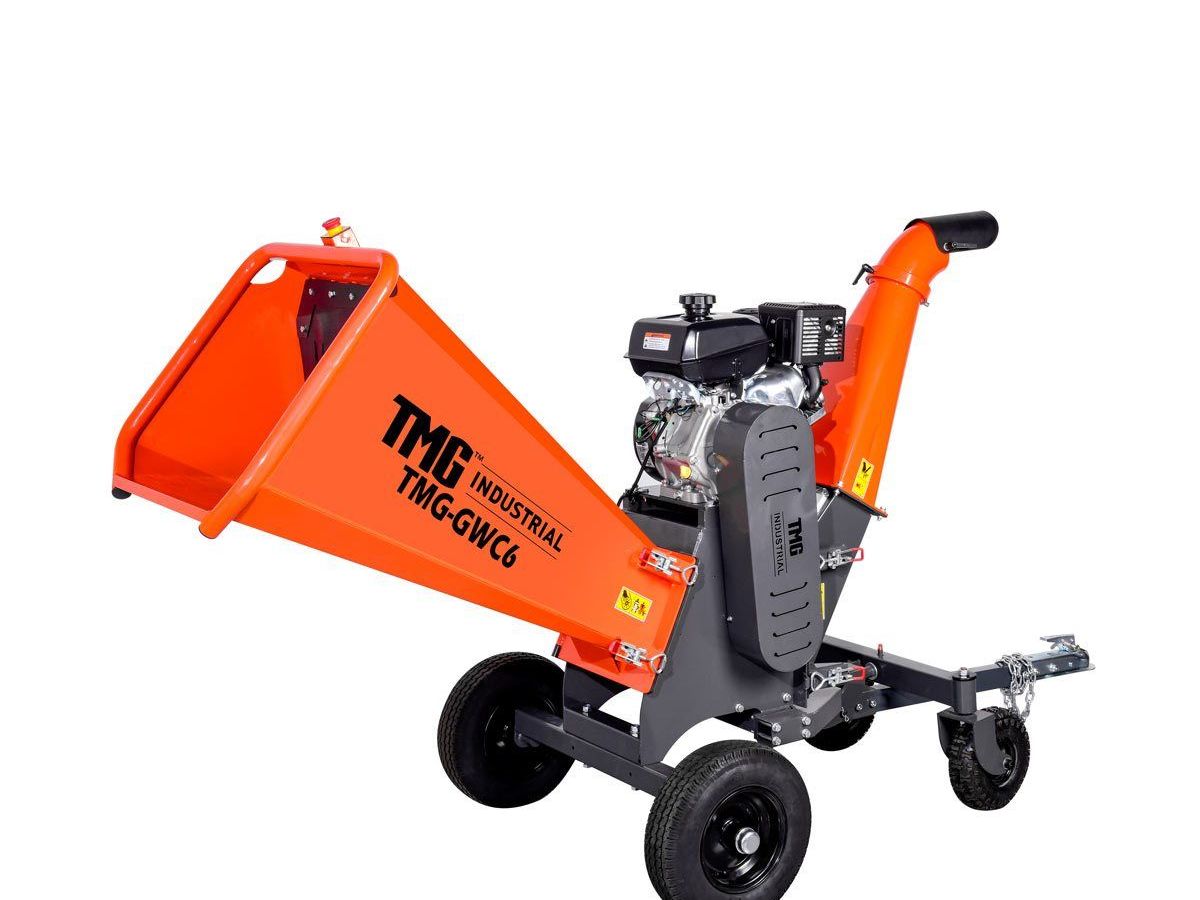
Keeping your chipper shredder clean is like brushing your teeth—do it regularly to avoid bigger problems down the road. After each use, give it a quick once-over to clear out any debris. Trust me, a clean machine is a happy machine.
Blade Maintenance and Replacement
Blades are the heart of your shredder. If they get dull, you’re just making noise, not chips. Check them often, and flip or replace them when they start looking worn. Dual-edge blades are a real lifesaver here, doubling your time between replacements.
Engine Care and Oil Changes
Your engine is like the brain of your chipper shredder. Keep it well-oiled and it’ll keep on running smoothly. Check the oil level regularly and change it as needed. A well-maintained engine can extend the life of your machine by up to 25%.
A little time spent on maintenance now saves a lot of headaches later. It’s all about keeping your chipper shredder in top shape so it can keep helping you with your yard work.
For more detailed maintenance checks on wood chippers, don’t skip the regular inspections. They’re essential for keeping your machine running efficiently and lasting longer.
Troubleshooting Common Issues
Identifying Common Problems
Let’s face it, sometimes things go wrong with your chipper shredder, and it’s not always clear why. If your machine’s making weird noises, it might be a sign something’s off. Unusual sounds could mean anything from loose parts to a misaligned blade. Pay attention to any vibrations too; they can be a big clue that something’s not right. A steady, strong vibration might suggest the blades are unbalanced or the belts are worn out.
Quick Fixes for Minor Issues
When your chipper shredder acts up, it’s often something small. Start by checking the basics: is everything plugged in right? Are the blades sharp and aligned? If it’s not starting, maybe the safety switch is off or the fuel’s low. Here’s a quick list to troubleshoot:
- Check the power and fuel.
- Inspect the blades for sharpness and alignment.
- Look over the belts and replace if needed.
When to Call a Professional
Sometimes, you just gotta admit defeat and call in the experts. If you’ve tried the basics and your chipper’s still not working, it’s time to get help. Issues like engine troubles or persistent clogs are best left to the pros. Don’t risk making it worse by tinkering around. Reach out to someone who knows these machines inside and out. If you’re dealing with a chop saw, similar rules apply—check alignment and parts before calling in the cavalry.
Enhancing Efficiency with Your Chipper Shredder
Optimizing Feed Rate
First thing, let’s talk about feeding branches into your chipper. You don’t just shove them in and hope for the best. Listen to the engine; it’s like your chipper’s way of talking to you. If it sounds like it’s struggling, slow down. Keep a steady pace, and let the chipper do its thing naturally. It’s not a race. Remember, a steady feed keeps the chips nice and even.
Using the Discharge Chute Effectively
Next up, the discharge chute. This baby is your best friend when it comes to directing those chips where you want them. Make sure it’s adjusted right before you start. You don’t want chips flying all over your yard. If you’re aiming for a garden bed, line it up. If you’re bagging the mulch, make sure it’s secure. It’s all about keeping things tidy and efficient.
Maximizing Mulch Quality
Now, let’s maximize that mulch quality. It’s not just about chipping everything to bits. Pay attention to the material you’re feeding. Dry branches tend to make better mulch than wet, sappy ones. Also, mix up the types of wood for a richer mulch. A mix of hard and softwoods can give you a nice, balanced mulch for your garden.
“Efficiency isn’t just about speed; it’s about getting the best results with the least effort.”
By following these tips, your chipper shredder will be running like a well-oiled machine, and you’ll have top-notch mulch for your garden. Remember, it’s all about working smarter, not harder.
Storing Your Chipper Shredder Properly
Alright, so you’re done shredding for the season, and now it’s time to tuck that chipper shredder away. First things first, give it a good cleaning. Remove any leftover wood chips or debris. This prevents rust and keeps everything in tip-top shape. Next, check the oil and fuel. If there’s fuel left, add a stabilizer or drain it to avoid gumming up the works.
Weather can be a real pain, right? So, store your chipper in a dry place, away from rain and snow. If you don’t have indoor storage, at least cover it with a waterproof tarp. Avoid direct sunlight too, as it can mess with the paint and plastic parts. And hey, keep it away from any heat sources to prevent accidents.
Before you call it a day, do a quick once-over. Tighten any loose bolts and screws, and give the blades a look-see to make sure they’re not dull or damaged. Proper wood chipper maintenance is key to keeping it running smoothly next time you need it. If anything seems off, fix it now rather than later. Trust me, you’ll thank yourself when spring rolls around.
Exploring Additional Uses for Your Chipper Shredder
Creating Mulch for Landscaping
Turning branches into mulch is a game changer for your garden. The chipper shredder breaks down branches into large chips, perfect for mulching around plants. This not only keeps weeds at bay but also helps the soil retain moisture. Using mulch from your own yard waste is both eco-friendly and cost-effective.
Composting Yard Waste
Got a pile of leaves and small branches? Toss them into the chipper shredder to kickstart your compost pile. This machine turns organic waste into fine compost material quickly. A good compost pile can improve your soil and boost plant growth without the need for chemical fertilizers. Plus, it’s a great way to recycle yard waste and reduce landfill contributions.
Innovative Uses Beyond Chipping
Your chipper shredder isn’t just for the garden. Think outside the box! Use it for creating mulch for pathways or even erosion control on slopes. Some folks even use the chips for smoking meats or as bedding for pets. The possibilities are endless, making your chipper shredder a versatile tool in property management.
Understanding the Economics of Using a Chipper Shredder
Cost Savings on Yard Waste Disposal
Owning a chipper shredder can save you a ton on yard waste disposal. Instead of paying someone to haul away branches and debris, you can chip it all yourself. This not only reduces disposal costs but also provides you with mulch for free! Imagine how much you could save annually by skipping the disposal fees.
Investment in Property Maintenance
A chipper shredder is like having a personal assistant for your yard. With this machine, maintaining your property becomes a breeze. You cut down on hiring costs for external help, making it a smart long-term investment. It’s like buying a tool that pays for itself over time.
Comparing Rental vs. Ownership
Renting a chipper shredder might seem cheaper upfront, but owning one is more cost-effective in the long run. Think about it: every time you rent, those fees add up. If you’re using it frequently, buying outright is the way to go. Plus, you can use it whenever you need without worrying about rental schedules.
Having your own chipper shredder is a game-changer for anyone serious about maintaining their property efficiently. It’s not just about saving money; it’s about having the freedom to tackle yard work on your terms.
Using a chipper shredder can save you time and money when managing yard waste. These machines help turn branches and leaves into mulch, which can be used in your garden. If you’re looking for a reliable chipper shredder, check out our selection at TMG Industrial. Visit our website to learn more!
Wrapping It Up
Alright, folks, there you have it. Using a pull-behind chipper shredder isn’t rocket science, but it sure can make your life a whole lot easier. Just think about all those pesky branches and yard waste turning into useful mulch instead of cluttering up your space. With a bit of know-how and some regular maintenance, this machine will be your best buddy in keeping your property neat and tidy. So, hook it up to your ATV or tractor, and let it do the heavy lifting. Remember, safety first, and don’t be shy to check the manual if you’re ever in doubt. Happy chipping!
Frequently Asked Questions
What is a pull behind chipper shredder?
A pull behind chipper shredder is a machine that attaches to vehicles like tractors or ATVs, used to turn branches and yard waste into mulch.
How do I choose the right model for my needs?
Consider the size of branches you need to chip, the power of the engine, and the towing capacity of your vehicle.
What safety gear should I wear when operating the machine?
Always wear safety goggles, gloves, and ear protection to protect yourself from debris and loud noise.
How do I maintain my chipper shredder?
Regularly clean the machine, check and sharpen blades, and change the engine oil to keep it running smoothly.
How can I avoid jams and clogs?
Feed branches slowly and steadily, and avoid forcing too much material into the chipper at once.
What should I do if the chipper shredder stops working?
Check for any blockages or mechanical issues, and consult the manual or a professional if needed.
Can I use the mulch produced for my garden?
Yes, the mulch can be used for landscaping and gardening to help retain moisture and reduce weeds.
How do I store my chipper shredder when not in use?
Clean it thoroughly, cover it to protect from weather, and store in a dry place to prevent rust and damage.