Investing in a portable sawmill can be a smart move for anyone interested in woodworking or starting a lumber business. These machines allow you to transform logs into usable lumber right where the trees are. With the right sawmill, you can save money, increase efficiency, and even create a new source of income. In this article, we’ll explore how to choose the best portable sawmill for the money and set it up for success.
Key Takeaways
- Portable sawmills can turn logs into lumber on-site, saving time and money.
- Choosing the best portable sawmill for the money involves considering your needs and budget.
- Proper setup and maintenance of your sawmill can greatly improve cutting accuracy and efficiency.
- Offering additional services like custom cutting and wood drying can increase your profits.
- Building good relationships with customers is essential for long-term success in the sawmill business.
Understanding the Basics of Portable Sawmills
What Makes a Sawmill Portable?
Portable sawmills are all about mobility. They’re designed to be moved easily, so you can mill logs wherever they are. This means no more hauling heavy logs to a stationary mill. Most portable sawmills come with wheels or a lightweight frame that makes transportation a breeze.
Types of Portable Sawmills
There are a few types of portable sawmills to choose from. The band sawmill is popular for its efficiency and smoother cuts. Then there’s the chainsaw mill, which is more affordable and versatile for smaller jobs. Finally, the swing blade sawmill is great for larger logs and more precise cuts. Each type has its own pros and cons, so think about what works best for your needs.
Key Features to Look For
When picking a portable sawmill, consider these key features:
- Cutting Capacity: How big of a log can it handle?
- Portability: Is it easy to move around?
- Ease of Use: Can you operate it without a hassle?
- Durability: Will it withstand regular use?
A portable sawmill can turn your lumber dreams into reality. It’s not just a tool; it’s a game-changer for anyone looking to make the most out of their wood resources. Don’t rush the decision—choose the one that fits your needs best.
Choosing the Best Portable Sawmill for the Money
Factors to Consider When Buying
When you’re on the hunt for the best portable sawmill, think about what you’ll be cutting the most. Log size matters big time. Do you need a mobile saw mill for sale that can handle large logs or just standard-sized ones? Also, consider the power source. Gas or electric? Each has its pros and cons. Lastly, don’t forget about portability features like wheels and weight. You want something that’s easy to move but still sturdy.
Top Brands and Models
There are a bunch of portable sawmill brands out there, but some stand out more than others. Wood-Mizer, Norwood, and TimberKing are often seen as the best portable saw mills. They offer a range of models that suit different needs, whether you’re a hobbyist or a small business owner. It’s worth checking out reviews and forums to see what other folks are saying about these brands.
Budget-Friendly Options
If you’re looking for a portable sawmill for sale that won’t break the bank, there are still solid choices. Some entry-level models offer good performance without the hefty price tag. Look for sales or used portable log mills for sale to save some cash. Just make sure you’re not compromising on essential features. Buying the best portable sawmill for the money means balancing cost with quality, and sometimes a slightly higher upfront cost can save you in the long run.
Choosing the right portable sawmill is like picking a good friend: reliable and fits your needs. Don’t rush; take your time to find the one that feels right for you. Consider all the angles and make sure your investment is sound.
Setting Up Your Portable Sawmill for Success
Finding the Perfect Location
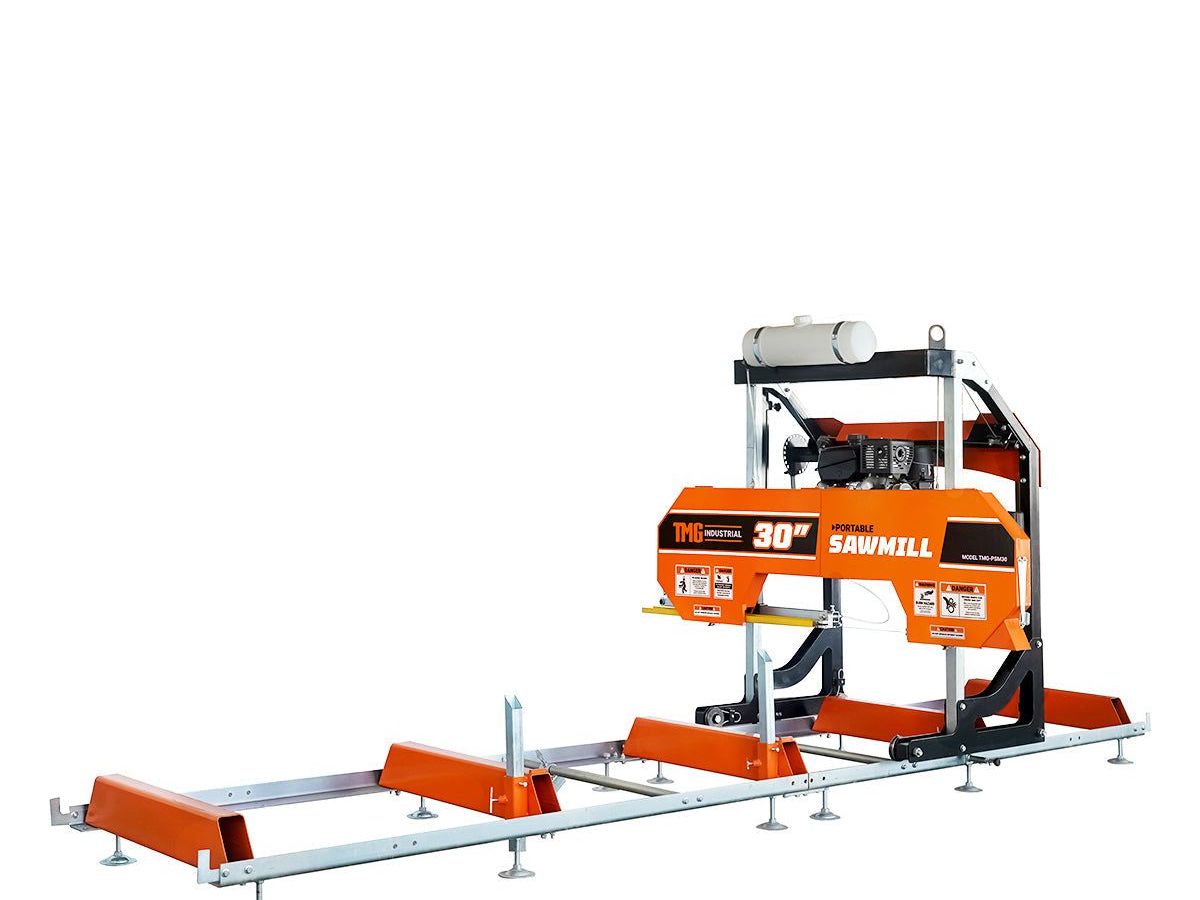
Setting up your sawmill in the right spot is like finding the sweet spot on a baseball bat. Flat and stable ground is key, so your cuts aren’t all wonky. I learned this the hard way when my first few cuts looked like a rollercoaster ride.
Essential Tools and Accessories
You don’t want to be halfway through a cut and realize you’re missing something. Keep a checklist of must-haves like wrenches, a log peavey, and a good sharpening kit. Trust me, nothing’s worse than a dull blade.
Safety Tips for Beginners
Safety first, folks. Always wear your safety gear and keep your work area clean. I’ve seen too many close calls because someone thought they were invincible. It’s not just about you; it’s about everyone around you too.
"A little prep goes a long way. Take the time to set up right, and you’ll save yourself a ton of headaches down the road."
Maximizing Efficiency with Your Portable Sawmill
Optimizing Cutting Patterns
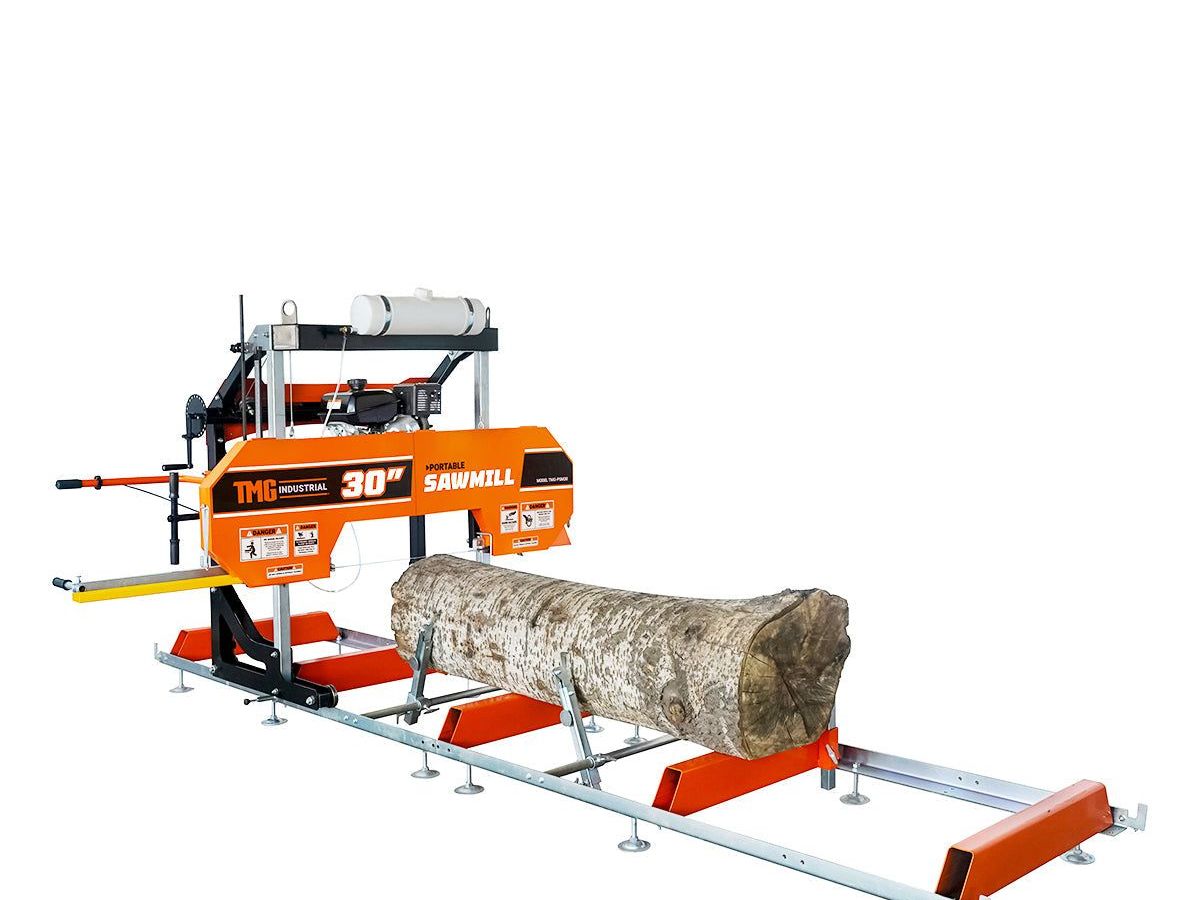
Getting the most lumber out of each log is like solving a puzzle. The way you cut can make a big difference in yield. I like to plan my cuts before I start, thinking about the best way to slice up the log to get the most usable wood. It’s a bit like playing Tetris, but with logs.
Maintaining Your Equipment
Keeping your sawmill in top shape is crucial. I check and clean my sawmill regularly, making sure everything’s running smoothly. A little maintenance goes a long way in preventing breakdowns and keeping everything running like a well-oiled machine.
Tips for Faster Processing
Speeding up your sawing process is all about practice and knowing your gear. I found that setting up a routine helps—having everything ready to go before starting saves a ton of time. Also, keeping the area organized and free of clutter means I can work faster without tripping over stuff.
Log Preparation and Handling
Cleaning and Inspecting Logs
Before getting into the sawing action, you gotta clean those logs. Dirt, rocks, and any metal bits can mess up your saw blades big time. I keep a metal detector handy, and it’s saved me from replacing blades more times than I can count. Clean logs make better lumber.
Techniques for Better Yield
Think of each log like a puzzle. Your cutting pattern determines your yield. The U.S. Forest Products Laboratory says the right cutting patterns can boost your lumber yield by 15-25%. So, take your time and plan it out.
Avoiding Common Mistakes
Mistakes happen, but some are avoidable. Don’t rush the process. Make sure your logs are properly secured before cutting. Use wedges to keep them steady, or roll them onto a sturdy surface. It’s all about being safe and smart.
Exploring Value-Added Services
Custom Cutting Services
I gotta say, offering custom cutting services is a game-changer. It lets me cater to folks who need specific sizes or unique cuts. This way, I make the most out of every log and keep customers happy. It’s like turning their visions into reality, one plank at a time.
Offering Wood Drying Solutions
Drying wood properly is crucial, and not everyone has the setup to do it right. By offering drying services, I help folks get their wood ready for whatever projects they have in mind. Plus, it keeps their lumber from warping or cracking, which is a big win.
Expanding with Delivery Options
Let’s face it, not everyone has a truck to haul lumber around. By adding delivery options, I make it easy for customers to get their wood without the hassle. It’s all about convenience, and it opens up my services to a wider audience.
Adding these services not only boosts my income but also strengthens my business by offering more to my customers. Who knew a few extra options could make such a difference?
Building a Successful Sawmill Business
Marketing Your Services
Getting your name out there is key. I started by chatting with local builders and joining community events. Word of mouth works wonders, and a few good reviews can kickstart your reputation.
Managing Costs Effectively
Keeping an eye on the budget is a must. I track everything from fuel to blade wear in a simple spreadsheet. This helps me spot where I’m overspending and where I can save a bit.
Building Customer Relationships
Treat every customer like they’re special. I always follow up after a job to see if they’re happy. This not only gets me repeat business but also leads to referrals. Happy customers are your best marketing tool.
Building a sawmill business is all about keeping things simple and staying connected with your community. It’s not just about cutting wood; it’s about building trust and delivering quality every time.
Future-Proofing Your Sawmill Investment
Adapting to Market Trends
Keeping up with market trends is like trying to catch a moving train. Stay flexible and ready to pivot as new opportunities arise. Demand for sustainable and locally sourced materials is on the rise, so consider tapping into these markets.
Upgrading Your Equipment
Don’t let your equipment gather dust. Regular upgrades can keep your sawmill running smoothly and efficiently. Think about adding features like hydraulic log handling or computerized setworks to boost productivity.
Sustainable Practices
Going green isn’t just a fad; it’s a smart business move. Implementing sustainable practices not only helps the environment but can also attract eco-conscious customers. Consider reducing waste and optimizing your processes to be more sustainable.
Future-proofing your sawmill is all about staying ahead of the curve and being ready to adapt when needed.
Real-Life Success Stories from Sawmill Owners
Lessons Learned from the Pros
Running a sawmill is like riding a bike; it takes a bit to get the hang of it, but once you do, it’s smooth sailing. I’ve heard from folks who swear by their portable sawmills, saying it’s all about finding that groove. Mistakes? Yeah, they happen, but they’re just stepping stones. Learning from those who’ve been around the block can save you a ton of headaches.
Innovative Uses for Sawmills
Sawmills aren’t just for lumber anymore. People are getting creative, crafting everything from custom furniture to quirky art pieces. One guy even turned his sawmill into a side gig making ice sculptures! The possibilities are endless when you start thinking outside the box.
Community Impact and Benefits
Owning a sawmill isn’t just about personal gain; it’s a community thing too. I’ve seen sawmill owners help out neighbors after storms by turning fallen trees into usable lumber. It’s a win-win, helping folks and keeping the environment in check. Plus, it feels good to know you’re making a difference right where you live.
Discover how real sawmill owners turned their dreams into reality! Their inspiring stories show that with hard work and the right tools, you can achieve great things. Want to learn more? Visit our website for tips and resources to help you succeed in your own sawmill journey!
Wrapping It Up: Your Smart Sawmill Journey
So, there you have it! Investing in a portable sawmill can really pay off if you know how to use it right. It’s not just about having the best machine; it’s about how you operate it. Remember, a solid setup and clean logs can make a huge difference. Plus, don’t forget to build good relationships with your customers and keep track of your costs. With a little effort and smart choices, you can turn your sawmill into a money-making machine. Happy sawing!
Frequently Asked Questions
What is a portable sawmill?
A portable sawmill is a machine that cuts logs into lumber right where the trees are. It can be moved easily to different locations.
How much does a portable sawmill cost?
Prices for portable sawmills can vary widely. Basic models start around $3,000, while professional ones can cost over $12,000.
What features should I look for in a portable sawmill?
Look for features like engine power, cutting capacity, ease of use, and safety features. A good warranty is also important.
Can I use a portable sawmill for commercial purposes?
Yes, many people use portable sawmills for commercial work. They can be a great investment for small businesses.
How do I maintain my portable sawmill?
Regular maintenance includes cleaning, checking the blades, and lubricating moving parts. Always follow the manufacturer’s guidelines.
What types of wood can I cut with a portable sawmill?
You can cut various types of wood, including hardwoods and softwoods. The type of wood will affect the cutting technique.
How do I transport a portable sawmill?
Most portable sawmills are designed to be easily transported. You can use a trailer or a truck to move them to different job sites.
What are some common mistakes to avoid when using a portable sawmill?
Common mistakes include not preparing logs properly, cutting on an uneven surface, and neglecting safety precautions. Always plan ahead!