If you’re thinking about starting your journey with a portable sawmill, you’re in the right place. This guide is designed to help beginners like you understand the basics of portable sawmills and how to use them effectively. Whether you’re looking to turn fallen trees into lumber for personal projects or considering a small business, this resource will provide you with the essential information you need. Let’s dive into the world of portable sawmills and discover how they can transform your woodworking experience!
Key Takeaways
- Portable sawmills allow you to turn logs into lumber right where the trees are.
- There are different types of portable sawmills, from manual to hydraulic models.
- Safety is crucial; always follow precautions when operating your sawmill.
- Regular maintenance helps your sawmill last longer and work better.
- When looking for portable saw mills for sale, consider your budget and needs.
Understanding Portable Sawmills
What Makes a Sawmill Portable?
So, what exactly makes a sawmill portable? It’s all about mobility, man. These bad boys are designed to be moved around easily, whether you’re dragging them to a new spot on your property or taking them to a friend’s place. A portable sawmill usually comes with wheels or a lightweight frame, making it a breeze to transport. It’s like having a lumber mill on wheels!
Types of Portable Sawmills
Now, let’s talk about the different types of portable sawmills. You’ve got your chainsaw mills, which are super basic and strap right onto a chainsaw. Then there are band mills, which are the most popular for their efficiency and clean cuts. And don’t forget about swing blade mills, great for cutting big logs into manageable pieces. Each type has its own vibe, so pick what suits your style.
Key Features to Look For
When you’re out there looking to buy a portable sawmill, keep an eye on some key features. First, check the cutting capacity—how big of a log can it handle? Then, look at the power source; do you want gas, electric, or maybe even manual? And don’t overlook the ease of setup and operation; you don’t want to spend all day fiddling with knobs and levers. The best portable sawmill for the money will hit all these marks.
Getting into the world of portable saw mills can seem overwhelming, but once you get the hang of it, you’ll wonder why you didn’t start sooner. It’s all about finding the right fit for your needs and just diving in. So go ahead, explore those portable log mills for sale, and start your journey with confidence.
Choosing the Right Sawmill for Your Needs
Assessing Your Lumber Needs
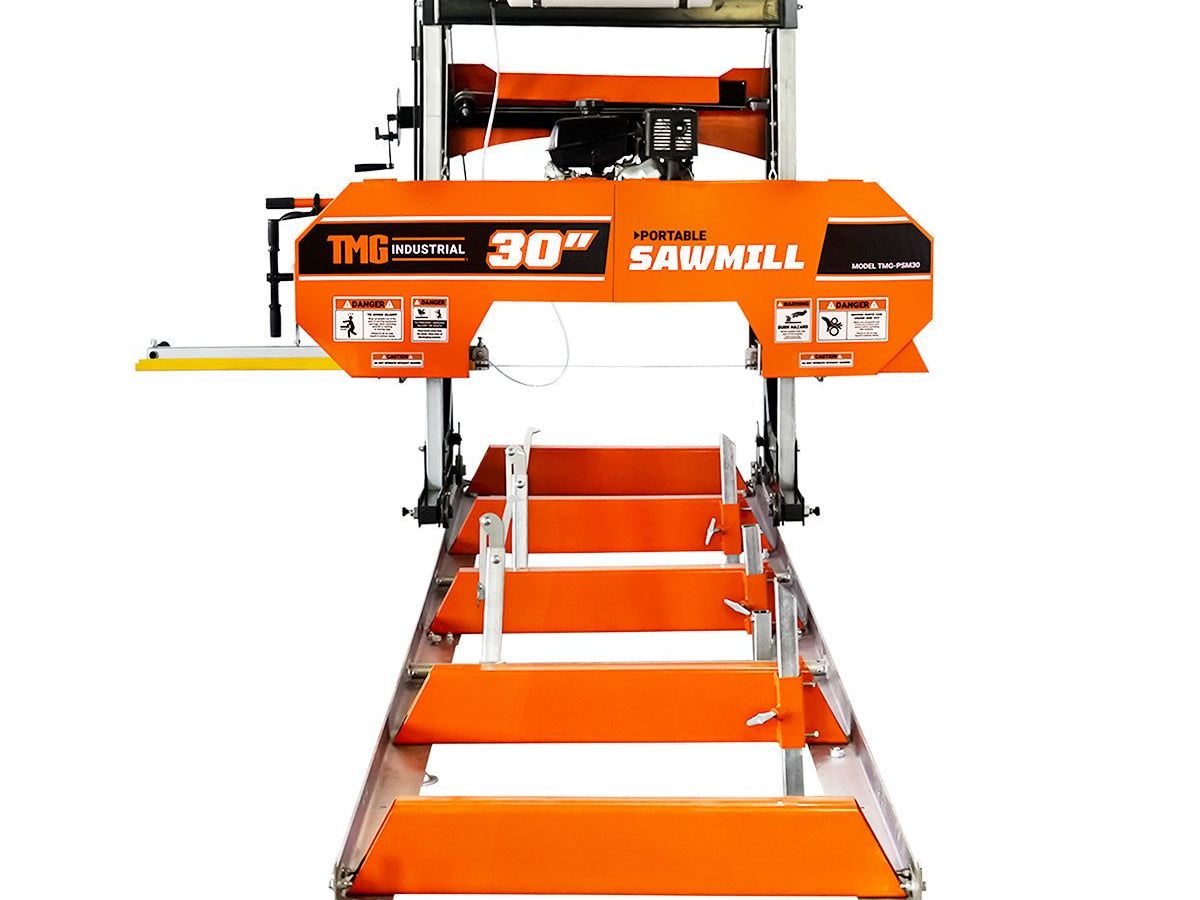
Figuring out your lumber needs is like step one, dude. Think about what you’re gonna cut. Logs for firewood or planks for building? Knowing this helps you pick the right sawmill.
Comparing Manual vs. Hydraulic Models
Manual sawmills are like old-school cool, but they need your muscle power. Hydraulic ones? They do the heavy lifting for you. Decide if you wanna sweat it out or let the machine do the work.
Budget Considerations
Let’s be real, money talks. Check what you can afford. Don’t forget to factor in the cost of blades and maintenance. It’s not just about buying the sawmill, it’s about keeping it running too.
Picking the right sawmill isn’t just about the machine. It’s about matching it to what you need and what you can handle. Start small if you have to, and upgrade as you grow.
Setting Up Your Portable Sawmill
Selecting the Perfect Location
Picking the right spot for your sawmill is a game-changer. You need a flat and stable area to keep everything steady. Avoid slopes because they can mess with your cuts. Make sure there’s enough room to move logs in and lumber out without a hassle.
Essential Tools and Accessories
You’ll need some basic gear to get started. A good set of wrenches and a reciprocating saw are must-haves. Don’t forget a metal detector to keep your blades safe. A sturdy log peavey will help you roll those big logs with ease.
Safety Precautions to Follow
Safety first, always! Wear your protective gear, like gloves and goggles. Keep your workspace clean to avoid accidents. Never rush, and always check your equipment before firing it up. Safety isn’t just a step, it’s a habit.
Setting up your sawmill might seem like a lot, but it’s totally doable. With the right spot and tools, you’re halfway there. Safety? That’s your best buddy in this journey. Take it slow, and enjoy the process of turning logs into lumber.
Operating Your Sawmill Like a Pro
Basic Operating Techniques
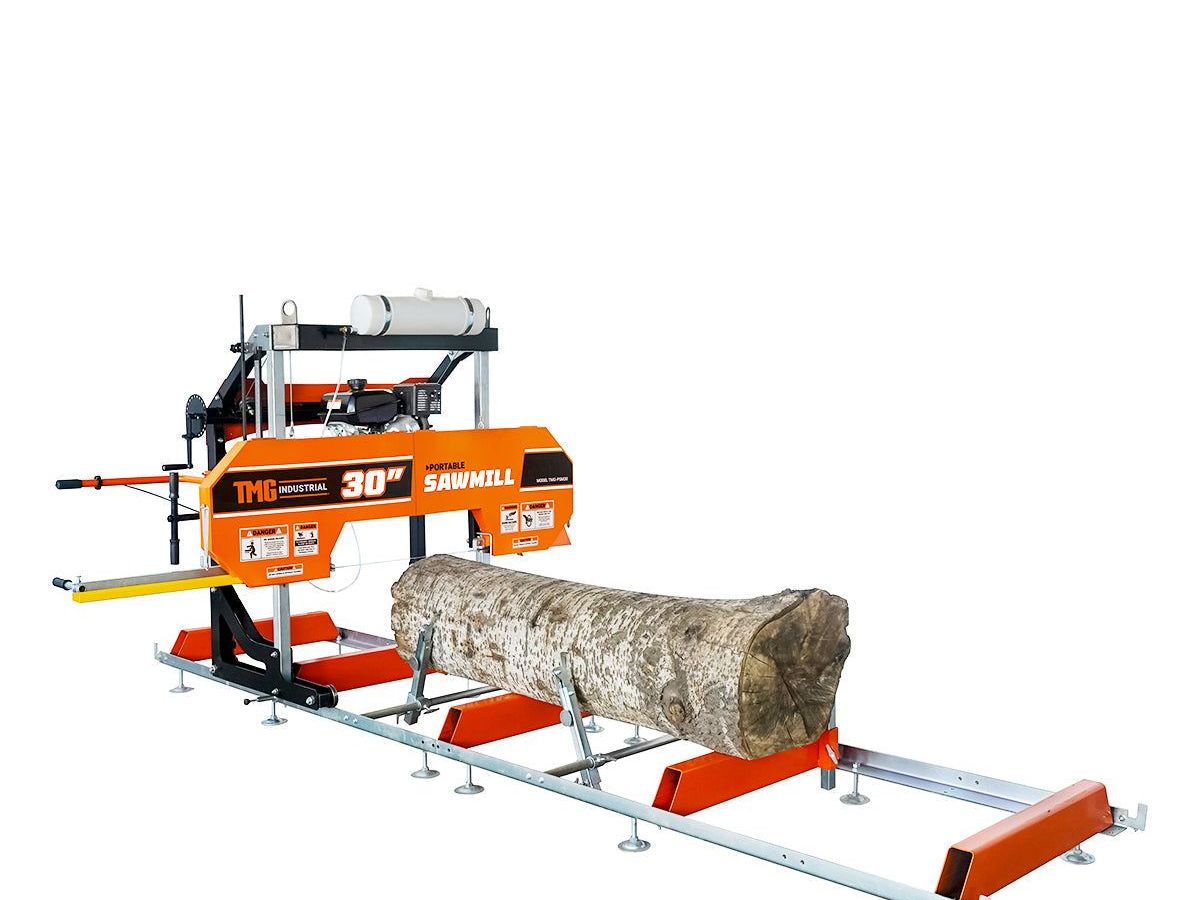
Running a sawmill might seem like rocket science, but it’s really not. Start with a good setup—make sure your sawmill is on even ground. A solid base prevents uneven cuts, and trust me, I’ve been there. Every log is a new challenge, so take your time lining things up.
Troubleshooting Common Issues
Stuff’s gonna go wrong, just a fact of life. If your blade’s acting up, it’s probably dull or not tensioned right. Keep a spare handy, and you’ll be back in business in no time. And if the motor is sputtering, check the fuel and oil levels first. Simple fixes save headaches.
Maximizing Efficiency
Efficiency is key, but don’t rush. Plan your cuts to get the most out of each log. It’s like a game of Tetris, fitting the pieces just right. Keep your tools sharp and your logs clean to avoid downtime. And always keep an eye on the weather; milling in the rain is a real drag.
Remember, every pro was once a beginner. It’s all about practice and patience, so keep at it and enjoy the process. Your sawmill journey is just beginning, and each cut brings you closer to mastering the craft.
Maintenance and Care for Longevity
Routine Maintenance Tips
Keeping your sawmill in top shape is a bit like taking care of a car. Regular oil changes, checking belts, and keeping things clean make a big difference. Don’t skip these steps or you might find yourself with more downtime than you want.
When to Replace Parts
Sometimes, things just wear out. Blades get dull, belts snap, and parts just need swapping. If your cuts start looking wonky or the mill’s making weird noises, it might be time to replace something.
Storing Your Sawmill
When you’re not using your sawmill, it’s like putting a bike away for winter. Keep it covered, avoid moisture, and make sure it’s safe from critters. Proper storage can save you a lot of headaches later on.
"Taking care of your gear means it’ll take care of you when you need it most."
Exploring the Market: Portable Sawmills for Sale
Top Brands to Consider
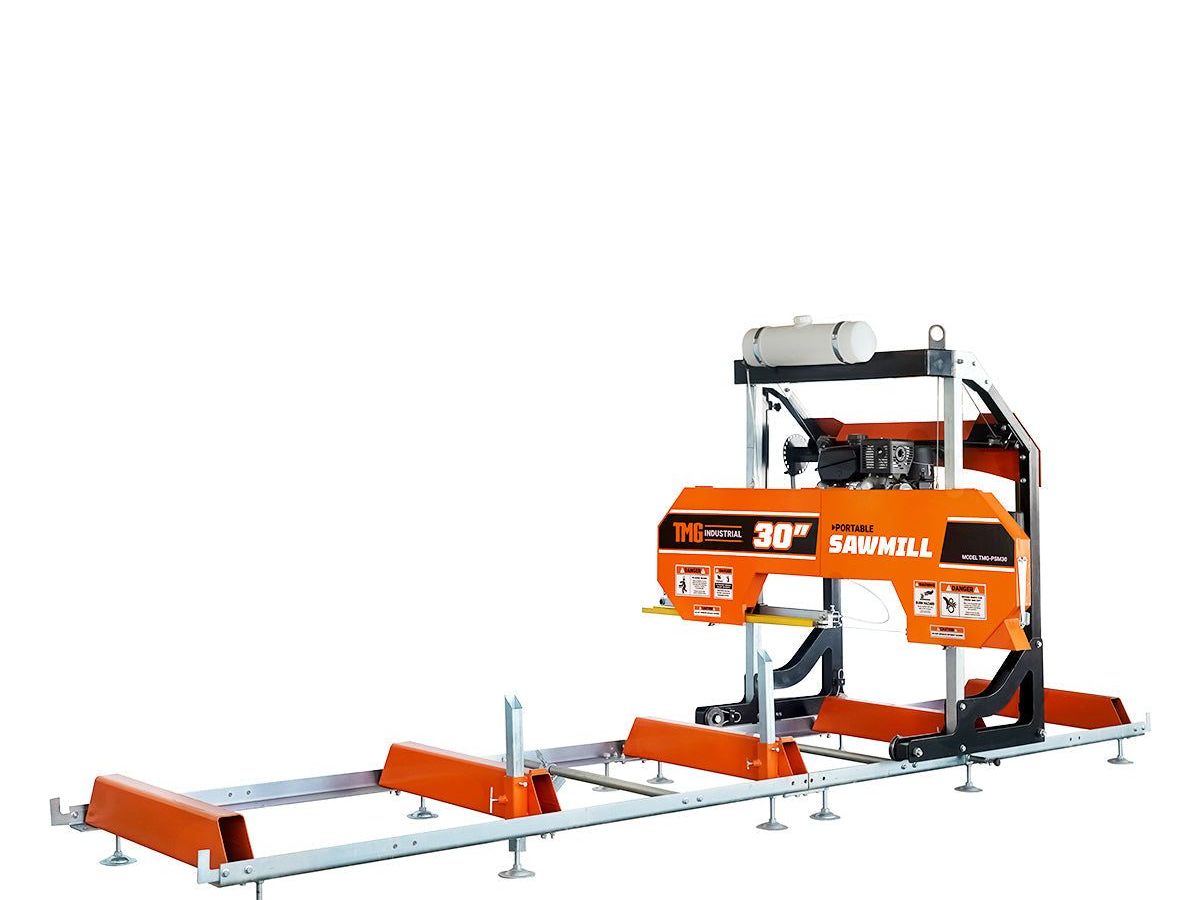
When you’re diving into the world of portable sawmills, picking the right brand is key. Wood-Mizer, TimberKing, and Norwood are some big names you might want to check out. Each offers unique features that suit different needs. It’s like choosing between a Ford, Chevy, or Dodge—each has its fans and quirks.
Where to Find the Best Deals
Finding a mobile saw mill for sale can be like hunting for treasure. Start by checking out local dealerships and online marketplaces. Sometimes, you might stumble upon a gem at auctions or estate sales. Keep your eyes peeled and always be ready to pounce on a good deal!
Evaluating Second-Hand Options
Used sawmills can be a great way to save some bucks. But, it’s essential to inspect them thoroughly. Look for wear and tear, check the engine, and see if all parts are intact. A little rust is okay but steer clear of anything that looks like it’s been through a war zone. Buying second-hand can be tricky, but with a keen eye, you might score a fantastic deal.
Sustainable Lumber Practices
Benefits of Sustainable Forestry
Sustainable forestry is all about keeping our forests healthy and thriving. It helps make sure we’re not chopping down trees faster than they can grow back. Plus, it keeps the air clean and the wildlife happy.
How Sawmills Support Sustainability
Sawmills play a big role in ethical wood sourcing. They turn logs into lumber right where they’re cut, which means less fuel burned and fewer emissions. It’s a win for the planet and your wallet.
Certifications to Look For
When buying lumber, check for certifications like FSC or PEFC. These labels mean the wood comes from forests that are managed responsibly. It’s like a stamp of approval for being eco-friendly.
Choosing sawmills that focus on sustainability isn’t just good for the environment—it’s smart for business too. Customers love green practices, and it can give you a leg up in the market.
Turning Logs into Lumber: The Process
Preparing Your Logs
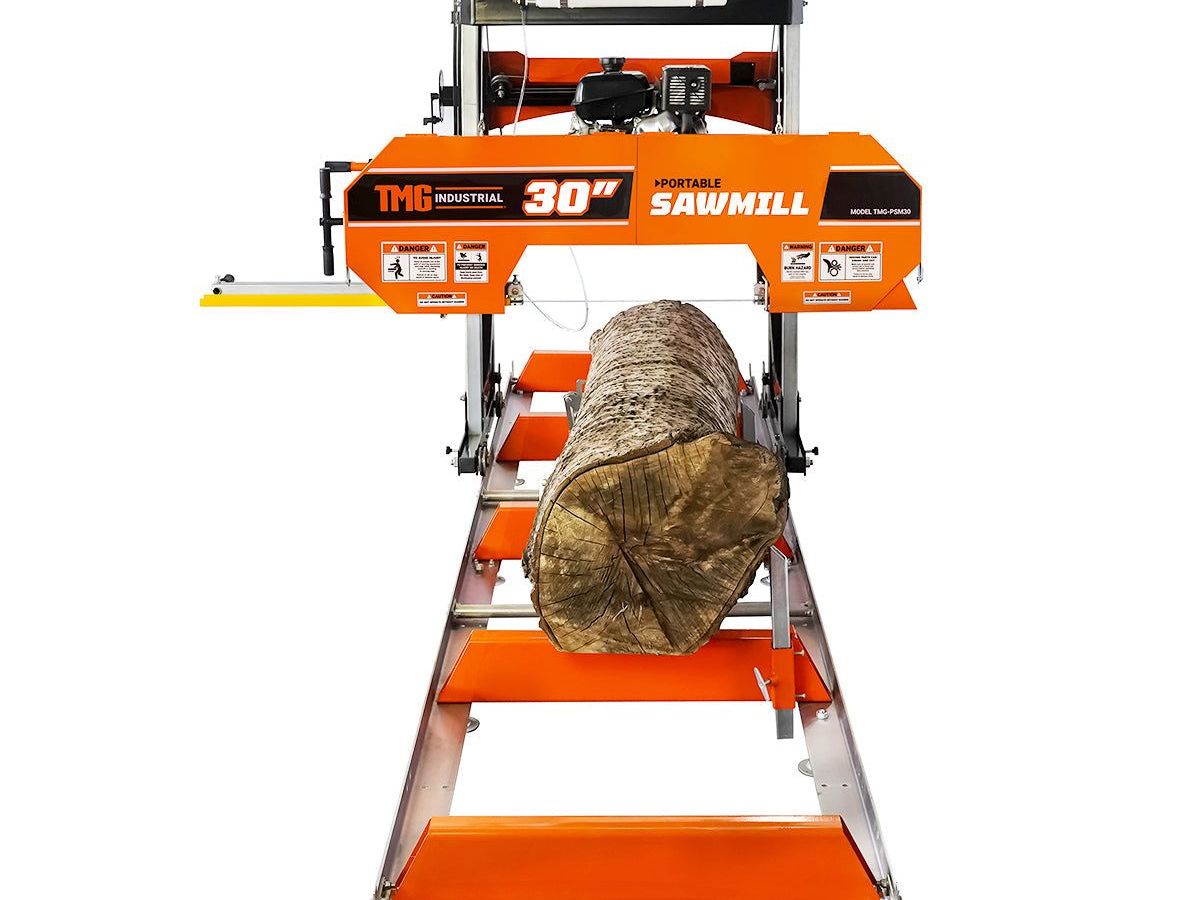
First things first, you’ve got to get those logs ready. Trim off any branches and debris. A clean log is a happy log, right? This makes the whole cutting process smoother.
Choosing the Right Cutting Patterns
Now, let’s talk about cutting patterns. You can’t just hack away at a log. Think about what you want out of it. Maybe you want wide boards or thinner planks. Each pattern gives a different result.
Finishing and Storing Your Lumber
Once you’ve cut your lumber, it’s time to finish it up. Sand it down and maybe even stain or seal it. This step is all about making your wood look good and last longer. Finally, store it properly to keep it in top shape. Keep it dry and away from pests.
Building a Business with Your Sawmill
Identifying Market Opportunities
So, you got a sawmill and you’re wondering how to turn it into a business. First step, figure out what folks around you need. Are people into custom furniture, or maybe they want unique wood pieces? Look for gaps in the market where your sawmill can fit in.
Pricing Your Lumber
Pricing’s a tricky game. You want to cover your costs but also stay competitive. Check what others are charging and adjust based on your expenses. Keep an eye on your material costs and efficiency to make sure you’re not losing money.
Marketing Your Sawmill Services
Get the word out! Use social media, local ads, or even a simple website. Show off what you can do with pictures of your work. Happy customers are your best advertisement, so keep them smiling. Remember, word of mouth is gold in this business.
Learning from Experienced Sawyers
Starting out with a sawmill can be tricky. Trust me, every newbie makes mistakes. Overloading the mill or using dull blades are common slip-ups. Always double-check your setup before starting.
Tips from the Pros
I’ve picked up some nuggets from seasoned sawyers. They say, "Keep your blades sharp and your setup level." Another gem? Take your time with each cut—rushing only leads to errors.
Resources for Continued Learning
There’s always more to learn in the sawmill world. Check out online forums and local sawmill clubs. Books and videos are also great for picking up new skills. Keep learning and improving your craft.
If you want to learn the best tips and tricks from seasoned sawyers, now is the time to dive in! Visit our website to discover valuable insights and resources that can help you improve your skills. Don’t miss out on the chance to enhance your woodworking journey!
Wrapping Up Your Sawmill Adventure
So, there you have it! Starting your sawmill journey can feel a bit tricky at first, but remember, every expert was once a beginner just like you. Whether you’re looking to make some cool projects for yourself or thinking about starting a small business, the tips in this guide will help you along the way. Take your time to learn about the equipment that fits your needs, and always keep safety in mind. Enjoy the process of turning logs into beautiful lumber. It’s super satisfying to see what you can create! Keep exploring, stay curious, and who knows what amazing things you’ll discover with your sawmill!
Frequently Asked Questions
What is a portable sawmill?
A portable sawmill is a machine that cuts logs into lumber. You can use it right where the trees are, making it easy to turn raw wood into usable boards.
How do I choose the right sawmill for my needs?
Think about how much lumber you need, whether you want a manual or hydraulic sawmill, and what your budget is. These factors will help you pick the best option.
What safety measures should I take when using a sawmill?
Always wear safety gear like goggles and gloves. Make sure the area is clear of people and pets, and follow the instructions carefully to avoid accidents.
How do I maintain my portable sawmill?
Regularly check the blades and other parts for wear. Keep it clean and lubricated, and follow the manufacturer’s maintenance schedule to keep it running well.
Can I use a portable sawmill for commercial purposes?
Yes! Many people use portable sawmills for business. They can help you turn trees into lumber for selling or building projects.
What types of logs can I cut with a portable sawmill?
Most portable sawmills can cut logs that are 12 to 36 inches in diameter. Check the specifications of your sawmill for exact sizes.
Are there any special skills needed to operate a sawmill?
Basic skills in operating machinery and understanding safety are important. With practice, anyone can learn to use a sawmill effectively.
Where can I buy a portable sawmill?
You can find portable sawmills at hardware stores, online retailers, or from specialized sawmill manufacturers. Be sure to compare prices and features.