If you’re ready to tackle winter snow with ease, a skid steer blower attachment is your best friend. This guide will walk you through everything you need to know about setting up and operating your skid steer blower. From choosing the right equipment to mastering techniques for effective snow removal, we’ve got you covered.
Key Takeaways
- Choose a skid steer blower that fits your machine’s power and size.
- Regularly check and maintain your blower for optimal performance.
- Adjust your techniques based on snow conditions for better efficiency.
- Safety checks before use can prevent accidents and injuries.
- Use the right accessories to enhance your blower’s capabilities.
Getting Started with Skid Steer Blower Attachments
Choosing the Right Blower for Your Skid Steer
Picking the right skid steer snow blower attachment can feel like a big deal. You gotta think about your skid steer’s horsepower and what kind of snow you’re dealing with. Heavy snow needs a beefier blower. If you’re looking for a skid steer snow blower for sale, make sure it matches your machine’s specs.
Understanding Compatibility and Requirements
Before you get too excited, make sure your skid steer and blower are compatible. Check the hydraulic flow rate and pressure requirements. If your skid steer can’t handle it, you might end up with a pricey paperweight. A blower for skid steer should fit like a glove.
Initial Setup and Safety Checks
First things first, do a quick once-over of your new skid steer mounted snow blower. Check all connections and make sure everything’s tight. Safety checks are a must before you fire it up. Look for any loose parts or leaks. A skid steer with blower that’s set up right is a game-changer in snow removal.
Mastering the Art of Snow Blowing
Basic Operating Techniques
Running a skid steer blower feels like you’re piloting a snow-destroying beast. Start slow, get a feel for the controls. Keep your speed steady and adjust the chute to throw snow where you want it. Don’t rush; let the machine do the heavy lifting.
Adjusting for Different Snow Conditions
Not all snow is the same. Wet, heavy snow needs a different approach than light, fluffy stuff. For wet snow, slow down and take smaller bites. For fluffier snow, you can speed up a bit and clear larger swathes. Adjust the skid shoes and cutting height for different surfaces.
Maximizing Efficiency and Coverage
Covering ground efficiently is all about planning. Work with the wind to avoid blowing snow back onto cleared areas. Use a pattern plan: start in the middle and work your way outwards. This way, you won’t have to redo spots and waste time.
Tip: Always keep an eye on the weather forecast. Knowing when a storm is coming can help you plan your snow clearing strategy better.
Maintenance Tips for Longevity
Regular Inspection and Cleaning
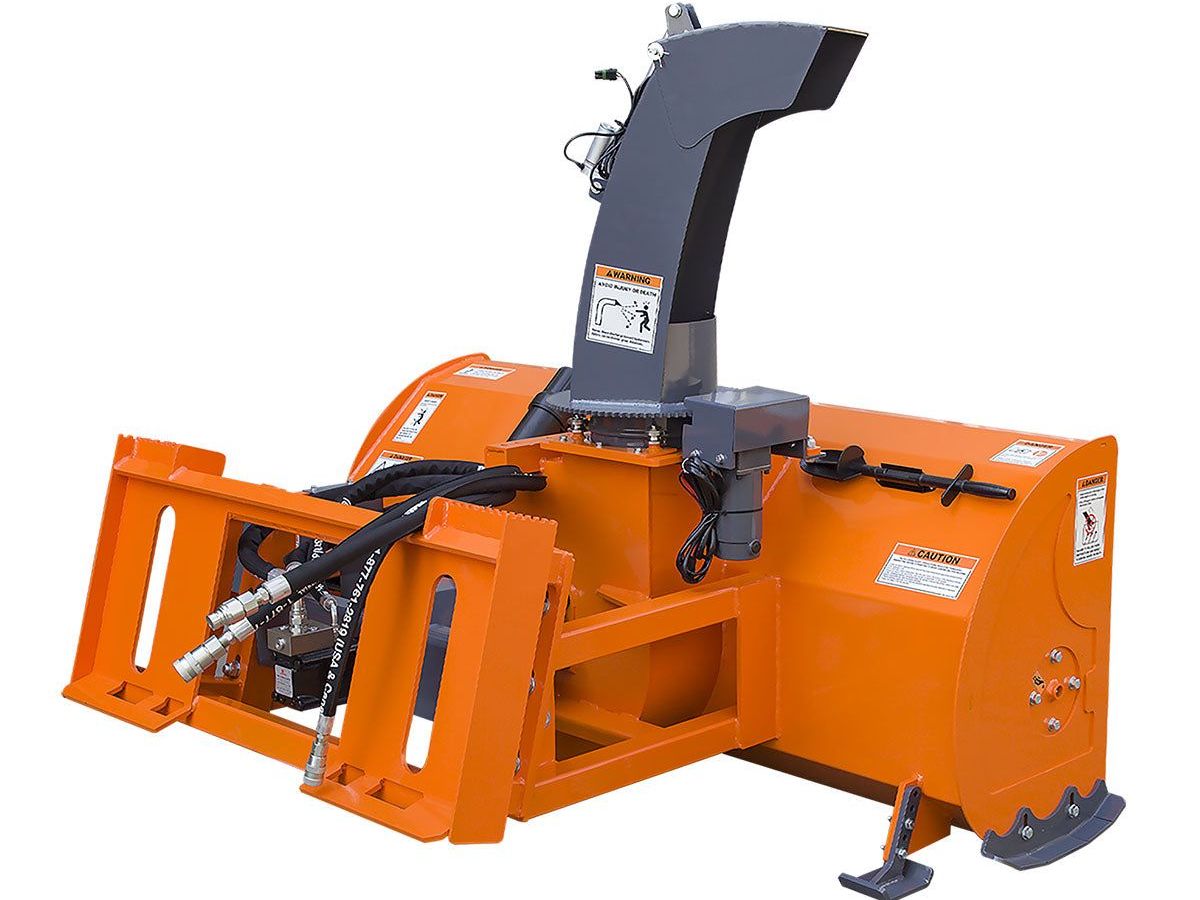
Keeping your skid steer blower in top shape means giving it a regular once-over. I mean, who wants a surprise breakdown? Check for any loose bolts, worn parts, or anything that looks off. A quick clean after each use can prevent build-up that might mess with the machine later.
Replacing Worn Parts
Even the best machines need a bit of TLC now and then. If something looks like it’s on its last legs, just swap it out. Trust me, a little effort here saves a ton of hassle later on. Keep an eye on things like the auger and impeller – they do the heavy lifting!
Storing Your Blower Attachment
When winter’s done, don’t just shove your blower in a corner. Give it a good clean, and store it in a dry spot. Moisture is the enemy here, folks. Cover it up if you can, and it’ll be ready to roll when the snow starts falling again.
Taking care of your skid steer blower isn’t just about keeping it running – it’s about keeping it running well. A little maintenance goes a long way, and your future self will thank you when the snow starts piling up again.
Advanced Techniques for Pro Users
When tackling big spaces, it’s smart to start in the middle and work outwards. This way, you can manage the snow better and make fewer passes. Always work with the wind to avoid blowing snow back onto cleared areas. Planning disposal zones is key to keeping things neat and efficient.
For a clean finish, try a multi-pass approach. The first pass clears the bulk, the second tidies up the edges, and a final pass handles the details. This method ensures thorough coverage without missing spots.
Dealing with uneven or tricky terrain? Adjust your skid shoes and use a floating cutting edge to adapt to the surface. Sometimes, taking multiple passes is necessary to get the job done right.
Mastering these techniques can transform a daunting snow removal task into a manageable routine. With practice, even the toughest conditions become easier to handle.
Safety First: Operating Your Blower Safely
Pre-Operation Safety Checks
So before you even start up your skid steer blower, do a quick check. Look at the cutting edges and any parts that might wear out. Make sure the hydraulic connections are tight and the chute rotates like it should.
Avoiding Common Hazards
When you’re out there blowing snow, keep an eye out for stuff that could get in the way. Hidden obstacles can mess up your day real quick. Keep bystanders far away from the action, and always make sure you can see where you’re going.
Keeping Bystanders Safe
It’s super important to keep anyone not involved in the work at a safe distance. You never know when something might fly out from under the blower or if you’ll need to back up suddenly. Always be aware of your surroundings and keep folks safe.
Troubleshooting Common Issues
Dealing with Blockages
Snow blowers can get clogged up, especially with wet snow. If your blower’s jammed, first turn it off and then clear the blockage manually. Never stick your hand in while it’s running! A stick or tool works great for this.
Fixing Hydraulic Problems
Hydraulic issues are a common headache. If your Kubota skid steer isn’t unlocking hydraulics, check the safety interlock sensors and wiring. These are often the culprits.
When to Call a Professional
Sometimes, things just go beyond a DIY fix. If your blower’s acting up and you can’t figure it out, don’t hesitate to call in an expert. It’s better to get it sorted than to mess it up more.
Pro Tip: Regular maintenance can prevent a lot of these issues from happening in the first place. Keep an eye on your equipment and address small problems before they become big ones.
Understanding the Technology Behind Blowers
The Role of Augers and Impellers
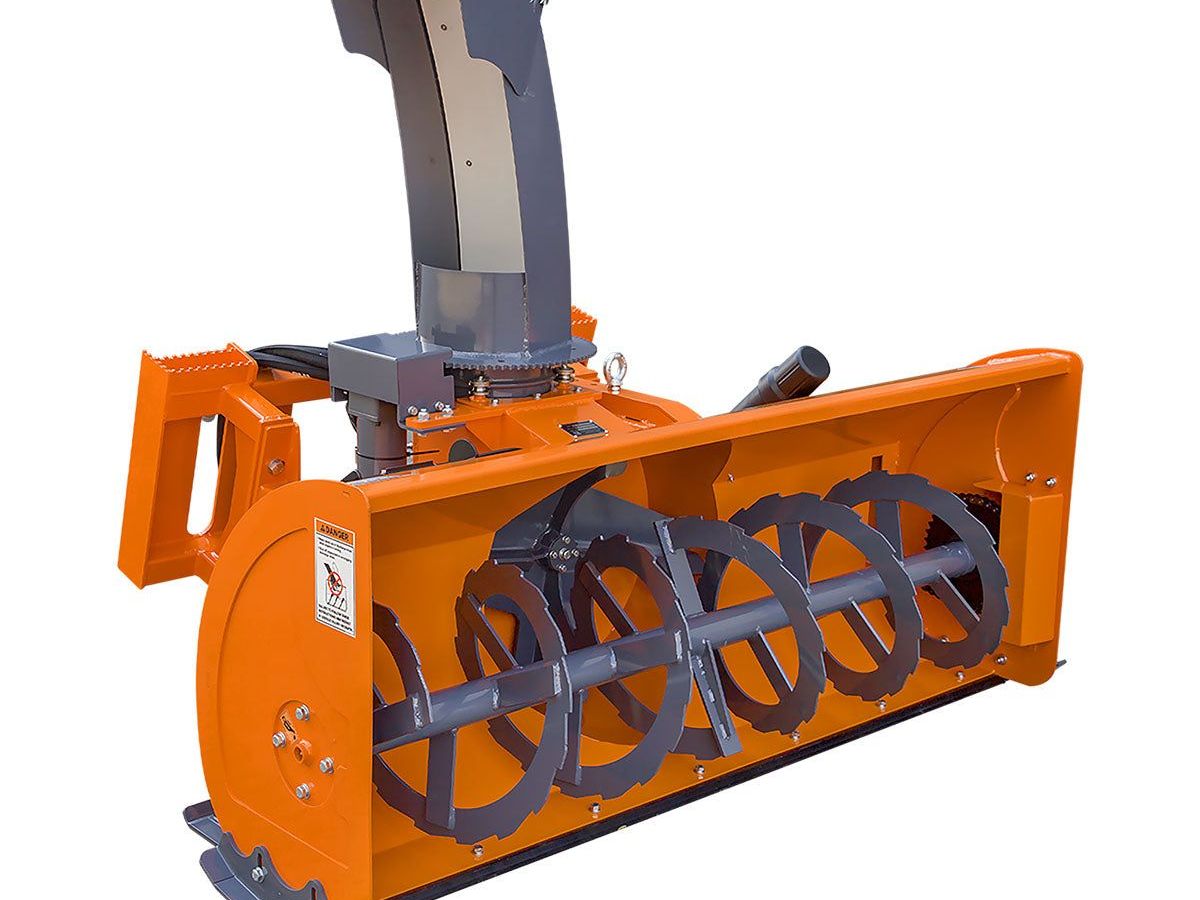
Alright, let’s talk about the guts of these blowers. Augers and impellers are like the dynamic duo in snow blowers. The auger chews up the snow and feeds it to the impeller, which then throws it far away. It’s all about teamwork, right? The auger is usually made of tough stuff like hardened steel, so it can handle both fluffy snow and icy bits. And the impeller? It’s designed to spin fast and chuck that snow as far as possible, making sure your driveway or path is clear.
Hydraulic System Essentials
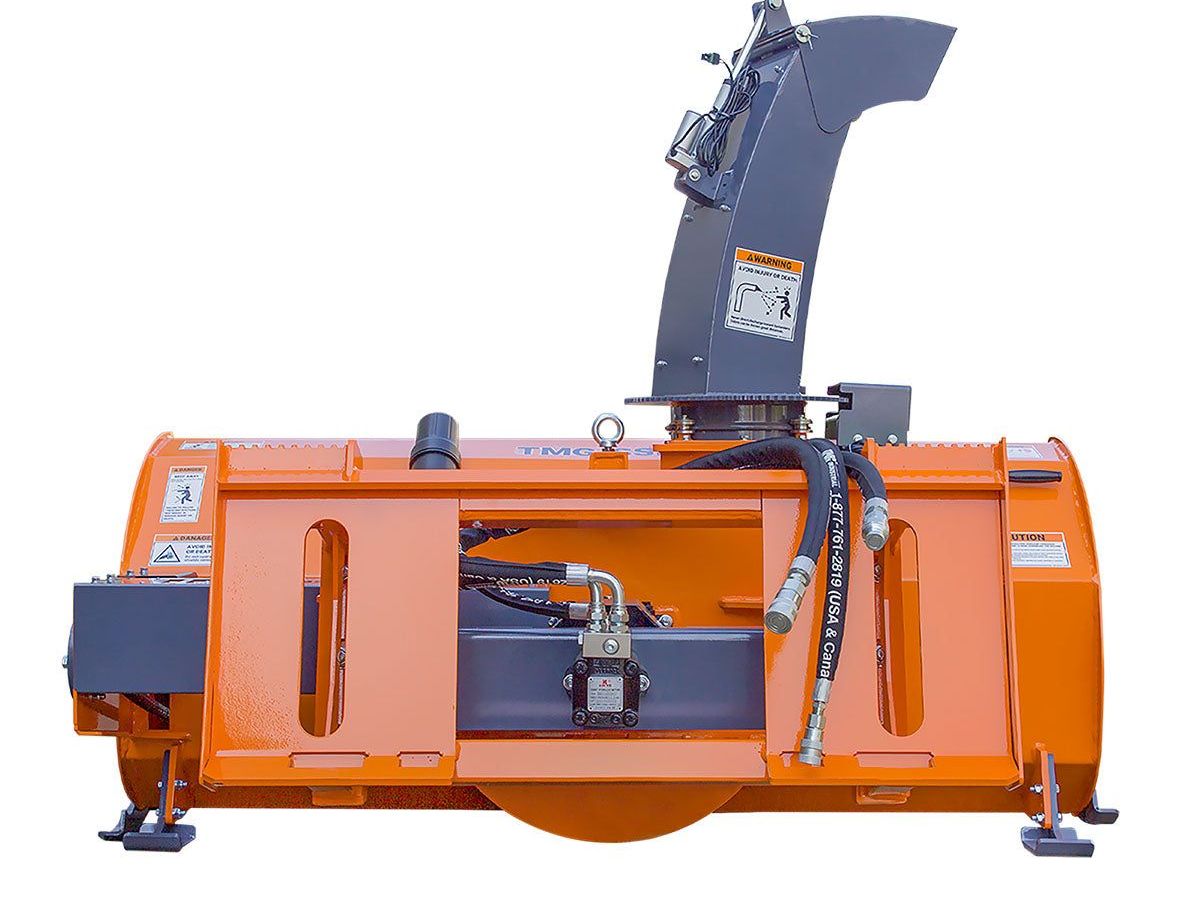
Now, onto the hydraulic system. This is what gives your blower its muscle. The hydraulic drive powers both the auger and the impeller, making them work in sync. It’s like having a strong arm behind the machine. You gotta make sure your skid steer matches the hydraulic requirements, though, or things won’t run smoothly. We’re talking about flow rates and pressure here. Get those right, and you’re golden.
Innovations in Snow Blower Design
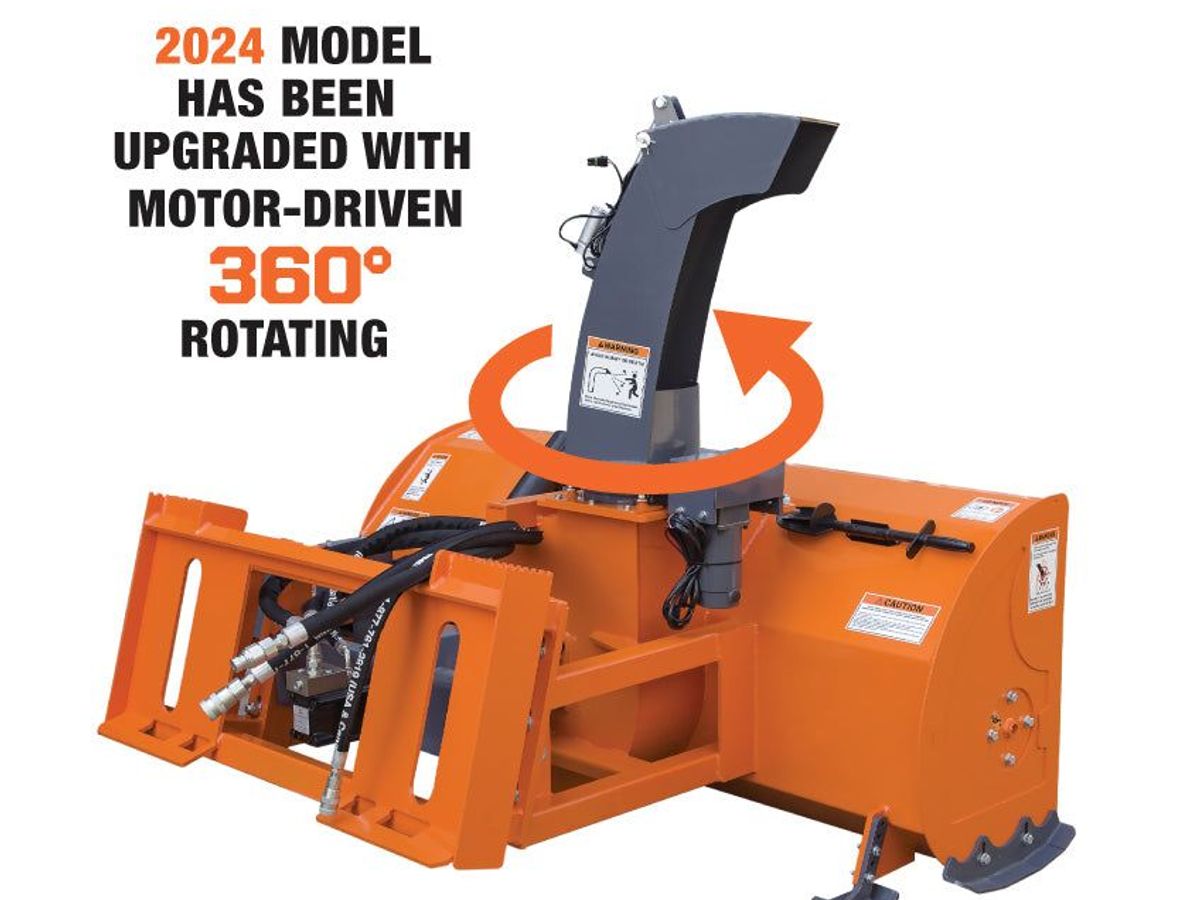
Snow blowers have come a long way, folks. Modern designs focus on efficiency and ease of use. Some blowers now come with features like adjustable skid shoes and motor-driven chutes, which let you control where the snow goes without leaving your seat. It’s all about making life easier while getting the job done right. So, when you’re picking a blower, look for these cool features that can save you time and effort.
Accessorizing Your Skid Steer Blower
Choosing the Right Skid Shoes
Man, picking the right skid shoes for your skid steer snow blower is like finding the perfect pair of boots for winter. They gotta fit right and handle the terrain. Adjustable skid shoes are a game-changer, letting you tweak the height for different surfaces, so your blower doesn’t eat gravel or scrape the driveway.
Upgrading Your Chute System
Ever tried aiming a snowball with a broken arm? That’s what it’s like using a snow blower on skid steer with a lousy chute system. A motor-driven chute that rotates 360 degrees is sweet because you can direct the snow wherever you want without leaving the cab.
Adding Lights and Reflectors
Snow blowing at night without lights? Yeah, not fun. Adding some good lights and reflectors to your hydraulic snow blower for skid steer turns night into day, making sure you see everything and others see you too. It’s all about safety and visibility, especially when you’re working those early mornings or late nights.
Accessories like skid shoes, chutes, and lights aren’t just add-ons; they’re essentials that make your blower skid perform better and keep you safe. So, don’t skimp when it comes to these upgrades. They really make a difference in how your snow thrower for skid steer handles the white stuff.
Real-World Applications and Success Stories
Commercial Snow Removal Success
So, there’s this dude I know who runs a snow removal business, right? He swears by his skid steer blower attachment. Says it’s a beast. Clears parking lots faster than you can say "snowstorm." It’s like his secret weapon in the winter.
Residential Use Cases
Now, for home use, these blowers are a game-changer too. I’ve seen folks use them to clear driveways in no time. Imagine sipping your coffee while your skid steer does all the hard work. Beats shoveling any day.
Testimonials from Operators
I’ve heard from operators who say these machines are their best friends in a blizzard. One guy told me he cleared a whole street in record time. It’s like having a superpower when the snow hits hard.
Snow removal isn’t just a job; it’s a battle against nature. And with the right gear, you can win every time.
Environmental Considerations
Minimizing Fuel Consumption
Running a skid steer blower can guzzle fuel, so keeping an eye on fuel efficiency is key. Regular maintenance and using the right settings can help cut down on fuel usage. Try to avoid idling as much as possible, and keep your machine tuned up for the best performance.
Eco-Friendly Snow Disposal
When it comes to disposing of snow, just dumping it anywhere isn’t the best move for the environment. Look for eco-friendly ways to dispose of snow, like designated snow dumps that manage runoff properly. This keeps harmful chemicals and debris out of natural water sources.
Noise Reduction Techniques
Blowers can be pretty loud, and that noise can be a problem for both you and your neighbors. To keep things quieter, consider using noise-reducing attachments or operating during hours when fewer people are around. Proper maintenance can also help your machine run more quietly.
When thinking about the environment, it’s important to choose products that are safe and sustainable. By making smart choices, we can help protect our planet for future generations. Visit our website to learn more about how our products can make a difference!
Wrapping It Up: Your Skid Steer Snow Blower Journey
So there you have it! Using a skid steer snow blower can really change the game when it comes to clearing snow. With the right setup and techniques, you can tackle even the heaviest snowfalls without breaking a sweat. Remember to keep your equipment in good shape and follow safety tips to make your job easier and safer. Whether you’re a pro or just starting out, these blowers can help you get the job done faster and better. So gear up, get out there, and make winter work for you!
Frequently Asked Questions
What is a skid steer snow blower?
A skid steer snow blower is a tool that attaches to a skid steer to help clear snow quickly and easily.
How do I choose the right snow blower for my skid steer?
Look for a blower that matches your skid steer’s horsepower and has features like a rotating chute and adjustable skid shoes.
What safety checks should I perform before using my snow blower?
Make sure to check the hydraulic connections, inspect the cutting edges, and ensure the chute rotates properly.
How can I improve efficiency when blowing snow?
Keep a steady speed, use the full width of the blower, and adjust the skid shoes for different surfaces.
What maintenance is needed for my skid steer snow blower?
Regularly inspect and clean the blower, replace worn parts, and store it properly during off-seasons.
Can I use a skid steer snow blower on uneven surfaces?
Yes, but you may need to adjust the height of the skid shoes or take multiple passes to clear the area effectively.
What should I do if my snow blower gets blocked?
Turn off the machine and clear the blockage manually. Always follow safety guidelines when doing this.
Are there any environmental concerns with using a skid steer snow blower?
Yes, consider minimizing fuel use, disposing of snow in eco-friendly ways, and reducing noise during operation.